
Beyond the Product Shot: Why Commercial Photography is About Storytelling, Not Just Selling
In the crowded 21st century, a product’s success is no longer solely determined by its features or price. The modern consumer is discerning, seeking not just a commodity, but a connection, a lifestyle, and a narrative that resonates with their own values and aspirations. In this paradigm shift, commercial photography has evolved from a simple tool for display to a powerful medium for communication.

It has moved decisively “beyond the product shot,” transforming from a purely transactional practice—selling an object—to a deeply immersive act of storytelling. This transition is not merely a stylistic choice but a strategic imperative, as brands recognize that authentic narratives forge emotional bonds and build a loyalty that a static, isolated image of an item can never achieve.
The Limitations of the Traditional Product Shot
The traditional product shot, for all its utility, is inherently limited. It serves a functional purpose, showcasing an item’s physical attributes, color, and form. This is the realm of e-commerce listings, catalogs, and technical specifications. While necessary for practical purposes, these images are sterile and devoid of context. They answer the question, “What does it look like?” but fail to address the far more crucial question: “How will it make me feel?”
A photograph of a sleek, black coffee machine against a white backdrop provides information, but it offers no glimpse into the ritual of a quiet morning, the aroma of brewing coffee, or the comfort of a warm mug in one’s hands. It is a one-dimensional representation in a multi-dimensional world, speaking to the logic of a consumer’s mind while completely bypassing their emotional core.

In an economy of attention, where consumers are bombarded with thousands of marketing messages daily, a photograph that only shows what an object is will be lost in the noise. To stand out, a brand must show what that object means.
Defining the Art of Visual Storytelling
Storytelling in commercial photography is the art of imbuing an image with narrative, emotion, and purpose. It is the conscious decision to place a product within a carefully constructed scene that communicates a larger idea. This process involves the photographer acting as a visual architect, building a world around the product that tells a complete story.
This narrative can be simple, like a pair of running shoes captured mid-stride on a misty forest trail, or complex, like a multi-image campaign that chronicles a person’s journey from a bustling city to a remote mountain peak, with the brand’s jacket serving as a trusted companion. The image becomes a window into an aspirational reality.
The product ceases to be a mere commodity and becomes a central character in a compelling drama—the tool that enables the adventure, the comfort that provides solace, or the style that expresses an identity. This approach shifts the focus from the product’s function to its impact on the user’s life, creating a powerful emotional connection that transcends simple features.
The Power of the Human Element
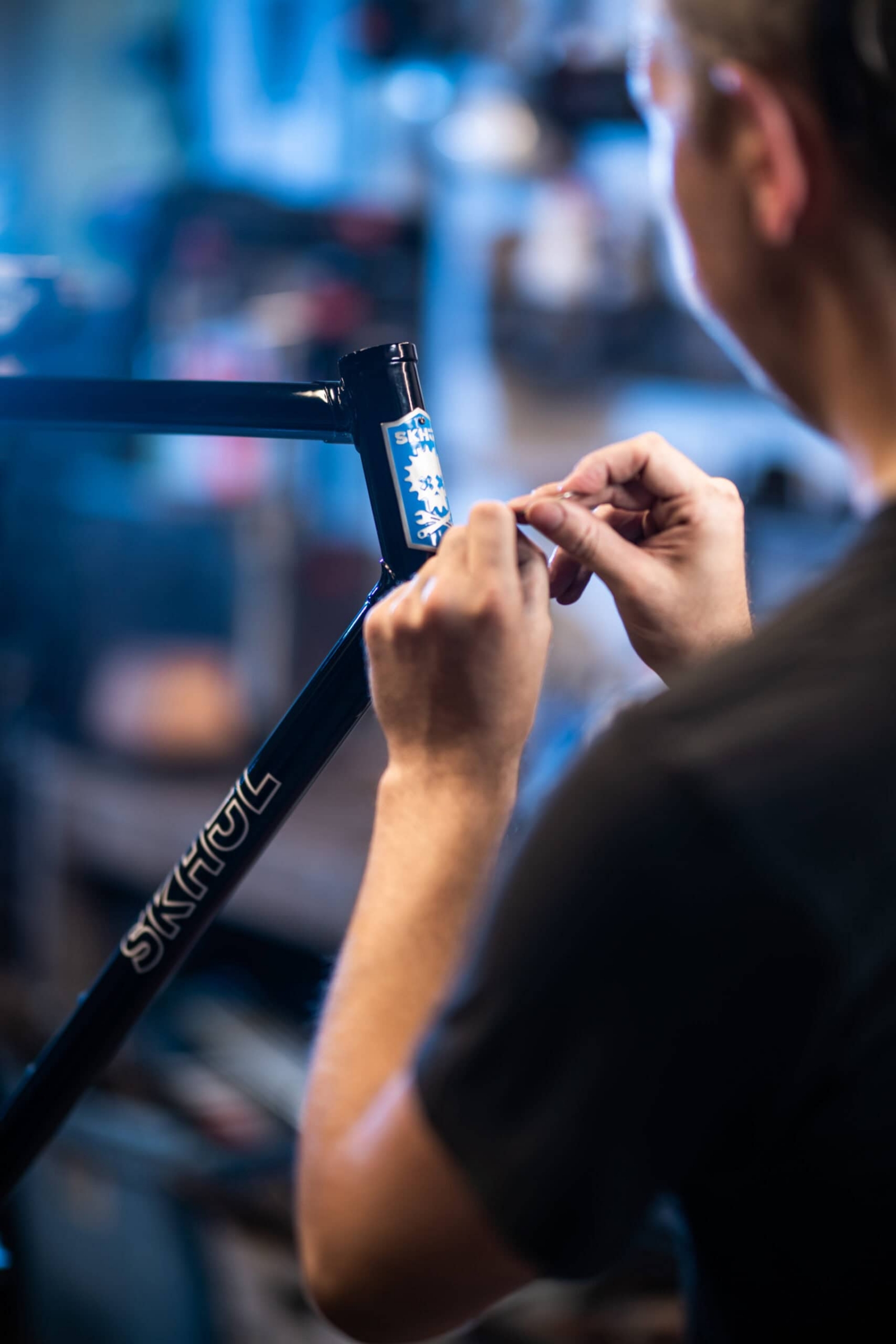
The most potent element in this new form of commercial photography is the human element. The presence of a person, whether a model or a carefully selected archetype, transforms an image from a static display to a relatable vignette. When a viewer sees someone interacting with a product, they are not just observing; they are empathizing and projecting themselves into that scene.
A photograph of a family laughing around a dining table, adorned with a brand’s stylish dinnerware, sells more than just plates and bowls. It sells the feeling of togetherness, the joy of shared meals, and the warmth of a happy home. The product is no longer the hero of the story; it is the supporting character that facilitates a moment of human connection.

This method taps into a fundamental psychological principle: humans are wired to understand and respond to stories about other humans. We connect with faces, gestures, and emotions. By centering the narrative on the consumer’s experience rather than the product’s attributes, commercial photography creates a bridge between the brand and its audience, fostering a sense of shared values and a deeper bond.
Building a Brand’s Personality
Beyond the individual and their emotions, commercial photography is also the primary vehicle for building a brand’s personality and identity. While a logo or color palette provides recognition, it is the photographic style that establishes a brand’s tone, voice, and worldview.
Is the brand rugged and adventurous, or is it sophisticated and elegant? Is it playful and quirky, or is it serious and authoritative? These are questions answered not through text, but through imagery. The lighting, composition, color palette, and choice of setting all contribute to a visual language that communicates the brand’s essence without a single word.
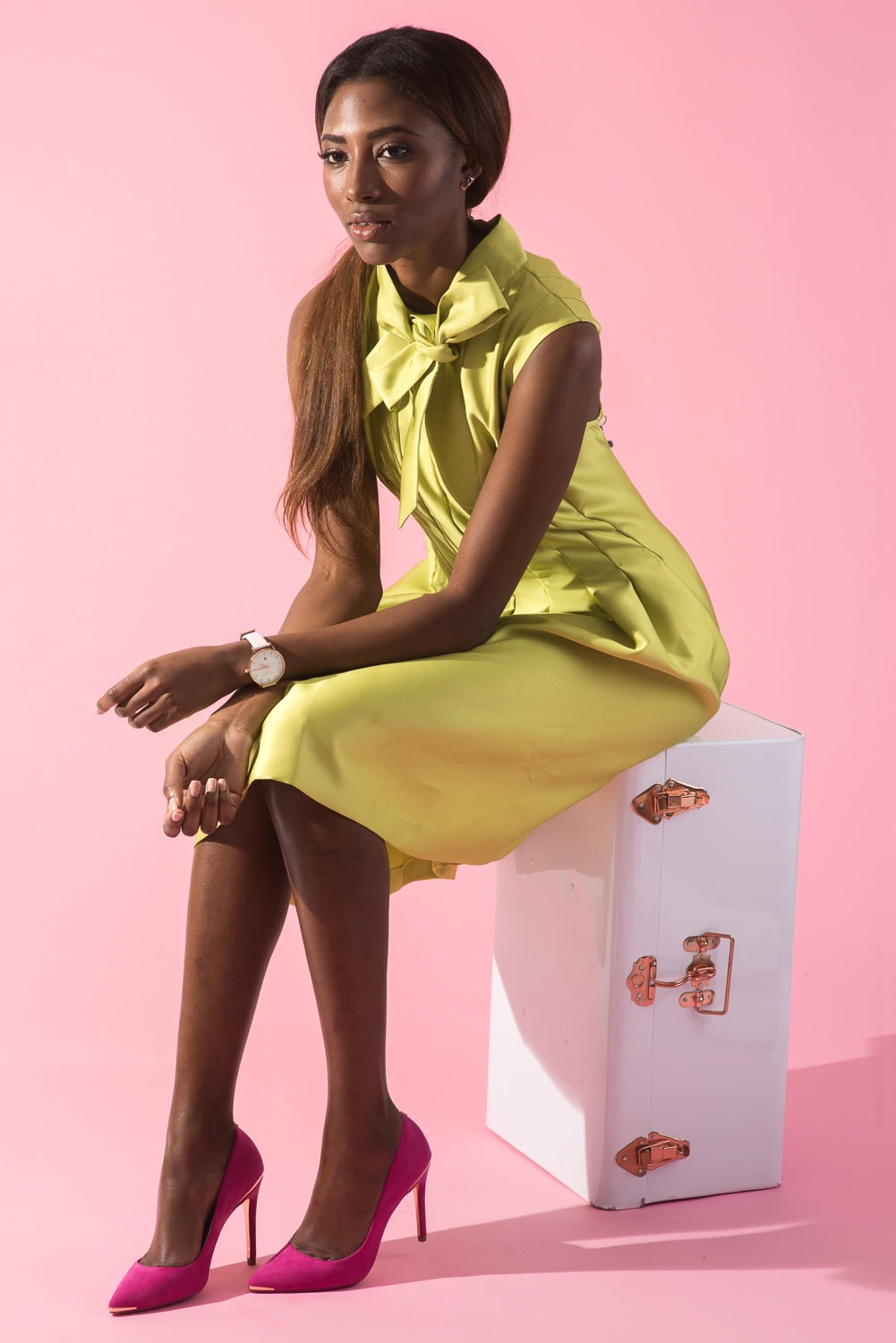
A company that sells outdoor gear will use rugged landscapes, dramatic natural light, and images of people pushing their limits. A luxury fashion brand will employ soft, diffused light, minimalist compositions, and models with serene, confident expressions. This visual consistency builds a cohesive and memorable brand identity, making it instantly recognizable and associating it with a specific set of feelings and values.
The Importance of Context and Setting
Moreover, the setting and context in which a product is photographed are not mere backdrops; they are essential parts of the narrative. The environment tells a story about where the product belongs and who it is for. A skincare product photographed on a cluttered bathroom counter feels personal and authentic, suggesting it is part of a daily routine. The same product shot in a clean, sunlit studio feels premium and clinical.
The choice of location—a bustling cafe for a laptop, a rustic kitchen for a cookware set, or a serene bedroom for a weighted blanket—anchors the product in a specific lifestyle. This contextualization helps consumers visualize the product in their own lives and understand its practical and emotional benefits.
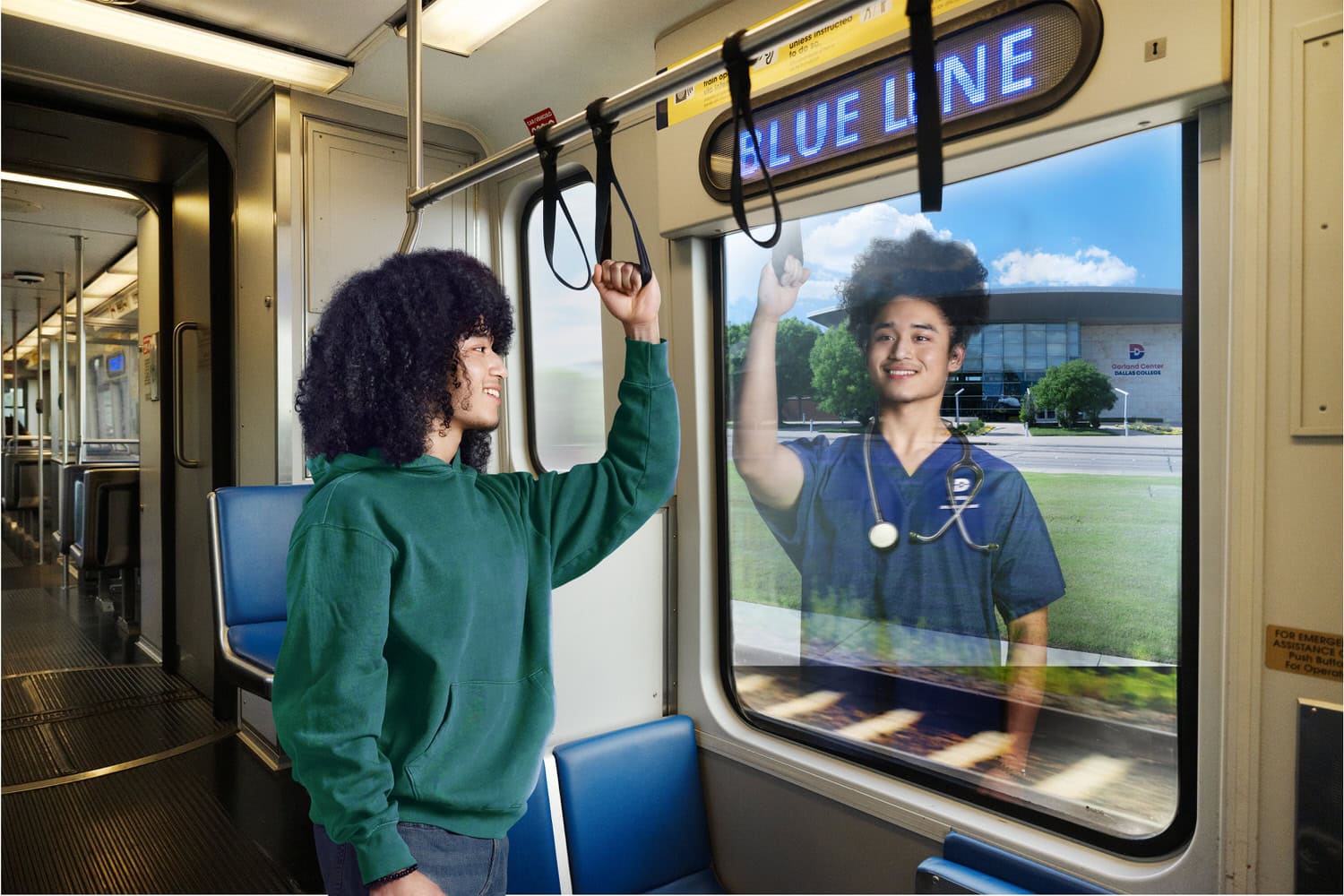
The photograph moves beyond mere aesthetics to provide functional context, demonstrating the product’s use and value in a believable and compelling way.
Case Studies in Effective Storytelling
Consider some of the most successful advertising campaigns in recent history. The “Share a Coke” campaign, for example, used photography to capture moments of friendship and connection, making the product a catalyst for social interaction.
Apple’s product photography, particularly for the iPhone, has always been less about technical specifications and more about the moments of creation, connection, and joy enabled by the device. The images tell stories of people making memories, creating art, and communicating with loved ones. Similarly,
Nike’s photography rarely focuses on the specific material of a shoe but on the triumph of a runner crossing a finish line or the sheer determination of an athlete in training. In each of these cases, the photograph transcends the product itself, selling an idea, an emotion, and a story. The success of these campaigns is a testament to the fact that modern consumers buy into narratives, not just into objects.
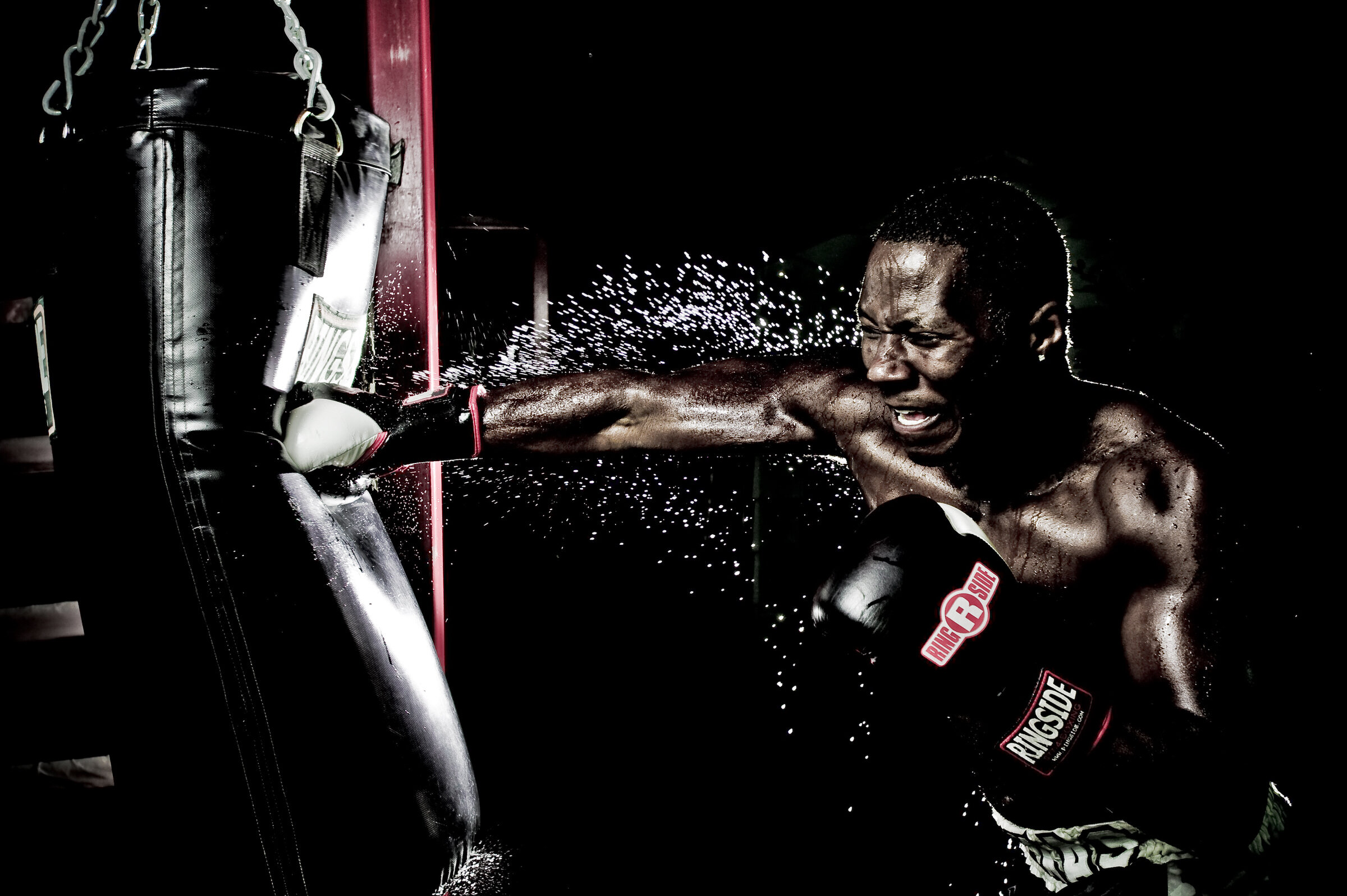
Precision Studio Lighting & Soundstage Builds.
From complex multi-set tabletop builds to high-output commercial bays with rolling booms and large scrims, partner with David Loi Studios for controlled productions across Dallas-Fort Worth and nationwide.
Speak directly with David regarding grip setups, ceiling clearance, power distribution, and stage dates.
Call David Loi: (214) 773-2424Request Studio Production Info
Detail your product lines, set dimensions, grip requirements, and target production windows below.