
Activations & Event Photography
Events move fast and don't repeat. The activation that took six months to plan is over in four hours — and the only thing that outlasts it is the photography.
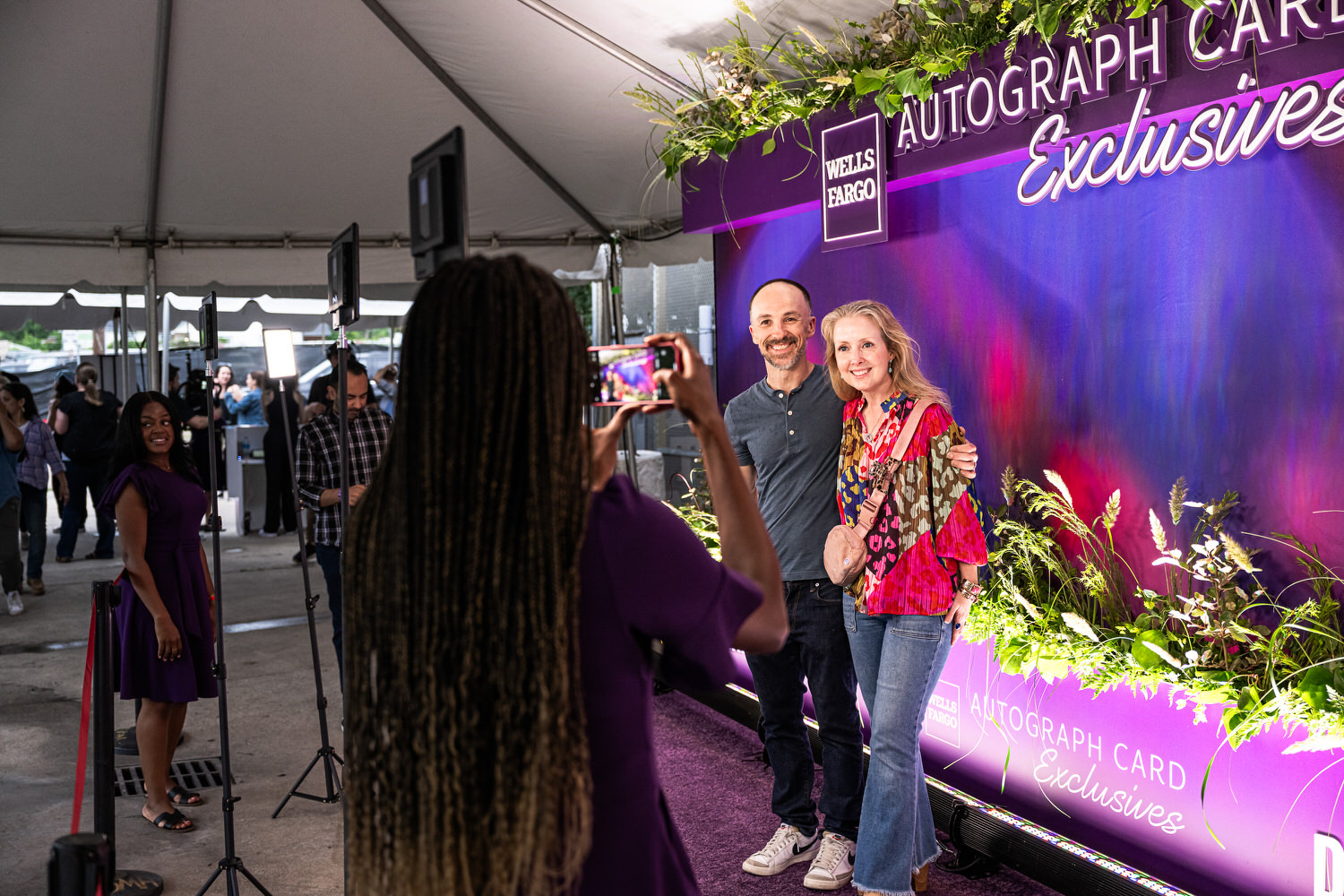
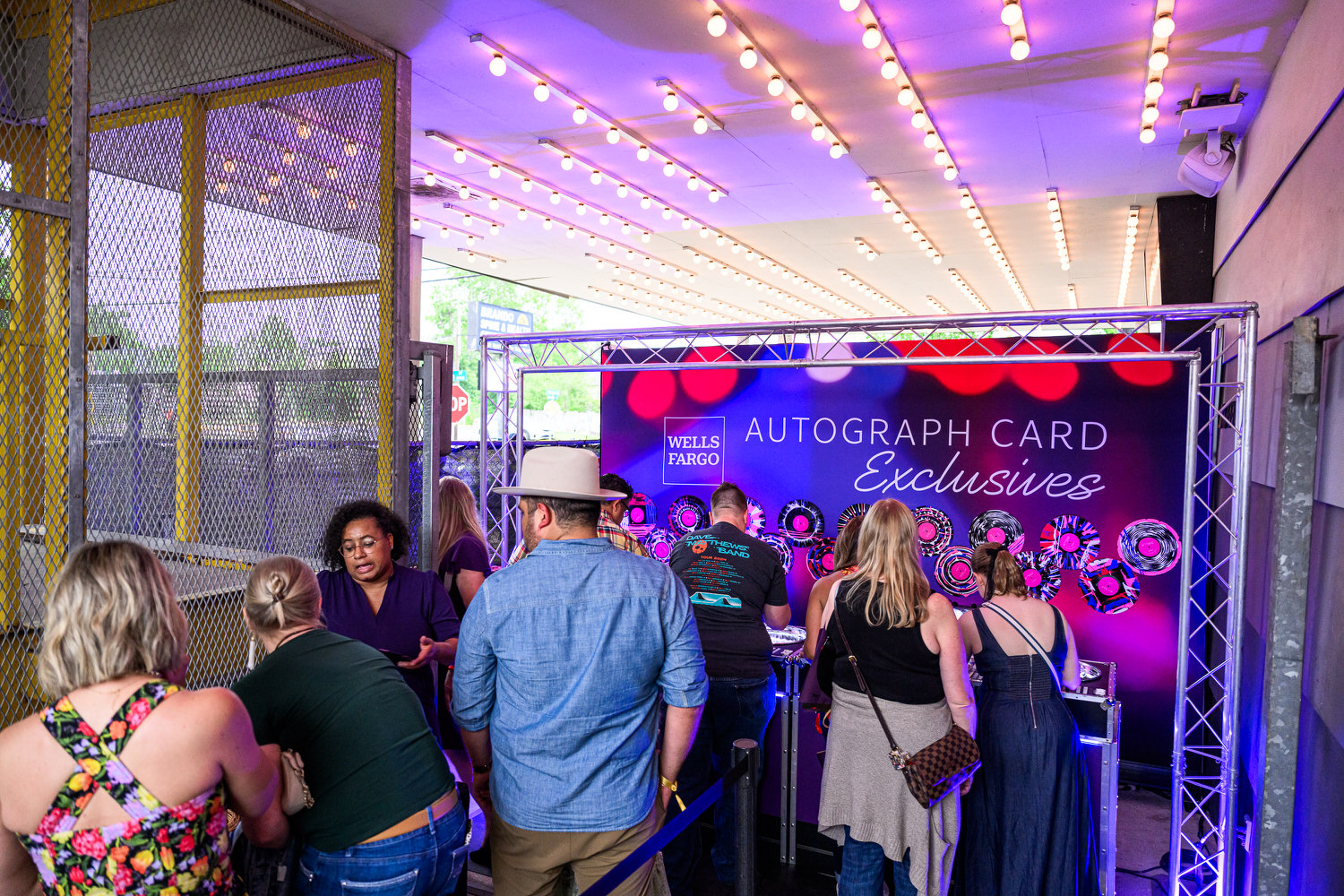
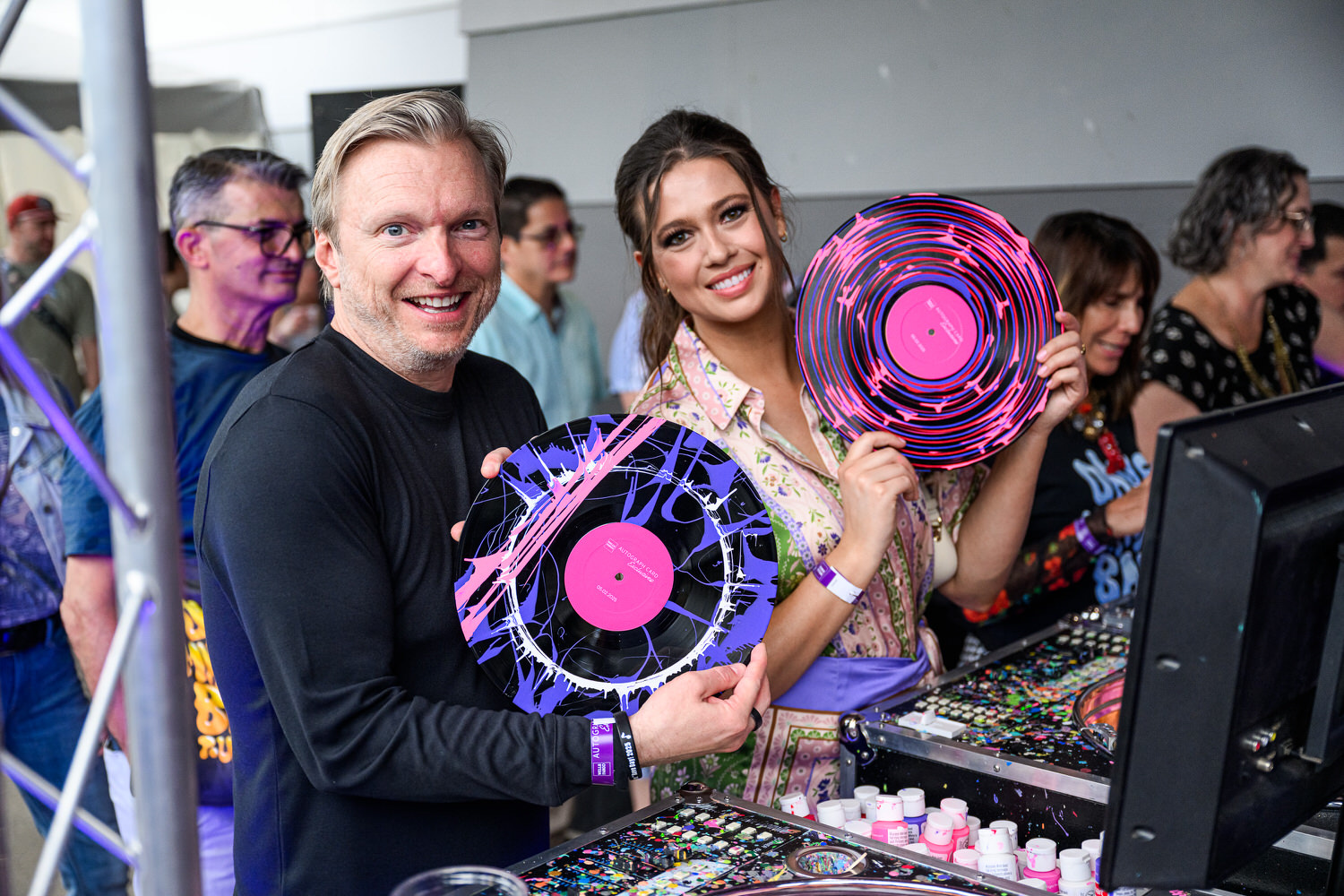
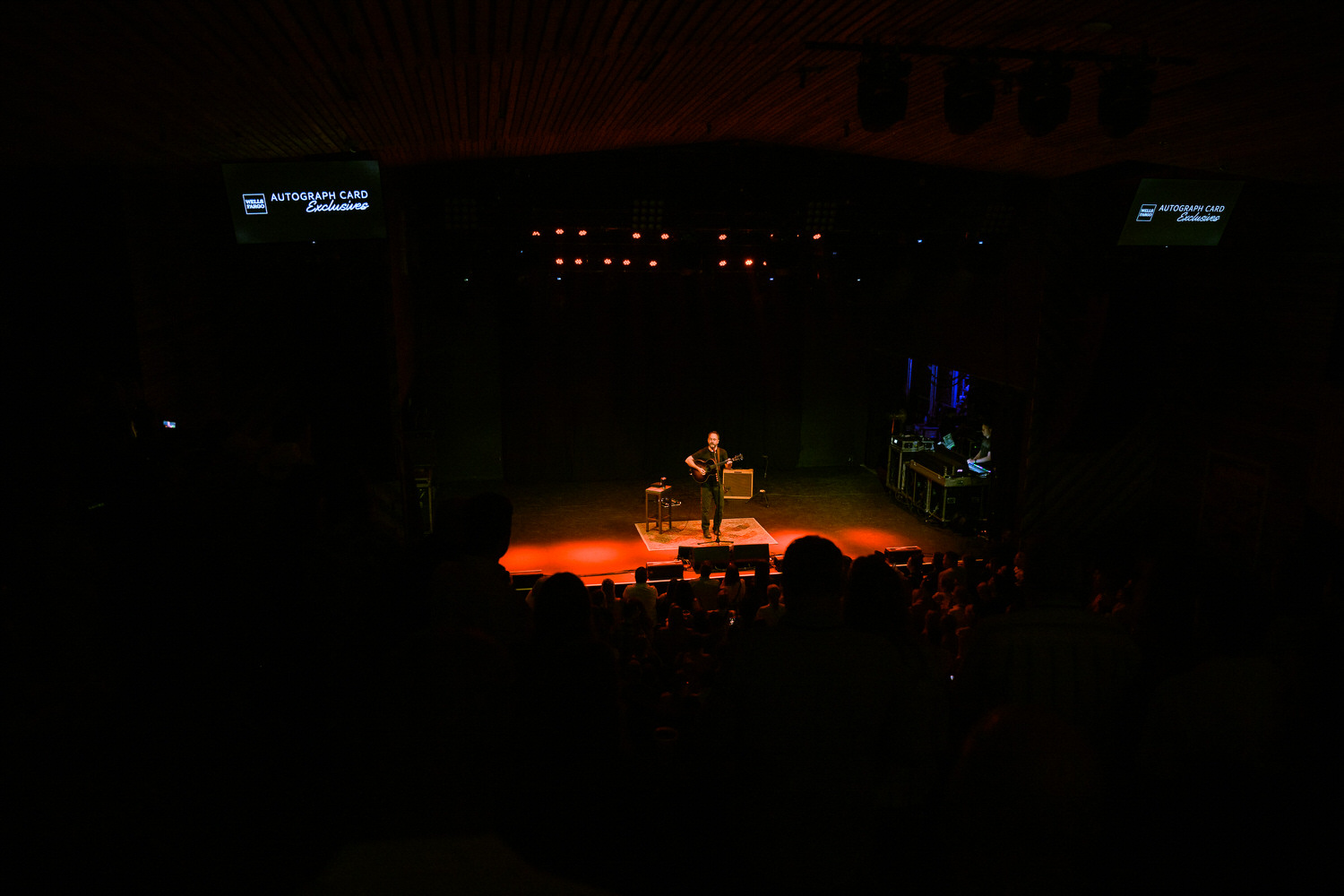
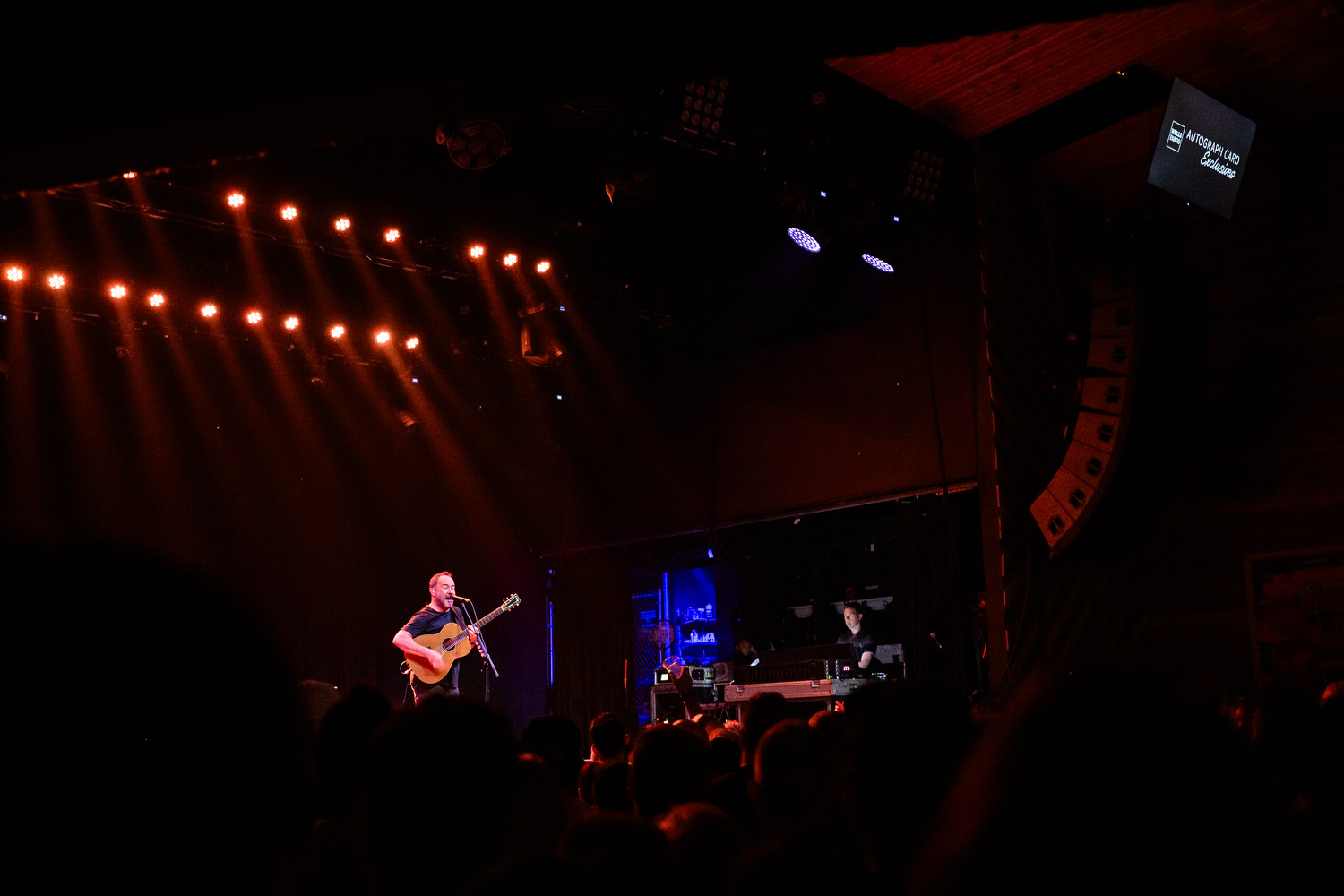
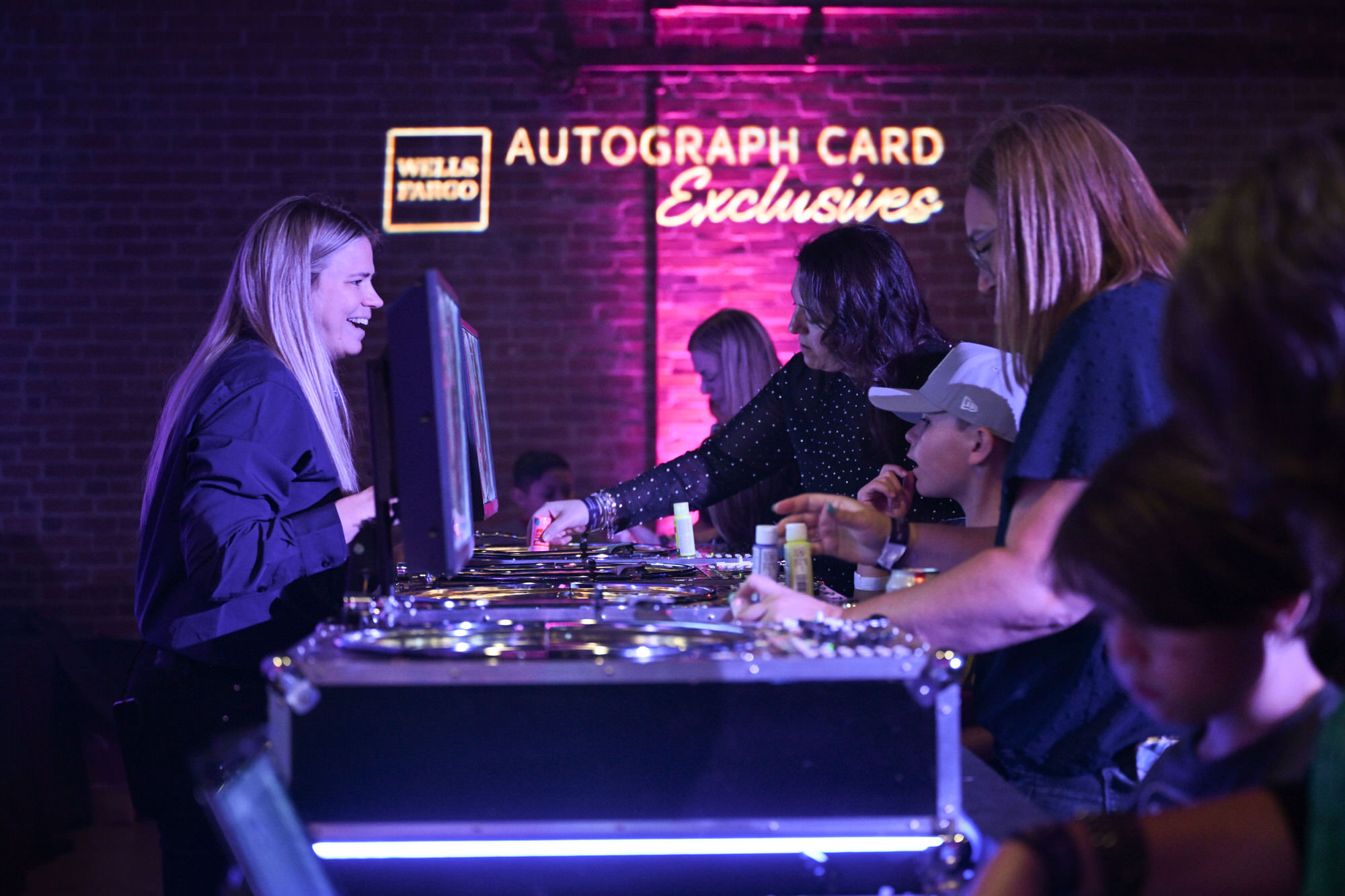
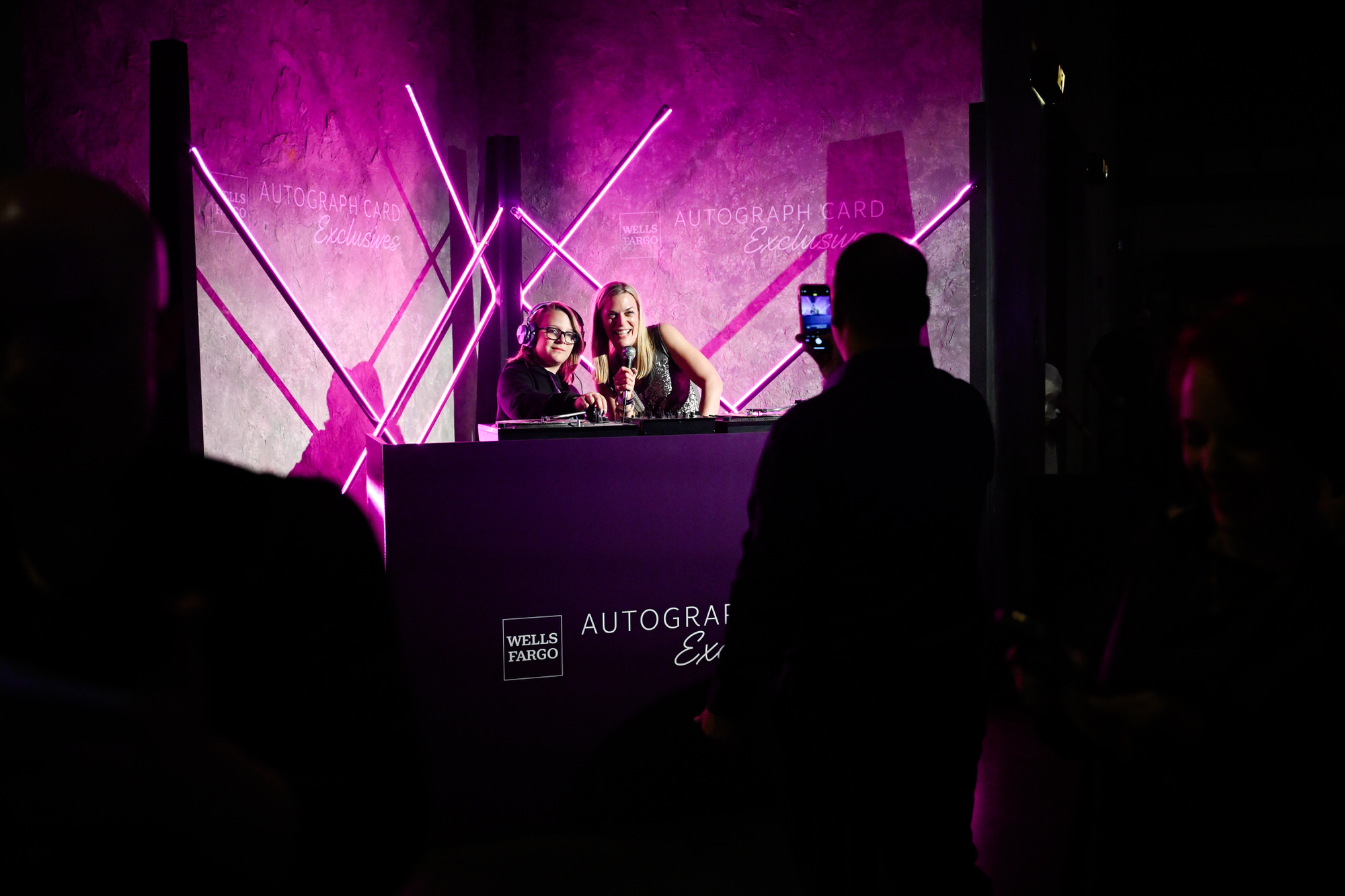
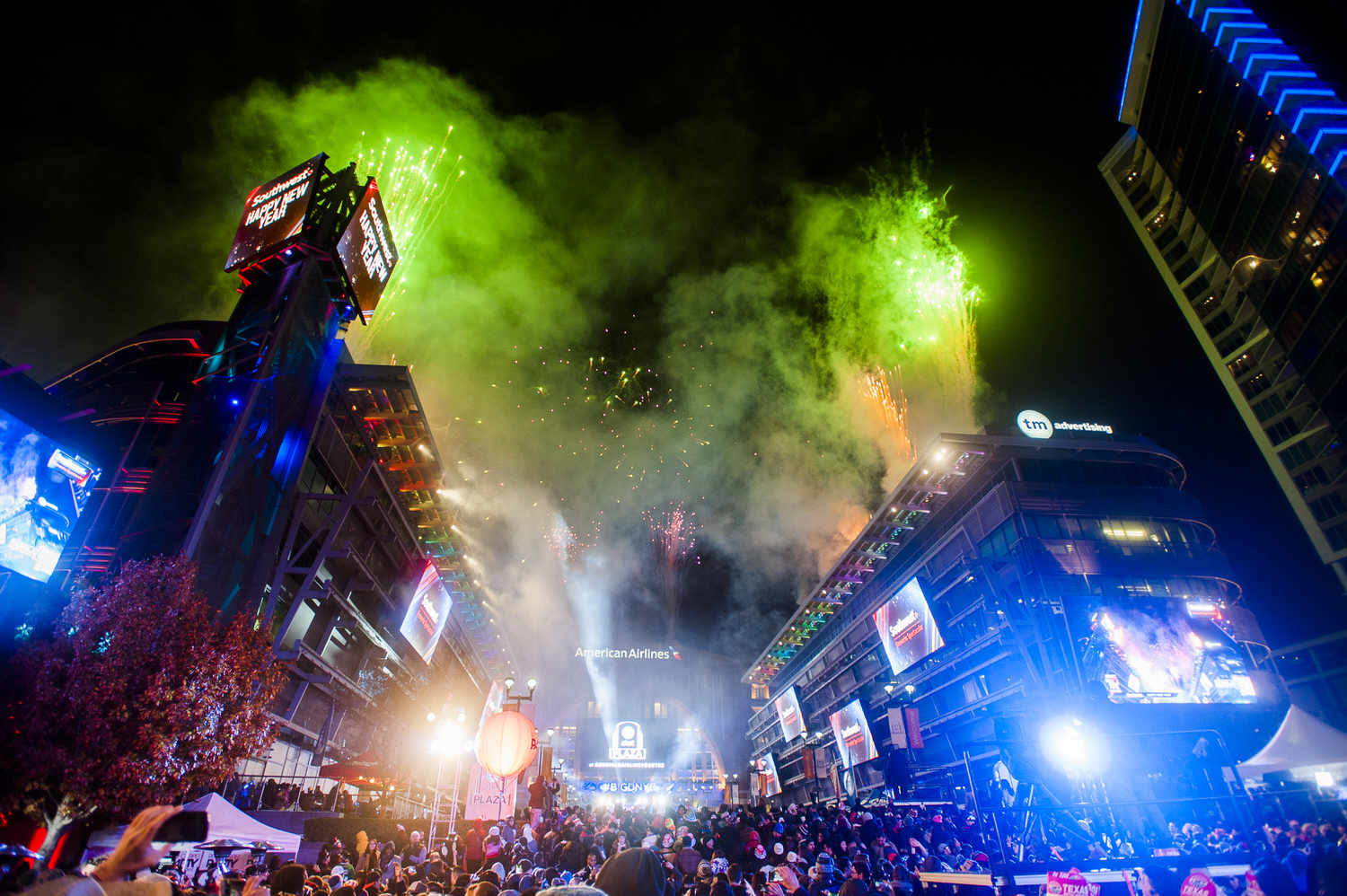
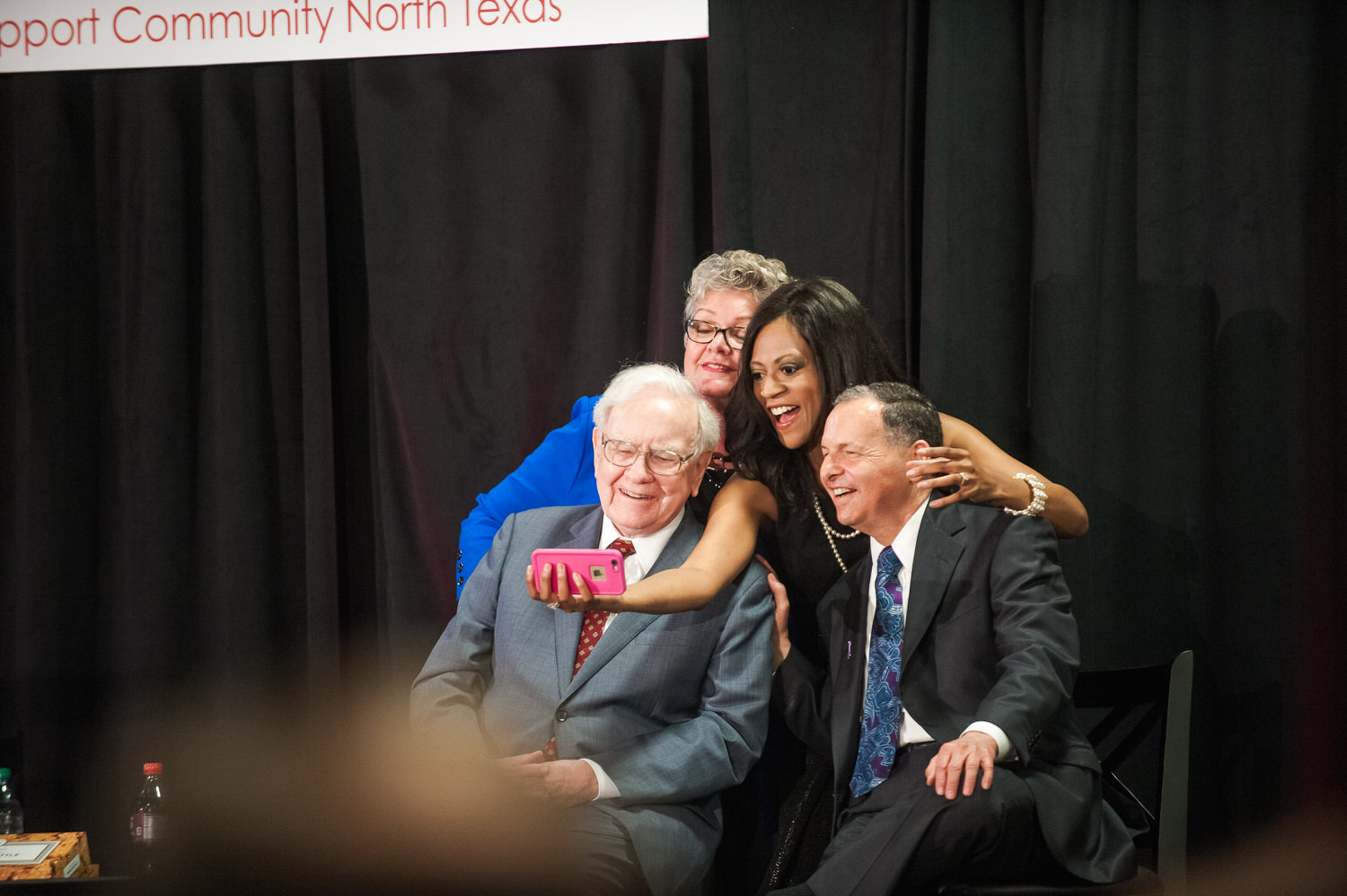
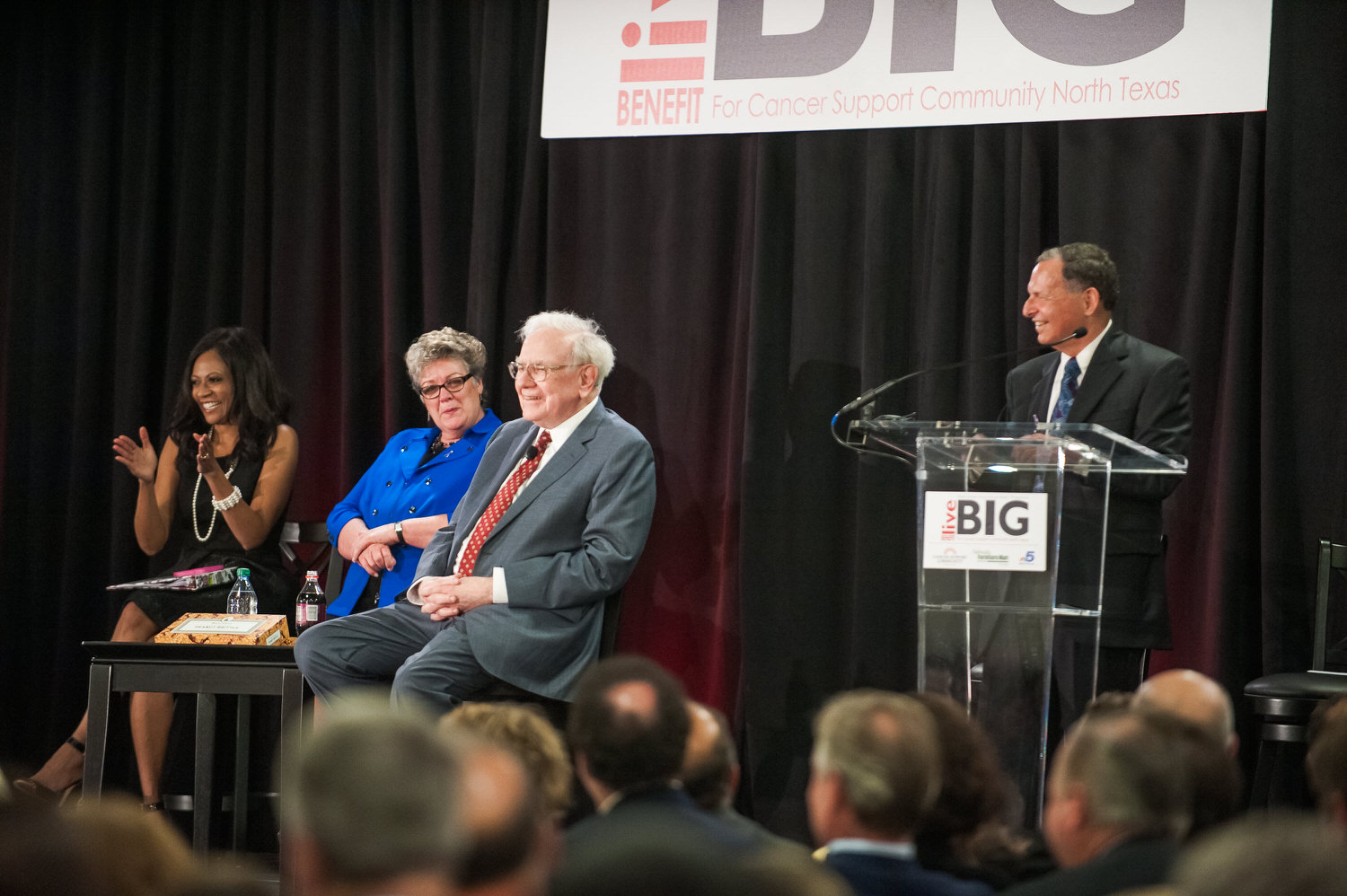
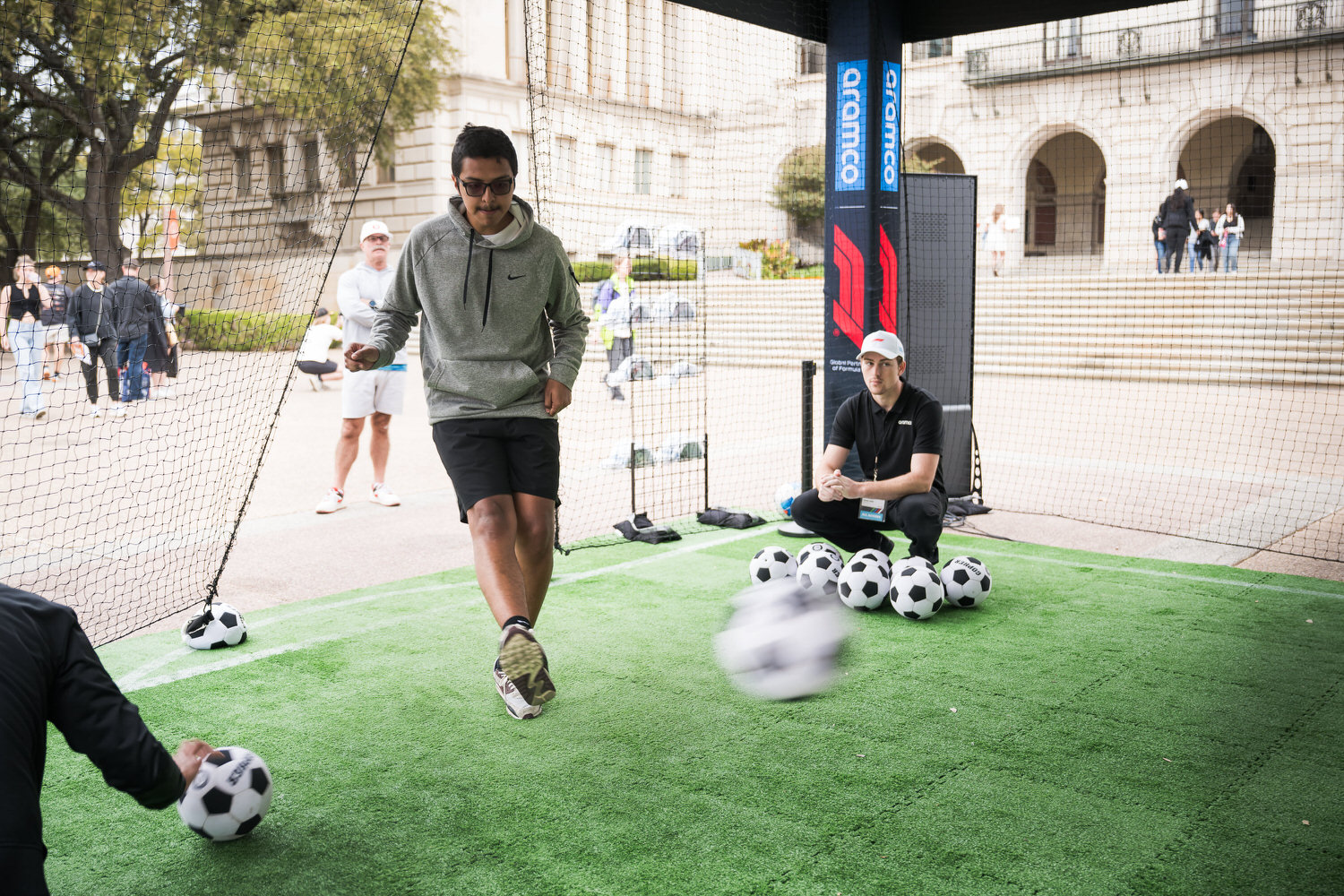
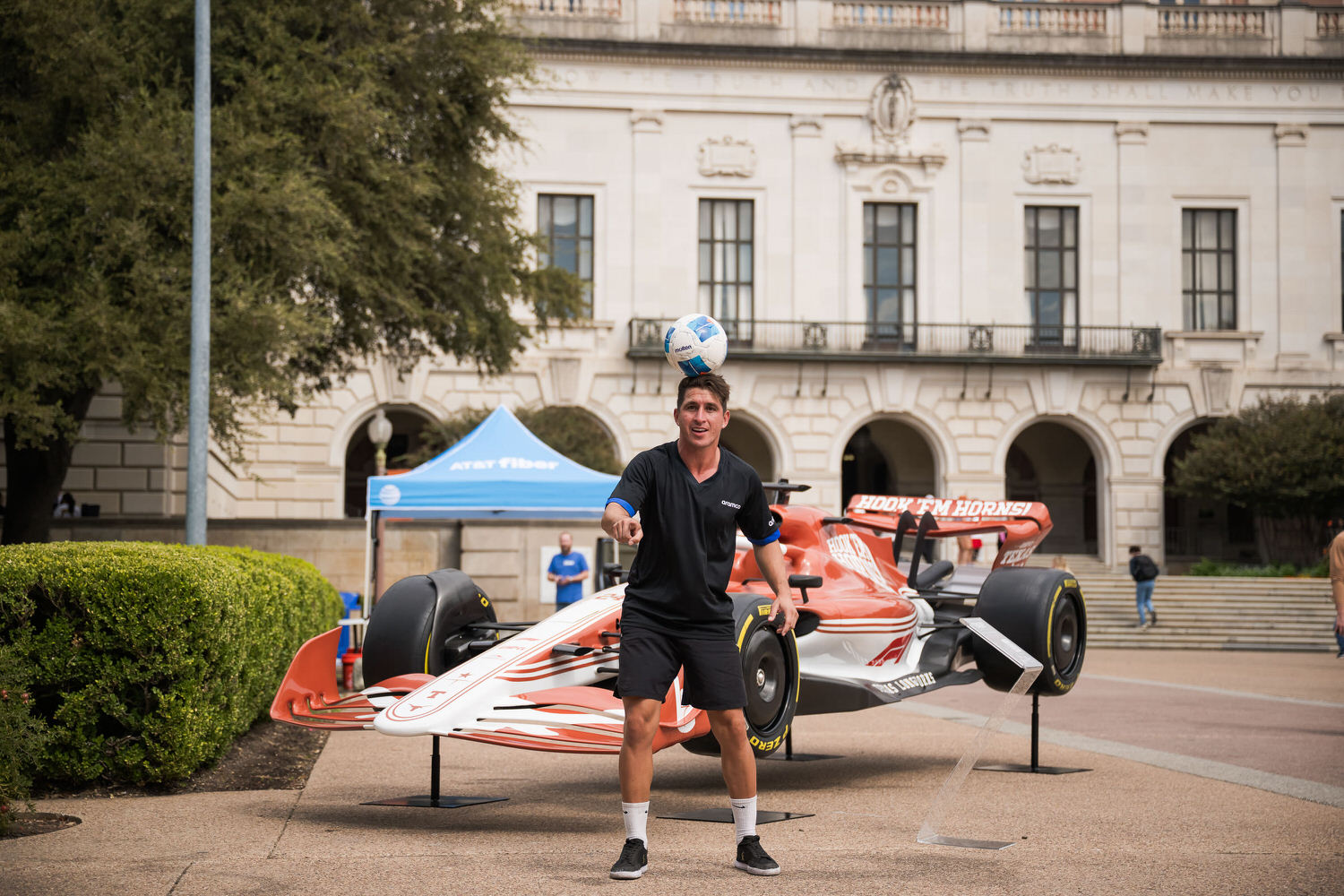
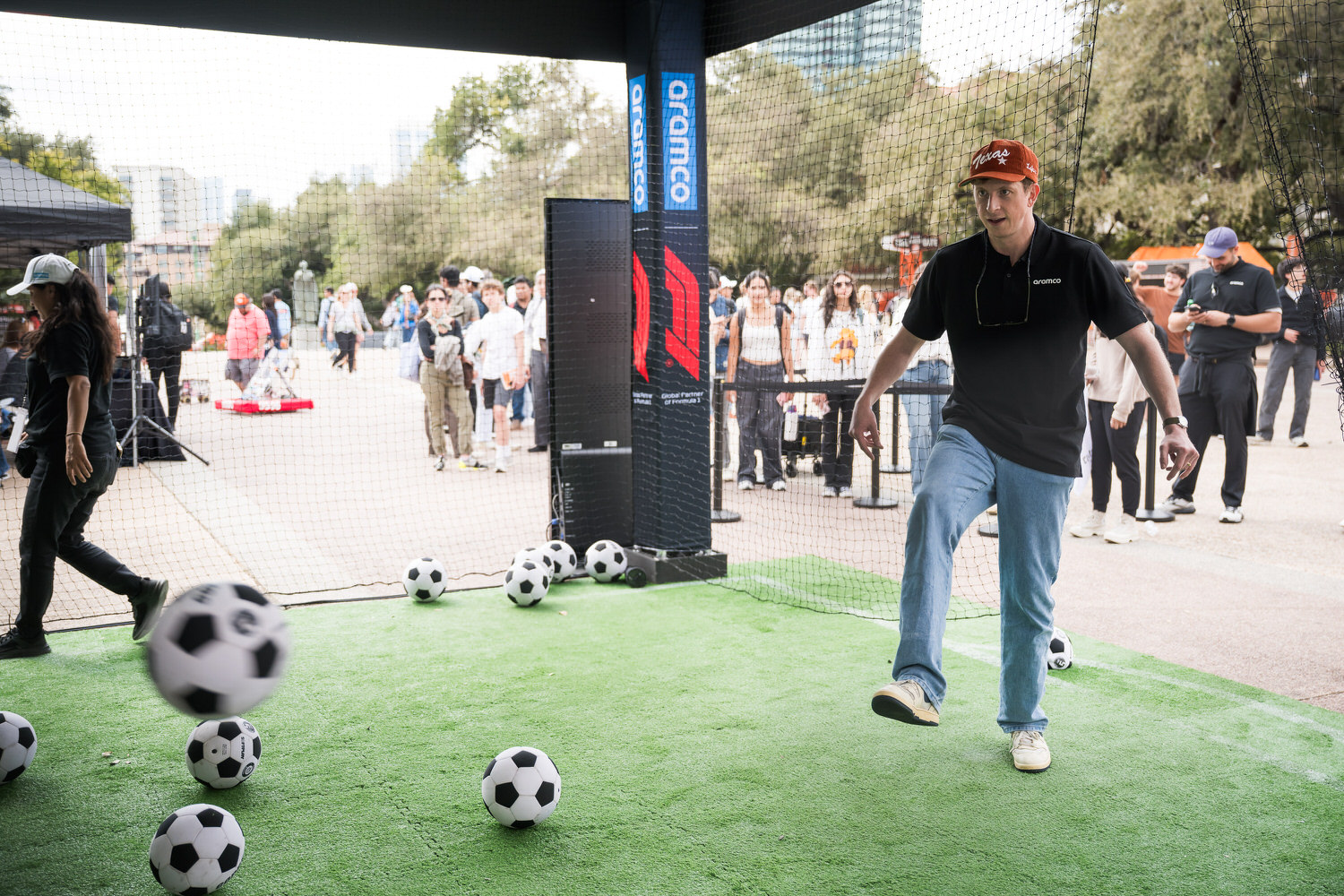
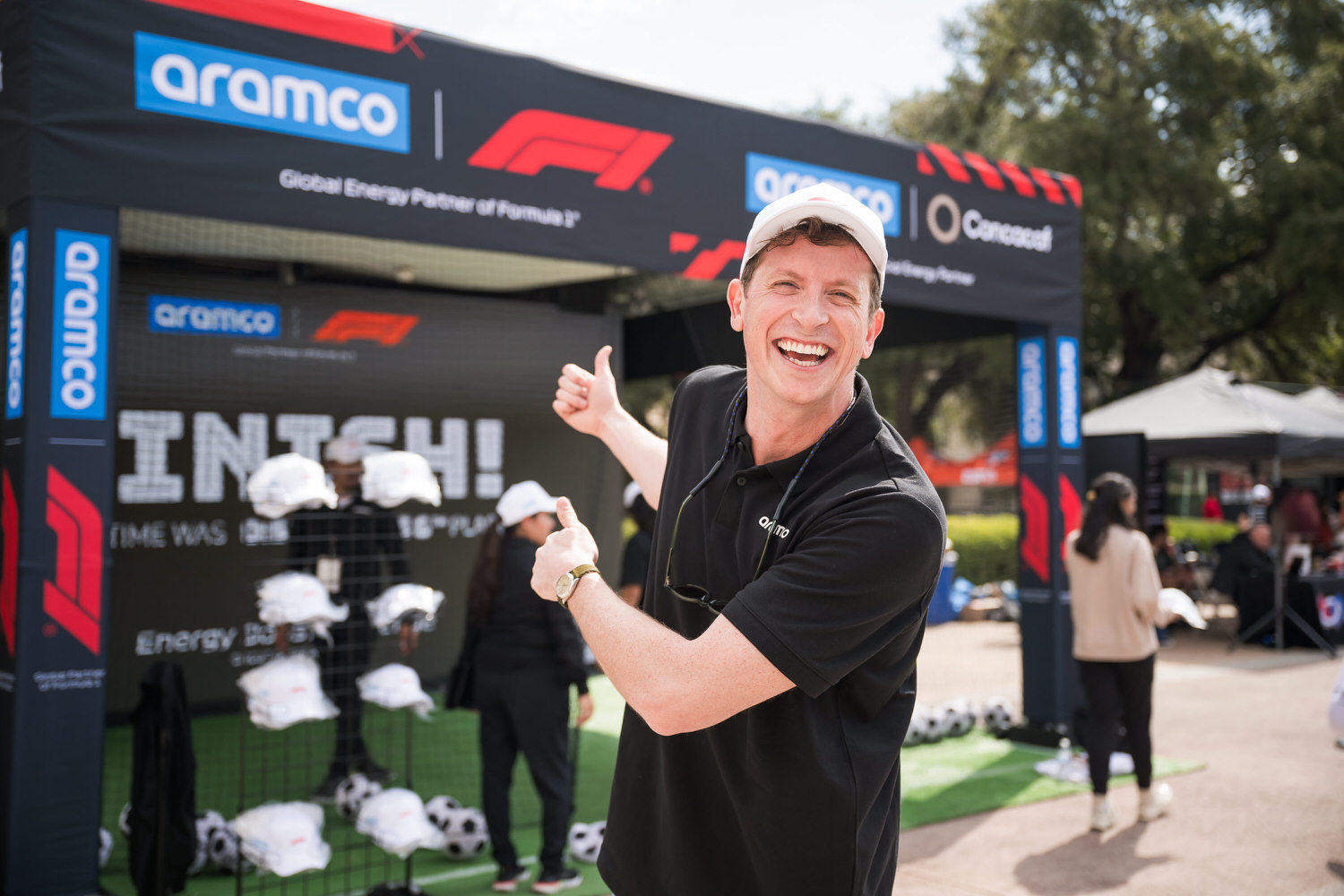
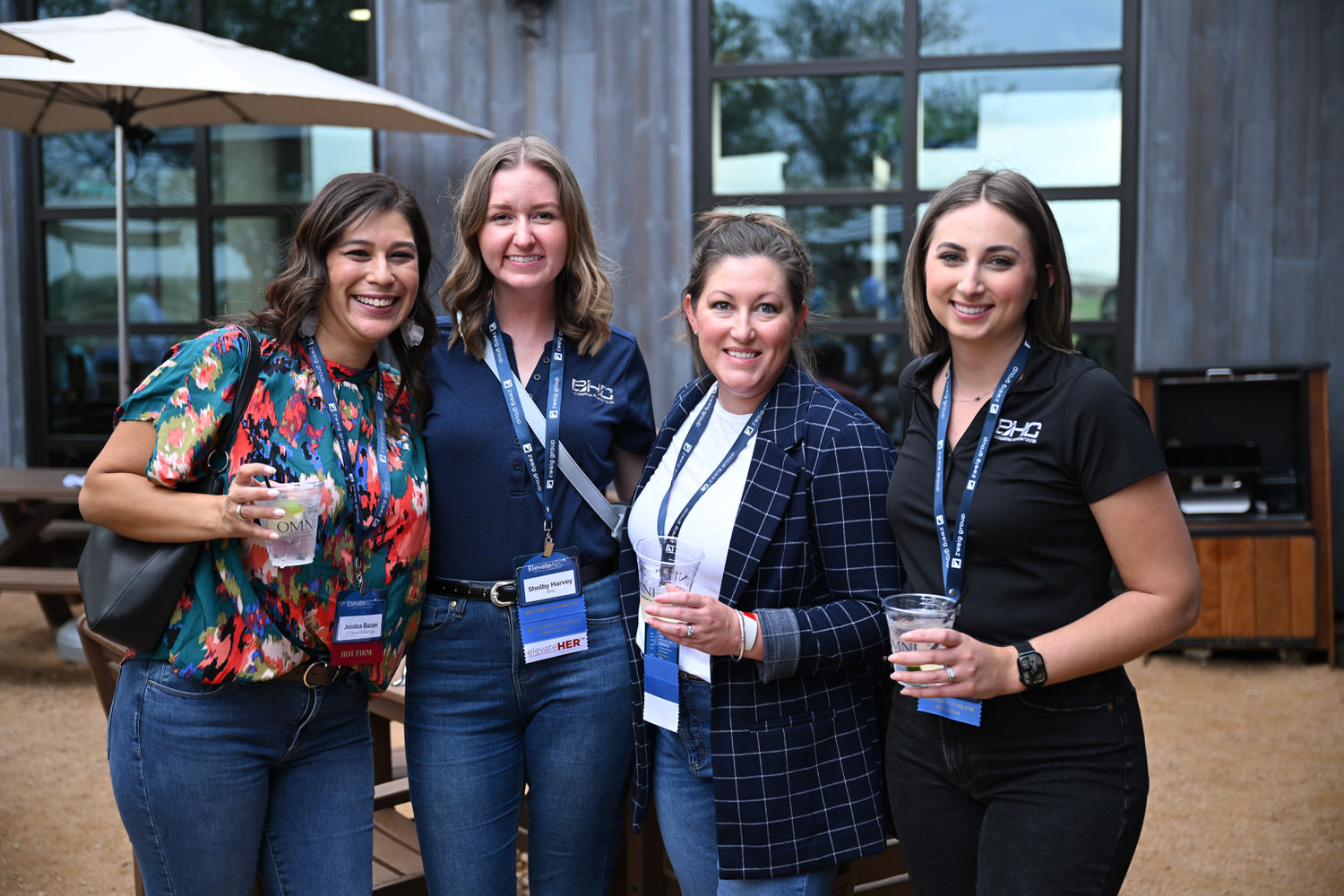
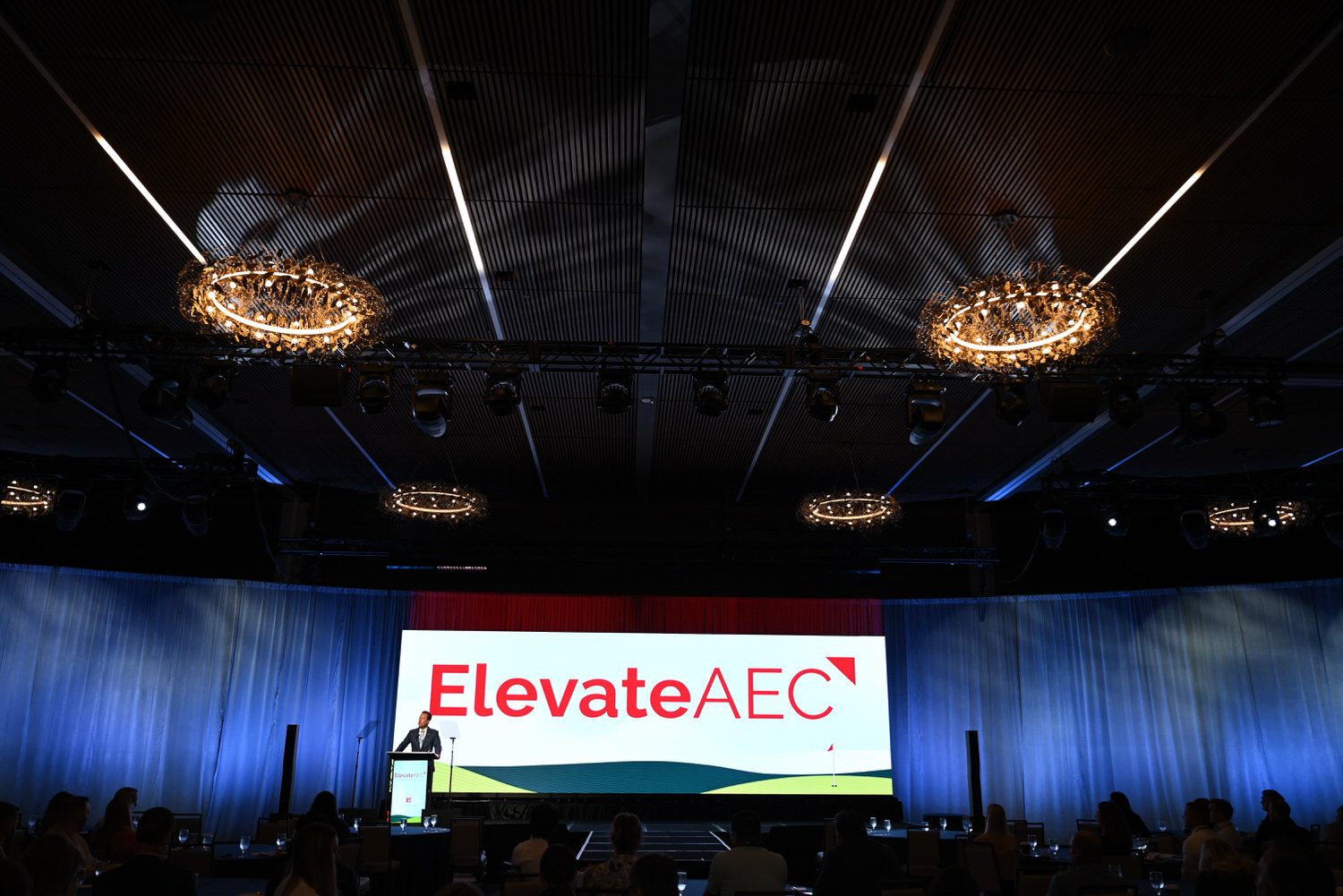
David Loi Studios has covered brand activations for Wells Fargo and American Airlines, documented corporate conferences where the images ended up in annual reports, and run on-site headshot stations that give attendees professional portraits without slowing the room down. The headshot station model has become one of the most requested additions to a corporate event — it's practical, it's valuable to attendees, and it reflects well on whoever organized it.
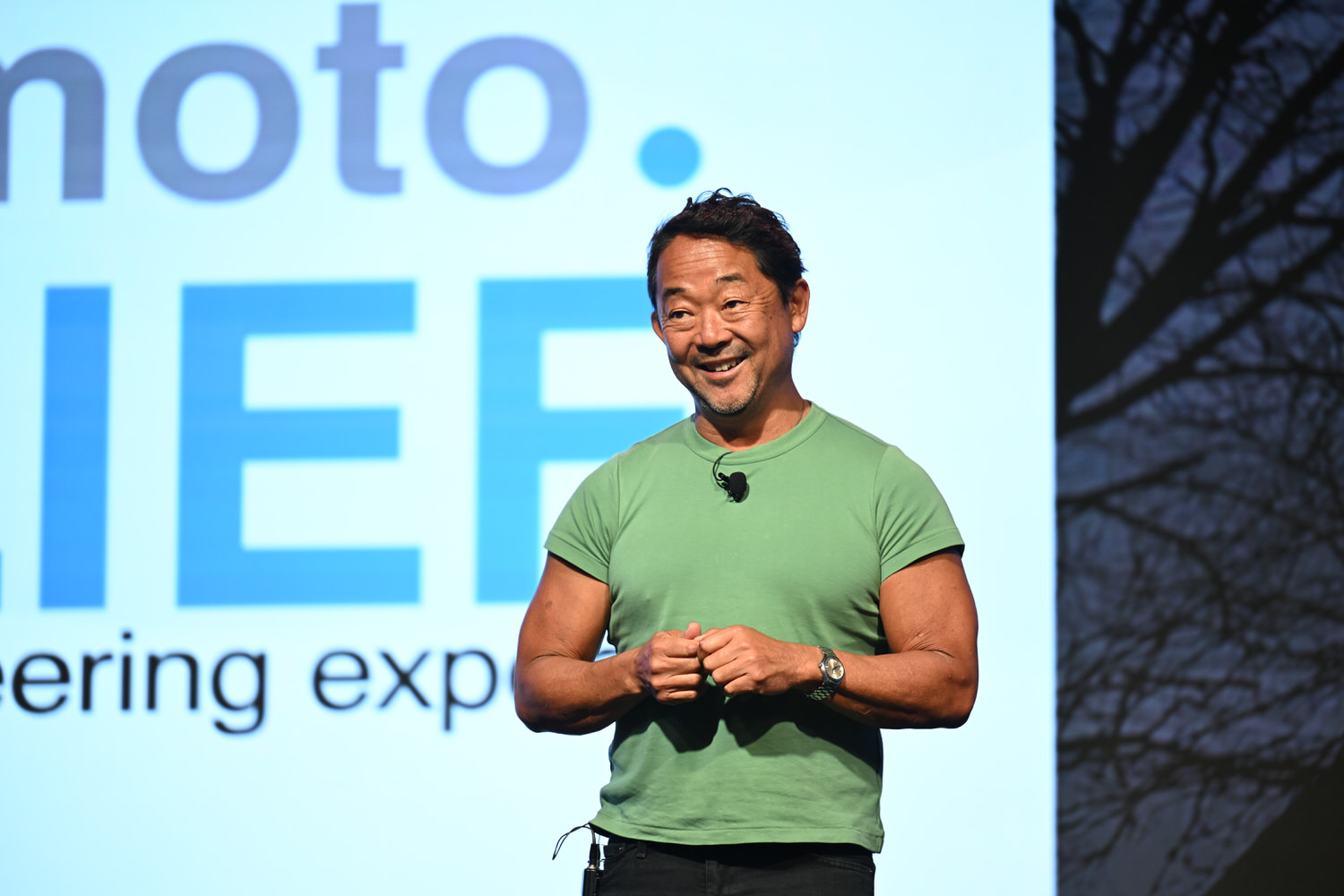
Conferences require someone who can read the room and disappear when necessary. Activations need a photographer who understands the brand well enough to frame the experience, not just document it. Dallas, Fort Worth, and available for travel.
Planning an event that needs to look the part? Email david@davidloistudios.com


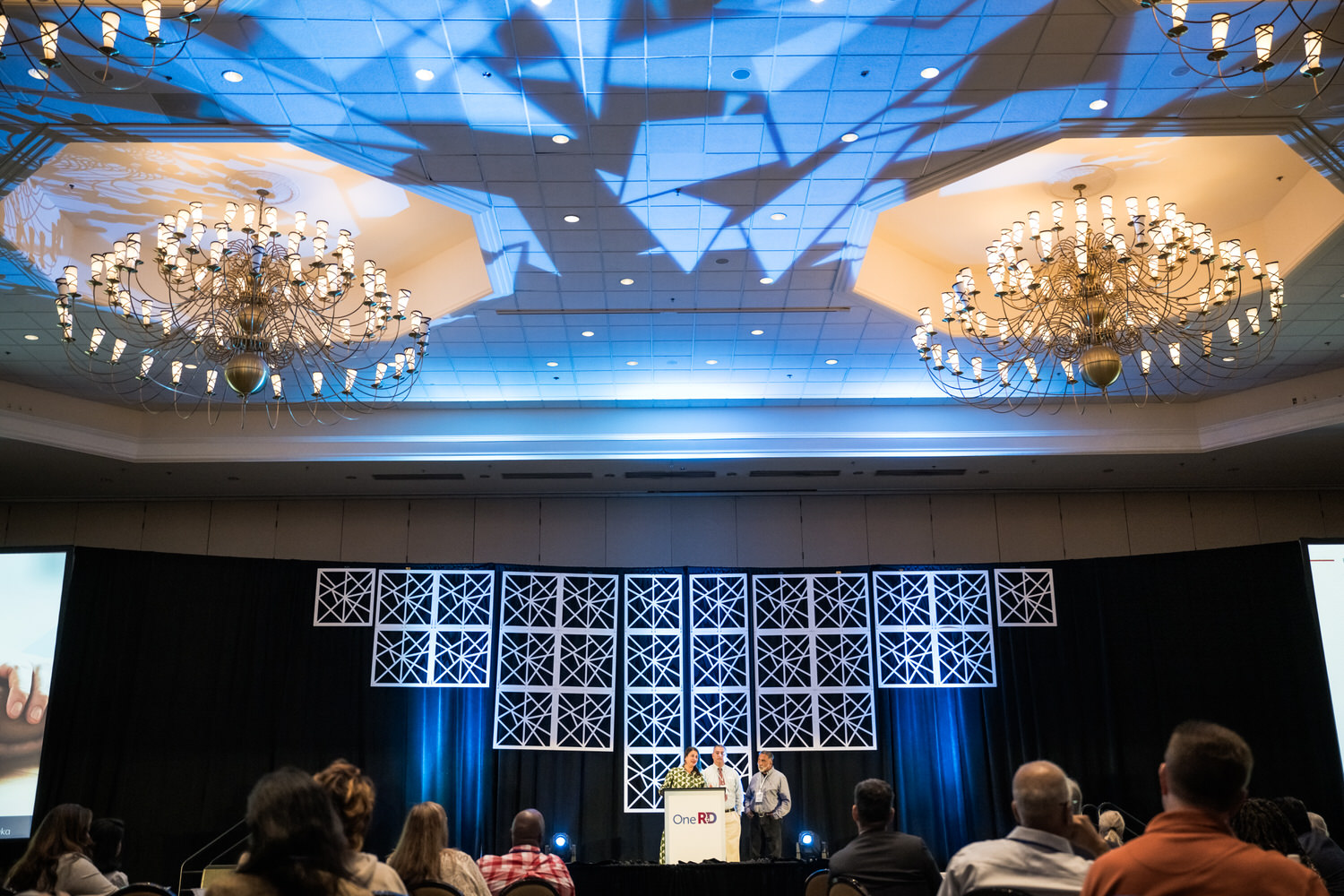
David Loi Studios: Elite Event Production & Conference Headshots
📍 Dallas-Based Commercial Production | Serving the National Conference Circuit
David Loi Studios is a premier Dallas-based photography and videography studio dedicated to capturing the essence, energy, and objective of every gathering. In a visual-first world, high-quality imagery is no longer a luxury; it is the cornerstone of brand identity, marketing longevity, and corporate storytelling.
While many studios specialize in a single niche, David Loi Studios prides itself on technical versatility and artistic adaptability. We provide a full-scale, professional studio experience directly to your conference floor, blending artistic excellence with high-volume logistics.
Conference Headshot Activations
We understand that in a convention setting, time is the most valuable commodity. Our hallmark is a sophisticated, streamlined workflow engineered to eliminate bottlenecks typically associated with event photography. By utilizing advanced tethered capture systems and instant digital viewing stations, we ensure a seamless transition from the "hot seat" to the final gallery.
This infrastructure allows us to maintain a rigorous pace, capturing and processing up to 300 guests per day without sacrificing individualized attention. A headshot booth acts as a natural magnet, drawing consistent traffic and providing sponsors with unique opportunities for networking and lead generation.
1. Corporate & Civic Leadership
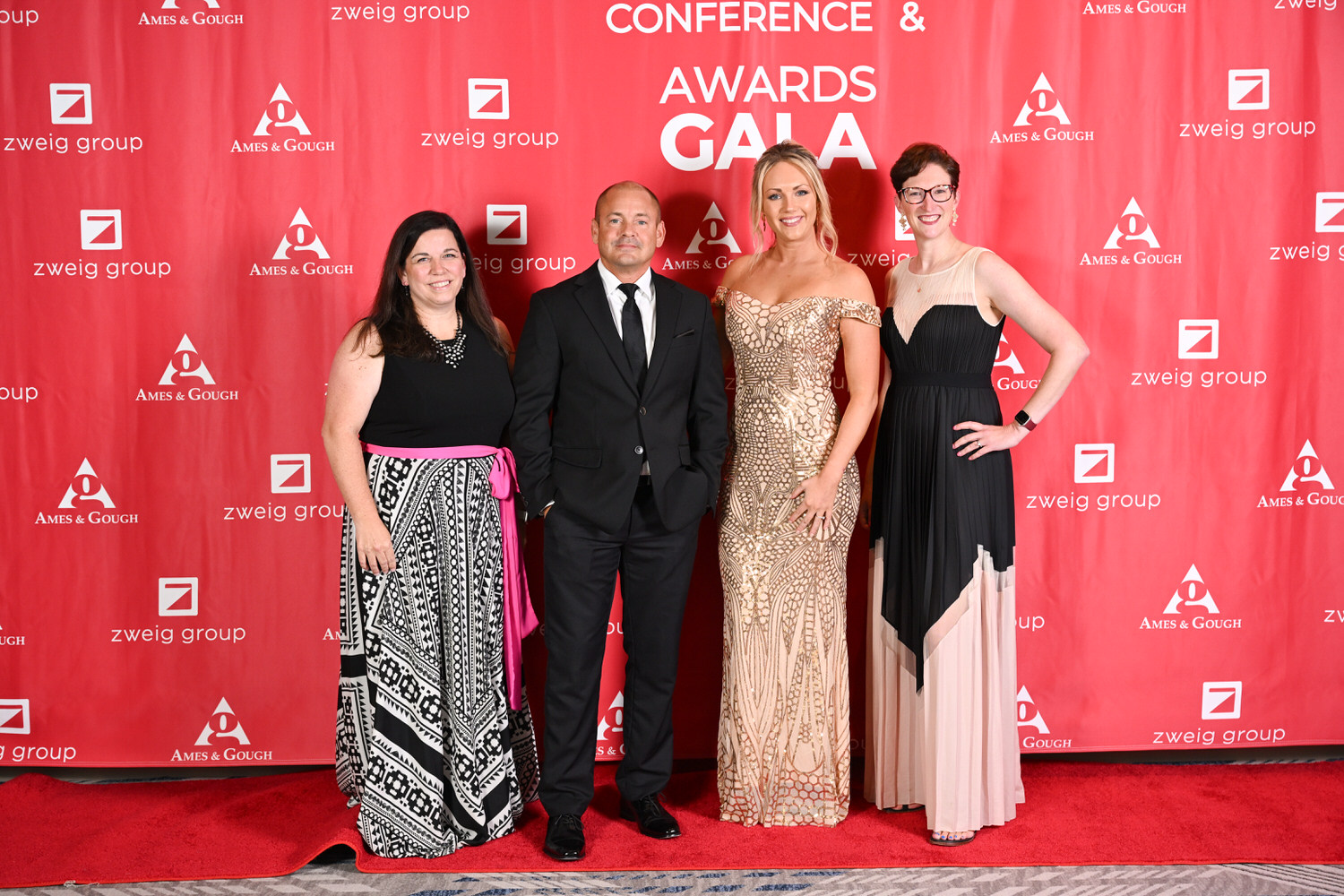
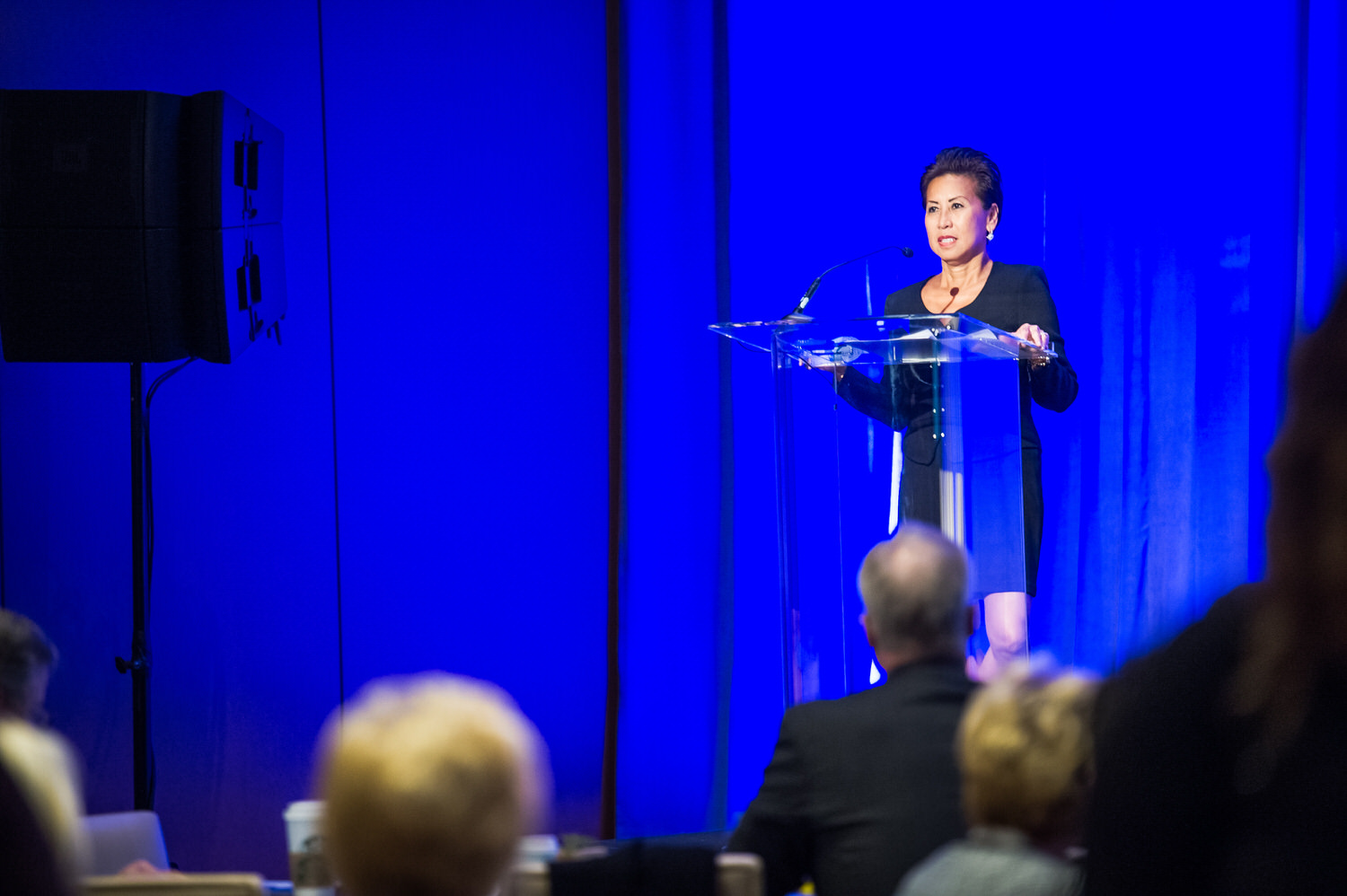
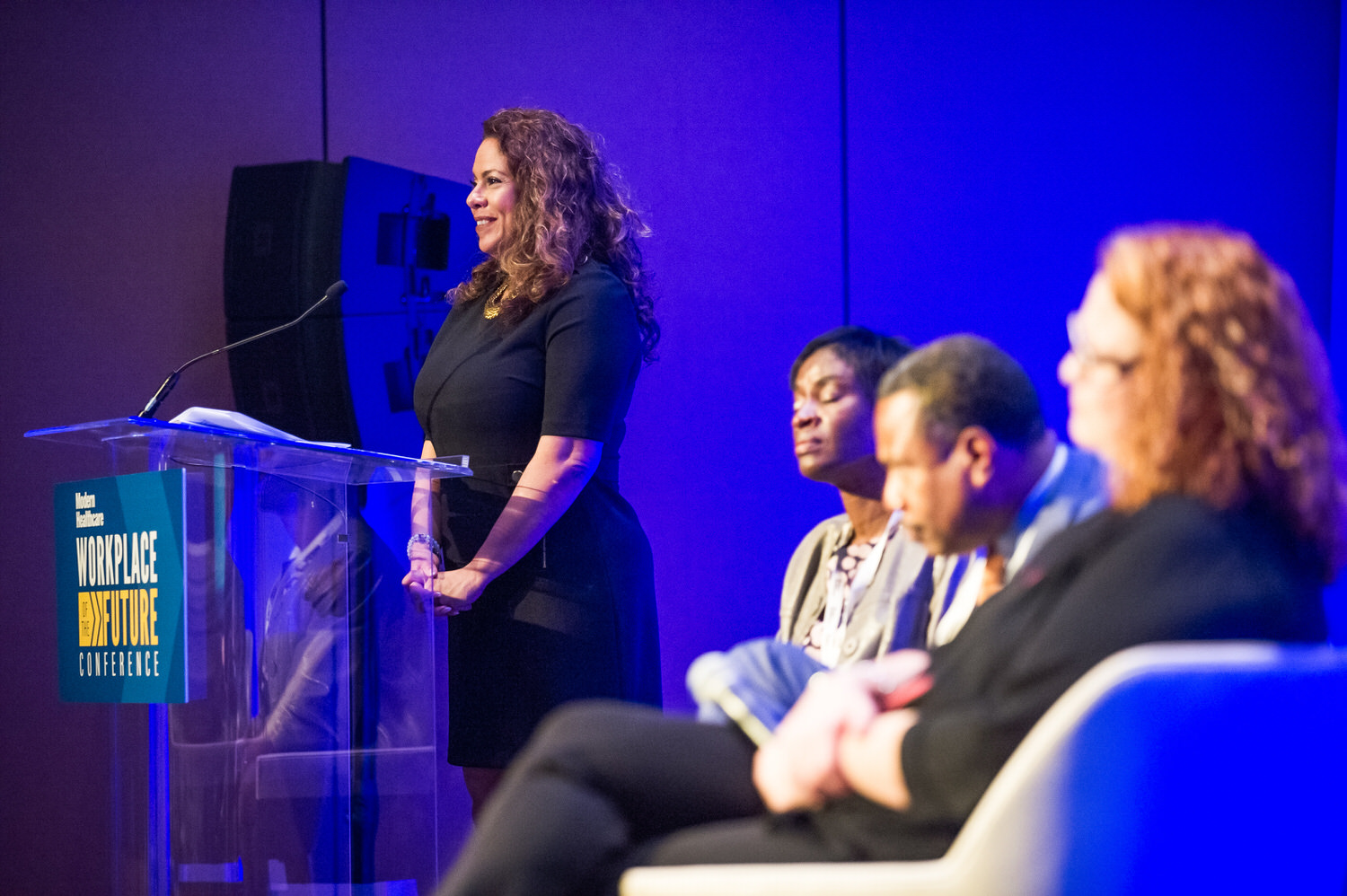
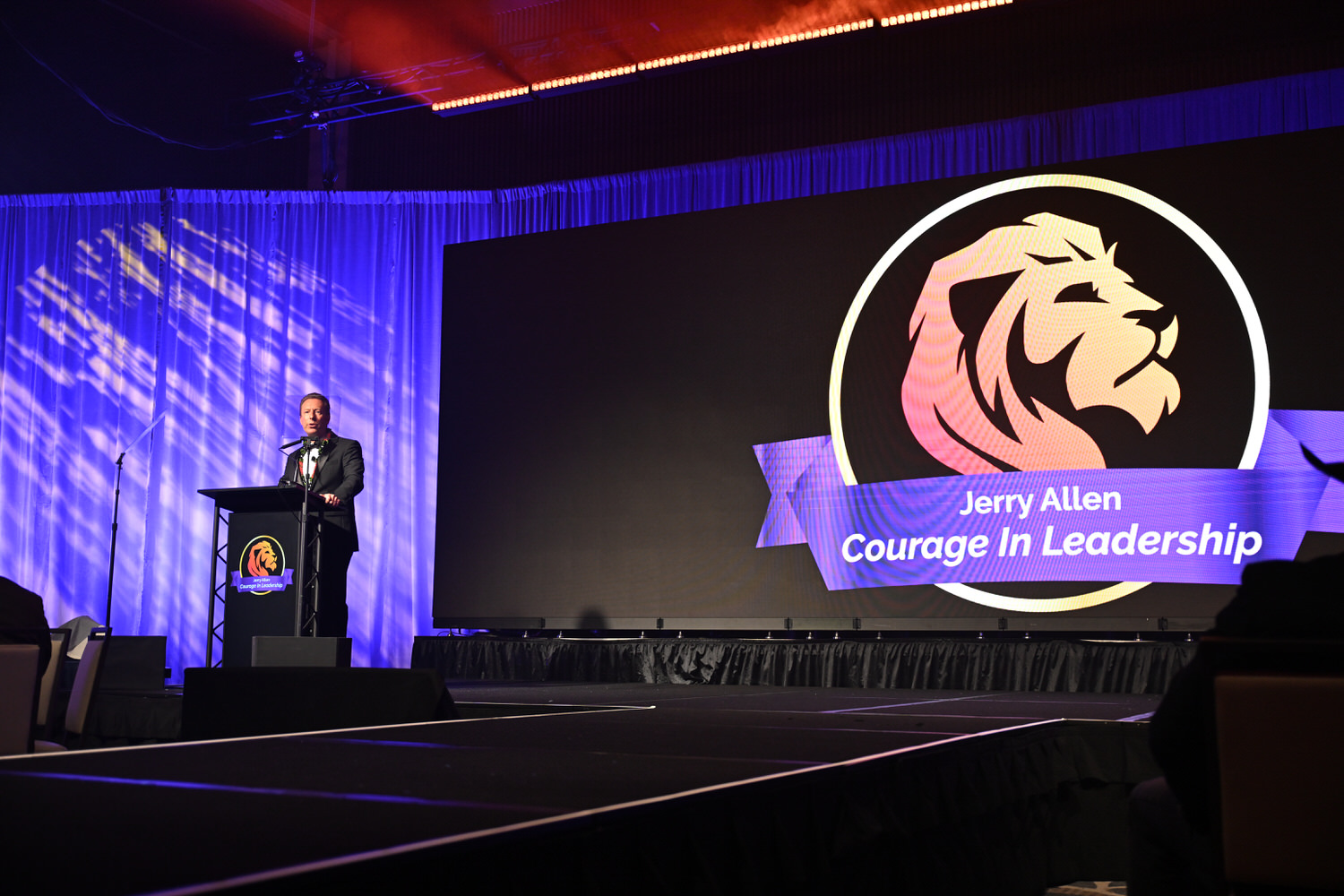
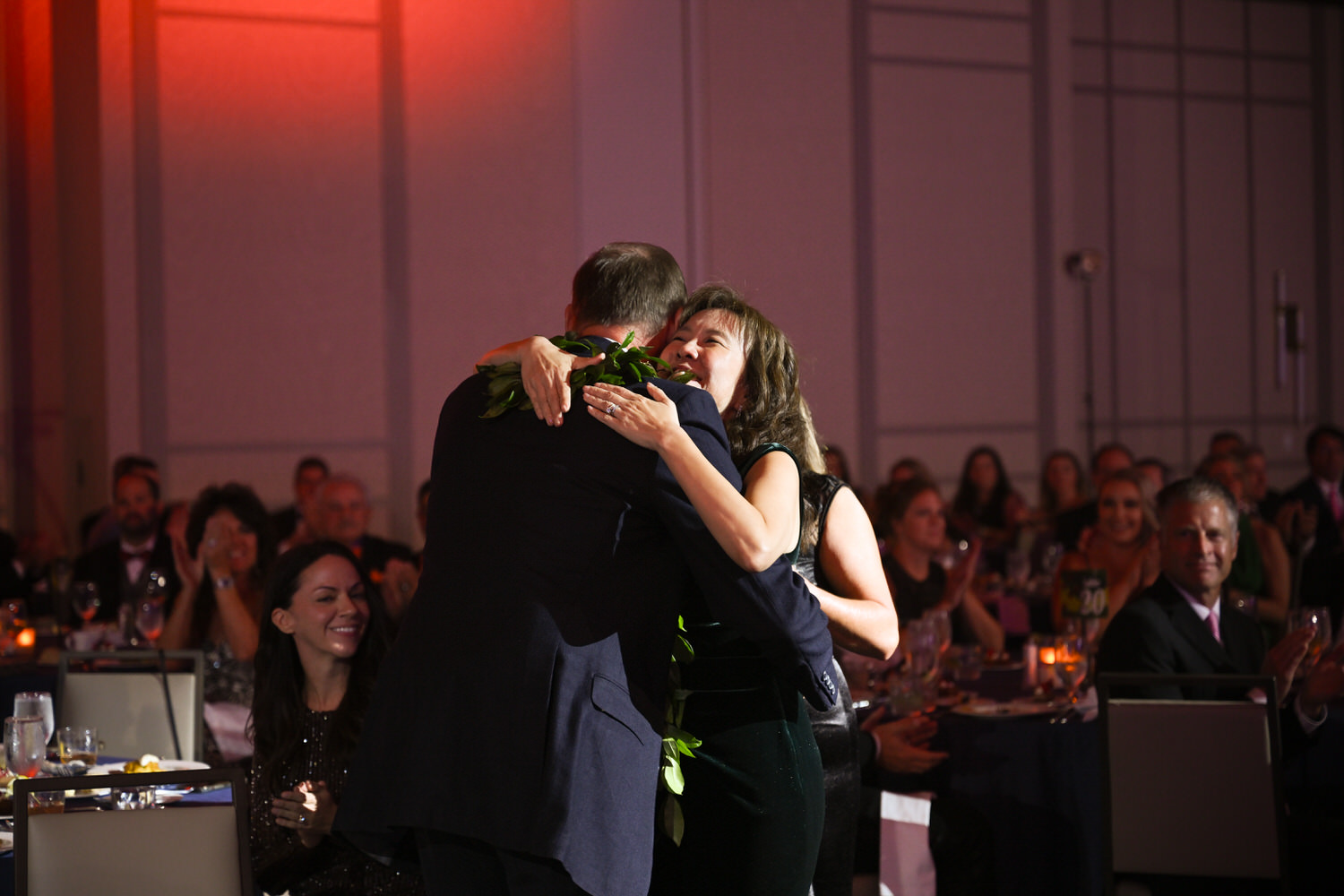
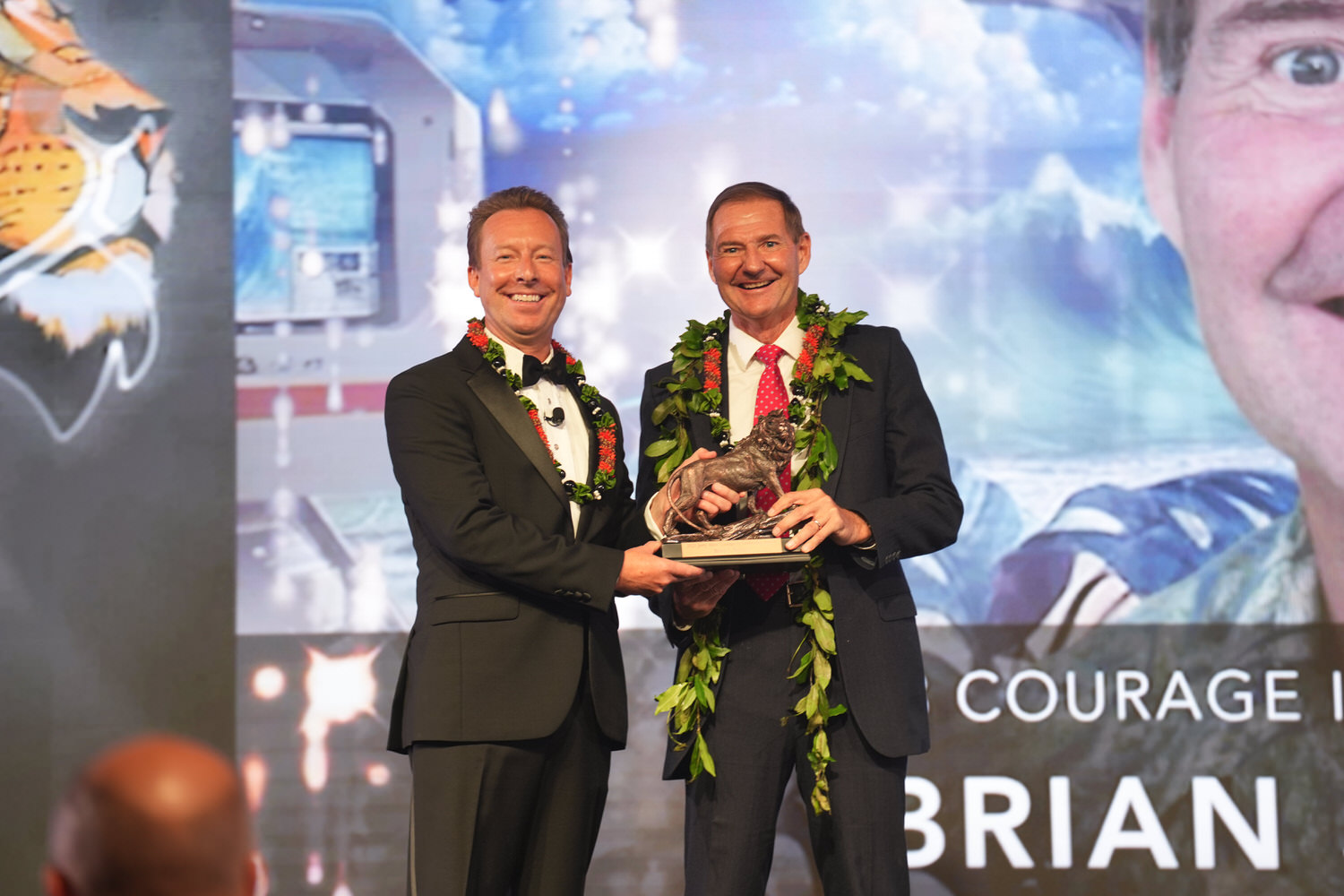
From keynote summits to political town halls, we document the relationship between leadership and the public. This includes subtle, documentary-style coverage of board meetings, executive retreats, and award galas, ensuring professional excellence is reflected in every frame.
2. Commercial & Brand Events
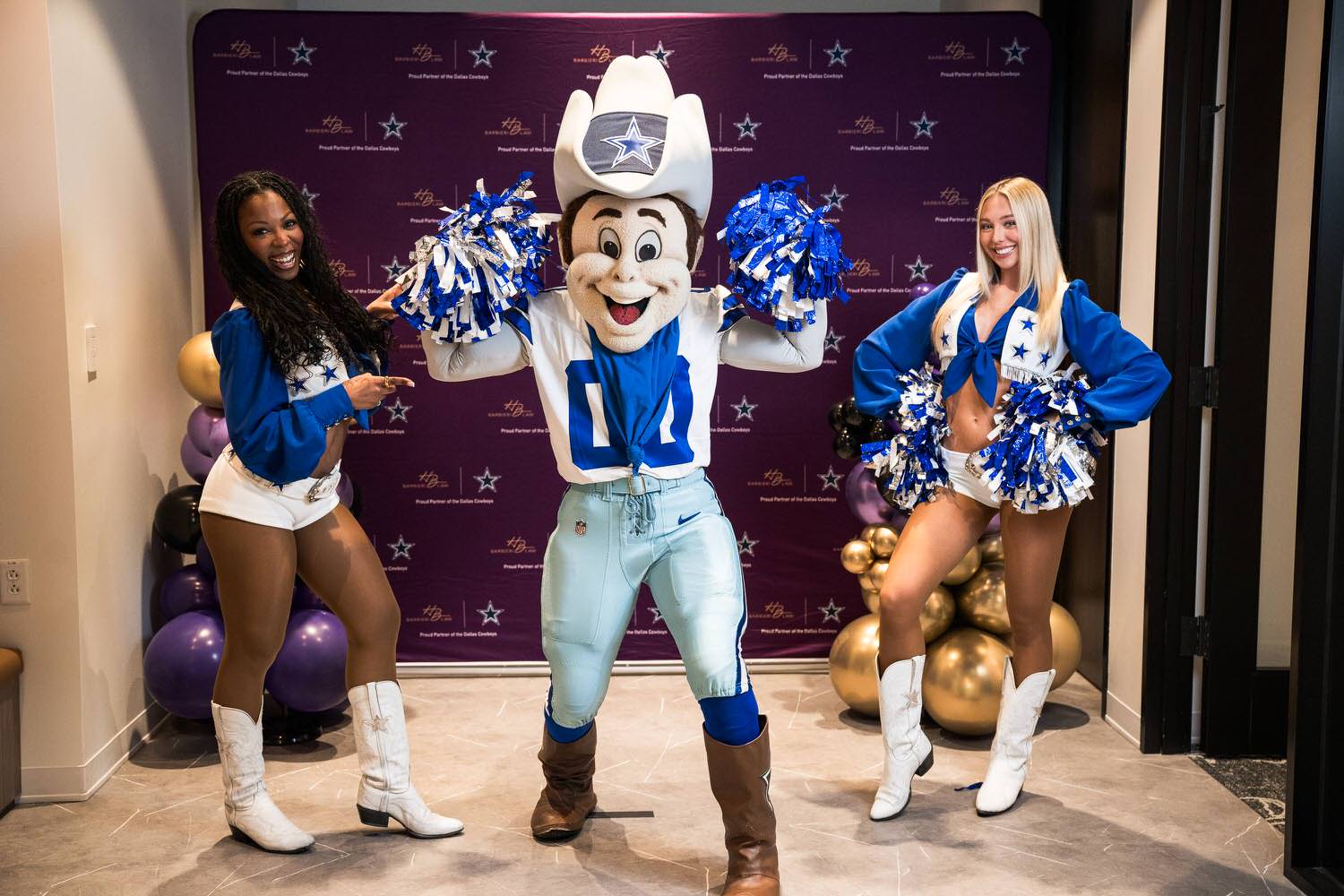
For businesses looking to launch a product or celebrate a milestone, our coverage focuses on the intersection of the consumer and the brand. This includes product launches, grand openings, and pop-up shops designed for social media momentum.
3. Marketing & Experiential Activations
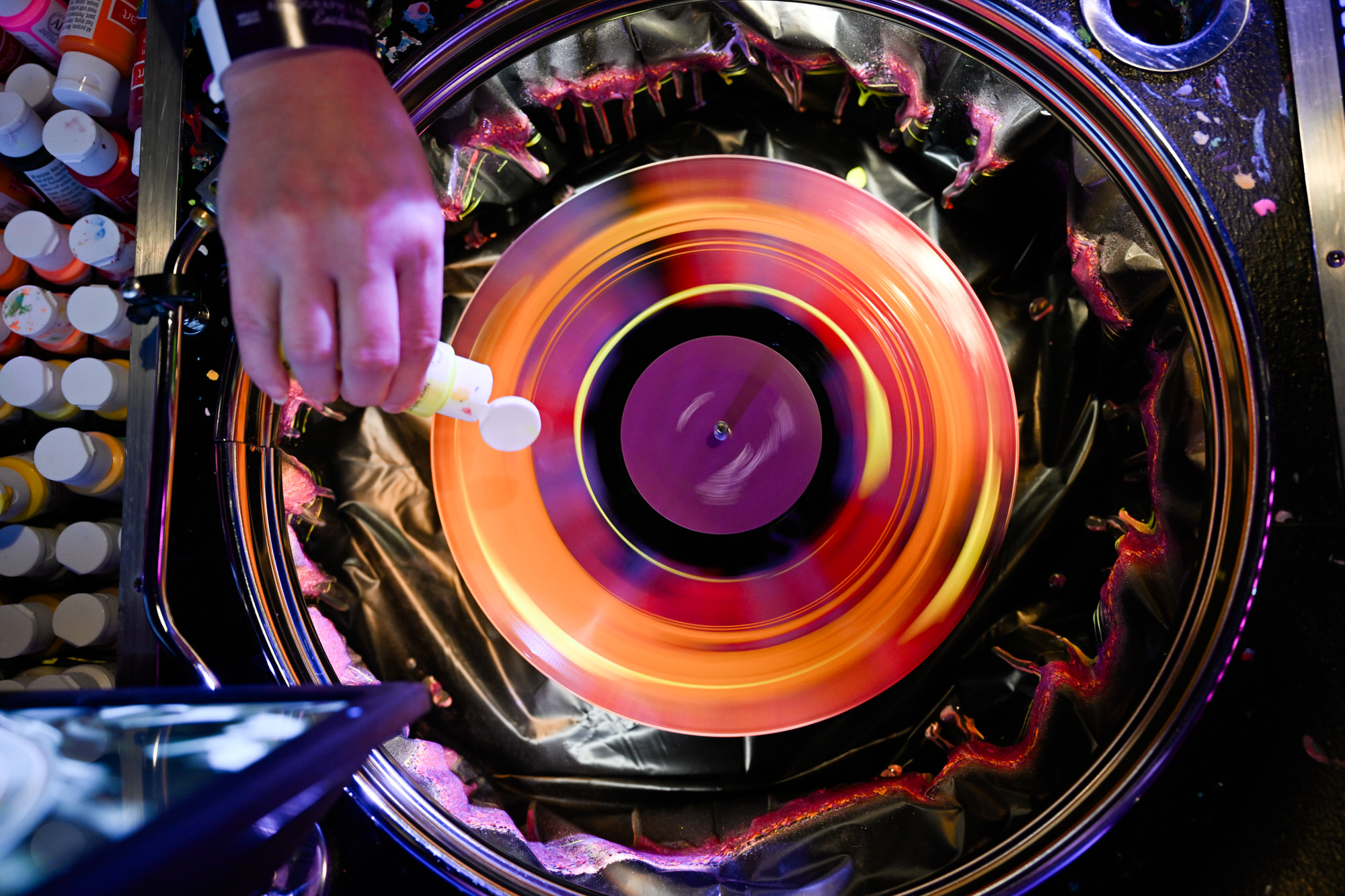
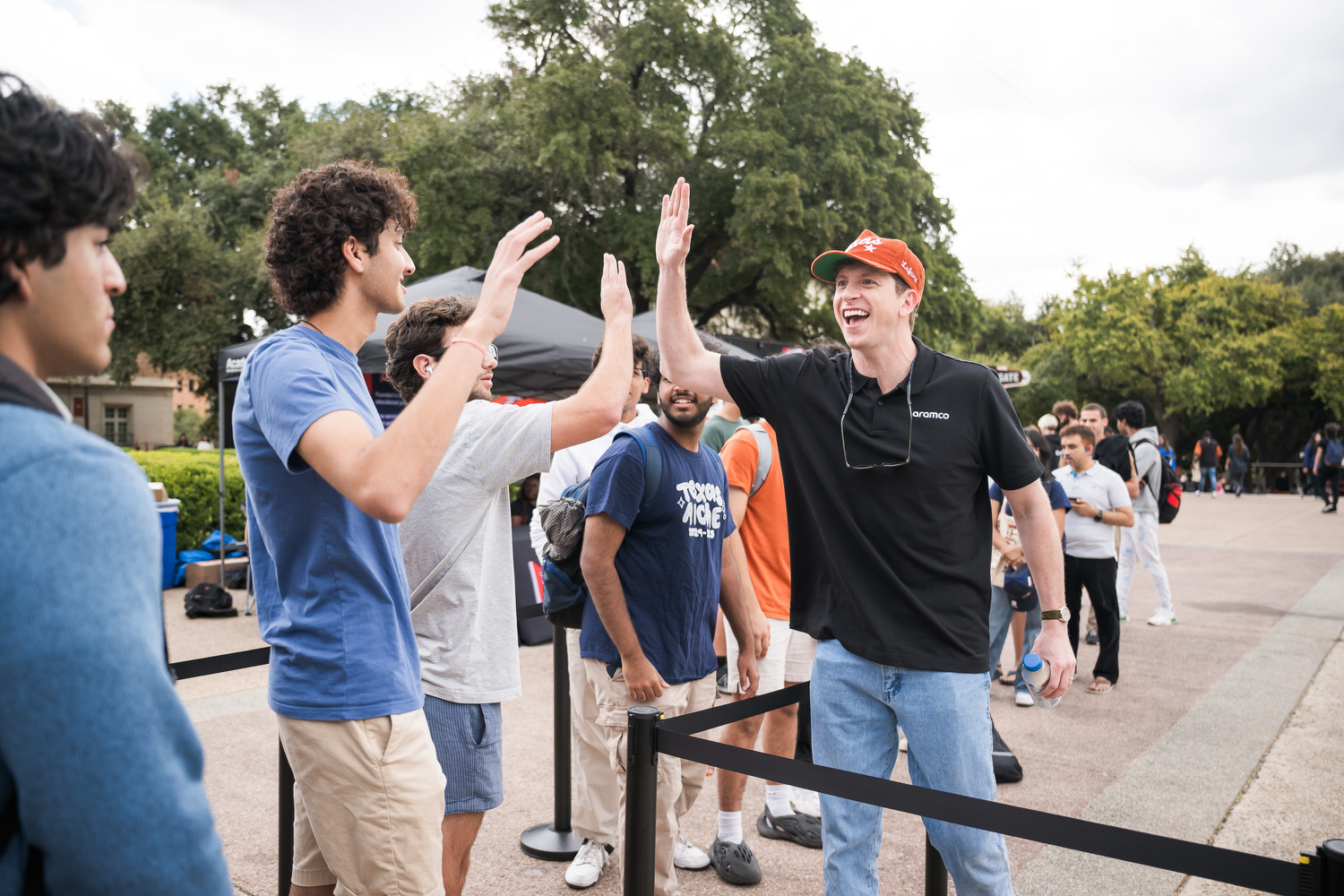
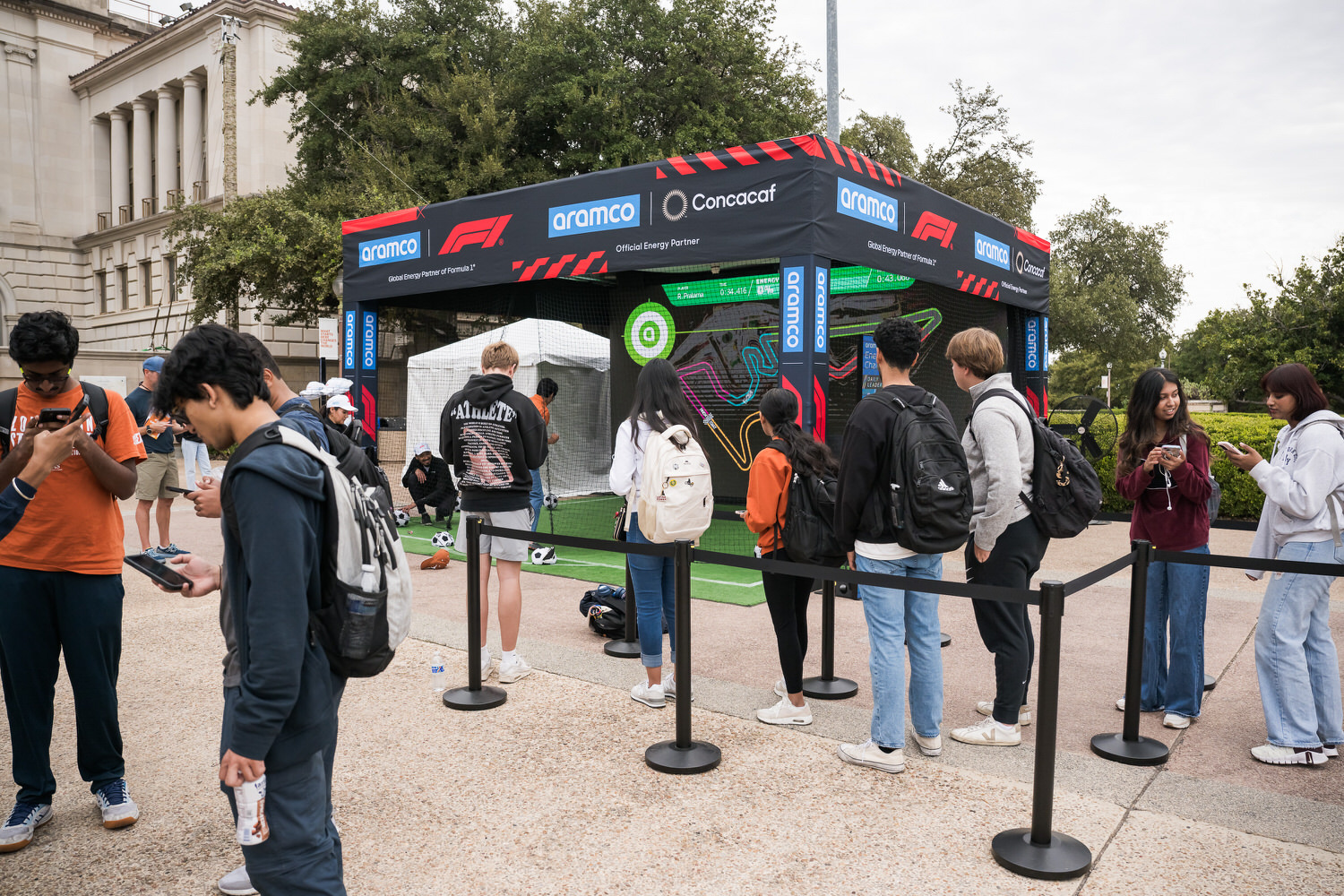
In the age of "Instagrammable" moments, we provide the high-resolution assets needed to sustain digital marketing campaigns. We document how attendees interact with your brand's physical installations and trade show expos to provide proof of engagement.
4. Specialized Industry Coverage
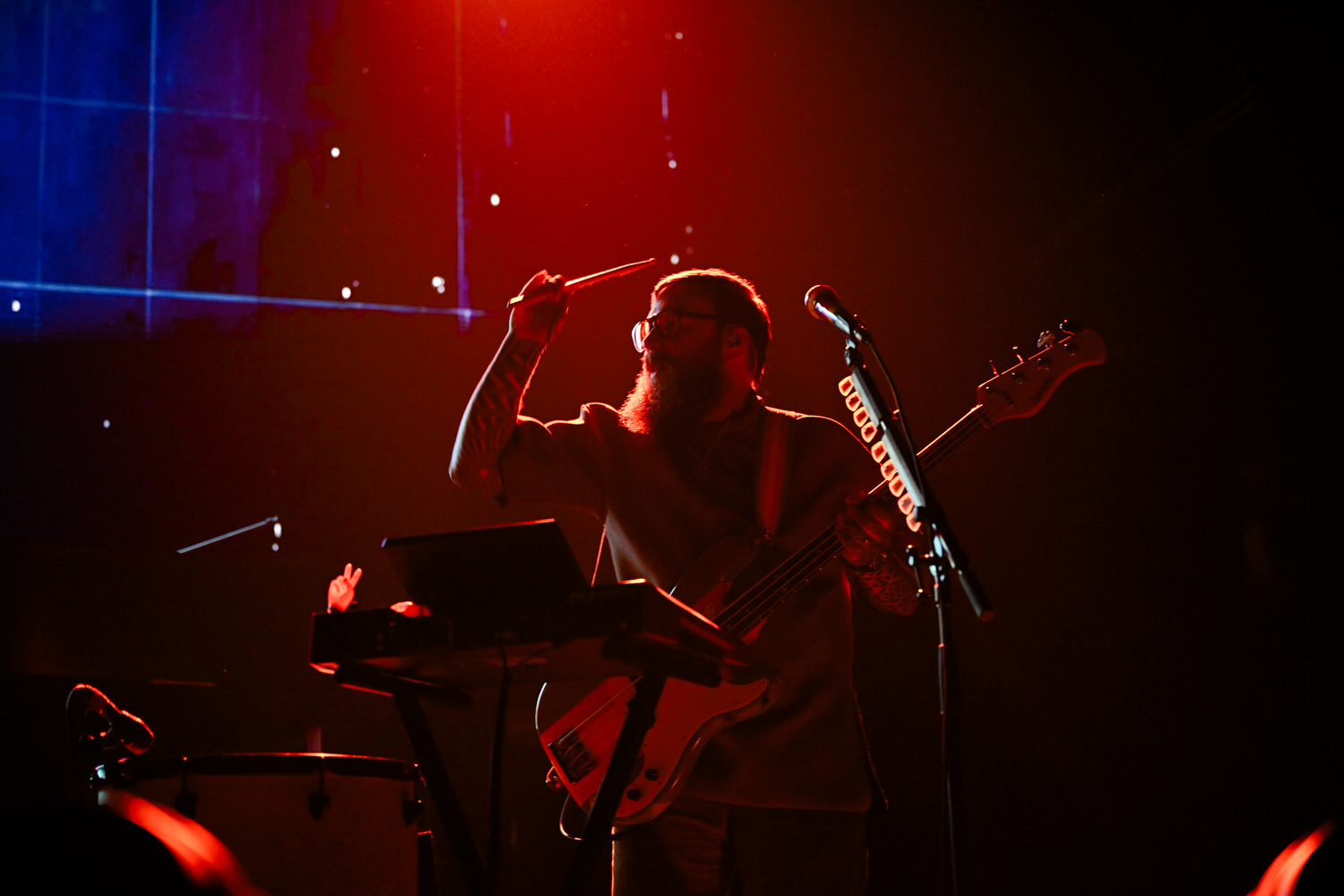
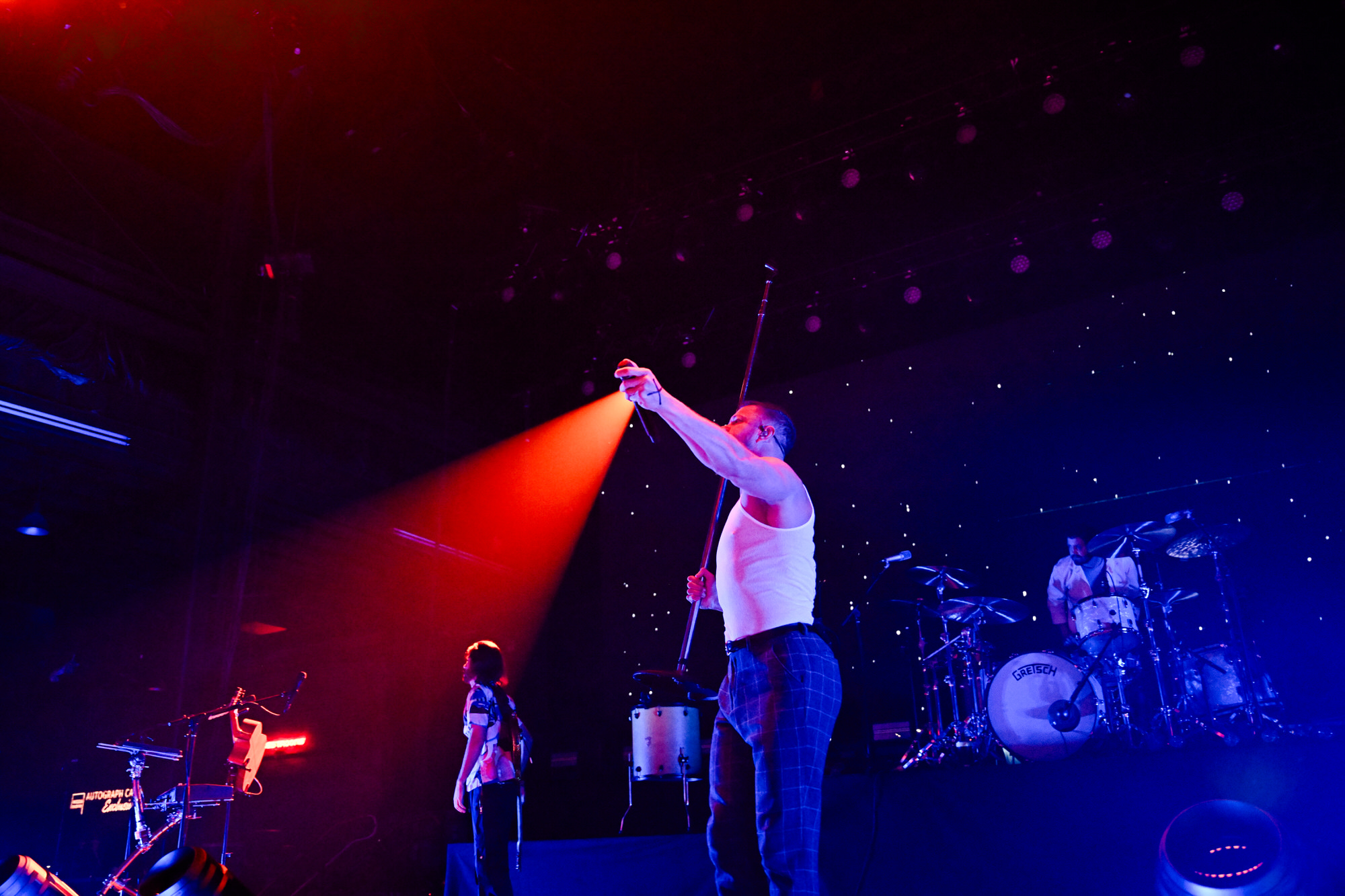
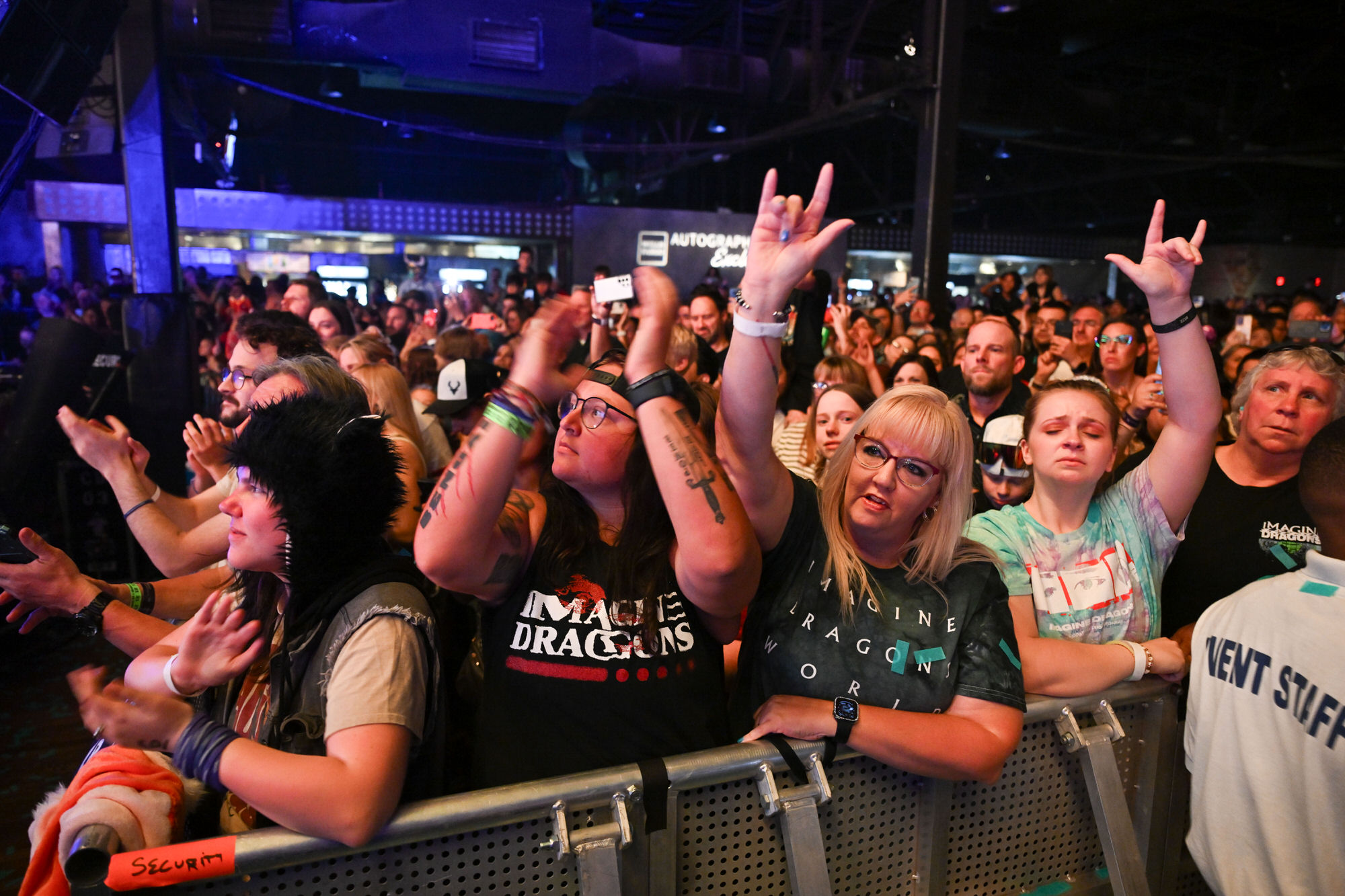
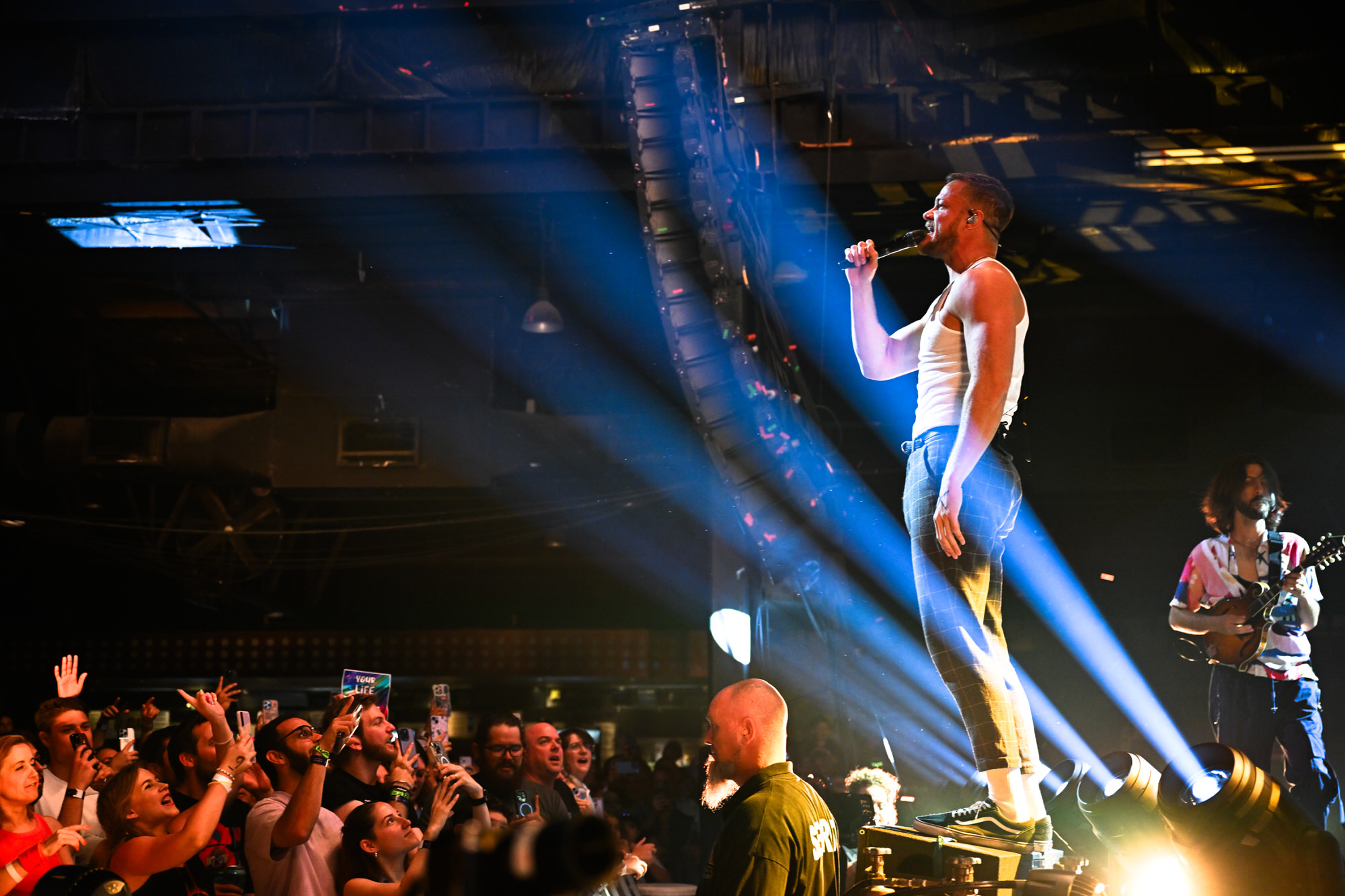
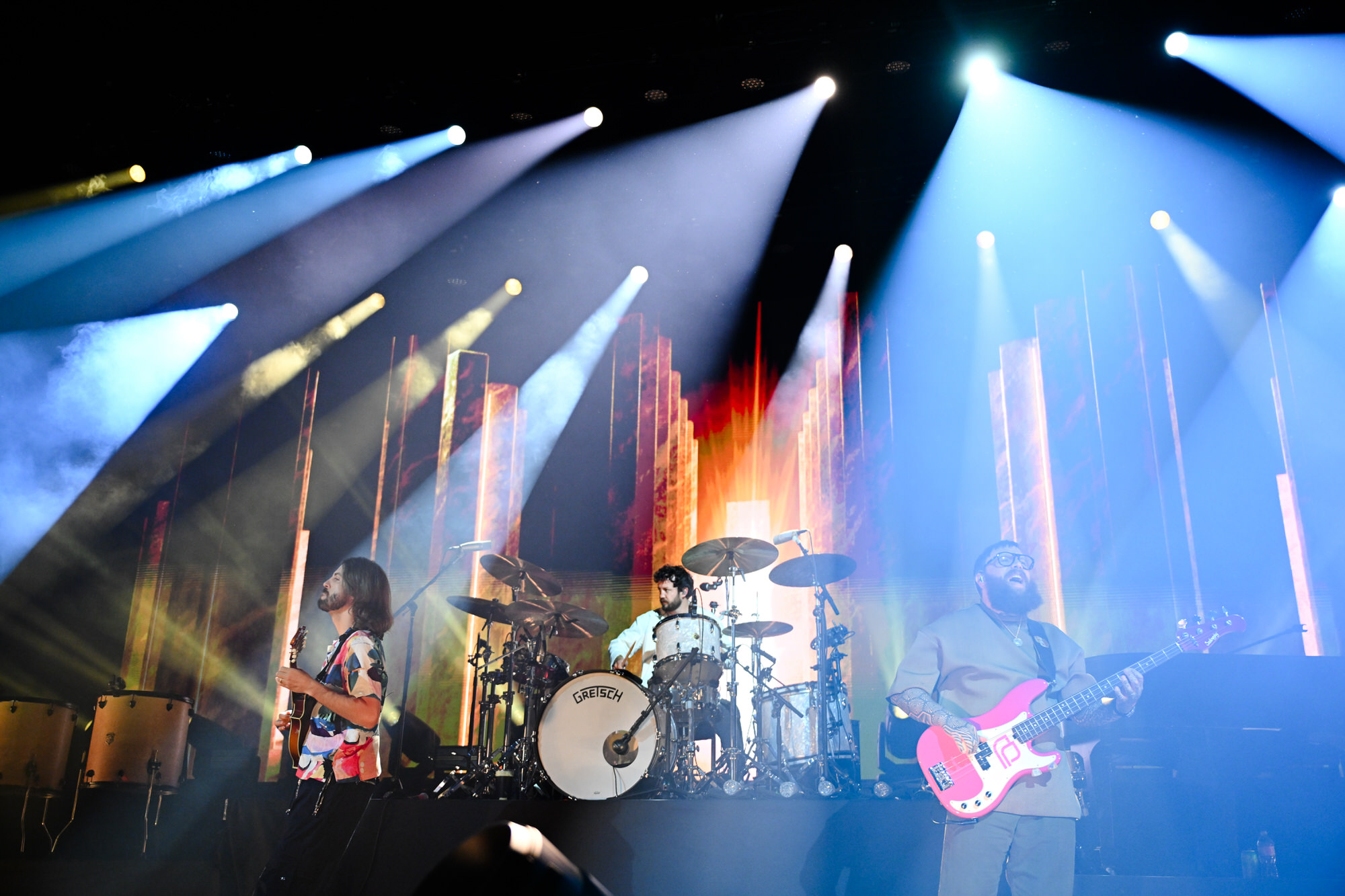
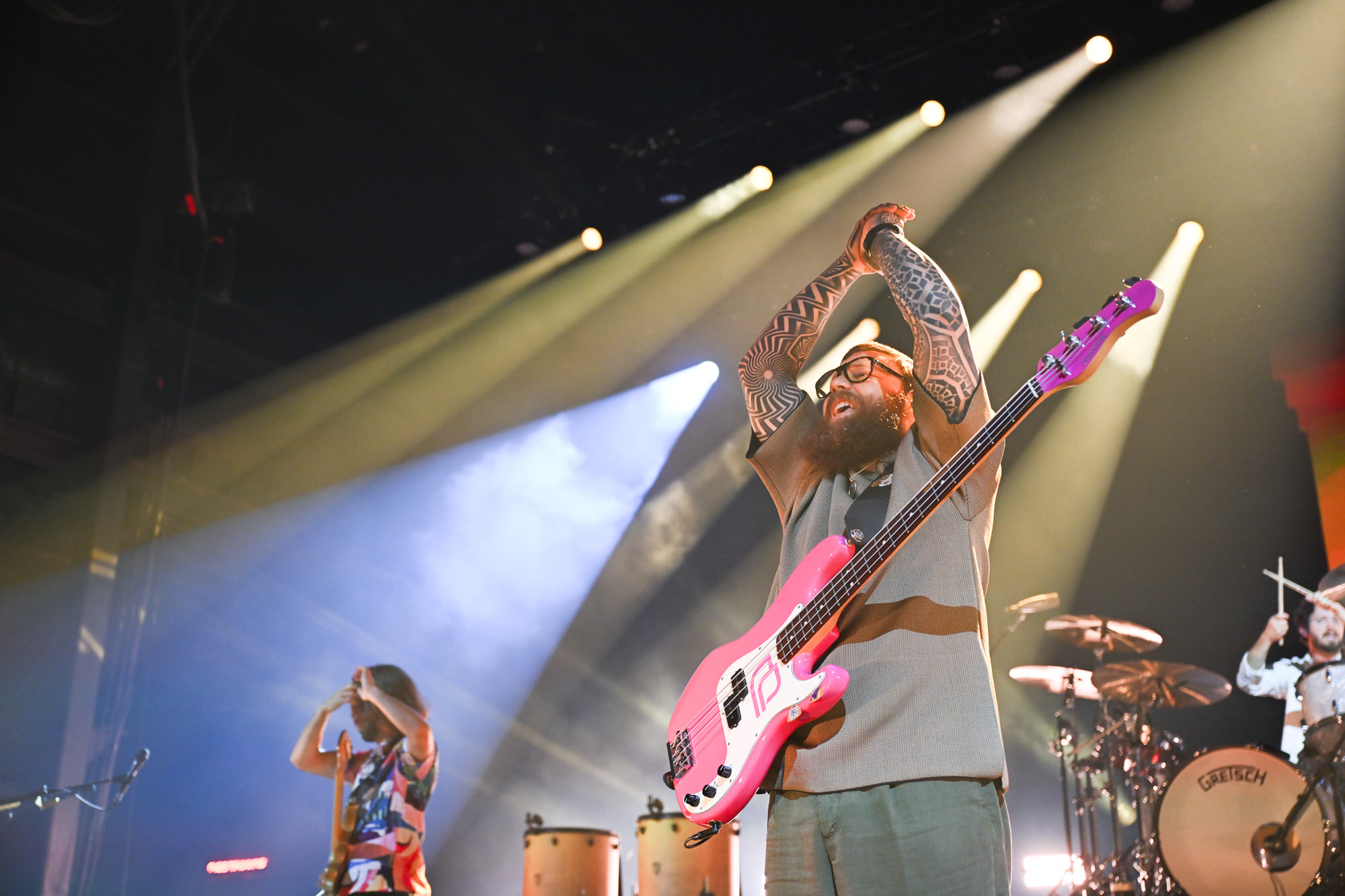
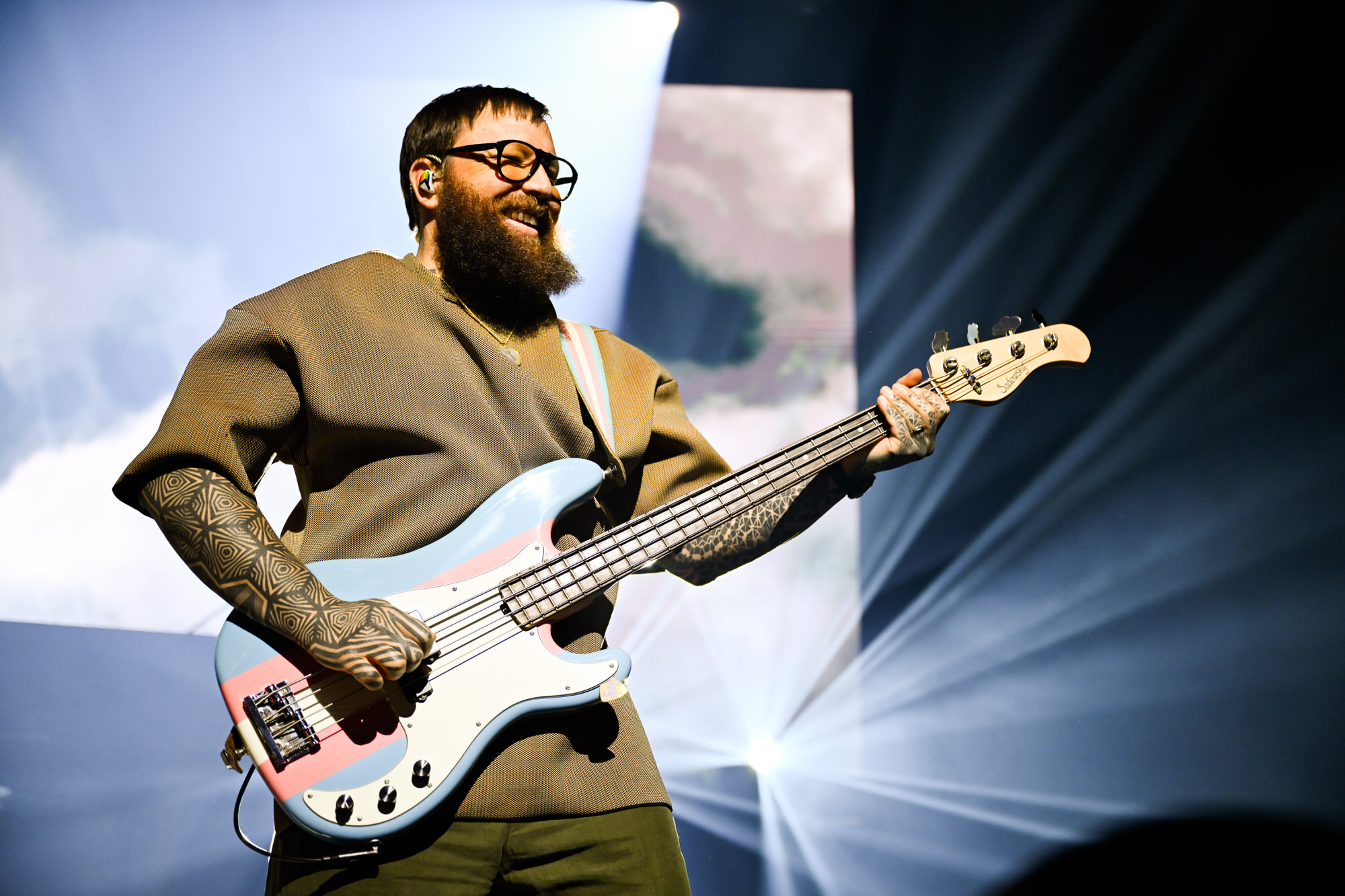
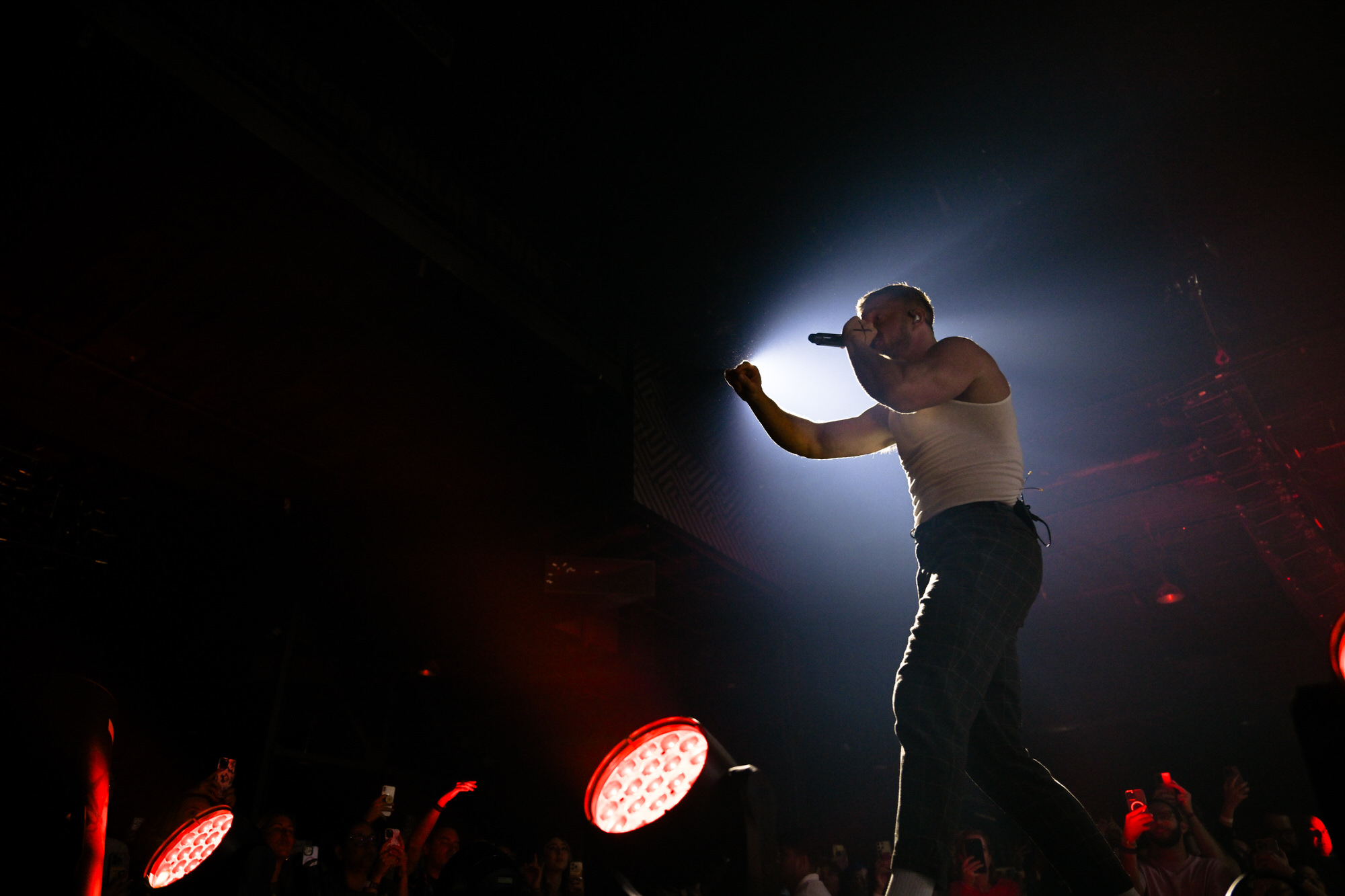
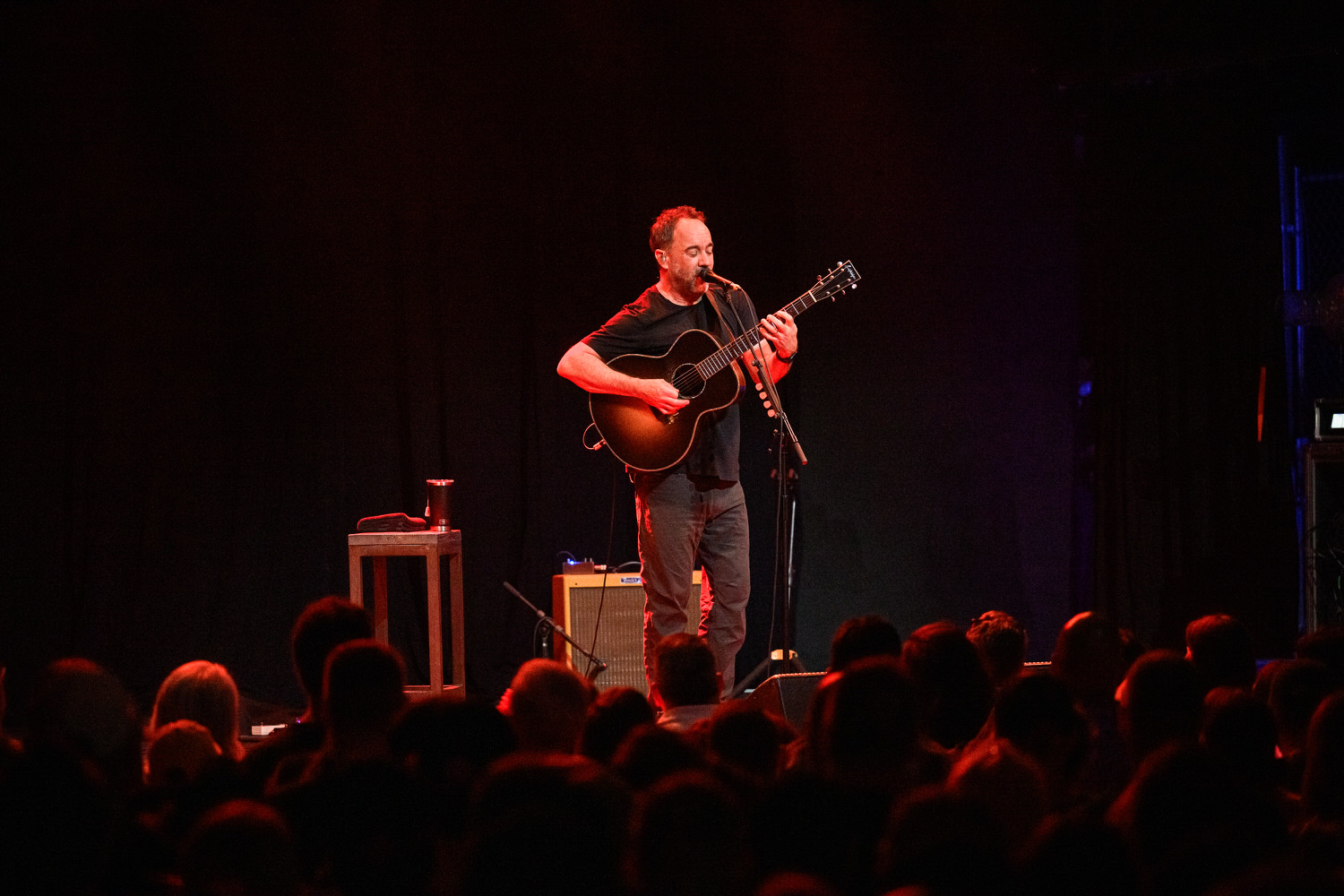
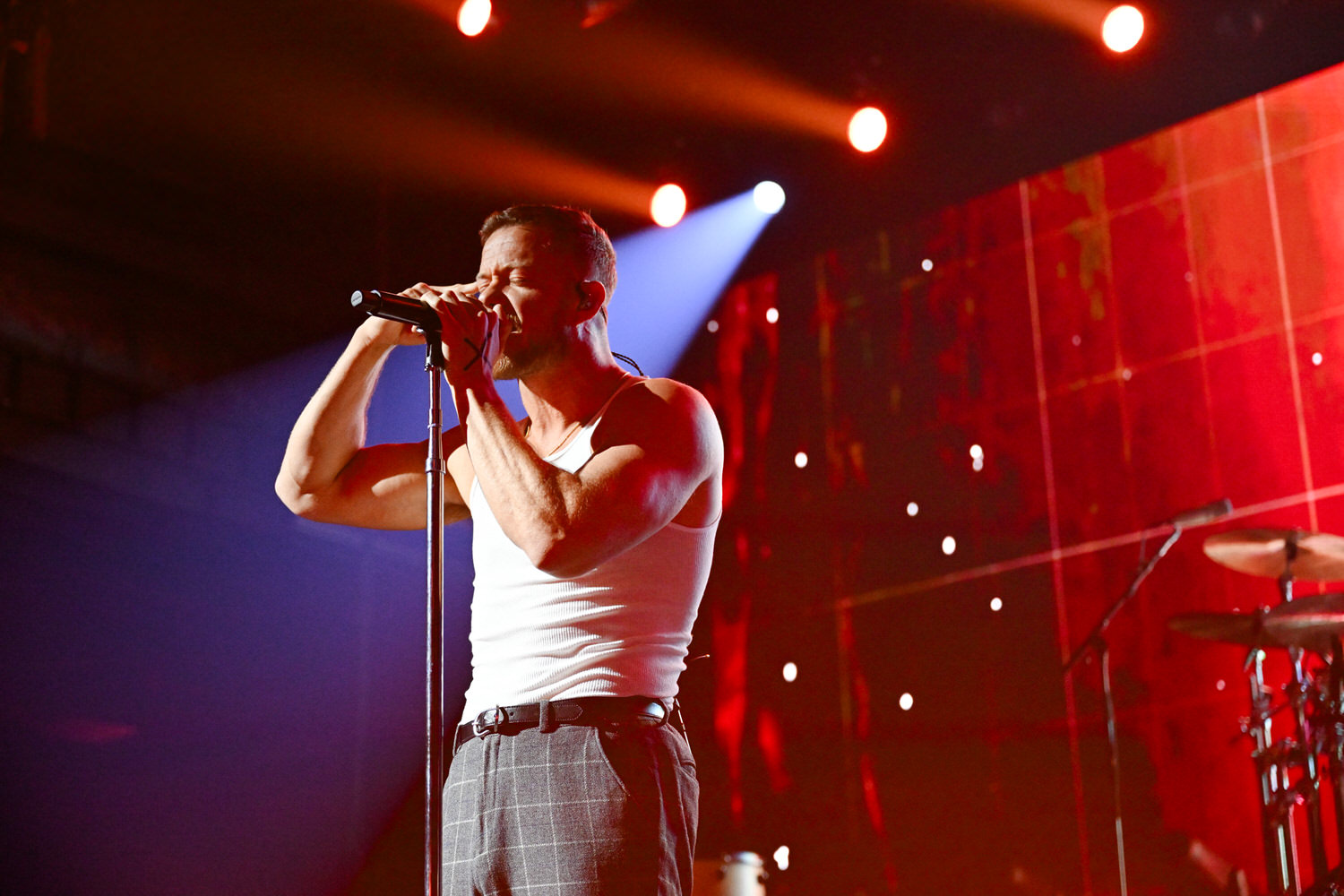
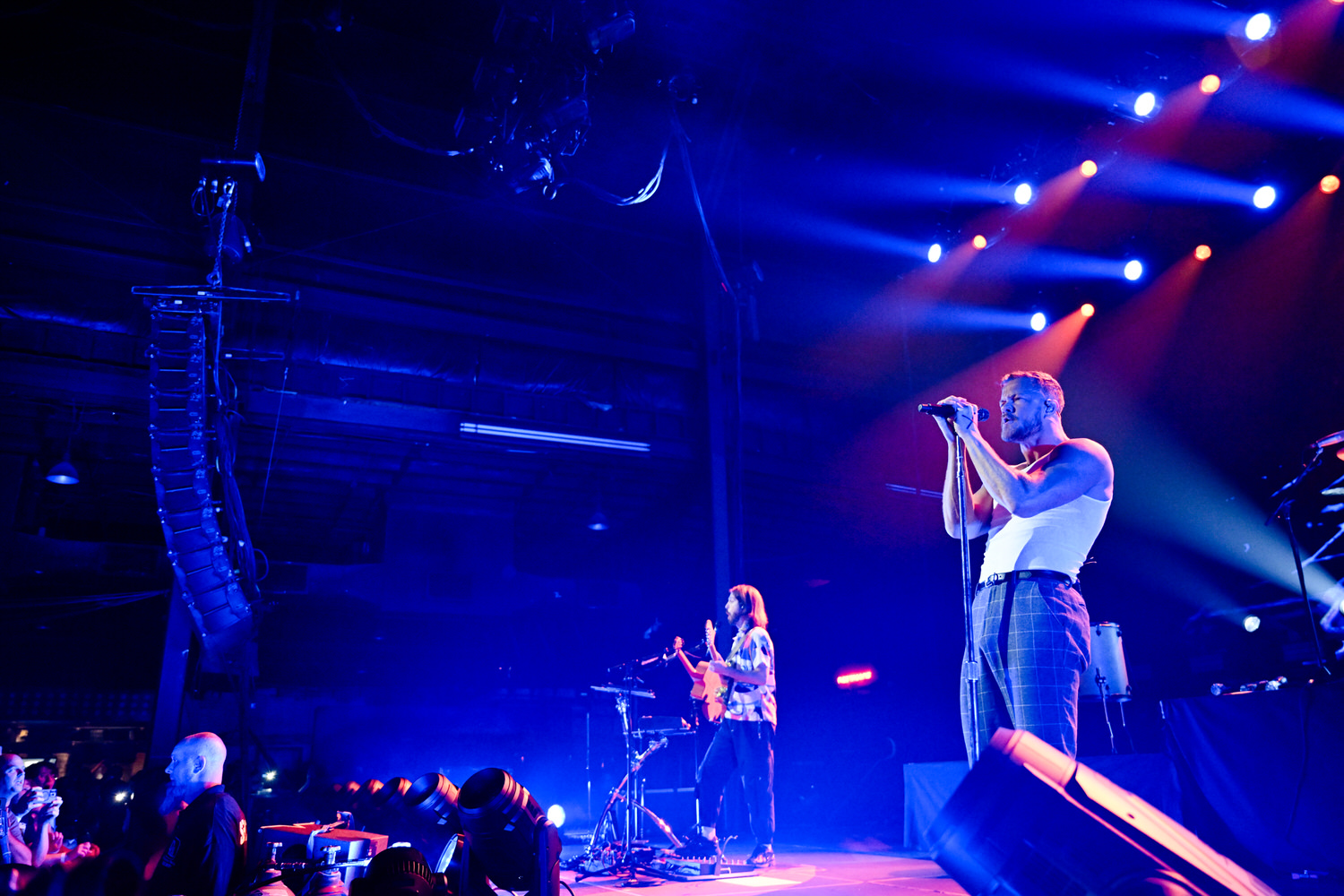
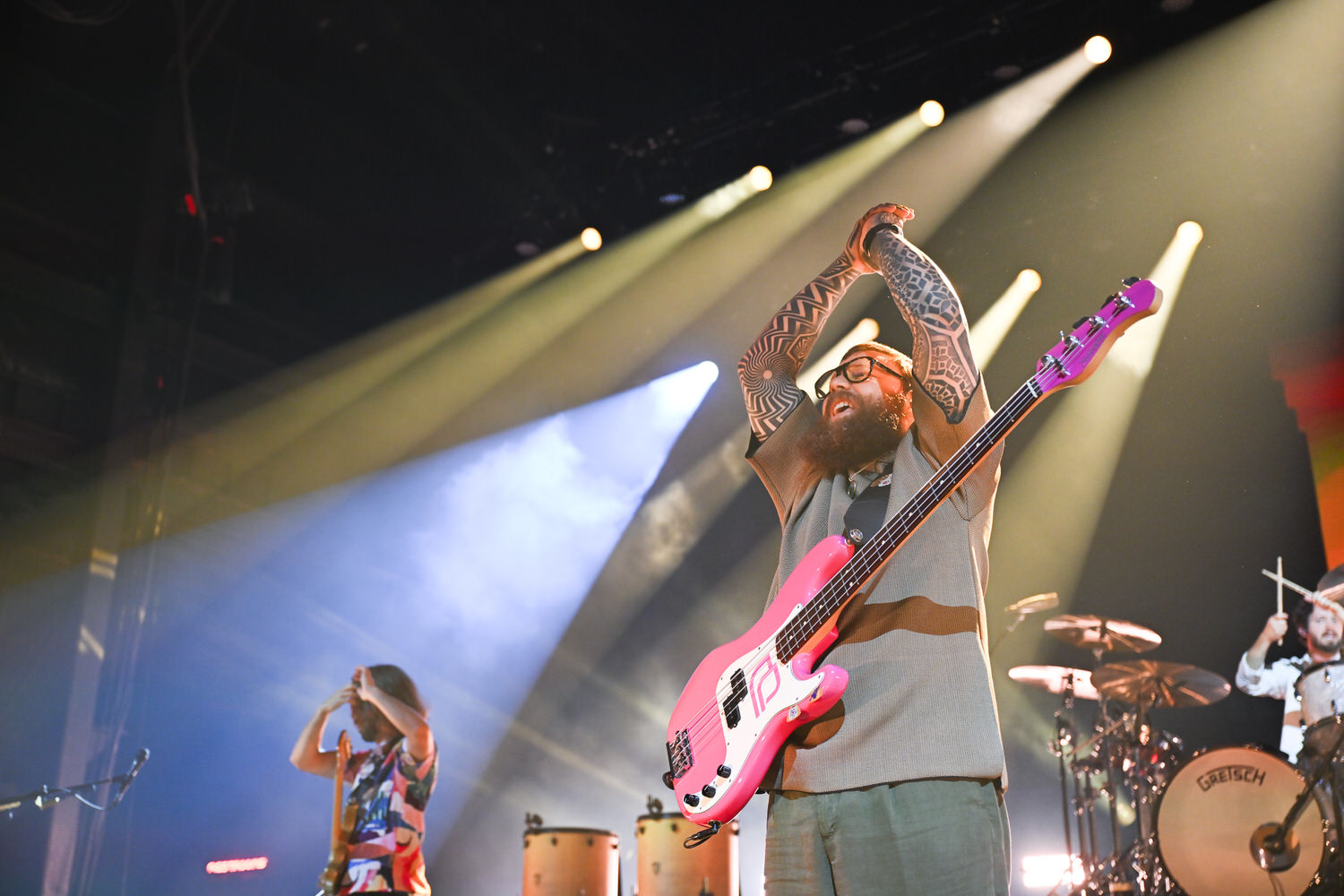
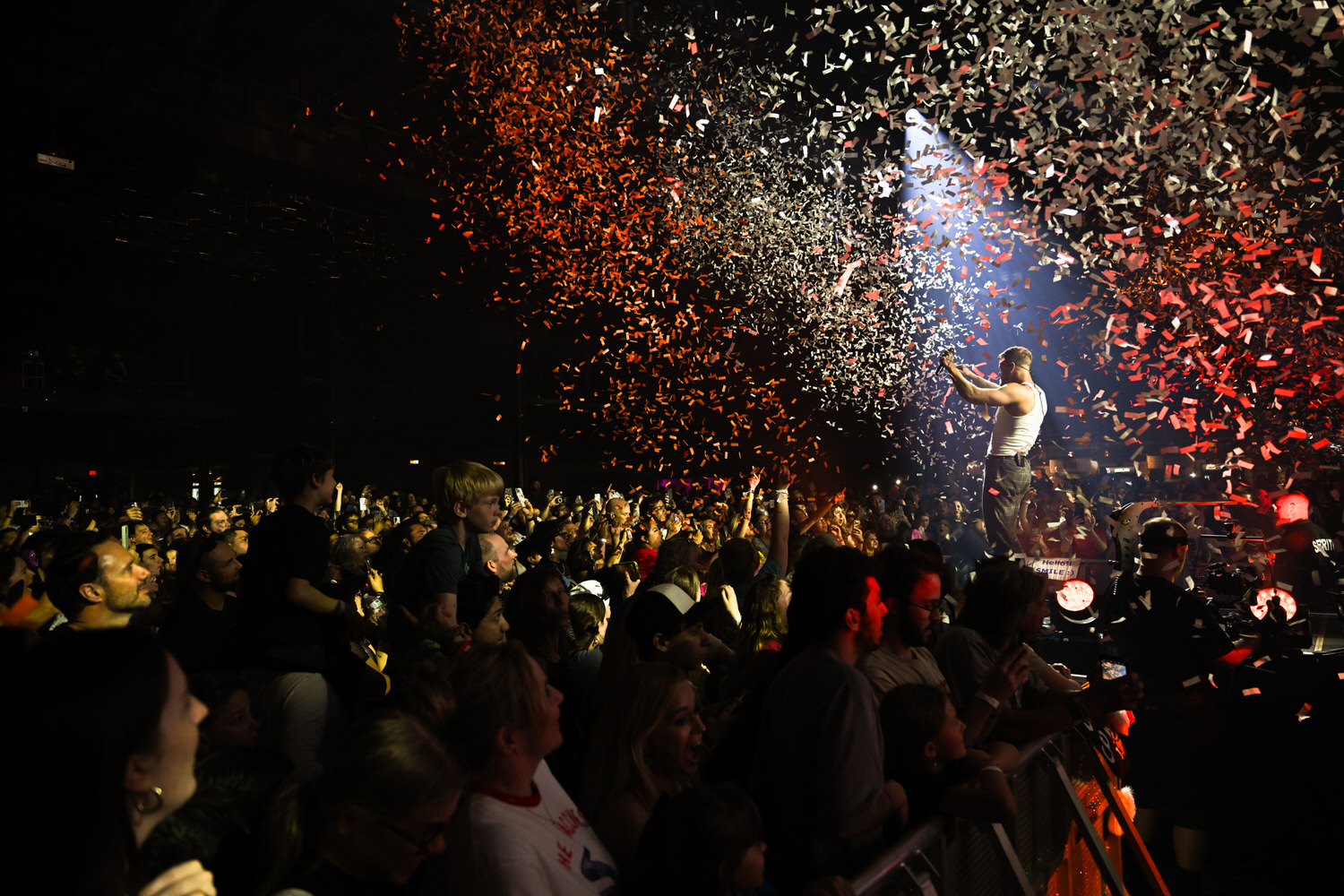
- Entertainment & Performance: Capturing the raw energy of live music, theater, and comedy specials with low-light mastery.
- Tech & Innovation: Documenting the high-stakes energy of hackathons, demo days, and Esports.
- Culinary & Hospitality: Macro-photography of dishes combined with the atmosphere of food and wine festivals.
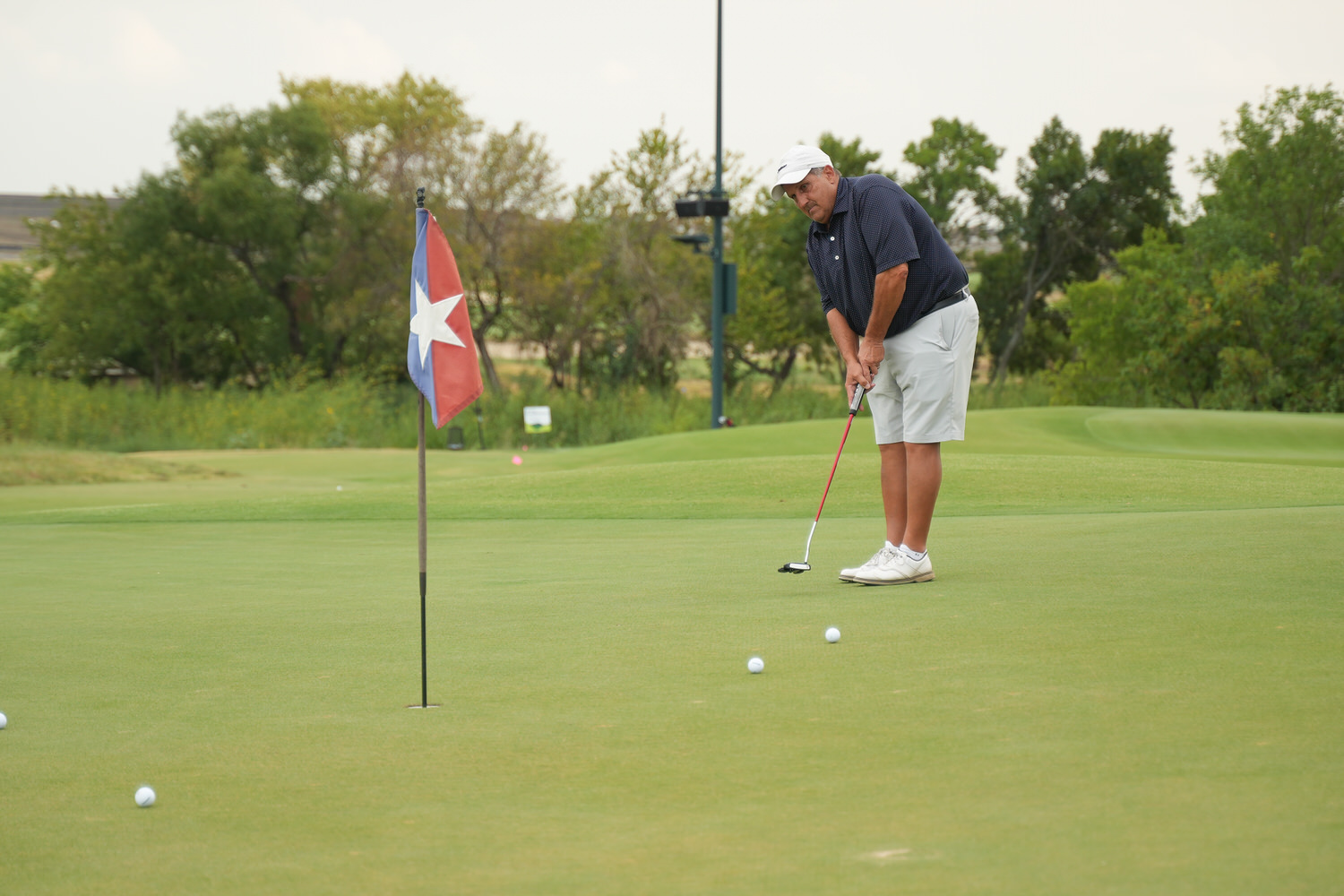
- Academic & Non-Profit: Fundraising galas, charity runs, and commencement ceremonies that showcase impact and community spirit.
Frequently Asked Questions About
Event Photography and Brand Activations
1. What is the primary purpose of corporate event photography?
The main goal is to strategically document live gatherings to produce high-value marketing assets, showcase brand authority, and preserve the return on investment of corporate gatherings. These visual materials serve as versatile tools for future promotional campaigns, investor relations, and internal communications, helping organizations extend the lifespan and impact of their live experiential marketing investments significantly over time.
2. How do brand activations differ from standard event coverage?
Brand activations focus heavily on capturing consumer engagement, interactive product displays, and sponsored environments, prioritizing dynamic visuals that highlight experiential marketing. While traditional event coverage records general attendance and speeches, activations specifically emphasize audience interaction with a product or service, requiring a keen photographic eye for authentic consumer reactions and experiential design elements.
3. What kinds of events benefit most from professional photography?
Industry conferences, product launches, corporate galas, trade show booths, executive retreats, and experiential pop-up marketing installations all rely heavily on commercial visual documentation. Any gathering designed to elevate brand awareness, foster B2B networking, or introduce new offerings to the public gains immense value from hiring specialized professionals who understand corporate marketing objectives.
4. Why are live event images important for digital marketing?
They provide an authentic stream of content for social media, public relations campaigns, email newsletters, and future promotional materials long after the event concludes. High-quality imagery humanizes a brand, demonstrates active community involvement, and dramatically increases audience engagement rates across digital platforms compared to generic stock photography or plain text updates.
5. Can photos be delivered during the live event for social media?
Yes, many professional coverage plans include rapid on-site editing workflows designed to supply marketing teams with fresh content for real-time posting. This capability allows digital managers to publish professional-grade photos of keynote speakers, packed exhibition floors, or VIP interactions while the event is still actively underway, maximizing immediate online buzz and audience participation.
6. What should businesses look for when hiring an event photographer?
Look for professionals with a strong commercial portfolio, experience handling unpredictable venue lighting, a discrete operational style, and a clear understanding of corporate branding needs. An ideal partner should demonstrate strong communication skills, an ability to blend seamlessly into professional environments, and a reliable track record of delivering polished, high-resolution galleries on schedule.
7. How does professional photography impact stakeholder relations?
Providing polished photos of sponsors, key speakers, and VIP attendees strengthens ongoing business partnerships and encourages repeat participation for future events. When stakeholders see themselves represented professionally in high-end marketing materials, it fosters goodwill, validates their investment of time and money, and lays a solid foundation for long-term collaborative success.
8. What is the difference between candid photography and staged shots?
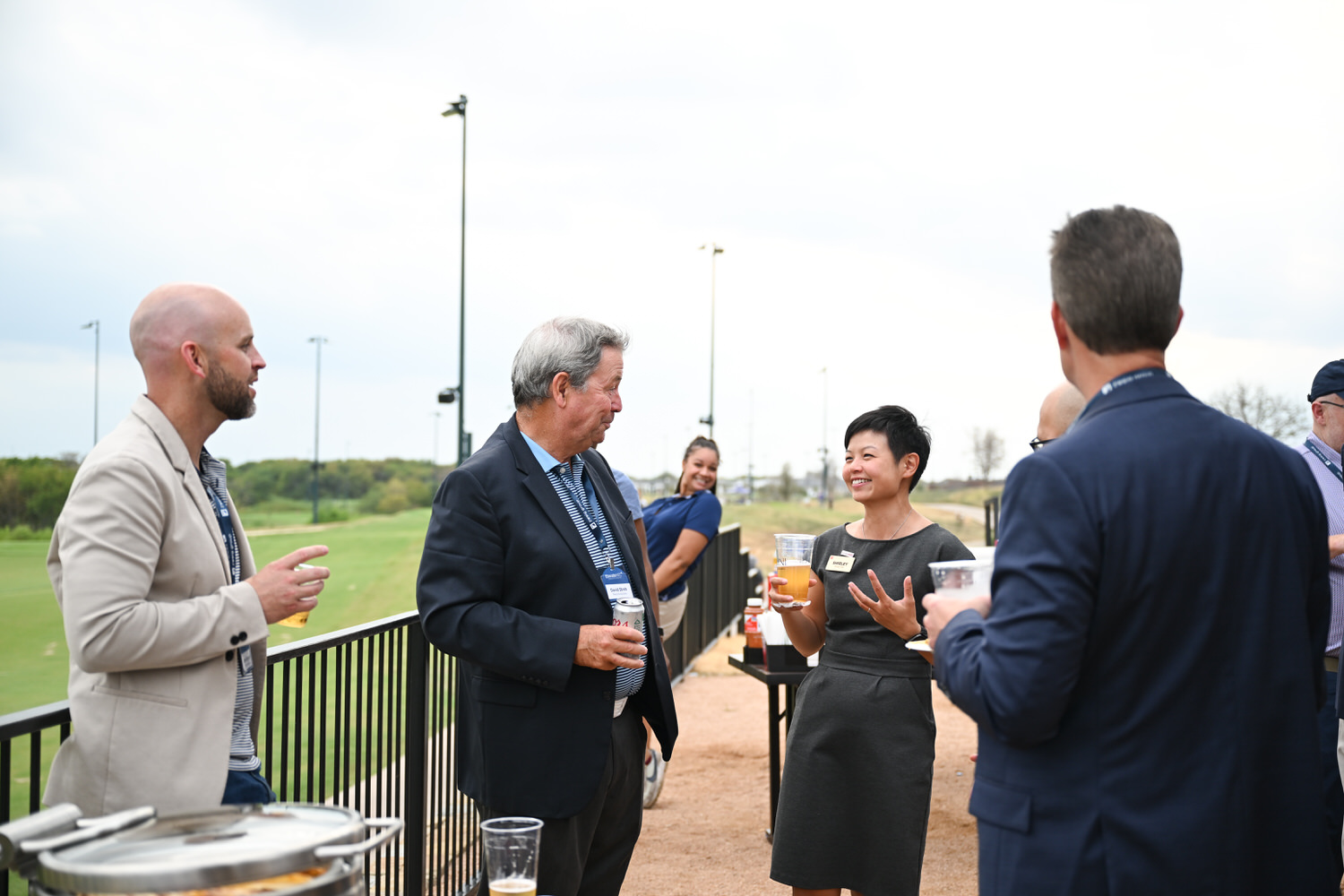
Candid shots capture authentic emotions, natural interactions, and unscripted moments among attendees, while staged photos involve deliberately arranged group poses or controlled product setups. A balanced commercial gallery requires both styles, as candids tell the genuine story of the event's atmosphere, whereas staged shots ensure key executives and sponsor displays are featured clearly.
9. How early should companies book event photography services?
Organizations should secure their photography partners several months in advance, especially during peak seasons for corporate conferences and holiday galas. Early booking guarantees availability, allows ample time for thorough creative planning, and ensures the photographer can thoroughly understand brand guidelines, venue layouts, and specific shot lists before the event date arrives.
10. Do commercial photography packages include image licensing rights?
Professional commercial agreements typically grant comprehensive usage rights, allowing businesses to utilize the photos across websites, advertisements, and print media without recurring royalties. Clients should always verify the exact licensing terms to ensure they have the legal freedom to distribute, alter, and publish the delivered visual assets across all intended marketing channels globally.
11. How do photographers handle challenging low-light venues?
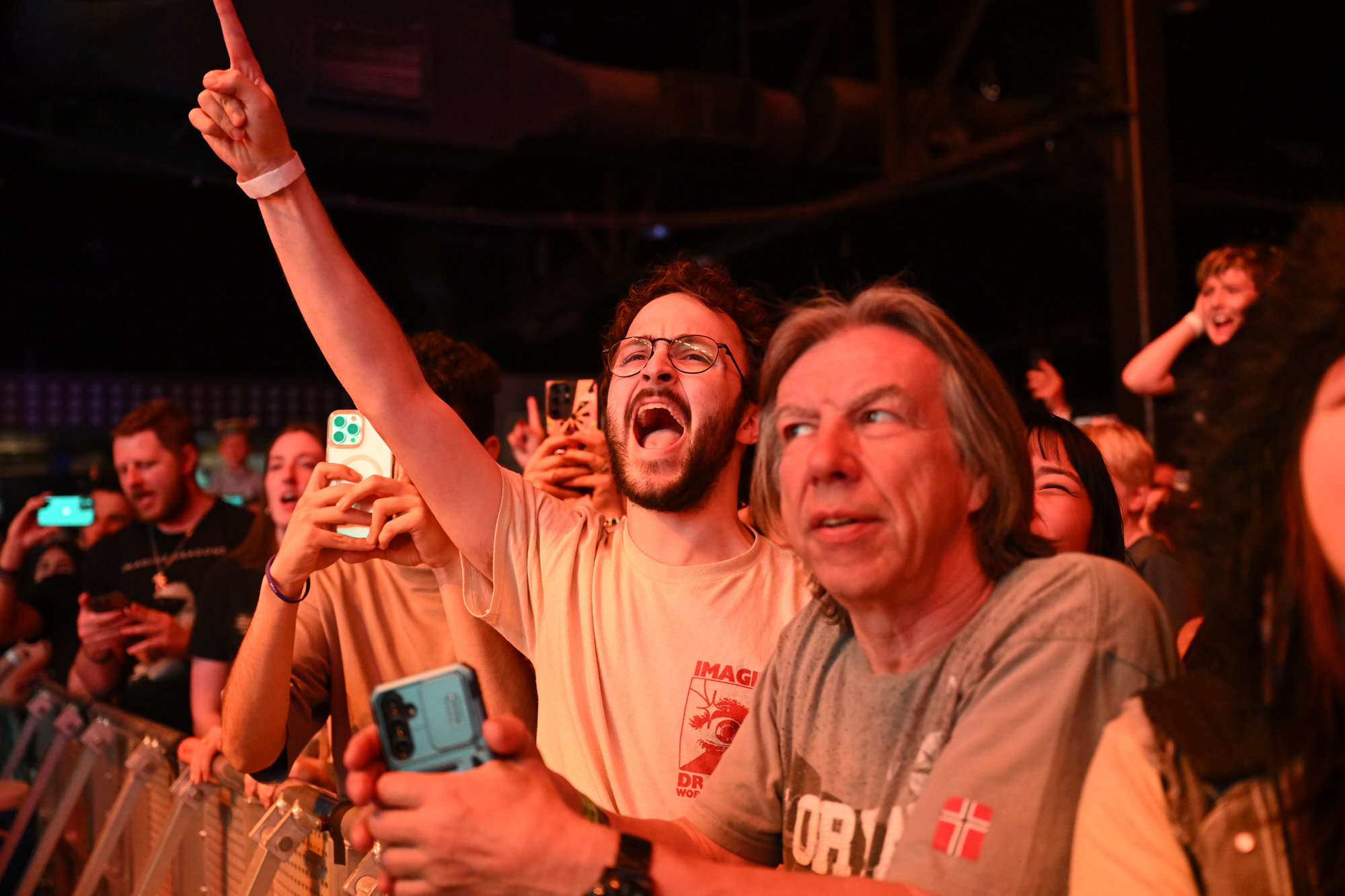
Professionals utilize versatile camera systems and sophisticated lighting techniques to maintain image clarity and natural ambient color in dark ballrooms or auditoriums. By balancing professional flash modifiers and wide-aperture lenses, they avoid harsh, distracting lighting while still capturing sharp, vibrant details of speakers and enthusiastic crowds.
12. What role do details and venue styling play in the coverage?
Detailed shots of branded signage, floral arrangements, registration desks, and custom stage designs establish the physical context and overall aesthetic of the corporate experience. These supplemental images are crucial for environmental storytelling, helping marketing teams showcase the meticulous planning and high production value invested into the brand activation.
13. Can event photography be customized for different social channels?
Experienced photographers can frame and shoot scenes with various digital platforms in mind, capturing both horizontal assets for websites and vertical formats for mobile feeds. This foresight ensures marketing teams have immediate, properly proportioned imagery ready for diverse distribution channels, ranging from professional LinkedIn carousels to fast-paced Instagram and TikTok stories.
14. What is the typical turnaround time for final photo galleries?
Standard delivery windows usually range from five to ten business days, depending on the scale of the event and the total volume of images captured. This timeframe allows professionals to carefully curate, color-correct, and retouch the best frames to ensure every delivered asset meets high corporate quality standards.
15. How do photographers maintain discretion during formal gatherings?
Professionals dress appropriately for the corporate dress code and use quiet camera settings to operate unobtrusively during solemn presentations or intimate networking sessions. Their goal is to document the environment naturally without becoming a distraction to keynote speakers, high-profile guests, or the overall flow of the program.
16. How do you ensure consistent brand representation in photos?
Photographers collaborate closely with marketing directors prior to the event to understand core brand colors, preferred angles, and specific visual identity guidelines. This preparation ensures the resulting imagery aligns seamlessly with existing corporate branding, maintaining a cohesive look and feel across all external communications and advertising campaigns.
17. What happens if an unexpected schedule change occurs during the event?
Professional event photographers are trained to remain adaptable, maintaining constant communication with event coordinators to pivot quickly when itineraries shift. Their situational awareness allows them to track moving VIPs, sudden agenda updates, and impromptu activities without missing critical moments or compromising overall coverage quality.
18. Are group portraits feasible during busy corporate conferences?
Organized group portraits can be successfully coordinated during designated networking breaks, meal times, or dedicated photo booth sessions. Photographers work efficiently to gather teams or board members quickly, arranging them professionally to maximize output while respecting the tight schedules typical of corporate events.
19. Why is pre-event venue scouting important for photographers?
Scouting a venue beforehand helps photographers identify optimal lighting conditions, power sources, high-traffic bottlenecks, and the best architectural backdrops for key portraits. This preparation eliminates surprises on the event day, allowing the team to set up efficiently and execute their visual strategy with absolute precision.
20. How can event photos be utilized for internal communications?
Beyond external marketing, companies use event galleries for internal newsletters, employee appreciation boards, annual reports, and recruitment materials. Sharing these vibrant images boosts internal morale, celebrates company milestones, and helps remote or distributed employees feel connected to the broader organizational culture and community.
21. What makes a brand activation photo compelling to viewers?
Compelling activation photos feature genuine human emotion, clear brand visibility, and active participation rather than static, empty booth setups. When viewers see real people interacting enthusiastically with an immersive installation, it sparks curiosity, builds social proof, and encourages prospective customers to engage with the brand.
22. How do photographers manage large crowds and fast-paced environments?
Photographers anticipate high-energy moments by positioning themselves strategically near focal points like stages, entrances, and interactive zones. Using fast shutter speeds and continuous shooting modes, they freeze motion and capture decisive moments amidst bustling crowds without losing focus or clarity.
23. What is the value of capturing attendee reactions during presentations?
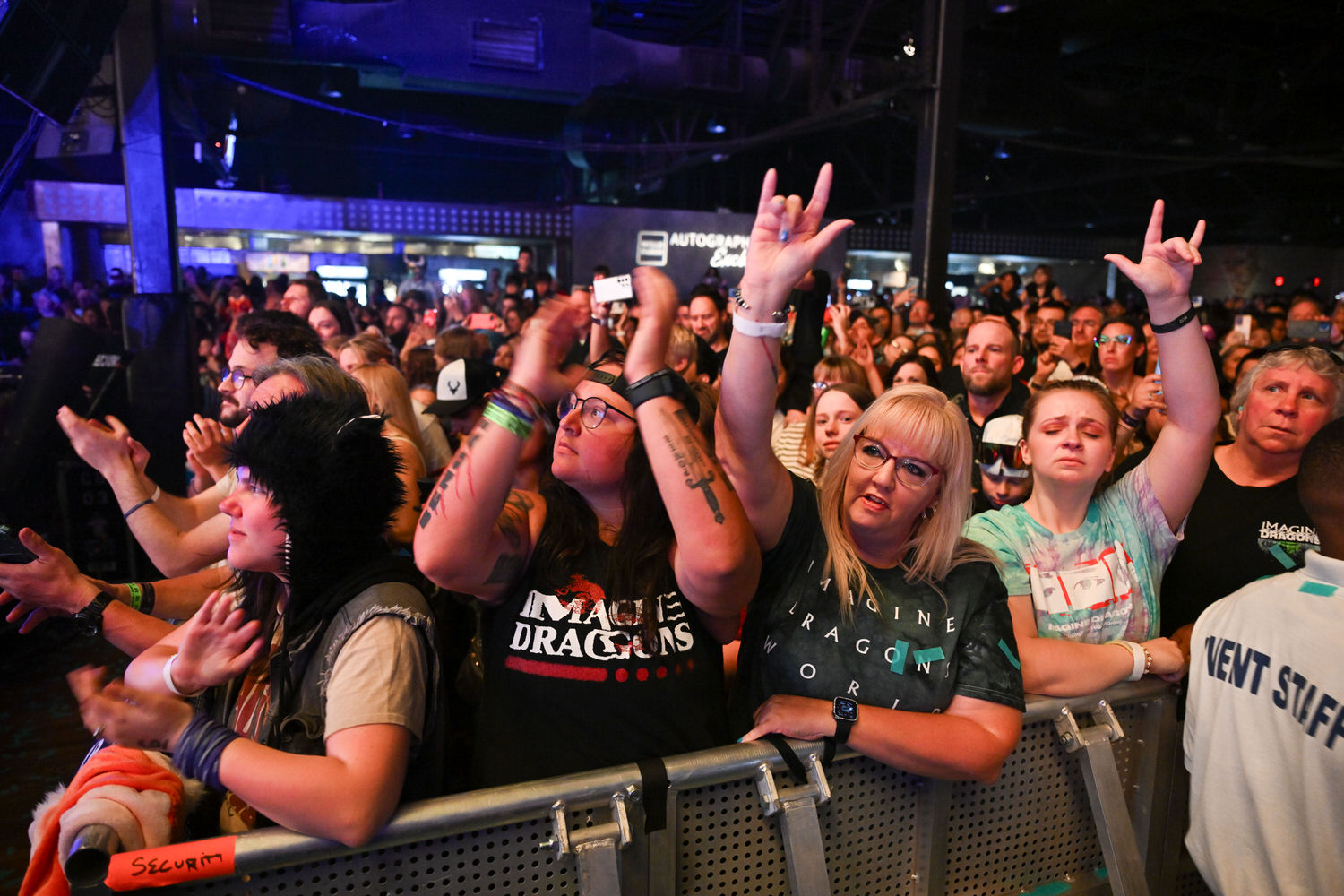
Capturing engaged audience expressions, attentive listening, and shared laughter adds an emotional layer of storytelling that standard stage shots often miss. These frames prove to future attendees and sponsors that the event generated genuine interest, intellectual engagement, and a lively, welcoming communal atmosphere.
24. How do businesses securely store and archive event image galleries?
Most professionals deliver finished galleries via secure, cloud-based portals equipped with high-resolution downloading and password protection options. Businesses should subsequently back up these digital assets on redundant local drives and company servers to ensure long-term accessibility for ongoing marketing campaigns and retrospective archives.
25. How do professional photos elevate a company's perceived industry authority?
High production value in marketing imagery signals professionalism, financial stability, and leadership within a specific industry sector. When clients and competitors view expertly captured documentation of packed conferences and polished brand activations, it reinforces the host company's reputation as an established, trustworthy market leader.