
Automotive Photography Services | Fort Worth, TX
At David Loi Studios, we transform automotive engineering into visual art. Based in the heart of Fort Worth, TX, we specialize in high-end automotive photography tailored specifically for commercial applications, editorial features, and luxury brand storytelling.
In a market as competitive as the Dallas-Fort Worth Metroplex, a standard snapshot isn’t enough to move the needle. We understand that every curve, finish, and mechanical detail represents a brand’s identity. Our studio utilizes advanced lighting techniques, precision retouching, and a deep understanding of automotive aesthetics to produce imagery that demands attention. Whether you are a dealership looking to elevate your inventory, an aftermarket manufacturer showcasing new components, or a lifestyle brand seeking a rugged Texan backdrop for a product launch, we deliver professional-grade results that resonate with enthusiasts and stakeholders alike.
Our services extend beyond Fort Worth to include Arlington, Dallas, and the surrounding North Texas areas, offering on-location shoots that range from sleek urban environments to expansive rural landscapes. We don’t just take pictures of cars; we capture the spirit of the drive. Partner with David Loi Studios to ensure your fleet or flagship vehicle is presented with the cinematic quality it deserves.
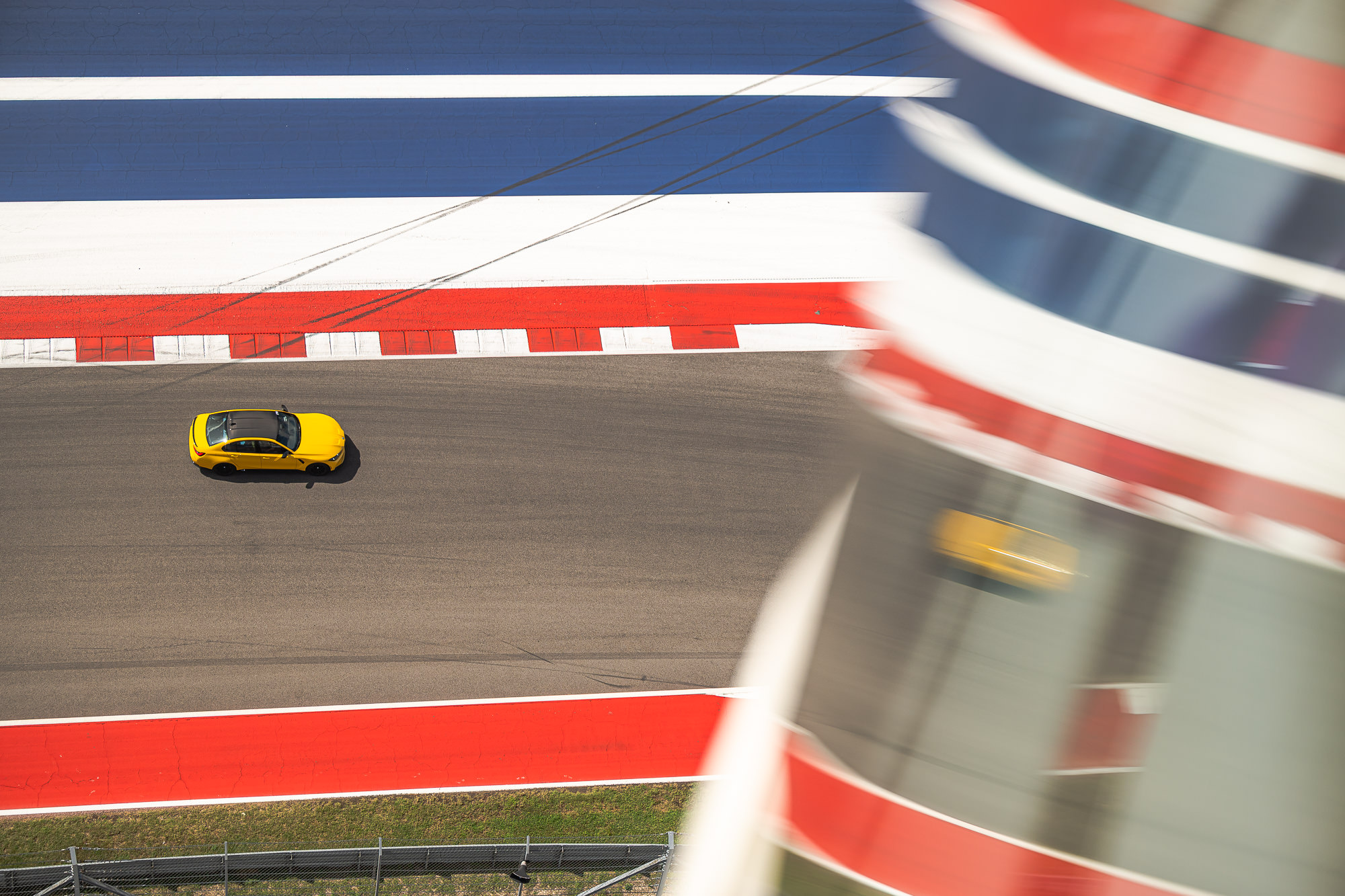
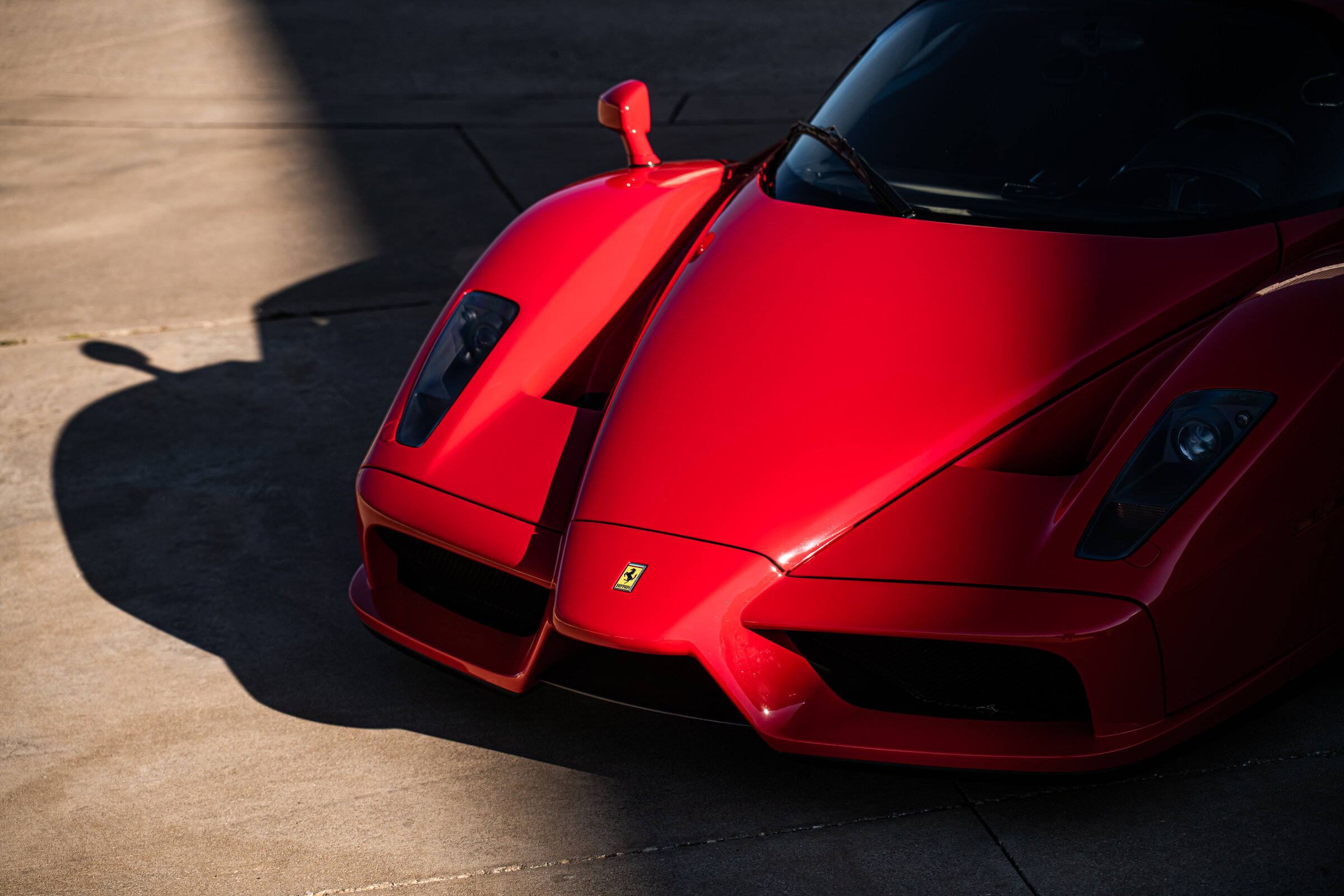
Make Your Ft Worth Brand Work with Cinematic Automotive Imagery, Only from David Loi Studios
Engineering Marvels in Fort Worth, Dramatically Defined.
In the competitive automotive landscape of Fort Worth and Dallas, a vehicle is more than just a machine—it is a masterwork of engineering and design. At David Loi Studios, we believe these marvels deserve more than a reactive snapshot. Founded by David Loi, a commercial visual storyteller known for his mastery of light and shadow, our studio specializes in high-production automotive photography that turns mechanical precision into a compelling brand narrative.
The Art of Directional Drama
David Loi’s signature style is rooted in the “decisive moment” of photojournalism and the “directional drama” of classic cinema. Unlike standard photographers, David utilizes a sophisticated blend of hard and soft lighting to sculpt the form of a vehicle. By leveraging the Inverse Square Law and meticulous Subject Separation, we ensure your vehicle stands out with surgical precision against its environment. Whether it is the aggressive lines of a performance supercar or the rugged textures of an industrial fleet, our lighting techniques create a sense of depth, scale, and prestige that is felt instantly.
The Driving Force: Types of Commercial Automotive Photography in Fort Worth, TX
Fort Worth, Texas, occupies a unique position in the automotive world. Known for its blend of “Cowtown” heritage and modern industrial growth, the city is a hub for everything from heavy-duty commercial fleets and rugged pickup trucks to high-end luxury exotics and classic muscle cars. In a market where 88% of buyers research vehicles online before ever stepping foot on a lot, the quality of visual media is no longer a luxury—it is the primary driver of conversion.
Commercial automotive photography in Fort Worth is a diverse field, requiring specialized technical skills to handle the reflective surfaces of paint and chrome, the tight constraints of vehicle interiors, and the vast scale of industrial transport. Here is a breakdown of the primary types of commercial automotive photography currently shaping the North Texas market.
1. Dealership Inventory and E-commerce Photography
This is the highest-volume sector of the industry. For dealerships along the “Automobile Row” of West 7th or the massive lots in Grapevine and Arlington, speed-to-market is the ultimate goal. However, modern consumers expect more than just “cell phone snapshots.”
Professional inventory photography services in Fort Worth provide standardized sets of 30 to 50 images per vehicle. This includes:
- The Hero Shot: A front three-quarter view that establishes the vehicle’s stance.
- The Walkaround: Systematic shots of every exterior panel, wheel, and tire.
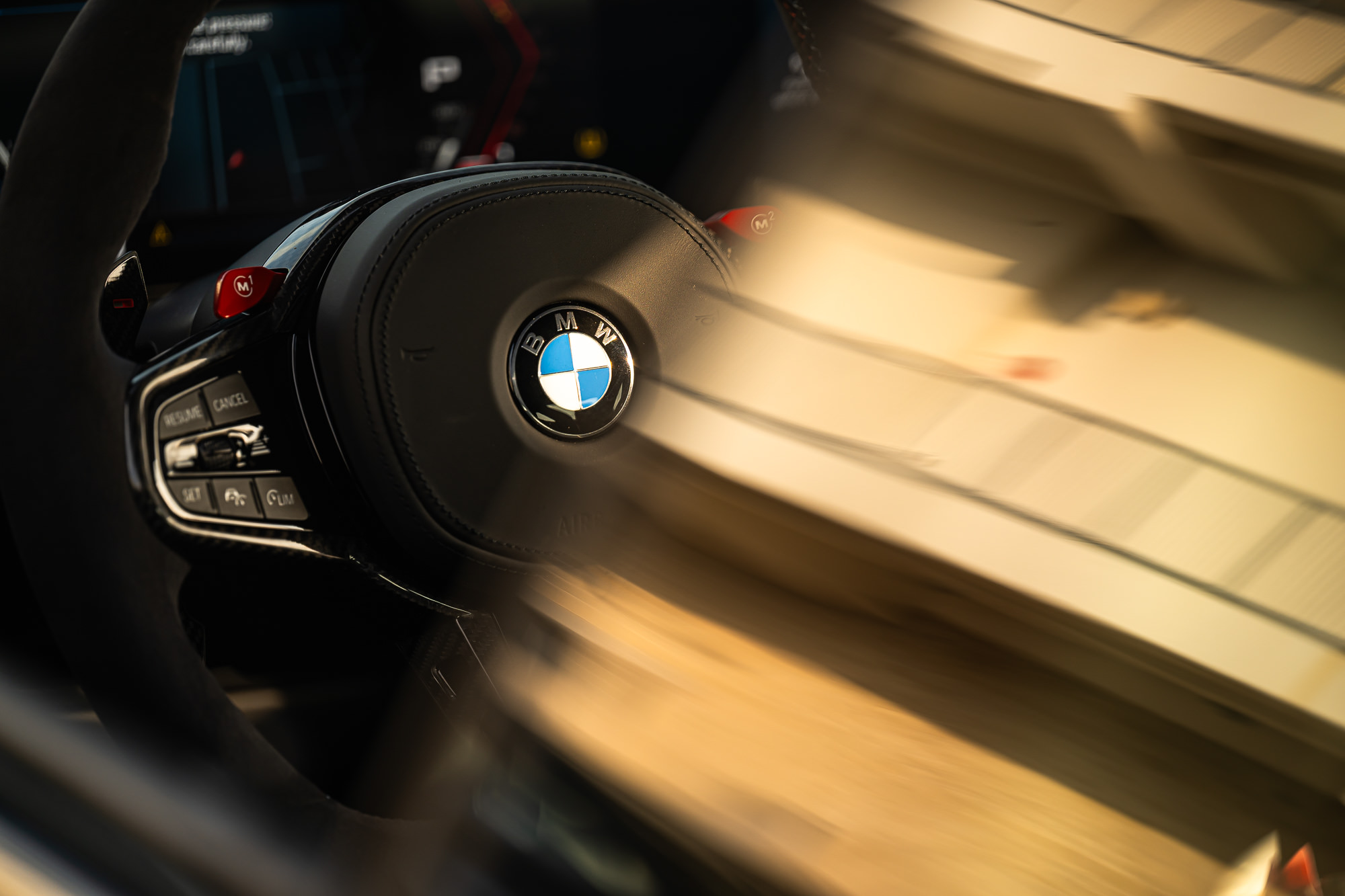
- Interior Immersion: Wide-angle shots of the cockpit, followed by macro details of the infotainment system, stitching, and odometer.
- Virtual Enhancements: Many local agencies now use AI-driven background removal to place every car in a consistent, branded digital showroom, eliminating the visual clutter of a crowded lot.
2. Lifestyle and Brand Advertising
While inventory photography focuses on the object, lifestyle photography focuses on the experience. This type of photography is commissioned by manufacturers, custom shops, or boutique dealerships to create an emotional connection with the viewer.
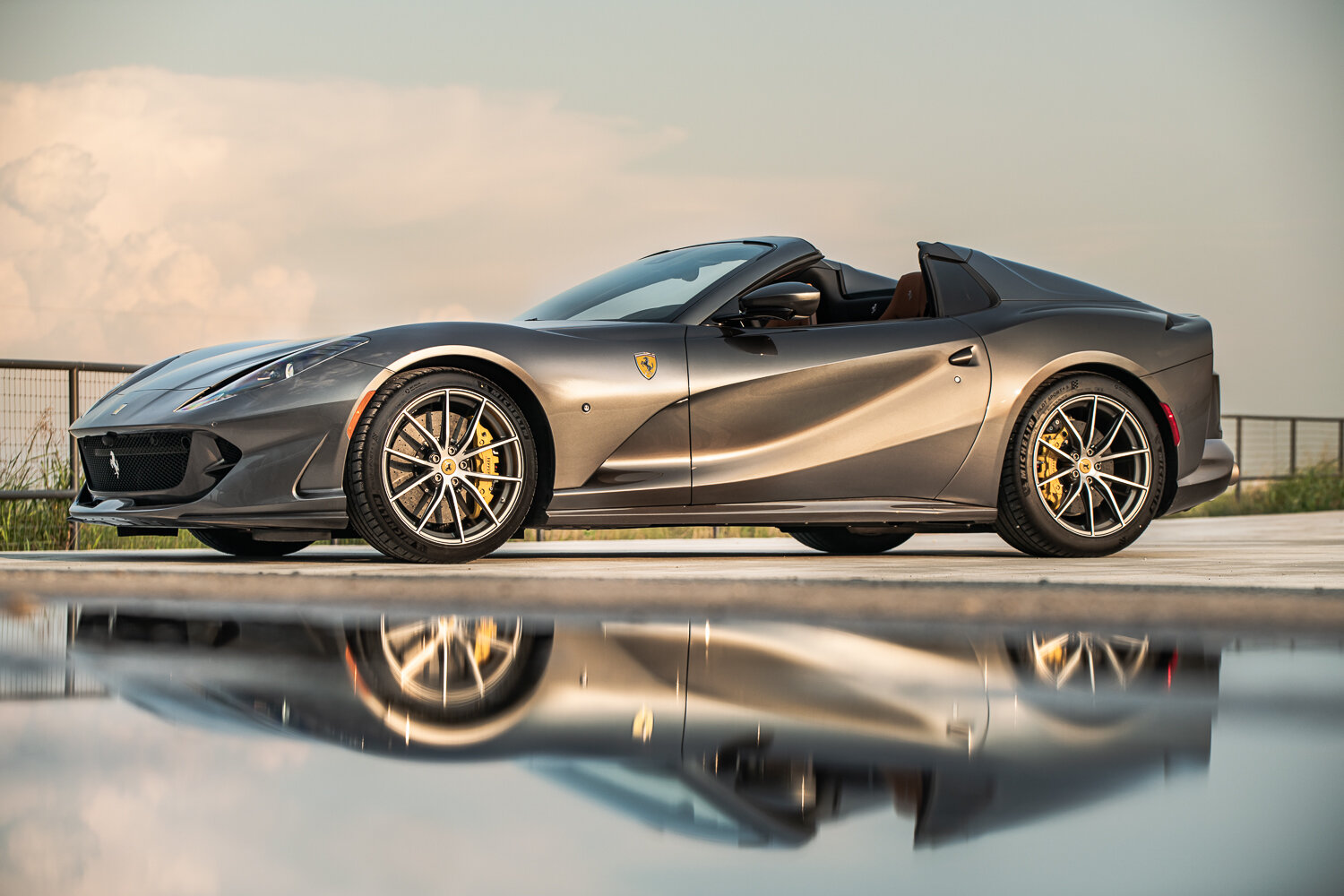
In Fort Worth, this often involves “environmental portraits” of the vehicle. A rugged Ford F-150 might be shot against the rustic, textured backdrops of the Fort Worth Stockyards to emphasize its “Texas-tough” branding. Conversely, a sleek European sports car might be photographed at “Golden Hour” on the roof of a downtown parking garage, using the Fort Worth skyline as a sophisticated, urban backdrop. These images are intended for billboards, social media campaigns, and high-end brochures where lighting and composition take precedence over raw documentation.
3. Specialist Auction and Collector Photography
With the rise of online auction platforms like Bring a Trailer and Hagerty, Fort Worth’s thriving classic car community has a growing need for “auction-grade” photography. Collectors of vintage Mustangs, restomods, and rare imports require a level of transparency that standard dealership photography doesn’t provide.
This niche requires “forensic” levels of detail. Photographers must capture high-resolution images of the undercarriage, engine bay components, and any minor imperfections to build buyer trust. Because these vehicles often sell for six or seven figures to out-of-state buyers, the photography must act as a mechanical inspection, proving the vehicle’s condition through the lens.
4. Industrial and Commercial Fleet Photography
Fort Worth is a logistics powerhouse, home to massive distribution centers and manufacturing plants. This has created a demand for industrial automotive photography. This sector focuses on heavy-duty assets: semi-trucks, delivery vans, construction machinery, and even aerospace transport vehicles.
The challenge here is scale. Photographing a fleet of 50 delivery vans or a massive Peterbilt rig requires specialized wide-angle lenses and often drone photography to capture the sheer magnitude of the operations. Companies use these images for B2B marketing, annual reports, and recruitment materials to showcase their logistical capabilities.
5. Editorial and Event Coverage
From “Cars and Coffee” events in Southlake to major automotive shows at the Fort Worth Convention Center, editorial photography captures the culture surrounding the machines. This style is more candid and journalistic, focusing on the interaction between people and cars. Media outlets and event organizers hire automotive photographers to document these gatherings, capturing the energy of the crowd and the unique details of modified vehicles in a natural-light setting.
Automotive Photography Services in Fort Worth, TX
Automotive Photography Services in Fort Worth, TX
1. What is professional automotive photography?
Professional automotive photography involves using specialized camera equipment, expert lighting techniques, and advanced editing skills to capture vehicles in their absolute best visual form. Experts highlight every distinct body line, glossy paint finish, and custom mechanical modification. This high-end visual medium transforms ordinary vehicle documentation into compelling art, making cars look significantly more attractive, prestigious, and valuable to prospective buyers everywhere.
2. Why should I hire a professional car photographer?
Hiring a professional car photographer ensures your vehicle stands out in crowded online marketplaces, competitive digital listings, and high-stakes luxury auctions. Professionals understand how to eliminate distracting environmental reflections, control harsh ambient lighting, and select the most flattering exterior angles. Their specialized expertise elevates your brand appeal, builds instant buyer trust, and drastically increases the overall market desirability of the machine.
3. What types of vehicles do automotive photographers shoot?
Automotive photographers capture a massive variety of vehicles, ranging from vintage classic cars and rare modern supercars to rugged off-road trucks and commercial fleets. Whether you own a pristine antique collector vehicle, a modified high-performance track car, a luxury sedan, or heavy-duty industrial transport machinery, specialized professionals adapt their equipment, lenses, and lighting approaches to suit each unique vehicle category.
4. Do you travel to my location for a photoshoot?
Many professional automotive photography providers offer flexible on-location mobile services to accommodate clients seamlessly. Photographers can travel directly to your private garage, corporate office, local dealership, storage facility, or a scenic outdoor backdrop of your choice. Bringing the complete mobile studio setup to you eliminates the hassle and potential safety risks of driving a specialty vehicle across town.
5. How long does a typical automotive photo session take?
Most standard automotive photography sessions last anywhere from one to two hours, depending heavily on the specific package and vehicle complexity. Comprehensive shoots that require intricate multi-angle exterior layouts, detailed interior close-ups, specific engine bay documentation, and complex lighting setups naturally demand more time to ensure every single frame achieves absolute perfection without feeling rushed.
6. What should I do to prepare my car before the shoot?
Thoroughly washing, waxing, and detailing your vehicle prior to the photographer's arrival is essential for achieving clean, professional results. Clean the exterior paint, polish the chrome trim, vacuum the interior carpets, wipe down the dashboard, and clean all glass surfaces. Eliminating dust, smudges, and minor debris beforehand guarantees that the final edited images look remarkably crisp, polished, and completely pristine.
7. Can professional photos help sell my car faster?
High-resolution, professionally captured images dramatically accelerate the vehicle sales process by instantly grabbing the attention of serious prospective buyers online. Listings featuring sharp, well-lit, and comprehensive photo galleries generate significantly more engagement, inquiries, and strong offers than standard smartphone snapshots. High-end visual marketing establishes immediate credibility, reduces buyer hesitation, and successfully commands top dollar values in competitive automotive markets.
8. What is included in a standard vehicle photo package?
A standard vehicle photo package typically includes a curated collection of high-resolution digital images showcasing standard exterior hero angles, profile views, and wheel details. Most foundational packages feature the essential front three-quarter view, precise rear quarters, direct side profiles, and standard cockpit shots. Clients receive professionally edited files optimized specifically for online classified platforms, social media sharing, or print marketing catalogs.
9. Are digital images edited and retouched before delivery?
Every single delivered image undergoes rigorous professional post-processing, color correction, contrast balancing, and meticulous retouching to ensure top-tier visual quality. Editors carefully remove distracting background elements, tone down harsh paint glare, correct minor optical distortions, and enhance the overall depth of the vehicle. This detailed digital refinement process guarantees that your final photo gallery looks polished, vibrant, and ready for commercial use.
10. What is the typical turnaround time for receiving final photos?
Most professional automotive photography providers deliver final edited digital galleries within three to seven business days following the completion of the shoot. Expedited delivery options are frequently available for clients managing tight auction deadlines, urgent dealership inventory updates, or fast-paced marketing campaigns who need their polished media assets as quickly as possible.
11. Do you offer commercial photography for car dealerships?
Commercial dealership photography services provide systematic, high-volume visual inventory documentation designed to keep online vehicle display pages consistently updated and visually engaging. Professional teams visit dealership lots regularly to shoot incoming inventory, ensuring uniform lighting, standardized background consistency, and accurate representation that drives active online customer leads and improves lot turnover rates.
12. Can you photograph vehicle interiors and engine bays?
Comprehensive automotive photography packages routinely cover detailed interior dashboards, premium leather seating surfaces, custom steering wheels, and intricate engine bay components. Capturing these mechanical and interior spaces requires specialized lighting modifiers and wide-angle lenses to illuminate tight dark areas properly, highlighting craftsmanship, unique modifications, and the authentic overall condition of the vehicle.
13. What is lifestyle automotive photography?
Lifestyle automotive photography places vehicles within dynamic, real-world environments designed to evoke specific emotions and tell an engaging brand story. Rather than isolating the car against a plain background, lifestyle shoots integrate scenic urban landscapes, rustic rural backdrops, or dramatic architectural settings. This approach is widely utilized by manufacturers, custom builders, and advertisers to connect with target consumer aspirations.
14. Do you provide rolling shots or action photography?
Many specialized automotive photographers offer dynamic rolling shots captured from a chase vehicle while moving down open highways or closed tracks. Action photography requires advanced shutter-speed control, precise tracking techniques, and steady hands to freeze motion or create intentional background blur. These thrilling shots convey real speed, power, and kinetic energy that static parked photos simply cannot replicate.
15. Can you photograph my car at night or during sunset?
Evening, twilight, and night shoots provide dramatic atmospheric lighting opportunities that can make vehicle paint colors and custom LED lighting pop remarkably well. Skilled photographers utilize external strobes, softboxes, and long-exposure techniques during the golden hour or blue hour to sculpt vehicle lines against moody, cinematic backdrops, resulting in striking imagery that stands out exceptionally.
16. What equipment do professional automotive photographers use?
Professional automotive photographers utilize high-resolution full-frame digital cameras, professional-grade telephoto and wide-angle lenses, polarized filters to manage reflections, and portable off-camera lighting strobes. Specialized polarizers are particularly critical because they eliminate unwanted glare from windshields and glossy painted body panels, allowing the camera to capture the true color and rich texture underneath.
17. Are drone aerial photos available for vehicles?
Aerial drone photography is frequently available to capture stunning top-down perspectives, expansive convoy formations, and dramatic landscape compositions featuring your vehicle. Certified drone operators capture unique overhead angles that emphasize the layout of custom builds or showcase stunning cars set against vast geographical backdrops, adding a high-production cinematic value to any standard portfolio.
18. How do I book an automotive photography session?
Booking an automotive photography session typically involves contacting the provider directly via phone, email, or an online scheduling form to discuss project details. During the initial consultation, you will outline your specific vehicle type, preferred shoot location, desired aesthetic style, and scheduling timeline so the photographer can reserve your dedicated slot and prepare custom equipment.
19. What factors influence the cost of a photoshoot?
The total cost of automotive photography services depends on factors such as shoot duration, location travel requirements, total vehicle count, and specialized editing requests. Basic inventory documentation for dealerships generally costs less per vehicle, whereas elaborate multi-location commercial campaigns, rolling action sequences, or high-end collector vehicle portfolios require specialized labor and advanced equipment that adjust pricing accordingly.
20. Can I use the final photos for commercial advertising?
Clients who commission standard commercial photography rights can utilize their final images for promotional advertising, corporate websites, social media marketing, and print brochures. It is always important to review your specific licensing agreement, as some personal-use packages restrict large-scale commercial distribution or third-party resale unless an explicit commercial release is purchased beforehand.
21. What happens if it rains on the day of our outdoor shoot?
Outdoor automotive photoshoots are highly dependent on weather conditions, meaning rain, heavy overcast, or harsh storms often require rescheduling for safety and quality. Professional photographers maintain flexible booking policies, monitoring local forecasts closely to reschedule your session promptly for the next available clear day without imposing harsh cancellation penalties.
22. Do you shoot at private events, car shows, and races?
Professional automotive media teams frequently cover private track days, enthusiast car shows, corporate automotive conventions, and competitive motorsports events. Event coverage captures both the vibrant atmosphere of the gathering and candid details of attending specialty vehicles, providing organizers and participants with comprehensive visual documentation of the entire high-energy experience.
23. Can you remove license plates or add digital backgrounds?
Skilled digital retouchers can easily remove, swap, or blur license plates for privacy purposes during the post-processing phase of your project. Additionally, advanced editors can utilize professional software to clean up distracting ground clutter or place vehicles onto virtual studio backgrounds, ensuring the final presentation looks clean, professional, and visually distraction-free.
24. What is the difference between studio and location shoots?
Studio shoots take place inside controlled indoor environments where lighting, reflections, and shadows are meticulously managed to create a sleek commercial look. Location shoots place the vehicle in natural outdoor settings, utilizing ambient sunlight and environmental backdrops to create mood and context. Each style offers a distinct visual aesthetic depending on the intended application of the final images.
25. How can I prepare my car club or fleet for a shoot?
Preparing a large car club collection or commercial fleet requires establishing a strict arrival schedule, assigning designated parking formations, and ensuring every vehicle is clean. Coordinating multiple drivers and staging cars efficiently maximizes the available shooting time, allowing the photography team to capture individual portraits, group line-ups, and sweeping collective compositions smoothly and professionally.