
Fort Worth, TX
Headshot Photography Services | Forth Worth, TX
Commercial headshots and executive portraiture built for corporate teams and agencies.
David Loi Studios offers professional, commercial headshot photography services to brands, agencies, and companies in Ft Worth, TX and surrounding areas. Are you a creative director, manager, or decision maker for a marketing campaign? We can help! Simply call us today for more information.
How David Loi’s Background Benefits Ft Worth, TX Businesses That Need Portrait Photography
Loi’s primary value to Fort Worth businesses lies in his ability to solve the “trust gap” in modern marketing. He achieves this through two distinct strategies: humanizing the workforce and glorifying the operation. By utilizing specialized lighting techniques to create separation and depth, Loi ensures that subjects—whether a CEO or a specialized technician—stand out dramatically against their workspace. This “environmental portraiture” approach allows a brand’s physical assets, such as a Dallas-Fort Worth hangar or a local manufacturing floor, to serve as a supporting character that validates the subject’s expertise and scale.
Furthermore, Loi’s workflow is designed for the efficiency demands of major Texas corporations like General Motors and American Airlines. His philosophy of achieving perfection “in-camera” minimizes post-production delays, allowing brands to move from set to social media or billboard placement with high-fidelity assets quickly. His mastery of both still and motion (including drone operations) offers a comprehensive solution for multi-platform campaigns.
Ultimately, choosing David Loi means choosing a photographer who understands that a commercial portrait is not just a picture of a person; it is a strategic asset designed to communicate reliability and prestige. For Fort Worth businesses aiming to elevate their brand narrative, Loi provides the technical precision of an engineer and the storytelling soul of a photojournalist.

Pediatric surgeon professional portrait in white coat, medical portrait photography Dallas, Texas
Master Guide: Types of Portrait Photography for Commercial Use
In the modern commercial landscape, a portrait is far more than a simple likeness of a human being; it is a calculated brand asset. Whether an image is intended to sell a luxury timepiece, establish the credibility of a Silicon Valley executive, or humanize a massive financial institution, commercial portraiture is defined entirely by its strategic intent. To succeed in this field, a photographer must balance technical mastery with an acute understanding of the client’s marketing goals.
The following guide explores the primary types of portrait photography used in the commercial sector today, detailing their goals, styles, and technical requirements.
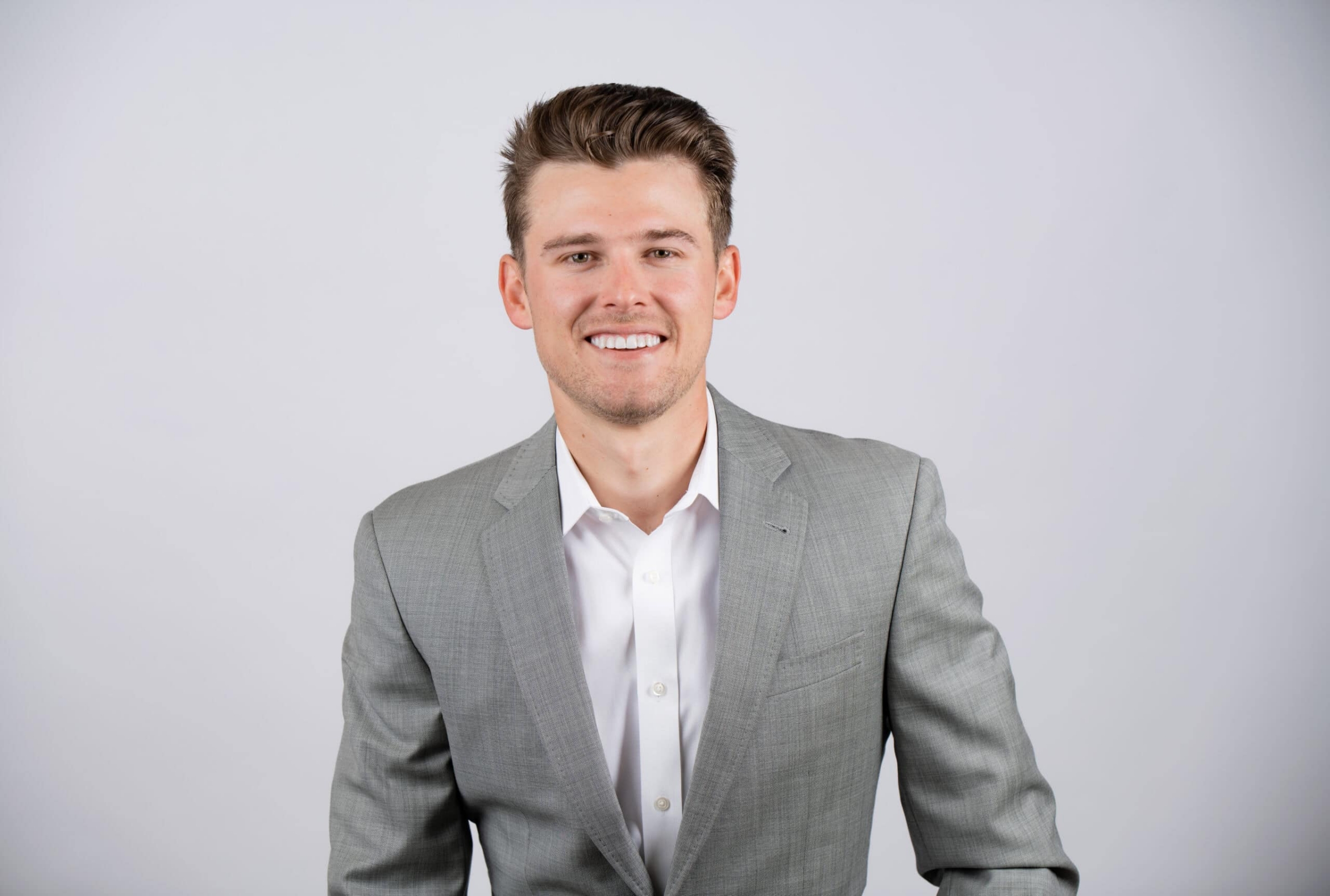
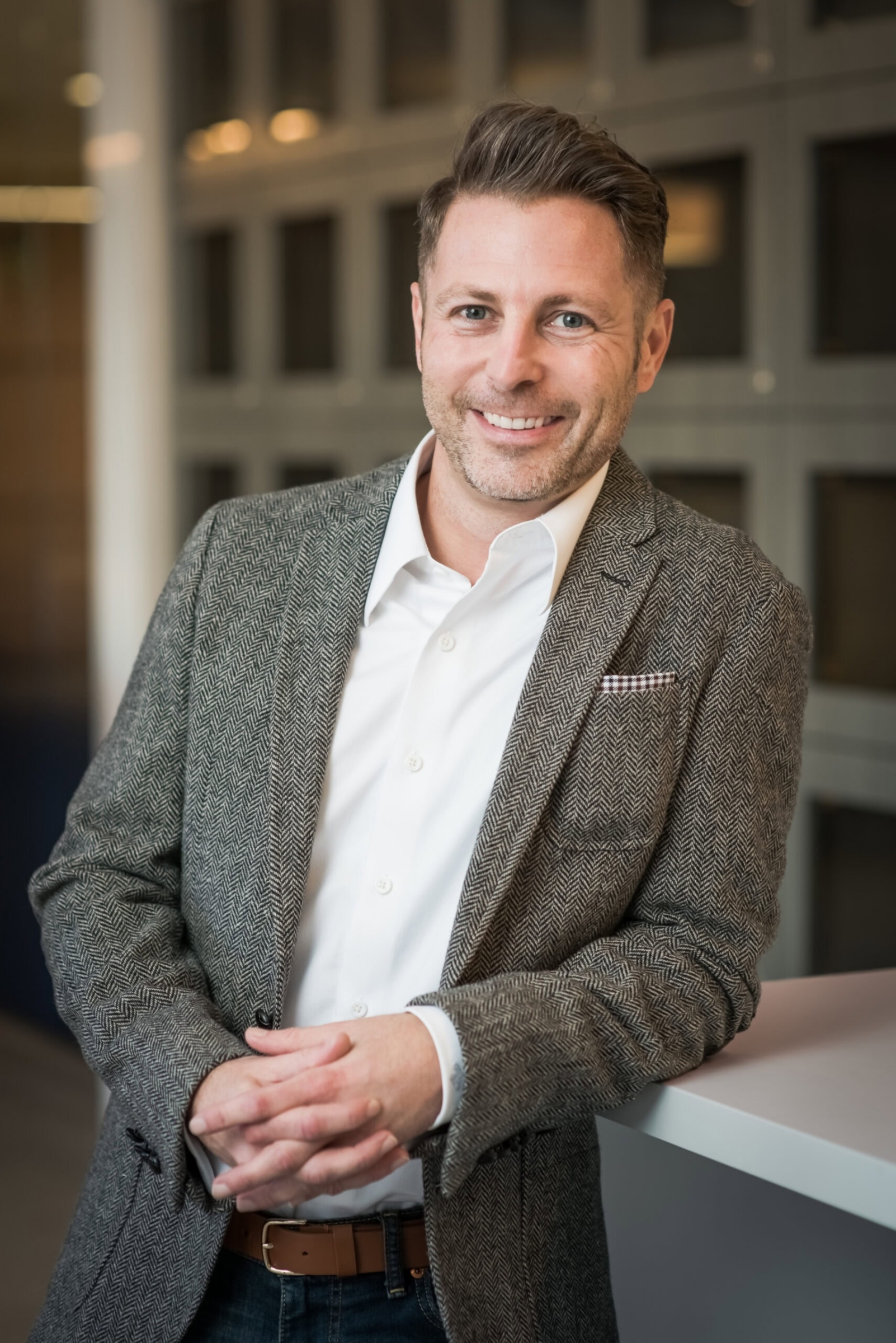
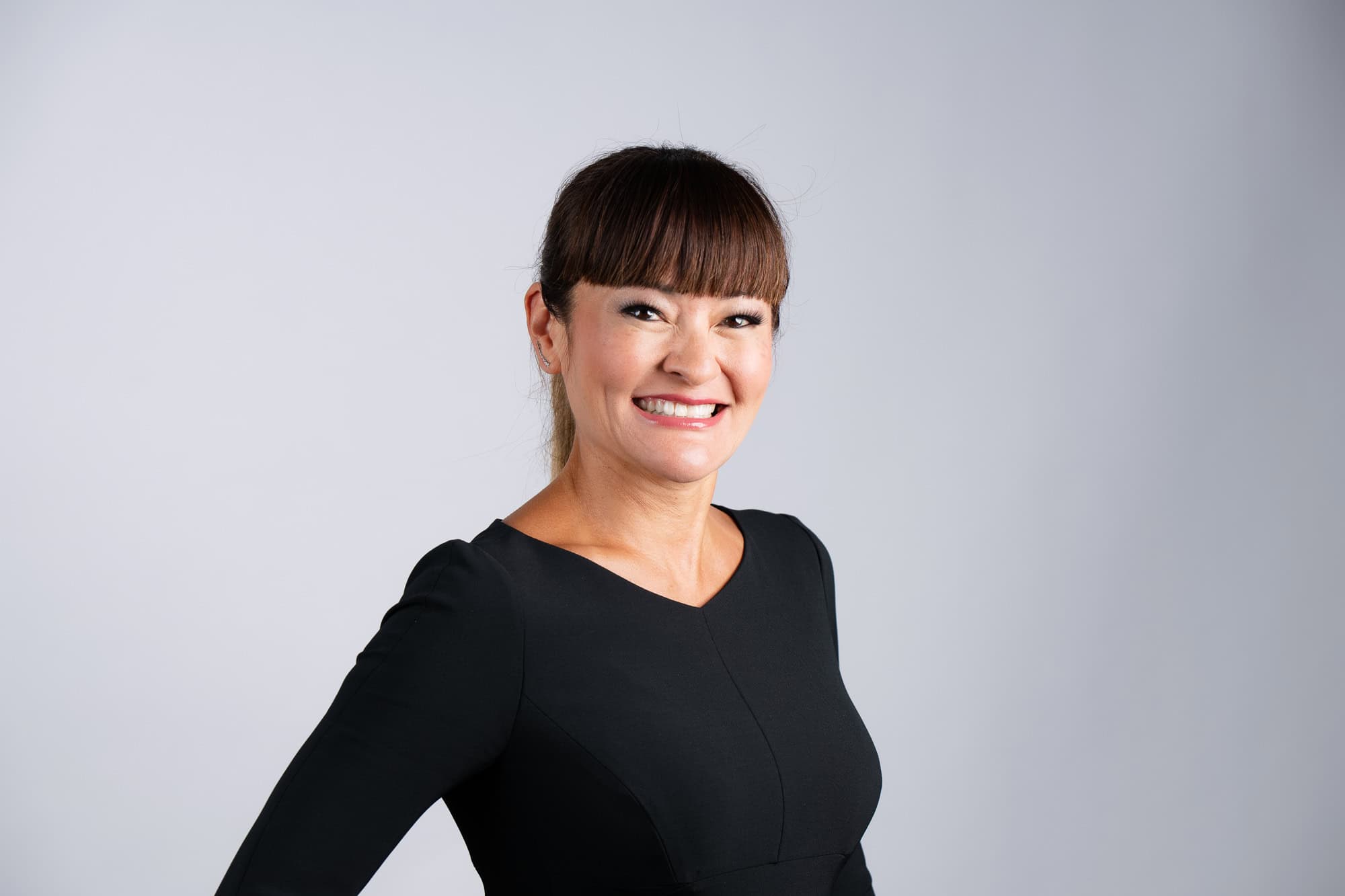
1. Corporate Headshots
The “bread and butter” of the commercial industry, the corporate headshot is the foundation of professional identity. These are primarily used for LinkedIn profiles, company “About Us” pages, and annual stakeholder reports.
- The Goal: To project a dual sense of professionalism and approachability. The viewer should feel they can trust this person with their business.
- The Style: Traditionally, these feature a subject from the chest up against a neutral, non-distracting background (white, light grey, or navy). However, a modern trend toward “Environmental Headshots” has emerged, where the subject is photographed in an architectural office setting to provide industry context.
- Key Technical Element: Replicability. If a firm has 500 employees across three cities, the lighting and framing must be standardized so the website maintains a cohesive, professional look.
Professional male headshot in herringbone blazer, corporate portrait photography Dallas, Texas
2. Editorial Portraits
Editorial portraits are usually commissioned for magazines like Forbes, Vogue, or Wired. Unlike headshots, these images are designed to accompany a written story, providing a visual narrative about the subject’s life, career, or philosophy.
- The Goal: To illustrate a specific narrative and capture a “mood” rather than just a face.
- The Style: These often utilize dramatic “Rembrandt” lighting, unconventional angles, and purposeful props. For instance, a tech founder might be photographed in a dark, high-contrast setting to denote innovation and intensity.
- Key Technical Element: Composition for “Copy Space.” Photographers must leave blank areas in the frame where a graphic designer can later overlay text, headlines, or magazine mastheads.
Professional woman in black dress, corporate portrait photography Dallas, Texas
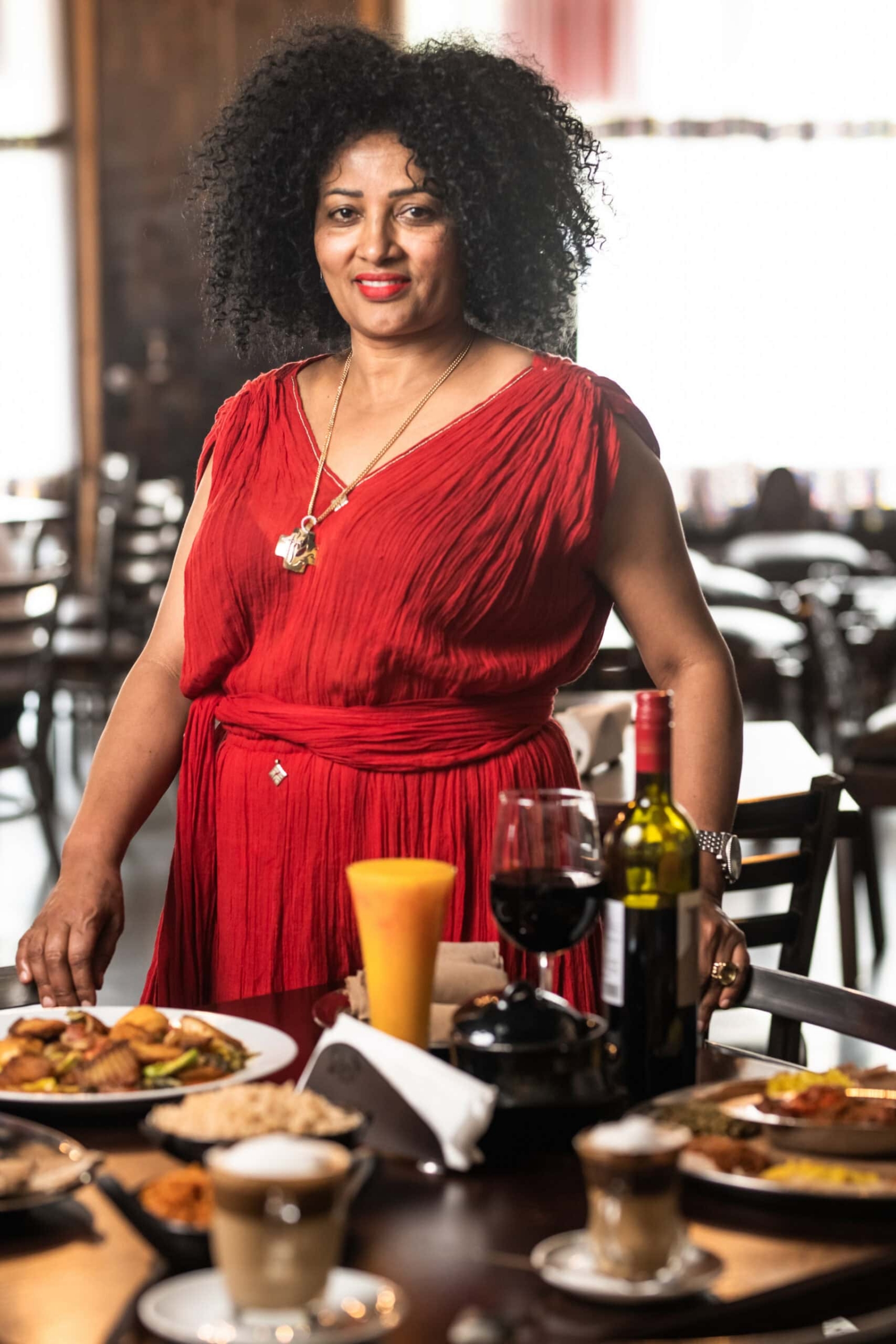
3. Lifestyle Commercial Portraits
Lifestyle photography is essentially “staged reality.” It features people using a product or service in a way that feels organic, authentic, and aspirational. In this genre, the focus is often on the interaction between the person and the brand.
- The Goal: To evoke an emotional response and help the target consumer see themselves within the brand’s ecosystem.
- The Style: Bright, airy, and often shot with a shallow depth of field (bokeh) to make the subject stand out from a busy environment. Imagine a traveler using a specific banking app at a sun-drenched Parisian café.
- Key Technical Element: Casting and Relatability. The models must look like “elevated versions” of the target demographic—attractive enough to be aspirational, but realistic enough to be believable.
Woman in red dress standing at table with Ethiopian cuisine, restaurant portrait photography Dallas, Texas
4. Advertising & Hero Shots
These are the highest-production, highest-budget images in the industry. They are the “Hero” images found on billboards, homepage banners, and full-page advertisements.
- The Goal: To “stop the scroll” and drive a direct commercial action or sale.
- The Style: Extremely polished and meticulously controlled. Every flyaway hair is managed, and the lighting is often complex, involving multiple strobes to highlight specific product features or textures.
- Key Technical Element: High-End Post-Production. These portraits undergo extensive retouching and are often “cut out” from their original background to be placed in a composite or CGI environment.
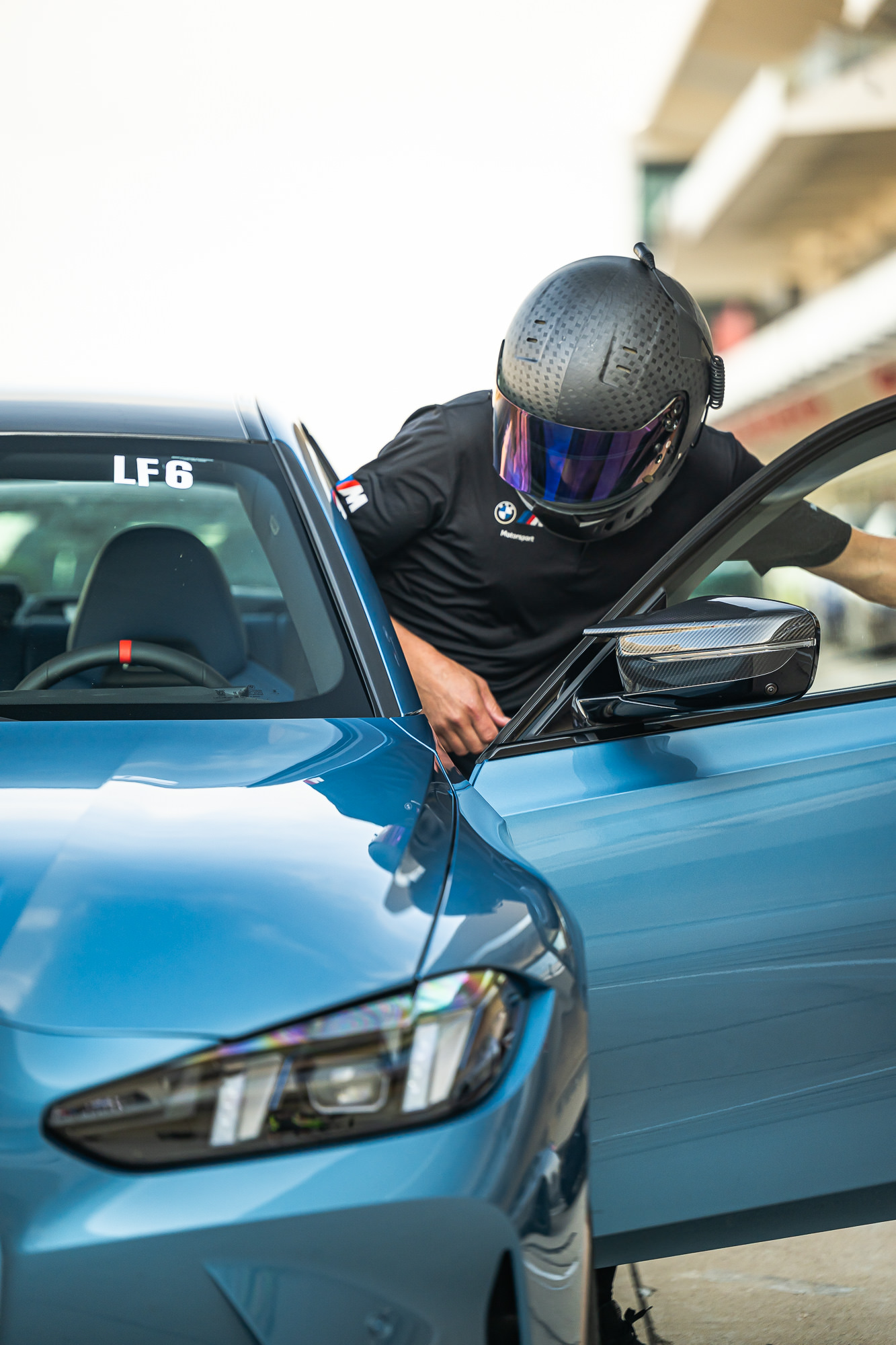
BMW M4 driver entering car at Circuit of the Americas M Track Days, automotive photography Austin, Texas
5. Personal Branding Photography
A hybrid of the headshot and lifestyle genres, personal branding is geared toward entrepreneurs, influencers, and creative consultants who are the face of their own businesses.
- The Goal: To build a “parasocial” connection with an audience by showing the person “behind the brand.”
- The Style: A diverse mix of poses—some professional, some “behind-the-scenes,” and some casual. It usually includes multiple outfits and locations to provide a month’s worth of social media content in a single session.
- Key Technical Element: Authentic Variety. The set of images must feel varied enough to avoid looking like a single “photo shoot,” giving the impression of a lived-in daily life.
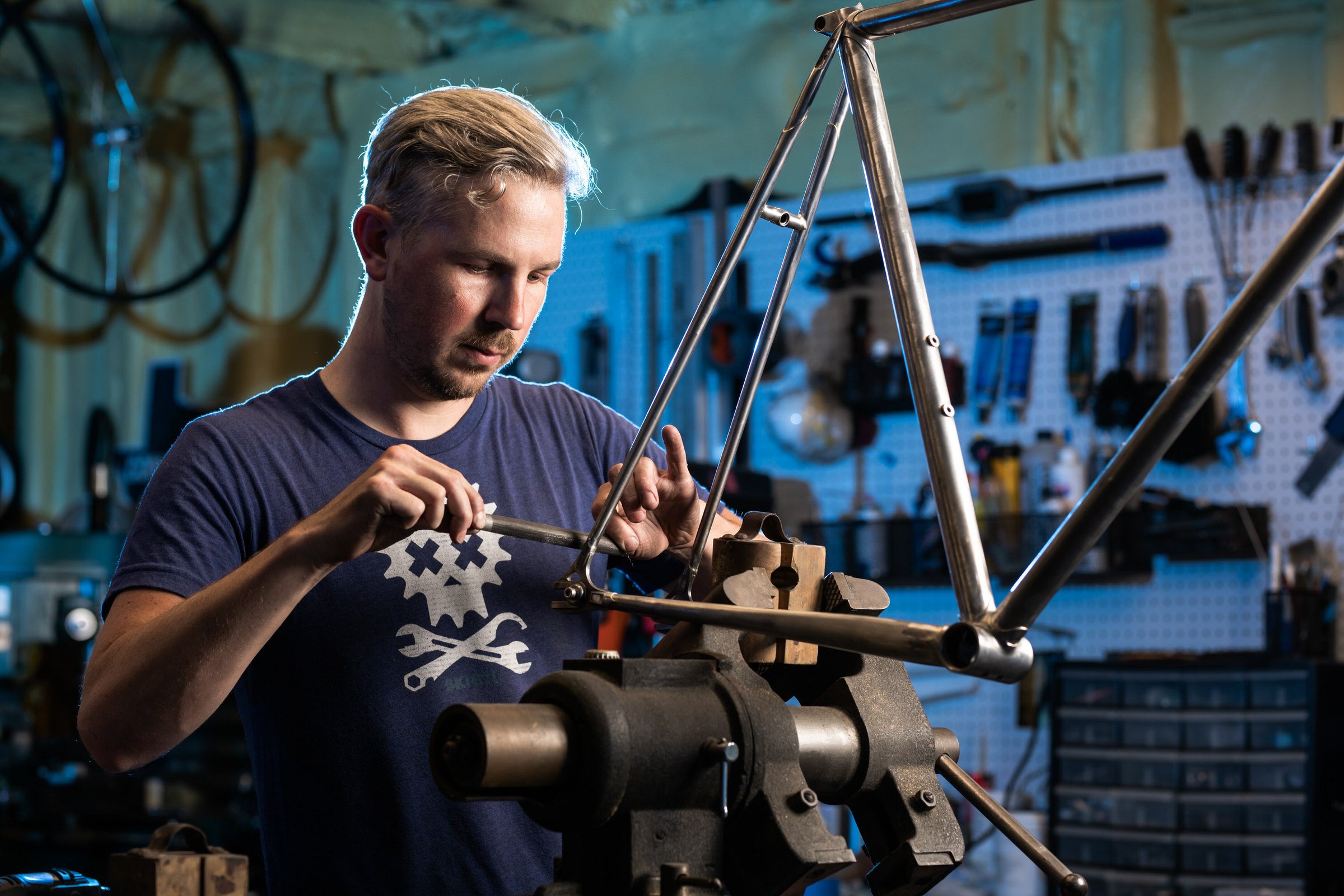
Craftsman building custom bicycle frame in workshop, industrial portrait photography Dallas, Texas
Comparison Summary for Commercial Clients
| Portrait Type | Primary Medium | Lighting Strategy | Post-Processing Intensity |
|---|---|---|---|
| Corporate | Directories / ID | Flat, even, bright | Low (Natural/Clean) |
| Editorial | Magazines / PR | Dramatic / Directional | Medium (Stylized) |
| Lifestyle | Social Ads / Web | Natural / “Golden Hour” | Medium (Vibrant/Warm) |
| Advertising | Billboards / Print | Multi-point Studio | High (Compositing) |
| Personal Branding | Instagram / Blogs | Mix of Studio & Ambient | Medium (Consistent Filter) |
Ready to elevate your portraiture in Fort Worth?
From executive headshot sessions to comprehensive corporate brand libraries, David Loi Studios provides polished visual assets built for conversion.