
Spotlight on Restaurant Photography: Strategies for Marketing Success
Restaurant photography is one of the most important tools for attracting customers. Whether people are browsing Google Maps, scrolling through Instagram, or reviewing your website, the images they see often determine whether they book a table or move on to another option.
This article explores strategies for using restaurant photography to boost marketing success. With clear images, thoughtful composition, and a strong visual strategy, restaurants can showcase their food and atmosphere in ways that resonate with their target audience.
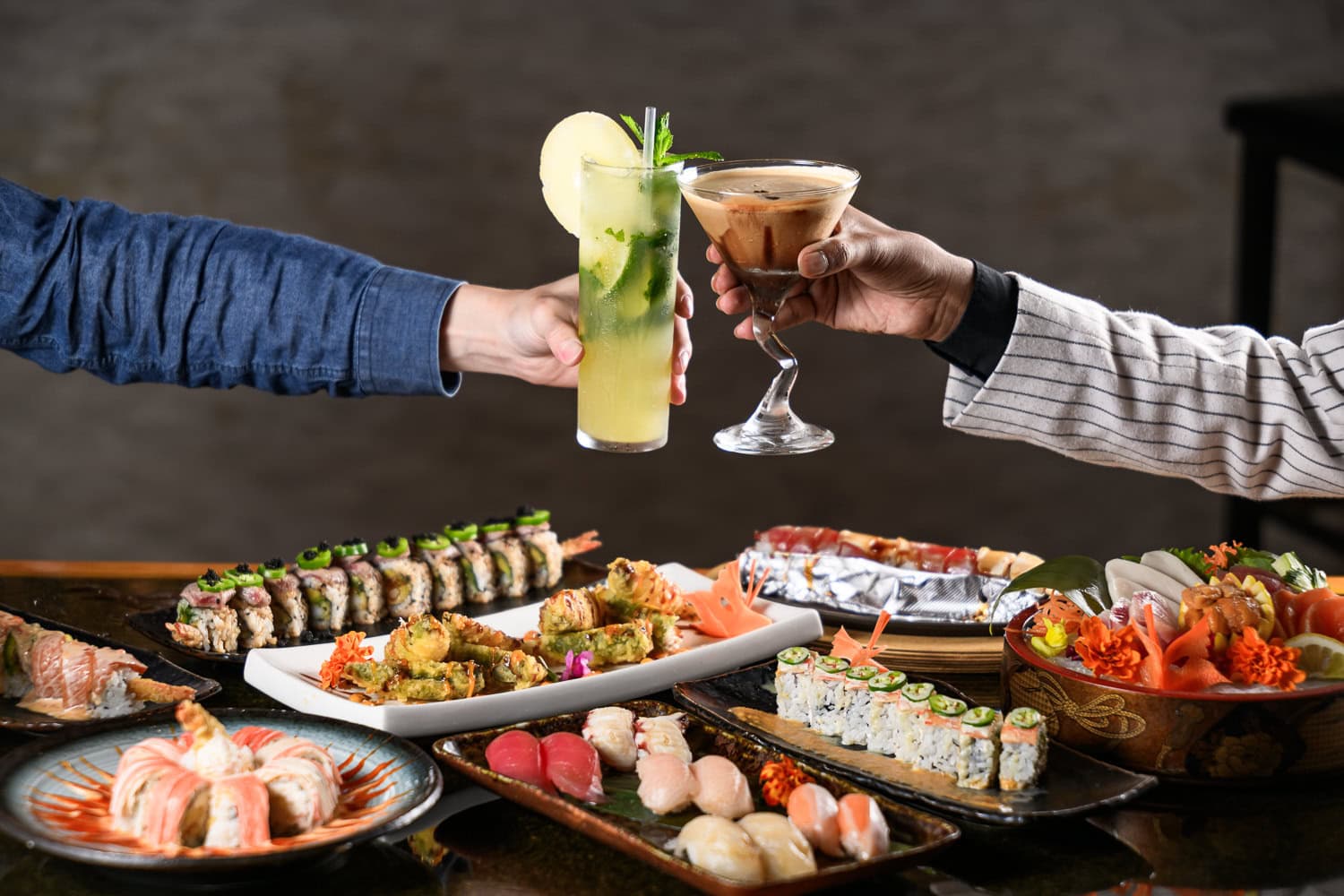
Why Restaurant Photography Matters
Food is visual. Before someone tastes a dish, they see it. Strong photos can communicate freshness, flavor, and quality in a single frame.
Photography also builds trust. A restaurant that invests in professional photos signals attention to detail, care for presentation, and a desire to create an exceptional dining experience.
In short, photography is more than decoration. It is a marketing tool that directly influences a customer’s decision to visit.
First Impressions Online
Most diners discover new restaurants online. They search through Google, Yelp, TripAdvisor, or social media platforms. The first images that appear shape their first impression.
High-quality photos can:
Encourage clicks on search results.
Increase time spent on websites.
Boost engagement on social media.
Poor-quality photos can have the opposite effect, making a restaurant appear unprofessional or unappealing.
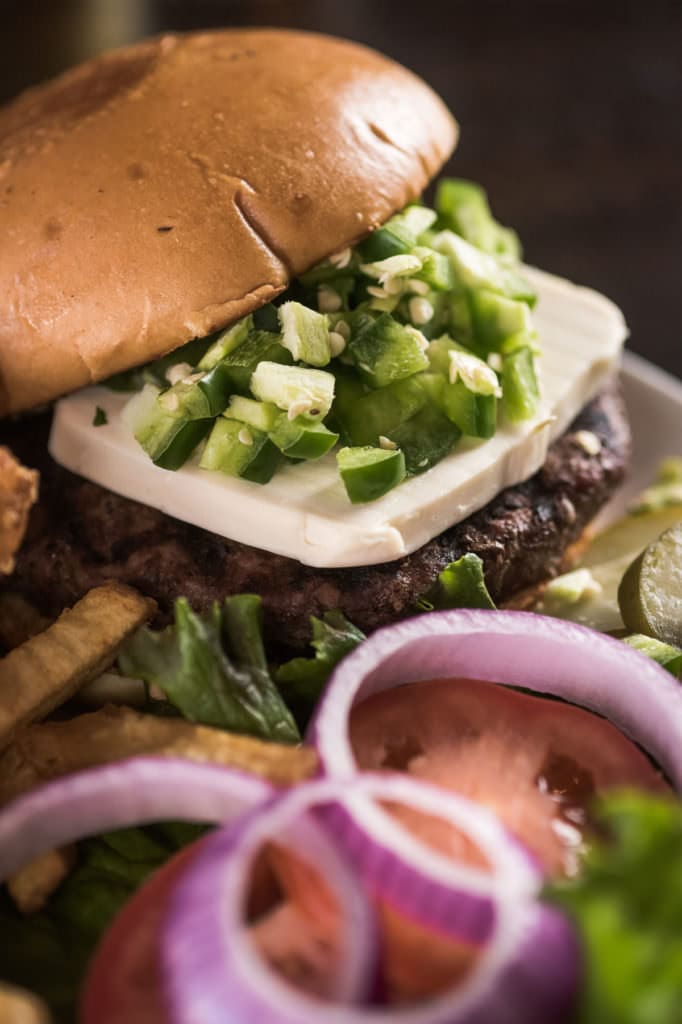
Food Photography as a Marketing Tool
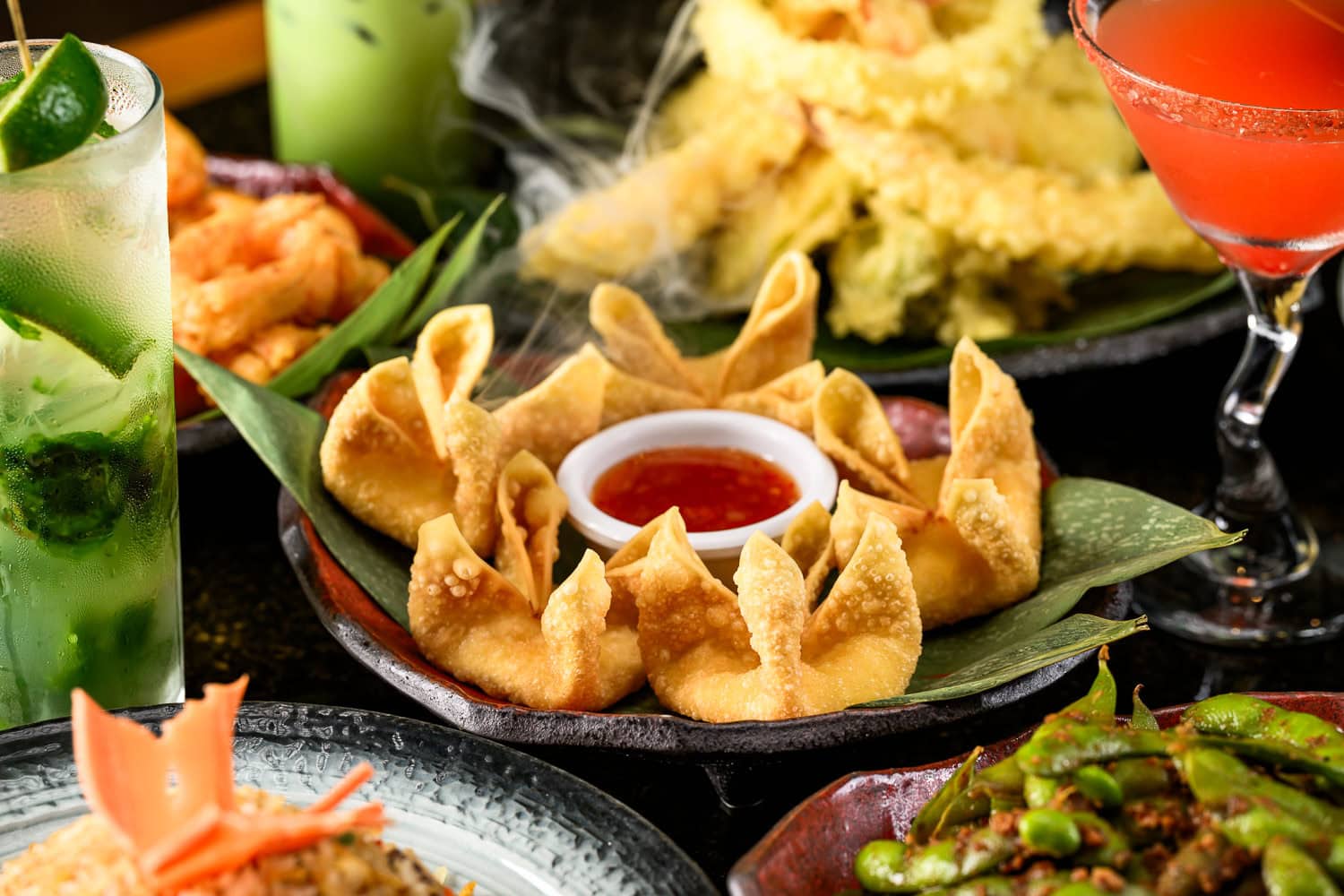
Restaurant photography starts with the food itself. Dishes must look appetizing, colorful, and inviting. Photos should highlight textures, steam, or garnishes that show freshness.
A strong food photo does not just capture the meal. It creates desire. It makes someone imagine the taste, the aroma, and the experience of eating it.
Restaurants that showcase signature dishes through professional photos can turn casual browsers into paying customers.
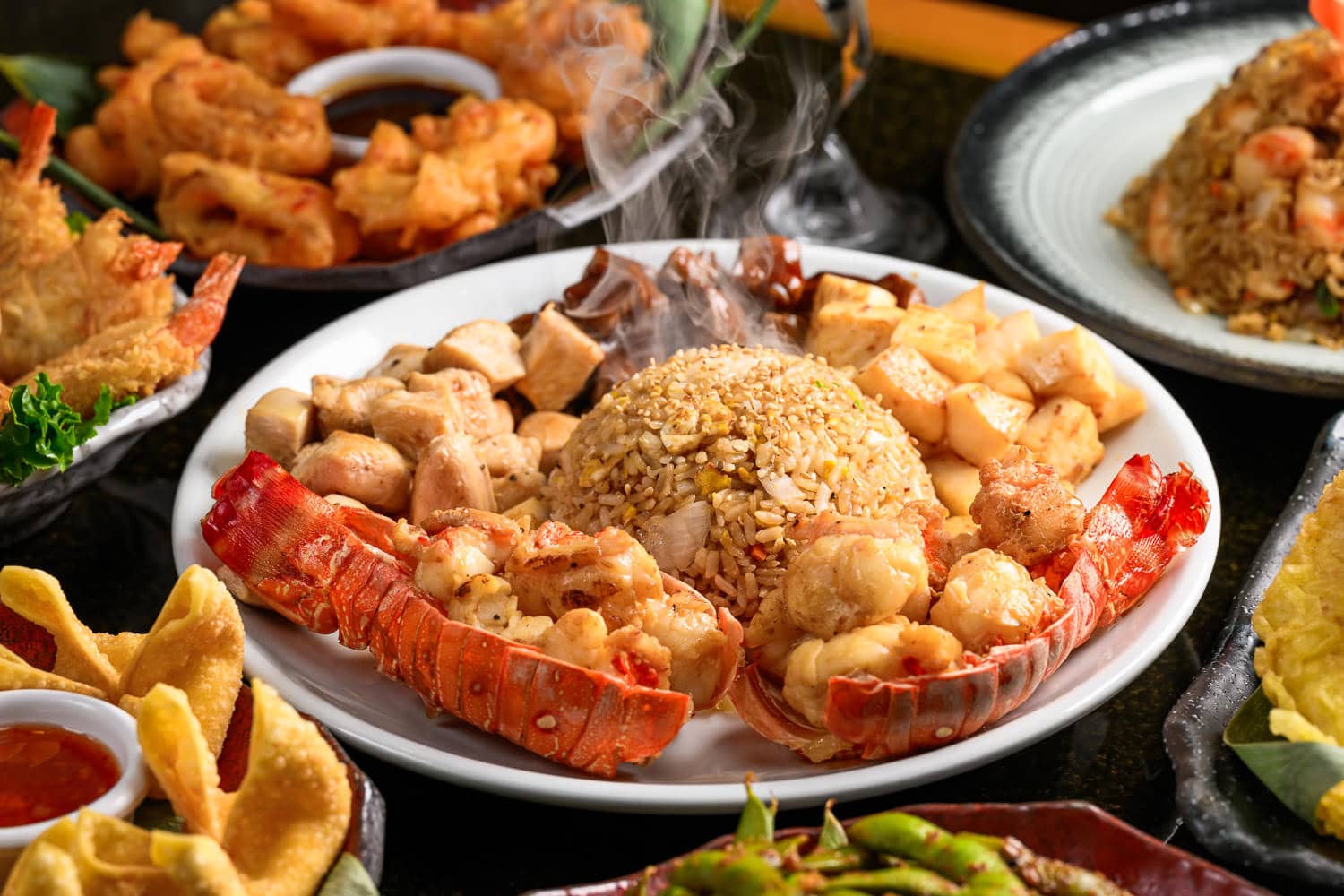
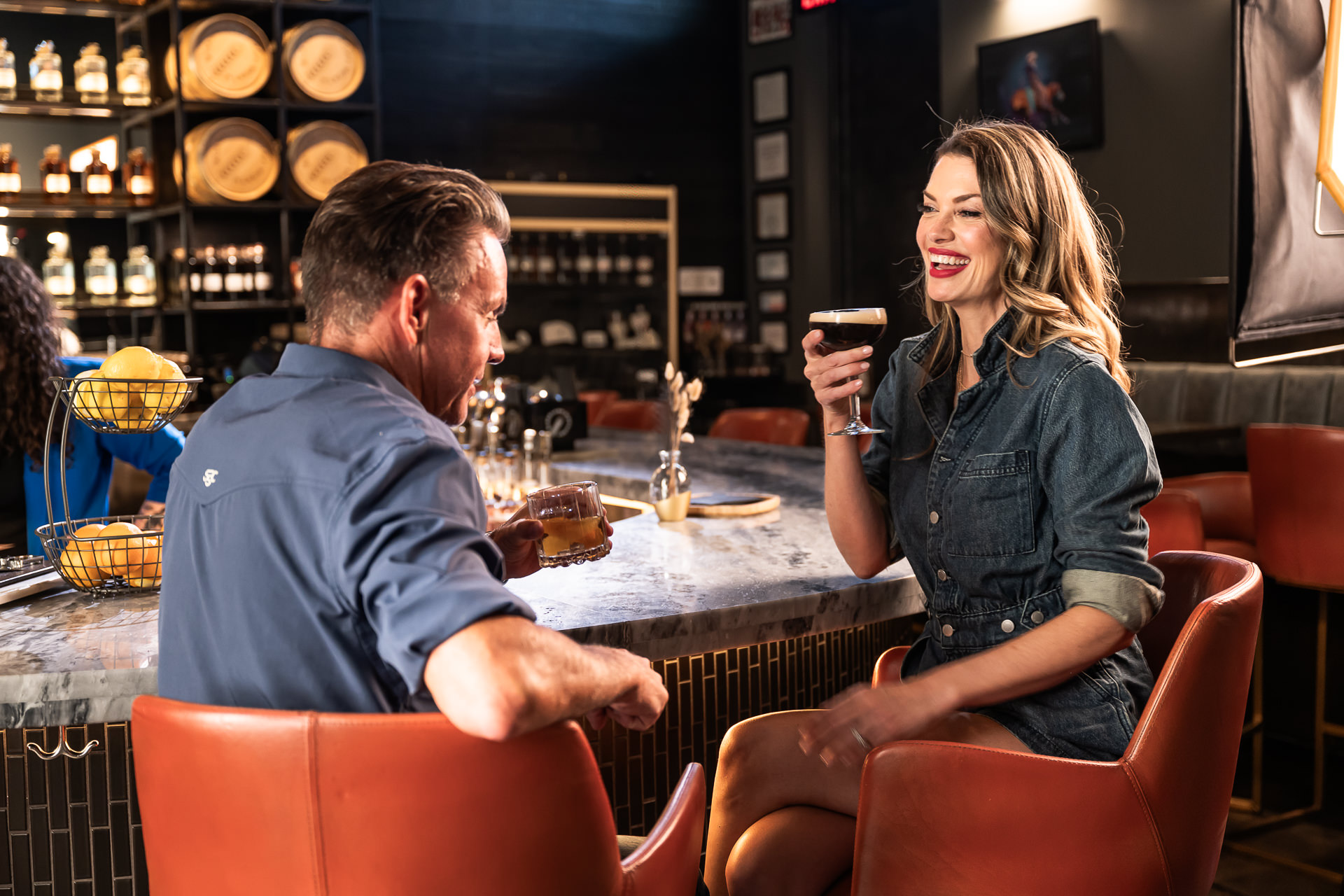
The Role of Atmosphere
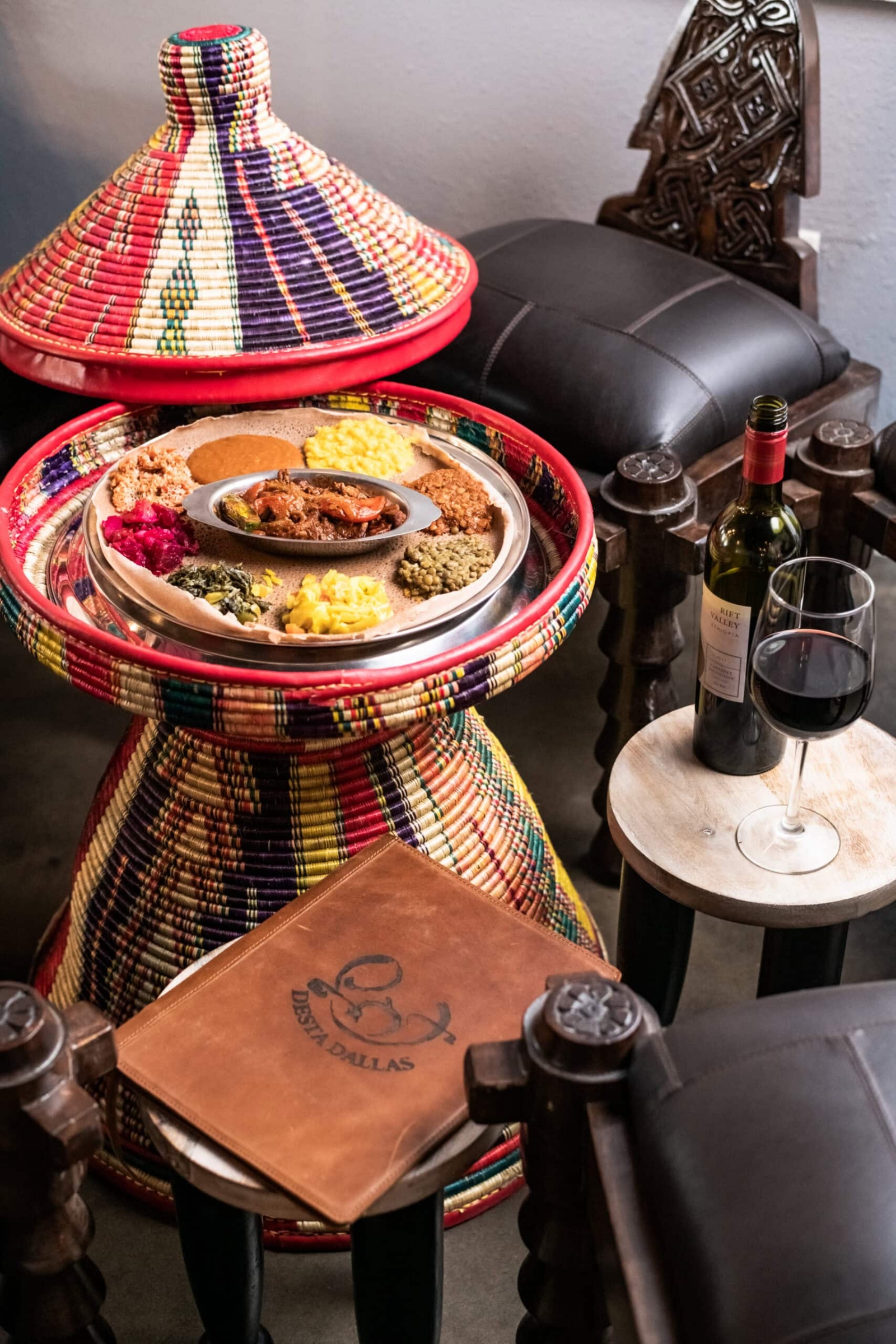
While food is essential, atmosphere also plays a key role in restaurant photography. Diners choose restaurants not only for meals but also for the experience.
Photos of the dining room, lighting, table settings, and overall vibe communicate what a guest can expect. A cozy café may highlight soft lighting and warm décor. A modern fine-dining restaurant may emphasize sleek furniture and elegant presentation.
Capturing atmosphere helps customers picture themselves in the space, enjoying the food with friends or family.
Professional vs. DIY Photography
One question many restaurant owners face is whether to hire a professional photographer or take photos themselves.
Professional photographers bring skills in composition, lighting, and editing. They know how to make dishes look appealing and how to capture the right mood. These images can be used across websites, social media, and advertising campaigns.
DIY photography can be effective for casual updates, such as posting new specials on social media. However, for a complete visual strategy, professional photography usually delivers stronger results.
Lighting in Restaurant Photography
Lighting is one of the most critical elements in restaurant photography. It affects how colors appear and whether food looks fresh or dull.
Natural light is often ideal, especially for daytime shoots. It brings out the vibrancy of ingredients and creates an inviting atmosphere. For evening photography, artificial lighting must be carefully managed to avoid harsh shadows or yellow tones.
Balanced, bright, and consistent lighting ensures dishes and interiors look their best.
Composition and Styling
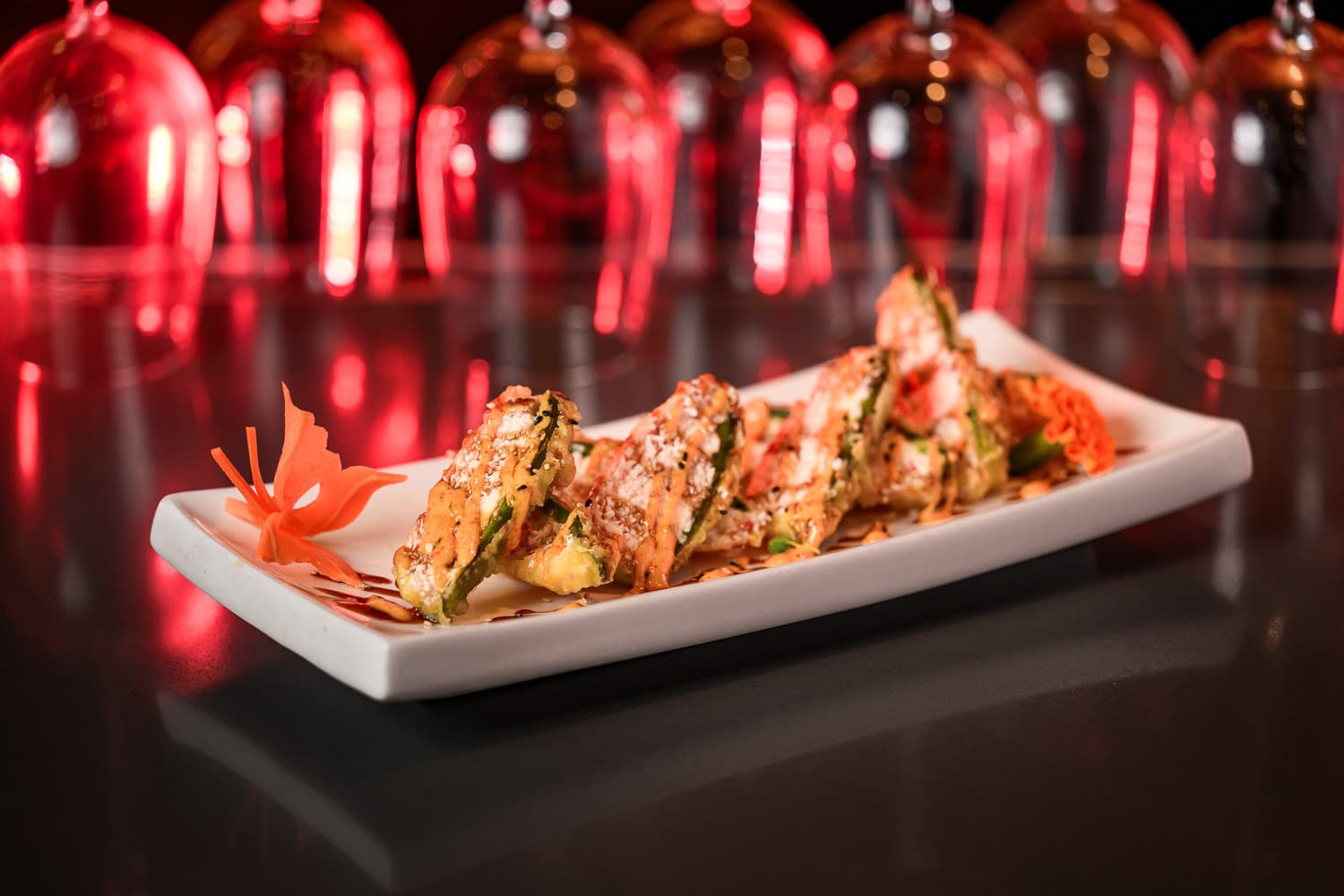
Beyond lighting, composition plays a major role in restaurant photography. Simple choices like angle, framing, and props can transform how a dish is perceived.
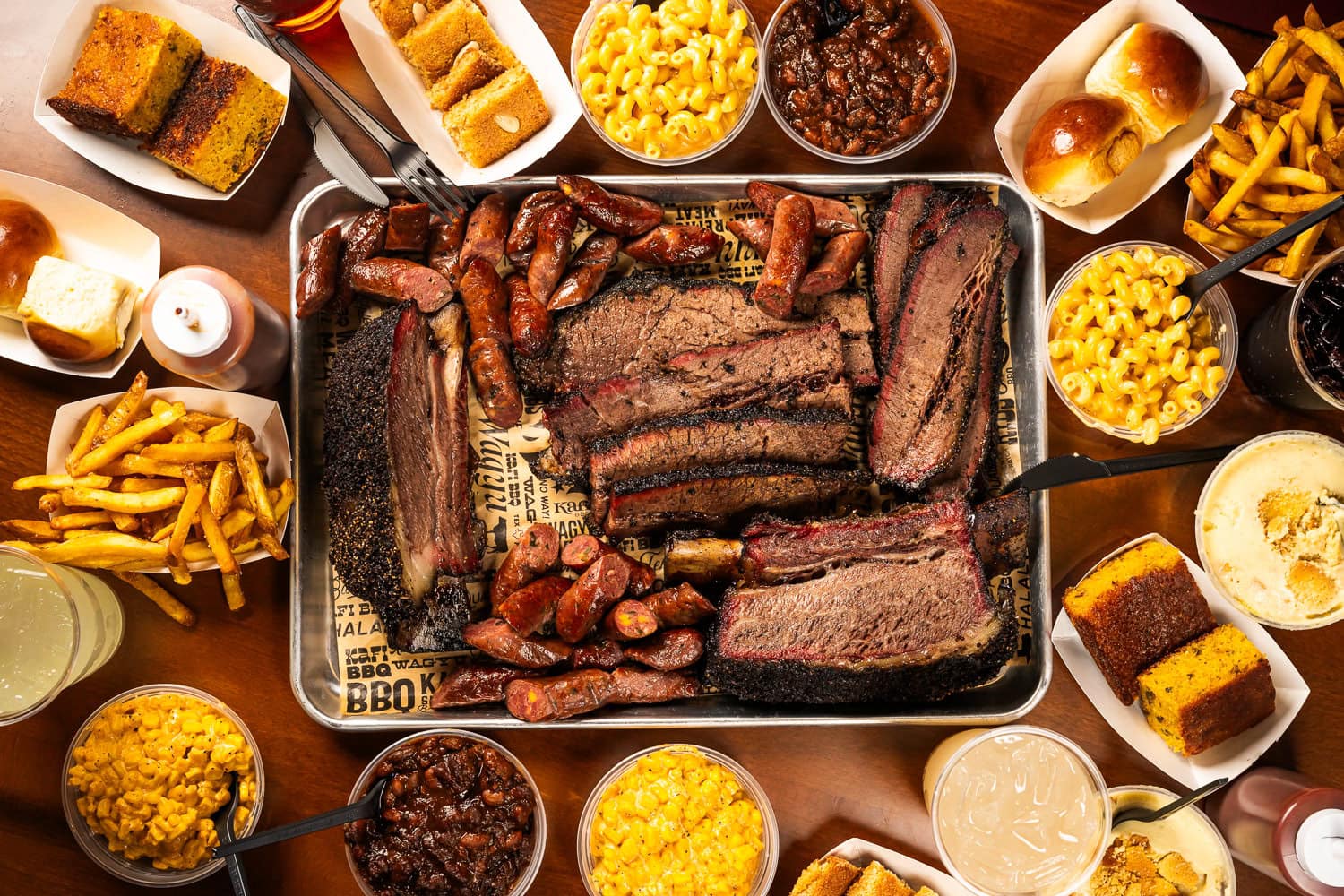
Overhead shots work well for flat dishes like pizza or charcuterie boards. Angled shots highlight layers in burgers or desserts. Close-ups can emphasize textures like crisp crusts or creamy sauces.
Styling is equally important. Plates, cutlery, and garnishes all influence the final look. A thoughtfully styled dish looks professional and encourages sharing on social media.
Showcasing Staff and Service
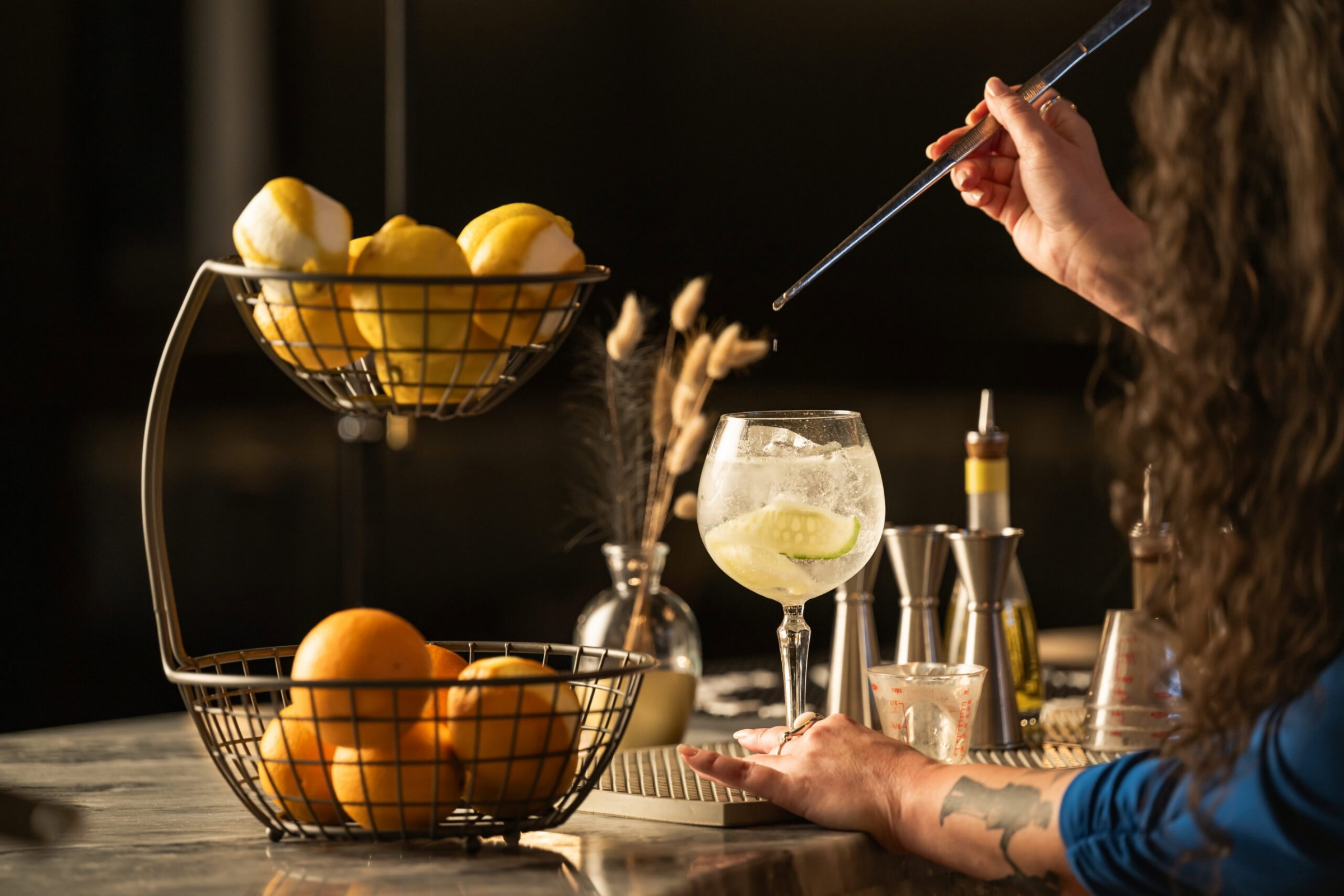
Customers connect not only with food but also with people. Photos that feature chefs, servers, or bartenders can give a restaurant personality and warmth.
Images of a chef preparing a dish or a server delivering drinks show hospitality in action. They humanize the restaurant and highlight the care that goes into each guest’s experience.
This kind of photography can also help build brand identity by emphasizing friendliness, professionalism, or creativity.
Seasonal and Menu Updates
Menus change with the seasons, and photography should too. Fresh images keep marketing materials relevant and exciting.
For example:
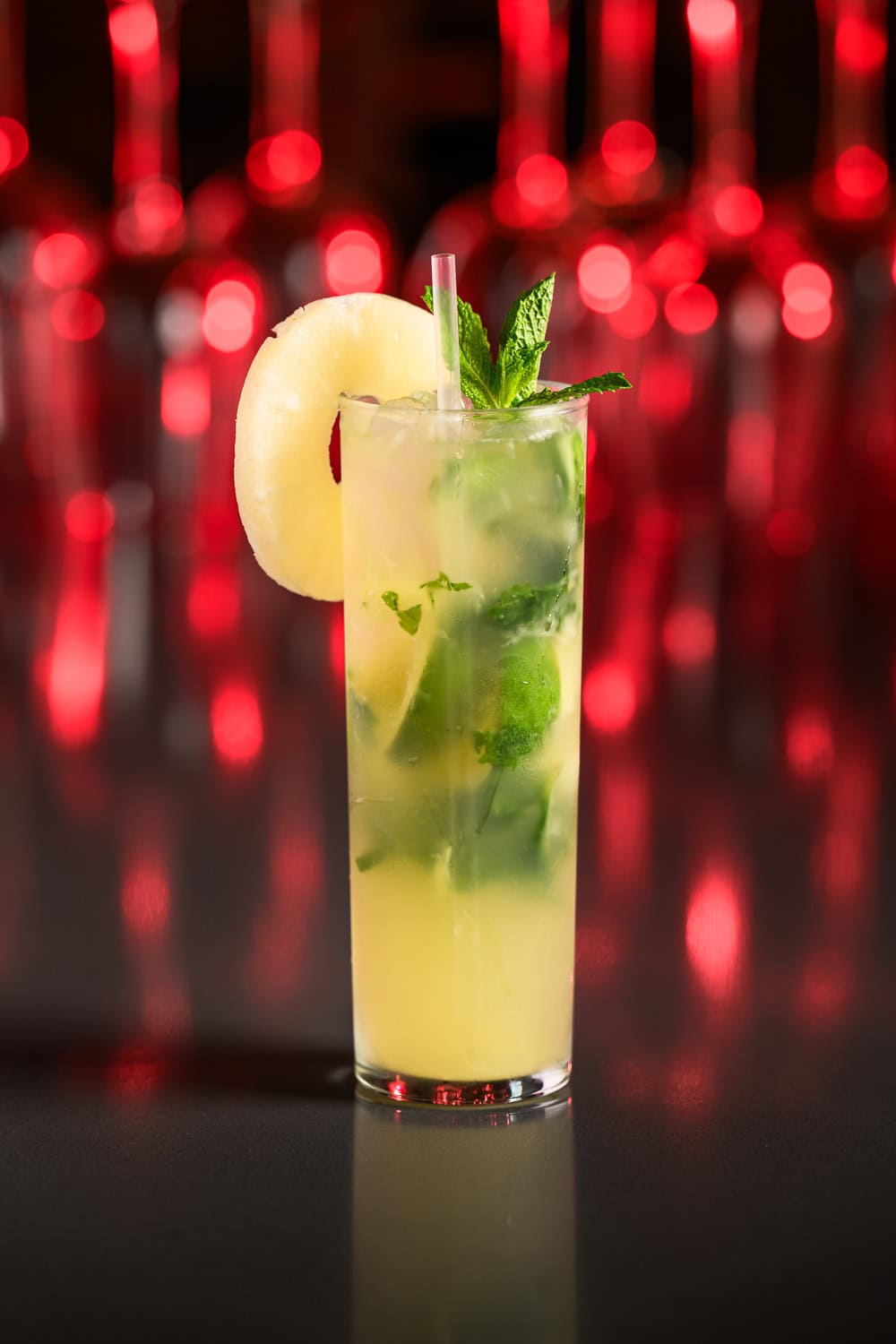
Summer menus may highlight bright, colorful salads and cocktails.
Winter menus may feature hearty stews or festive desserts.
Updating photos with menu changes signals that a restaurant is active, current, and ready to welcome guests.
Social Media and Shareability
Restaurant photography is especially powerful on social media. Platforms like Instagram and Facebook thrive on high-quality visuals.
Well-photographed dishes are more likely to be shared, liked, and commented on. This increases visibility and encourages word-of-mouth promotion.
Restaurants can also encourage customers to share their own photos by creating photogenic spaces or adding branded hashtags. This user-generated content extends marketing reach at little cost.
Website and Online Menus
Photos play a major role on restaurant websites and digital menus. Visitors should be able to see dishes clearly and understand portion sizes, presentation, and style.
An online menu without photos can feel incomplete, while one with strong images can drive orders. For restaurants with online ordering or delivery services, appealing food photos often make the difference between abandoned carts and successful sales.
Consistency Across Platforms
For marketing success, photography should be consistent across platforms. A customer browsing Instagram should see the same quality of images as on the website or Google listing.
Consistency builds trust. It signals that the restaurant pays attention to detail and cares about presentation. It also reinforces brand identity by creating a recognizable visual style.
Working with Influencers
Restaurant photography can also extend beyond official marketing materials. Many restaurants collaborate with food bloggers or local influencers.
Inviting influencers to photograph and share their dining experience can reach new audiences. While these photos may differ in style from professional shots, they add authenticity and variety to the restaurant’s image portfolio.
The Cost of Poor Photography
While professional photography requires investment, poor photography can be more costly in the long run.
Blurry, dark, or unappetizing images can discourage customers. Even if the food tastes incredible, unattractive photos may prevent people from giving the restaurant a chance.
In contrast, strong photography can increase bookings, reservations, and delivery orders, making it a worthwhile marketing expense.
Photography and Branding
Every restaurant has a brand, whether casual and family-friendly, modern and chic, or fine dining. Photography should reflect that brand.
For example:
Rustic restaurants may use warm tones and natural textures.
Trendy cafés may opt for minimalist styling and bright lighting.
Luxury restaurants may highlight elegance with dramatic compositions.
By aligning photography with branding, restaurants create a stronger, more memorable identity.
Building a Photography Plan
To make the most of restaurant photography, it helps to create a structured plan. This can include:
Scheduling regular photo sessions.
Updating images with menu changes.
Planning seasonal shoots.
Deciding which platforms to prioritize.
A clear plan ensures consistent, high-quality visuals that support marketing goals.
Photography for Advertising
Restaurant photos are not only for websites and social media. They also play a role in advertising, whether digital or print.
Strong visuals can enhance email campaigns, Google ads, or flyers. They grab attention quickly and communicate the restaurant’s appeal before a single word is read.
Because advertising often reaches people unfamiliar with the restaurant, the quality of photos is especially critical.
The Future of Restaurant Photography
As technology advances, restaurant photography continues to evolve. Video content, reels, and short clips are becoming more popular on social media. Interactive menus and 360-degree restaurant tours also use photography to engage customers.
Even with these new formats, the core principle remains the same: strong visuals create stronger connections with customers.
Key Takeaways
Restaurant photography is not optional—it is essential for marketing success. From food photos to interior shots, from social media posts to online menus, visuals influence how customers perceive a restaurant.
By investing in professional photography, maintaining consistency, and aligning images with branding, restaurants can stand out in a competitive market.
In an age where customers make decisions with their eyes first, the right photography strategy can turn curiosity into reservations and online searches into loyal diners.
Commercial Culinary & Restaurant Photography.
From hero dish plating and beverage beverage styling to multi-location restaurant interiors and kitchen action, partner with David Loi Studios for high-impact food imagery across Dallas-Ft Worth and nationwide.
Speak directly with David regarding food styling coordination, lighting setups, shot list scheduling, and restaurant production dates.
Call David Loi: (214) 773-2424Request Food Photography Info
Detail your menu concept, number of dishes, location parameters, and target shoot dates below.