
David Loi: Your Restaurant Photographer in Dallas, TX
David Loi Studios, led by experienced restaurant photographer David Loi, serves clients across numerous cities and states.
Based in Dallas, Texas, David brings exceptional commitment and culinary insight to every food photography project. Searching for a “restaurant photographer near me”? Contact David Loi Studios today.
Today’s food industry requires high-quality visuals.
Professional food photography is a must if your restaurant aims to boost conversions and sales on popular delivery apps like Grubhub, Instacart, Gopuff, DoorDash, and OpenTable.
Investing in visually appealing images of your menu items is a direct investment in your bottom line. Stunning photos capture attention, entice customers, and ultimately drive orders.
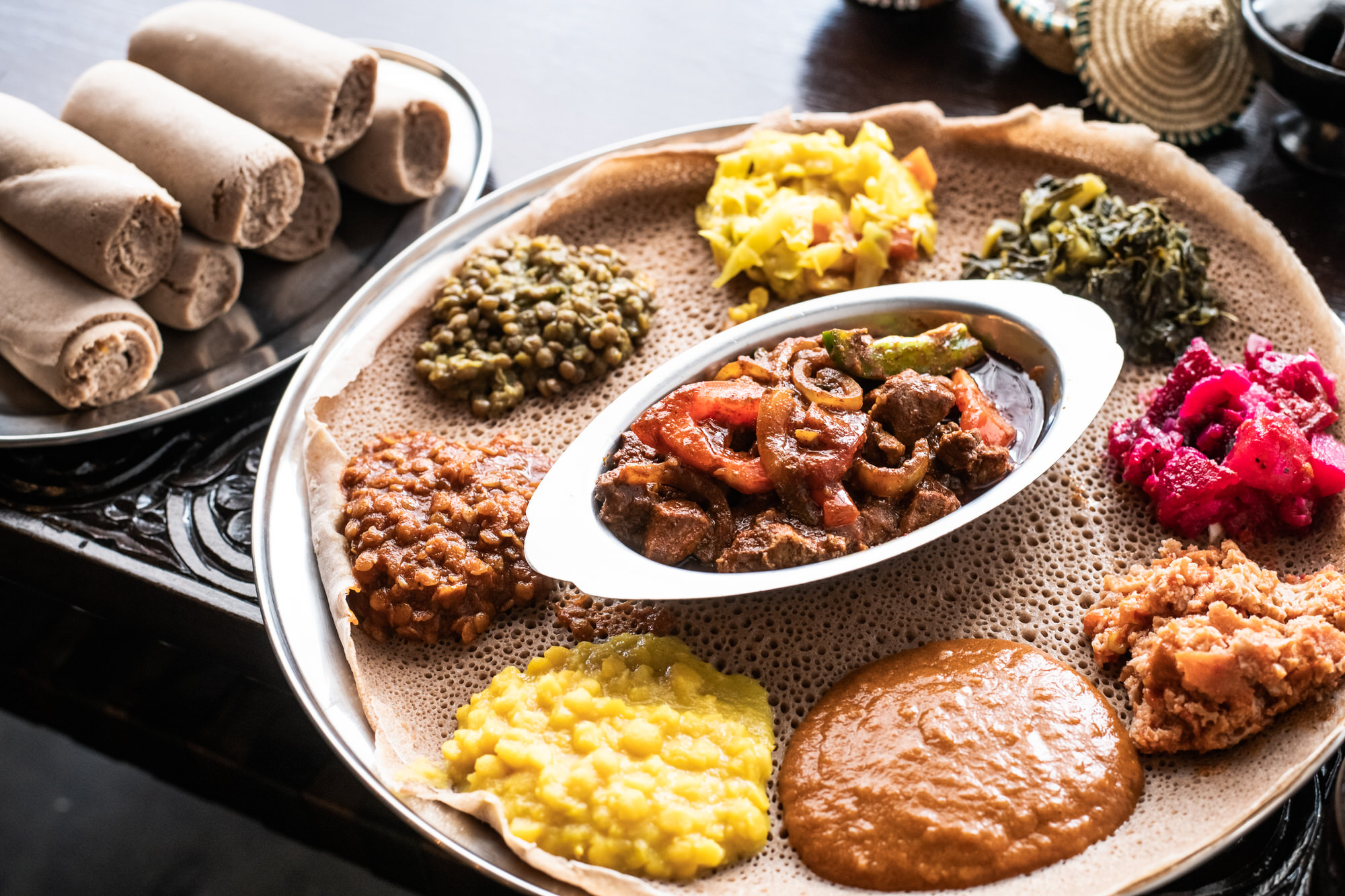
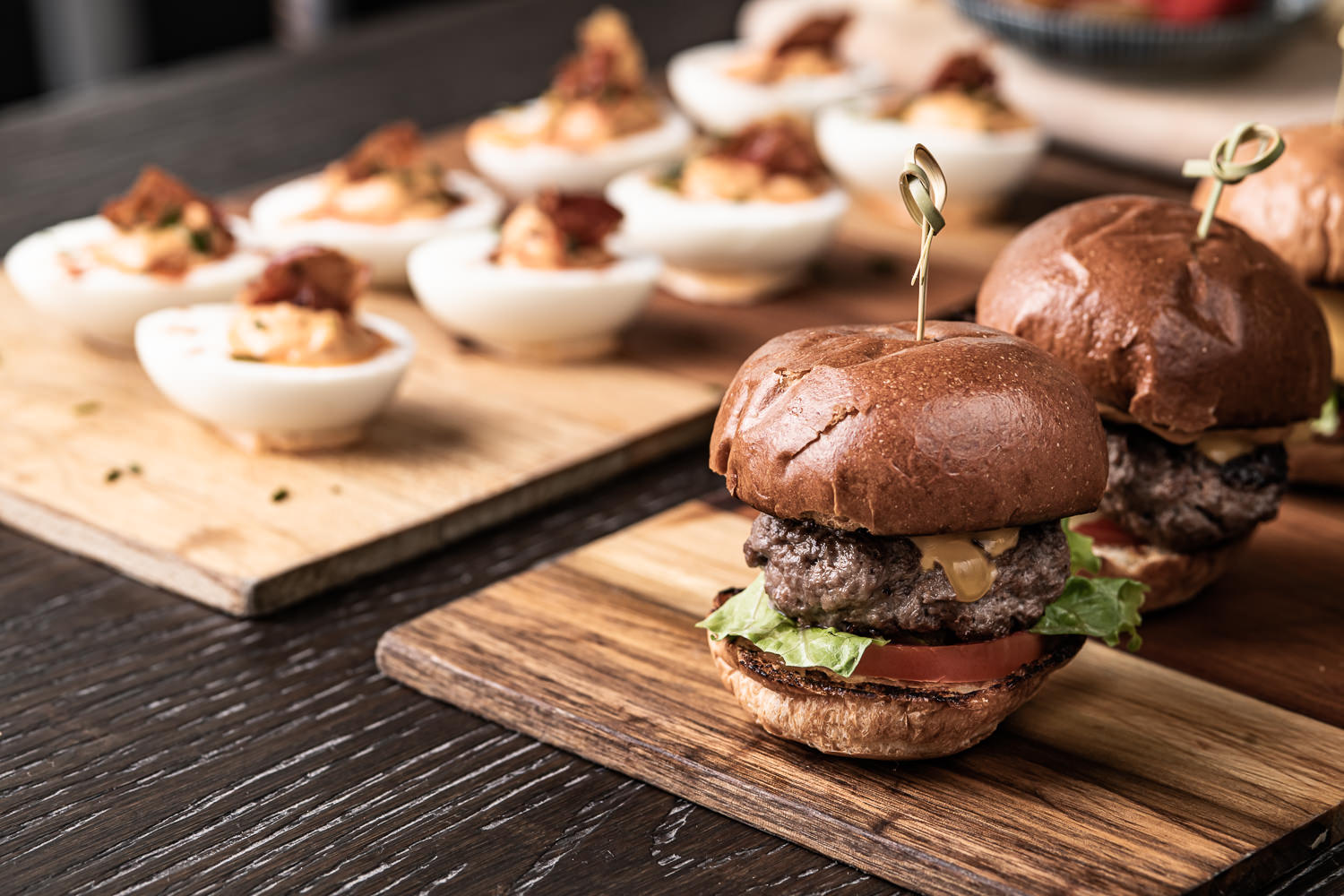
Beyond online platforms, David Loi Studios also specializes in modernizing physical menus as a restaurant photographer. Imagine your dishes showcased in vibrant, mouthwatering detail, enticing diners to explore your culinary creations. Professional restaurant food photography offers long-term benefits, enhancing the dining experience and creating a positive impression. A well-crafted menu with captivating images elevates your brand and encourages customers to try new dishes.
David Loi’s expertise as a restaurant photographer extends beyond simply taking pictures. We understand the art of food styling and the impact of perfect lighting. We collaborate closely with clients to ensure each dish is presented in its most appealing light, evoking an emotional connection with viewers.
These carefully curated food images not only look delicious but also tell the story of your restaurant’s passion and culinary artistry. The emotional response generated by professional food photography translates into increased customer engagement, a stronger brand identity, and ultimately, a more successful restaurant.
Benefit from the power of professionally shot food; contact David Loi Studios to transform your menu and elevate your culinary brand.
Contact restaurant photographer David Loi Studios today: Email david@davidloistudios.com or call 214-233-5641
Areas Served
While based in Dallas, I proudly serve clients throughout the greater Dallas-Fort Worth metroplex, including Fort Worth, Frisco, Addison, Richardson, Plano, Burleson, and North Richland Hills.
My services also extend to major Texas cities like Austin, Houston, and San Antonio.
Beyond Texas, I’ve collaborated with clients in Louisiana, Oklahoma, New Mexico, and Colorado, demonstrating my willingness to travel for your photography needs. Don’t hesitate to reach out, no matter your location!
Our Commitment & Platinum Guarantee
At David Loi Studios, we guarantee 110% effort on every project. With over a decade of professional experience, we bring expertise and dedication to each shoot. Our portfolio includes work with renowned brands such as Hewlett Packard, the Dallas Cowboys, Lowe’s, and many other leading companies.
Twenty Types of Food Photography: A Guide for David Loi Studios’ Clients
Food photography is more than just taking a picture of a dish; it’s about capturing the essence of the food, its texture, aroma, and the emotions it evokes. At David Loi Studios, we understand the nuances of food photography and how to create images that not only look delicious but also tell a story. To help our clients understand the breadth of our expertise, we’ve outlined twenty distinct styles of food photography, each with its own unique approach and purpose.
- Classic or Traditional Food Photography
This style focuses on showcasing the food in its most appealing and realistic form. Think of beautifully composed dishes on elegant plates, often shot in a studio setting with controlled lighting. The emphasis is on highlighting the colors, textures, and overall presentation of the food, making it look inviting and appetizing. This is a timeless approach, perfect for cookbooks, restaurant menus, and high-end food advertising.
- Lifestyle Food Photography
This style goes beyond just the food itself and incorporates it into a larger scene. It tells a story about the food and the people enjoying it. Imagine a family gathered around a table laden with delicious dishes, or a single person enjoying a quiet meal in a cozy setting. Lifestyle photography aims to capture the atmosphere and emotions associated with food, making it relatable and aspirational.
- Editorial Food Photography
Often seen in magazines and newspapers, editorial food photography aims to complement a story or article. It can be more artistic and conceptual, focusing on visual storytelling rather than just showcasing the food. These images might be more abstract or use unconventional compositions to capture the reader’s attention and illustrate the accompanying text.
- Commercial Food Photography
This style is all about selling the product. Commercial food photography is used in advertising, packaging, and marketing materials. The focus is on making the food look as appealing as possible to entice consumers to buy it. This often involves meticulous styling and lighting, as well as careful attention to branding and messaging.
- Product Food Photography
Similar to commercial photography, product food photography focuses specifically on showcasing the food product itself. This could be a single ingredient, a packaged food item, or a prepared meal. The goal is to highlight the product’s features and benefits, making it look desirable and trustworthy.
- Still Life Food Photography
This style takes inspiration from classic still life paintings, emphasizing composition, light, and texture. The food is often arranged carefully on a surface, and the focus is on creating a visually appealing and artistic image. Still life food photography can be used to showcase the beauty of food as an art form.
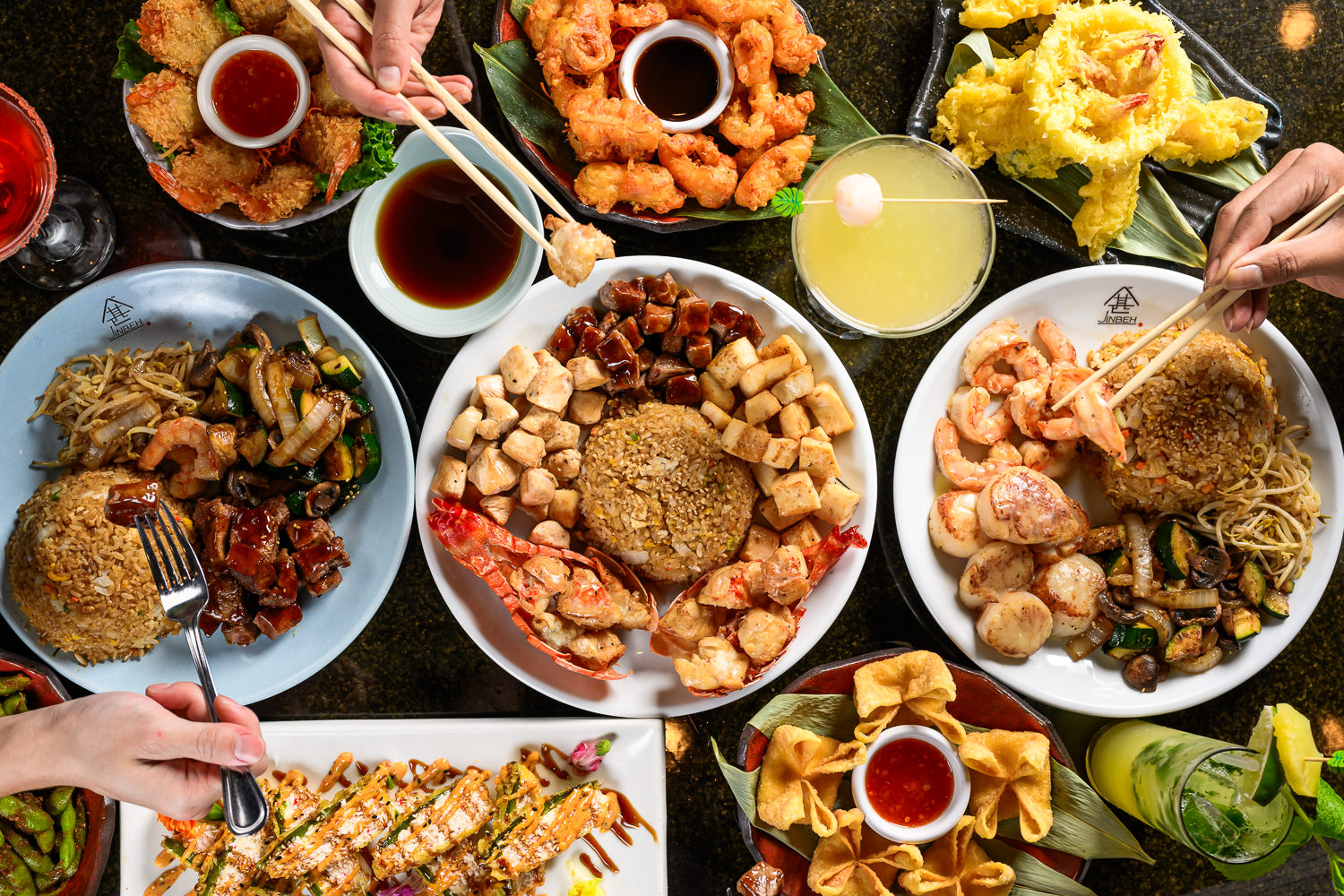
- Flat Lay Food Photography
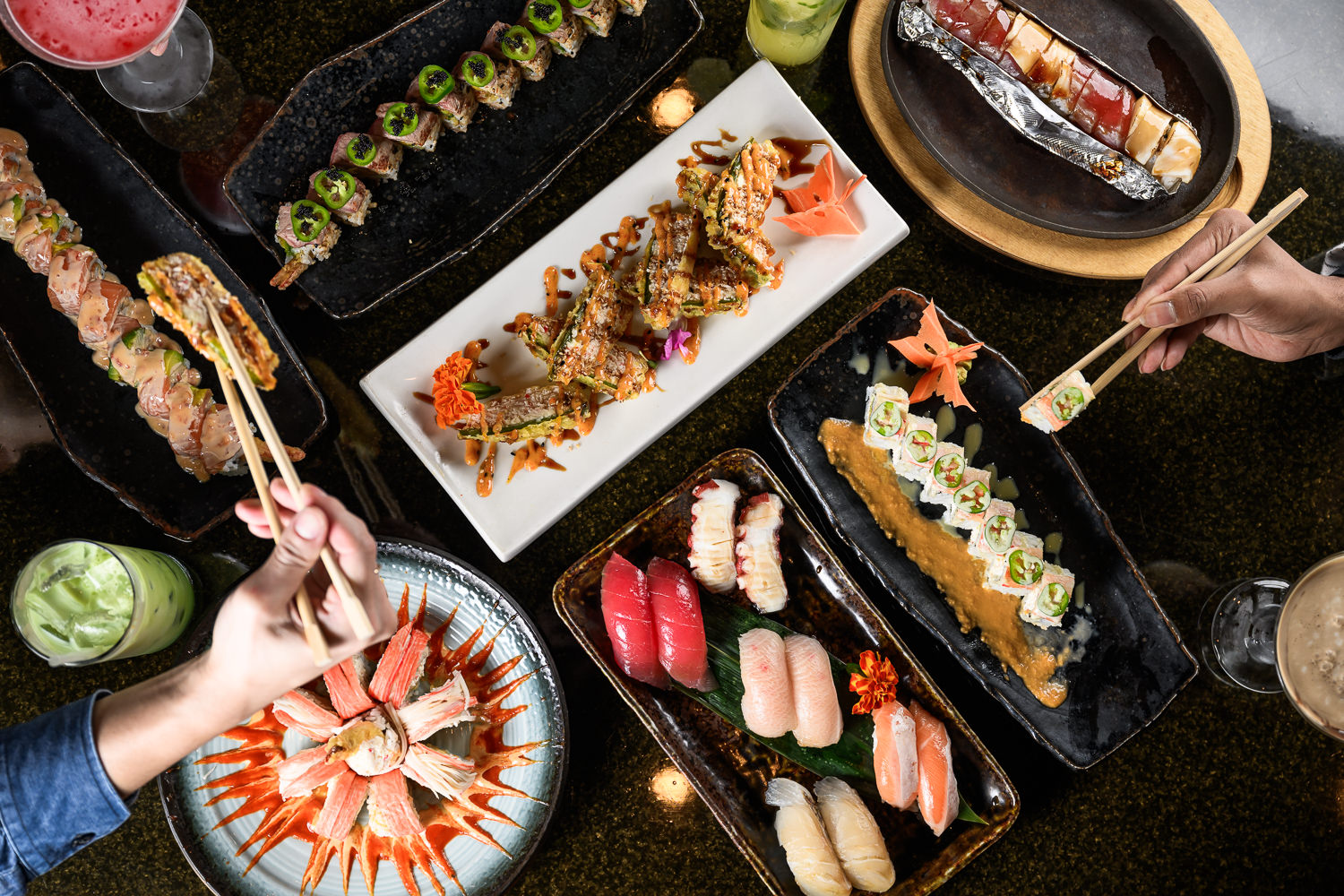
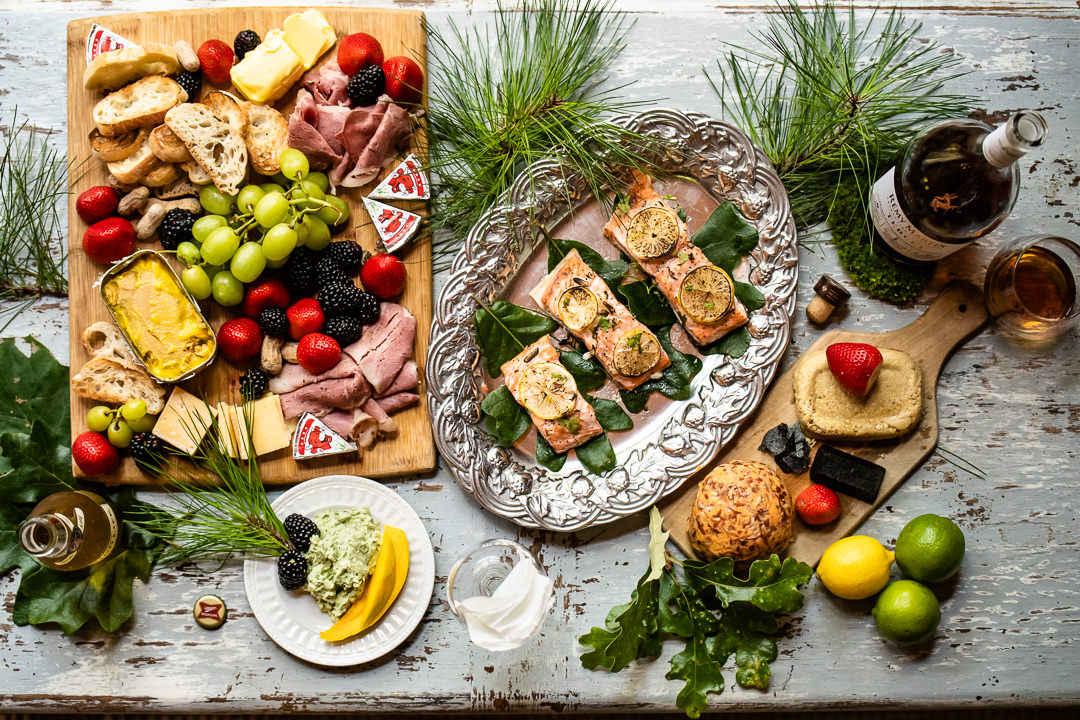
This popular style involves shooting the food from directly above, creating a flat, two-dimensional image. Flat lays are often used for social media and food blogs, as they are easy to view on mobile devices. They allow for creative arrangements and storytelling through the placement of various elements around the food.
- Close-Up or Macro Food Photography
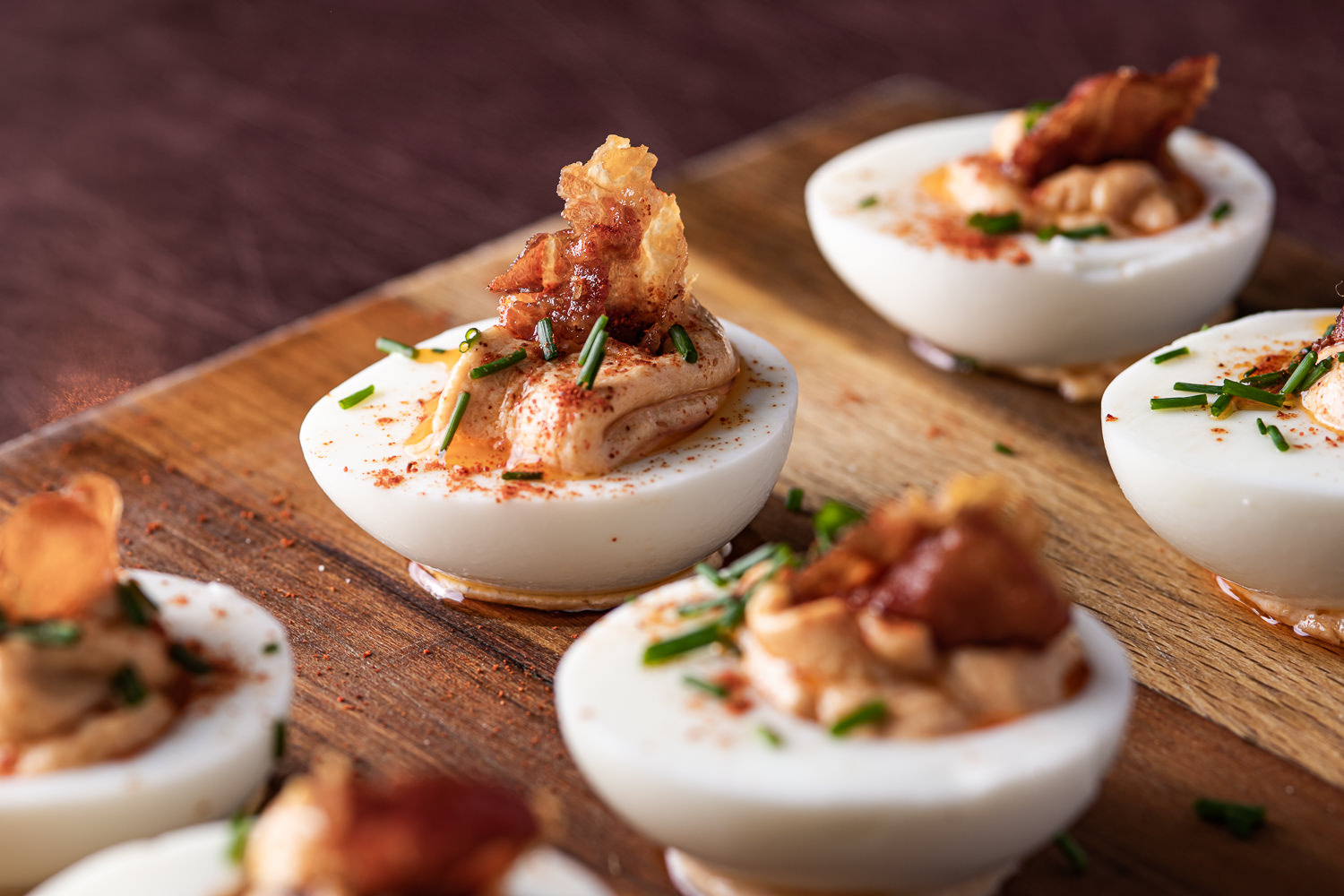
This style magnifies the food, revealing its intricate details and textures. Close-up shots can be used to highlight the freshness of ingredients, the delicate layers of a pastry, or the glistening surface of a sauce. They can be incredibly impactful, drawing the viewer’s attention to the smallest details.
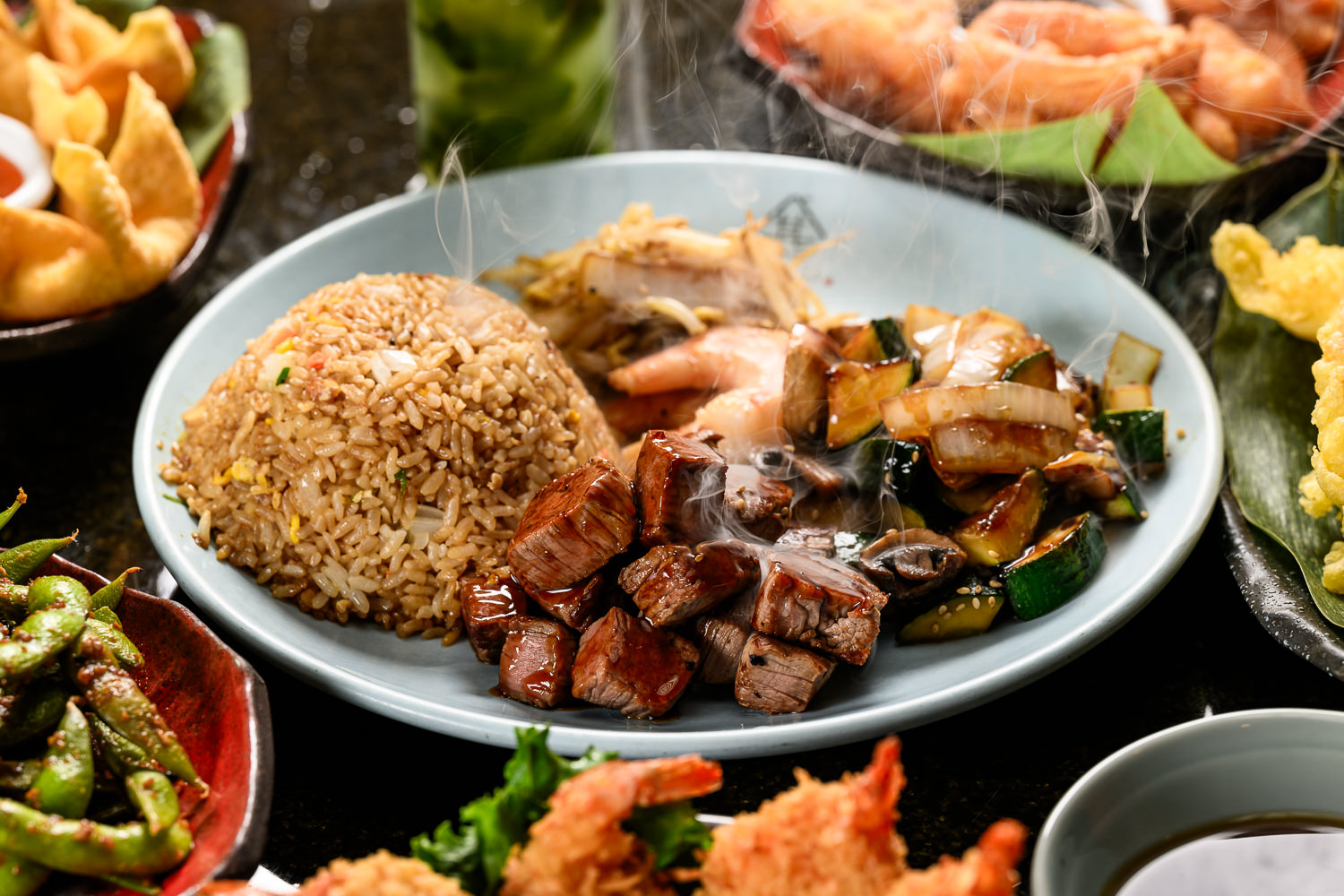
- Food in Motion Photography
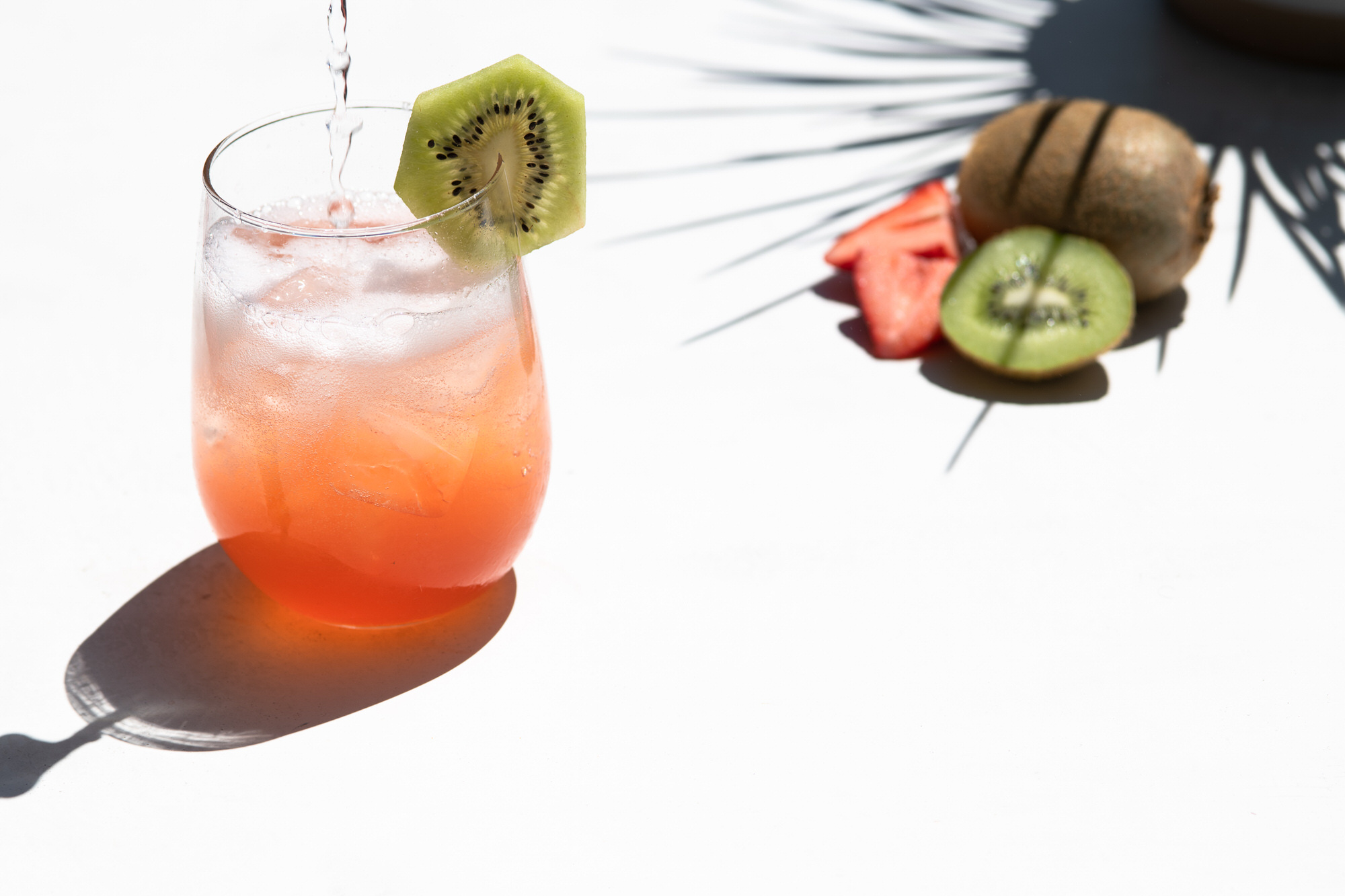
This dynamic style captures the movement of food, such as pouring a sauce, slicing a cake, or steam rising from a hot dish. Food in motion photography adds a sense of energy and excitement to the image, making the food feel more alive and engaging.
- Abstract Food Photography
This style pushes the boundaries of traditional food photography, focusing on shapes, colors, and textures rather than realistic representation. Abstract food photography can be used to create visually stunning and artistic images that evoke emotions and spark the imagination.
- Minimalist Food Photography
This style embraces simplicity, using clean backgrounds, minimal props, and a focus on the essential elements of the food. Minimalist food photography can be incredibly impactful, highlighting the beauty of the food through its simplicity.
- Dark and Moody Food Photography
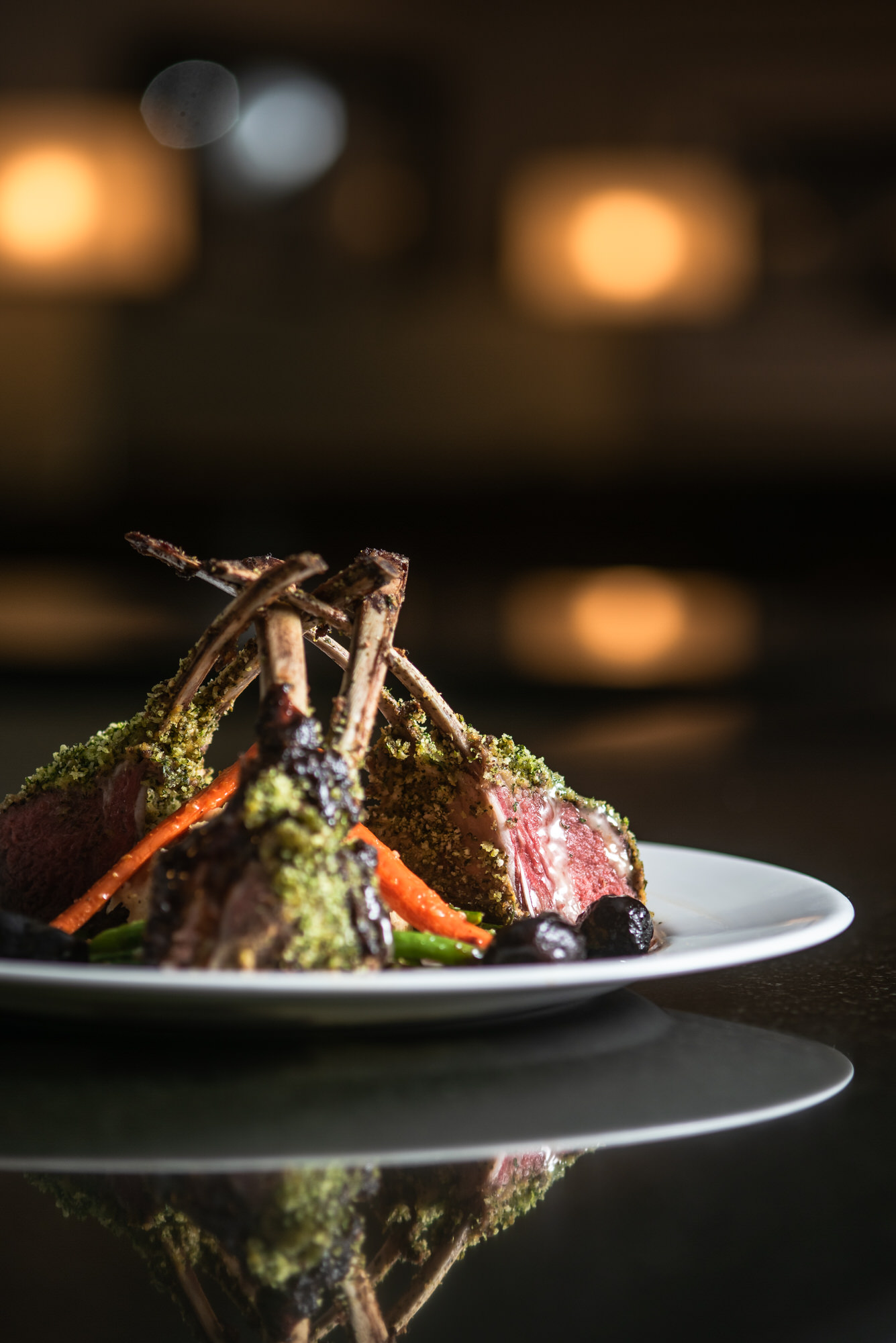
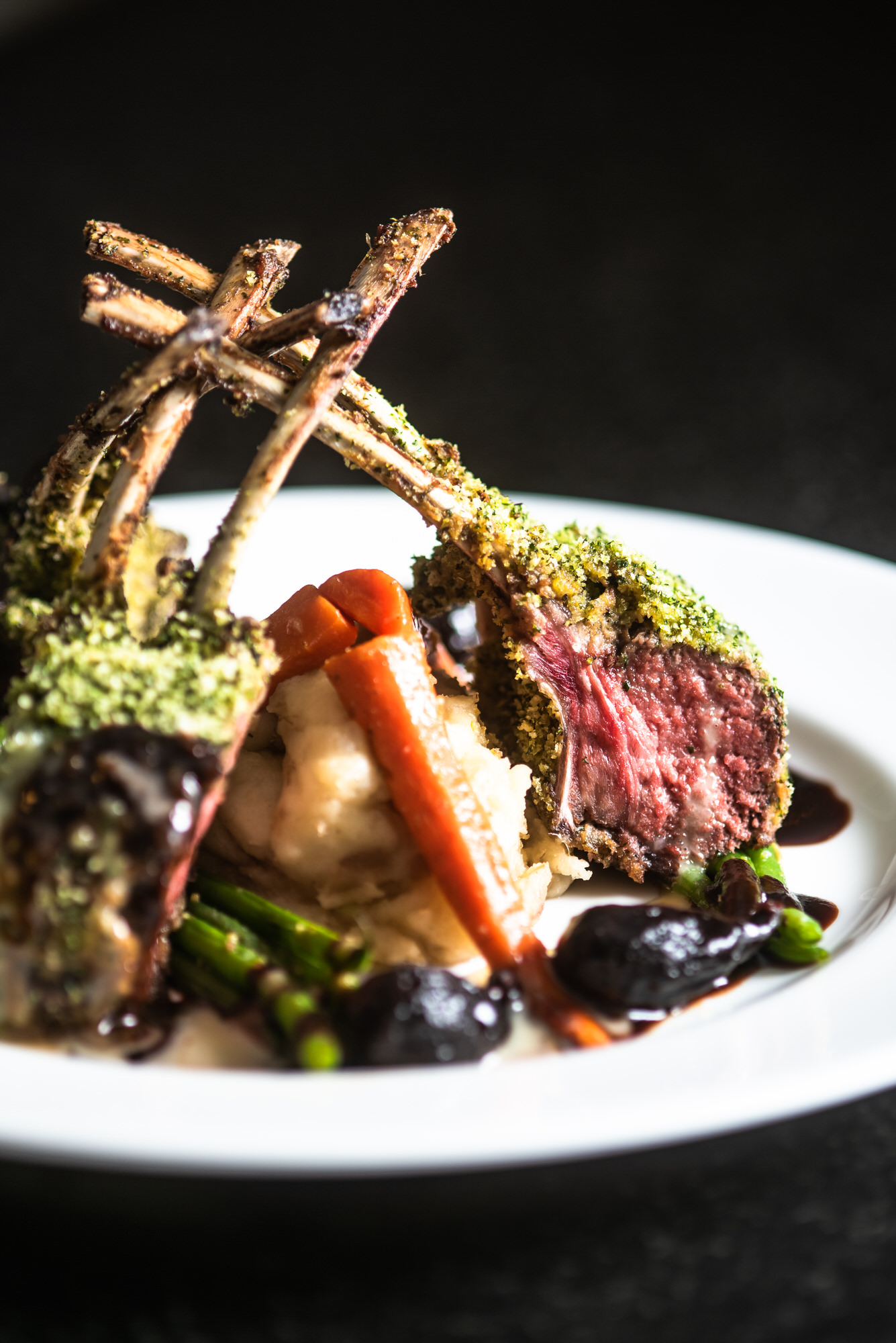
This style uses dark backgrounds, dramatic lighting, and rich textures to create a sense of mystery and intrigue. Dark and moody food photography can be used to evoke a sense of luxury, sophistication, or even a touch of gothic charm.
- Light and Airy Food Photography
This style uses bright, natural light, light backgrounds, and soft shadows to create a sense of freshness and lightness. Light and airy food photography is often used for healthy food, desserts, and beverages, conveying a sense of purity and deliciousness.
- Rustic Food Photography
This style embraces natural textures, imperfect arrangements, and a sense of warmth and authenticity. Rustic food photography often features homemade dishes, farm-to-table ingredients, and vintage props, evoking a sense of tradition and comfort.
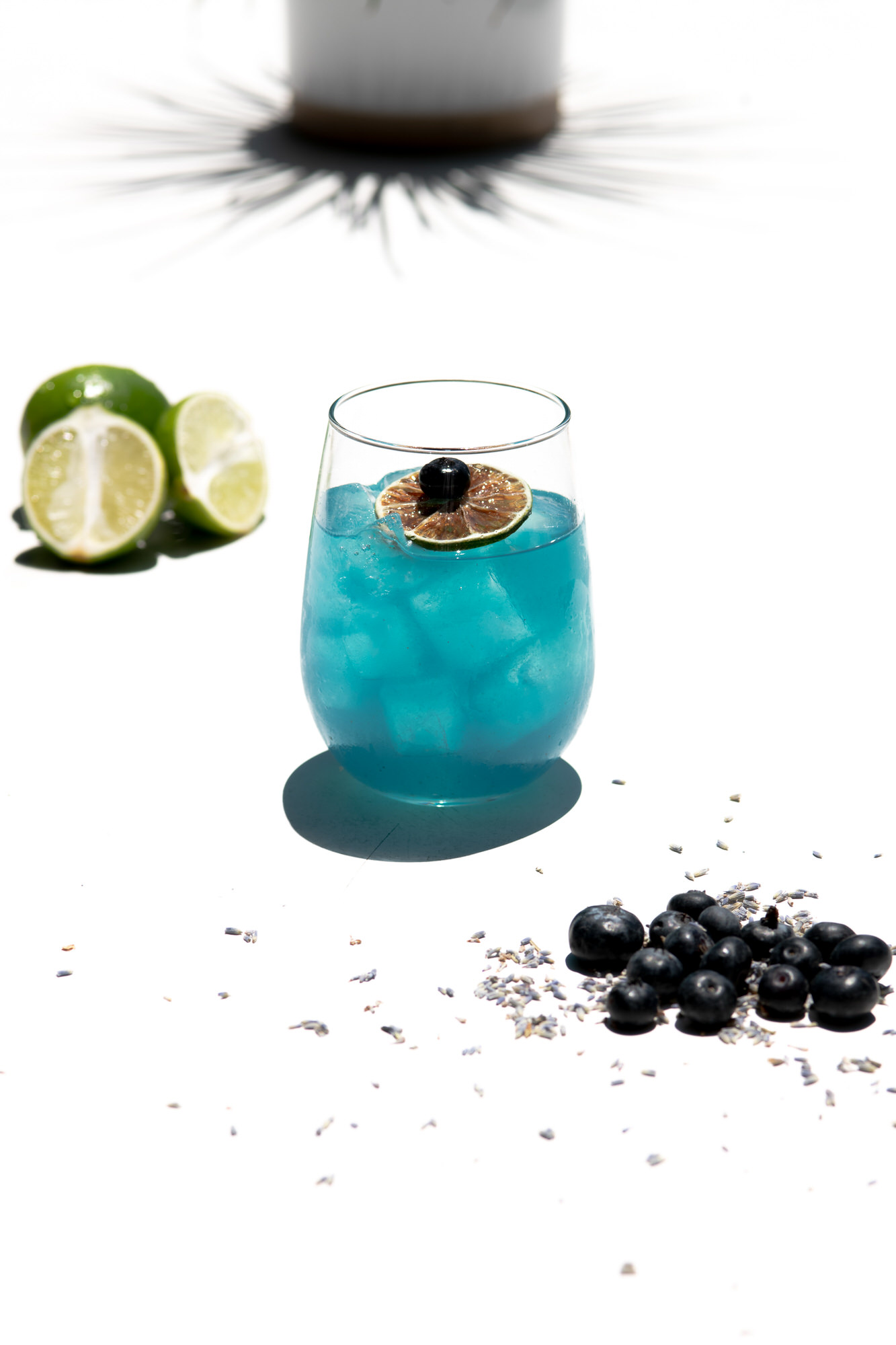
- High-Key Food Photography
This style uses bright, even lighting and a predominantly white or light background. High-key food photography creates a clean, modern, and airy feel, often used for showcasing light and delicate dishes.
- Low-Key Food Photography
This style uses dark backgrounds, dramatic lighting, and strong shadows. Low-key food photography creates a moody, dramatic, and often luxurious feel, suitable for rich and decadent dishes.
- Storytelling Food Photography
This style goes beyond simply showing the food; it tells a story about the origins of the dish, the ingredients used, or the person who prepared it. Storytelling food photography can be used to connect with the viewer on a deeper level, creating a more meaningful and engaging experience.
- Candid Food Photography
This style captures spontaneous moments related to food, such as people cooking, sharing a meal, or enjoying a food experience. Candid food photography feels natural and unposed, capturing the joy and connection associated with food.
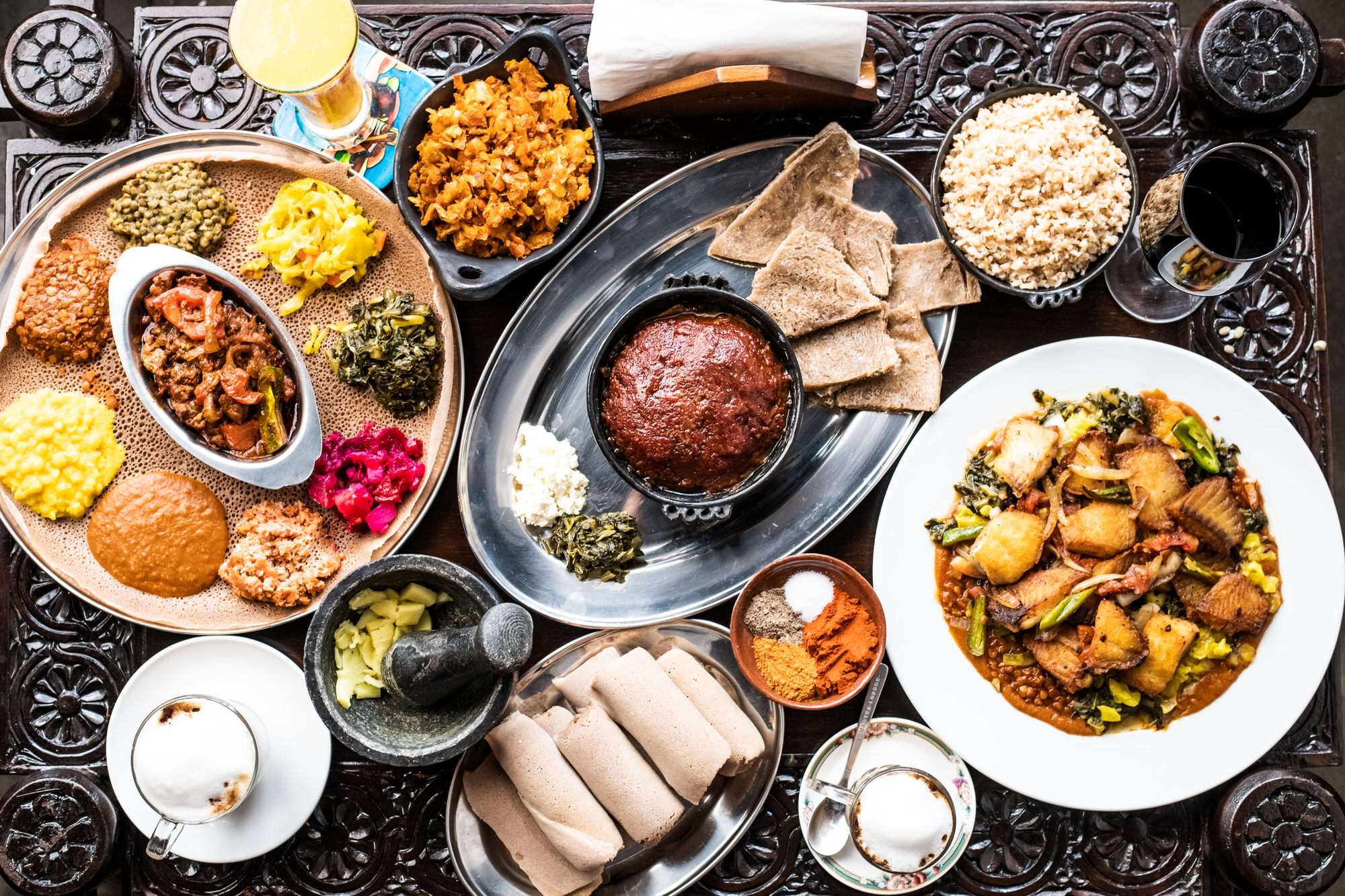
- Culinary Travel Photography
This style documents food experiences in different locations around the world. It captures the local cuisine, food markets, street food, and dining experiences, showcasing the diversity and richness of food cultures.
- Food Art Photography
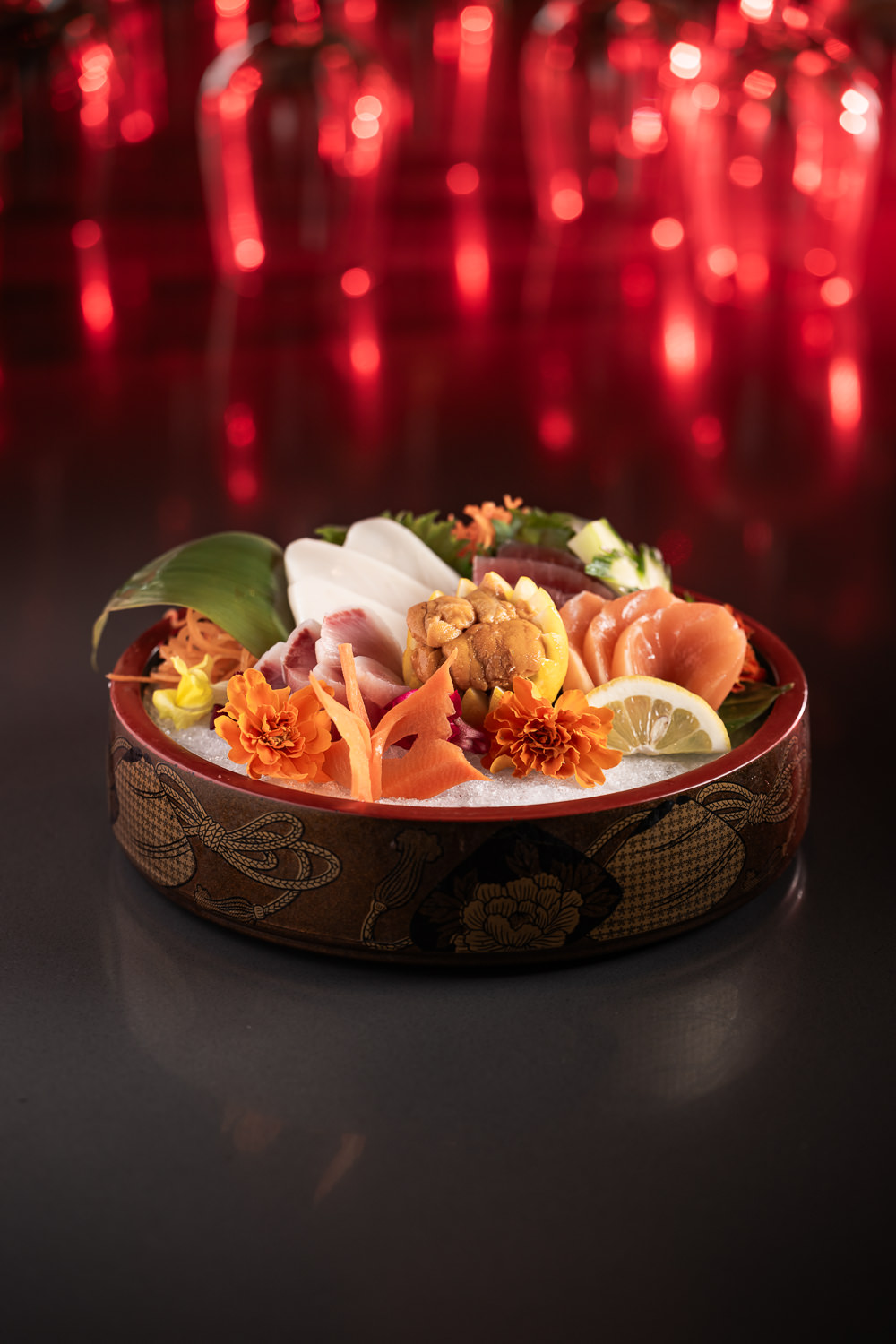
Your restaurant photographer will transform your beautiful food into art, using creative arrangements, unexpected props, and artistic techniques to create visually stunning images. Food art photography can be used to showcase the beauty and versatility of food as a medium for artistic expression.
David Loi Studios is proficient in all these styles of food photography. We work closely with our clients to understand their vision and create images that perfectly capture the essence of their food and brand. Whether you need classic images for a cookbook, lifestyle shots for your website, or eye-catching visuals for your social media, we have the expertise and creativity to deliver exceptional results. We believe that food photography is an art form, and we are passionate about creating images that not only look delicious but also tell a story and connect with your audience.