
The Power of Authentic Imagery in Commercial Photography
Introduction to Authentic Imagery
Commercial photography plays an important role in how brands communicate. The images chosen for campaigns, websites, and advertisements influence how people perceive a company. In today’s digital world, authentic imagery has become more valuable than ever.
What Is Authentic Imagery?
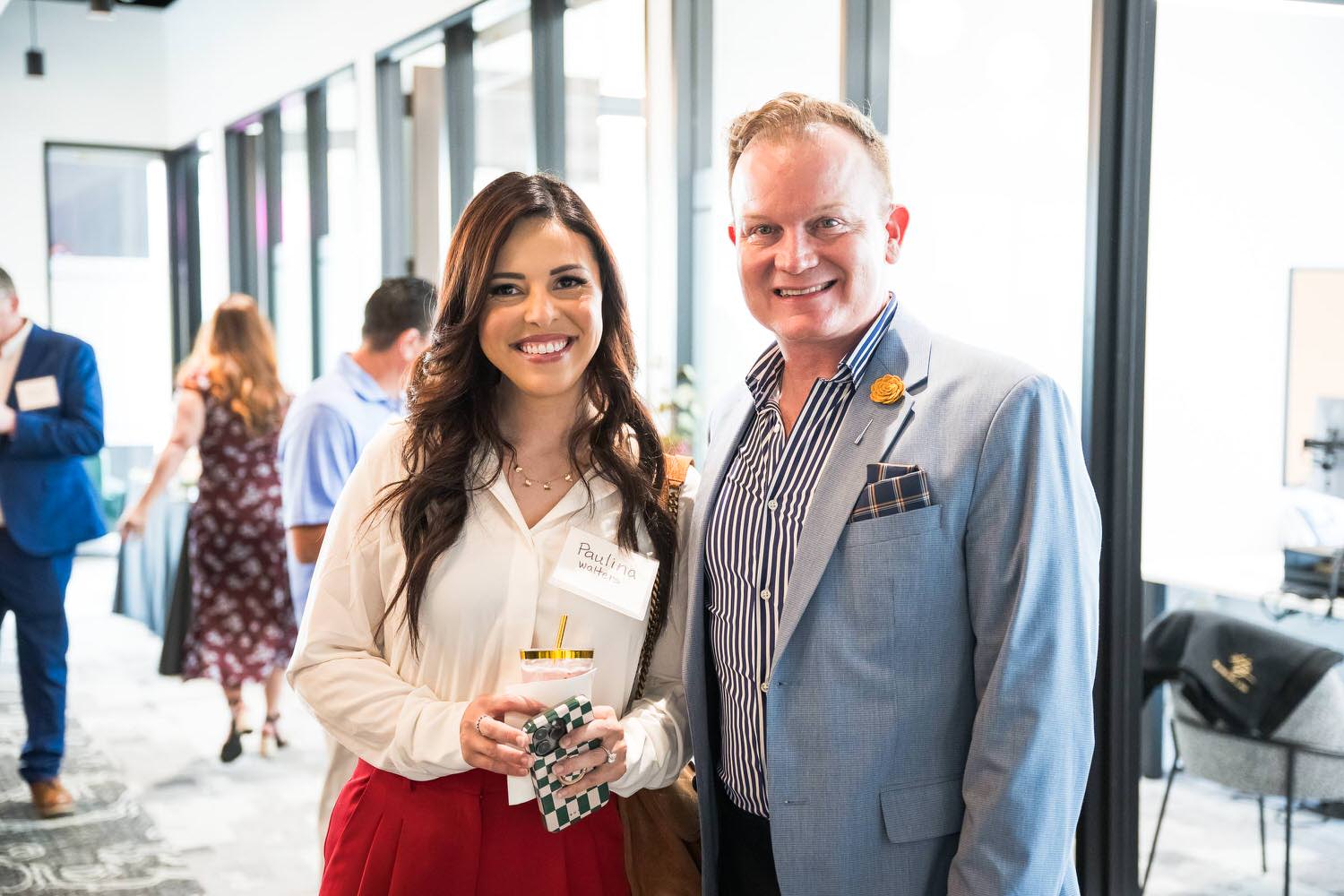
Authentic imagery refers to photos that feel real, natural, and relatable. These images are not overly staged or heavily edited. Instead, they show genuine emotions, real settings, and natural interactions.
Why Authenticity Matters in Photography
Audiences are becoming more aware of staged content. They can often spot when something looks artificial. Authentic imagery builds trust and creates stronger connections between brands and customers.
The Shift in Visual Marketing
In the past, glossy, highly produced images dominated advertising. Today, the trend has shifted toward images that appear less polished but more real. Brands want to show honesty, diversity, and relatability.
Building Trust With Audiences
Trust is at the core of any brand relationship. Authentic imagery helps create credibility. When people see images that look genuine, they are more likely to trust the company behind them.
Connecting on a Human Level
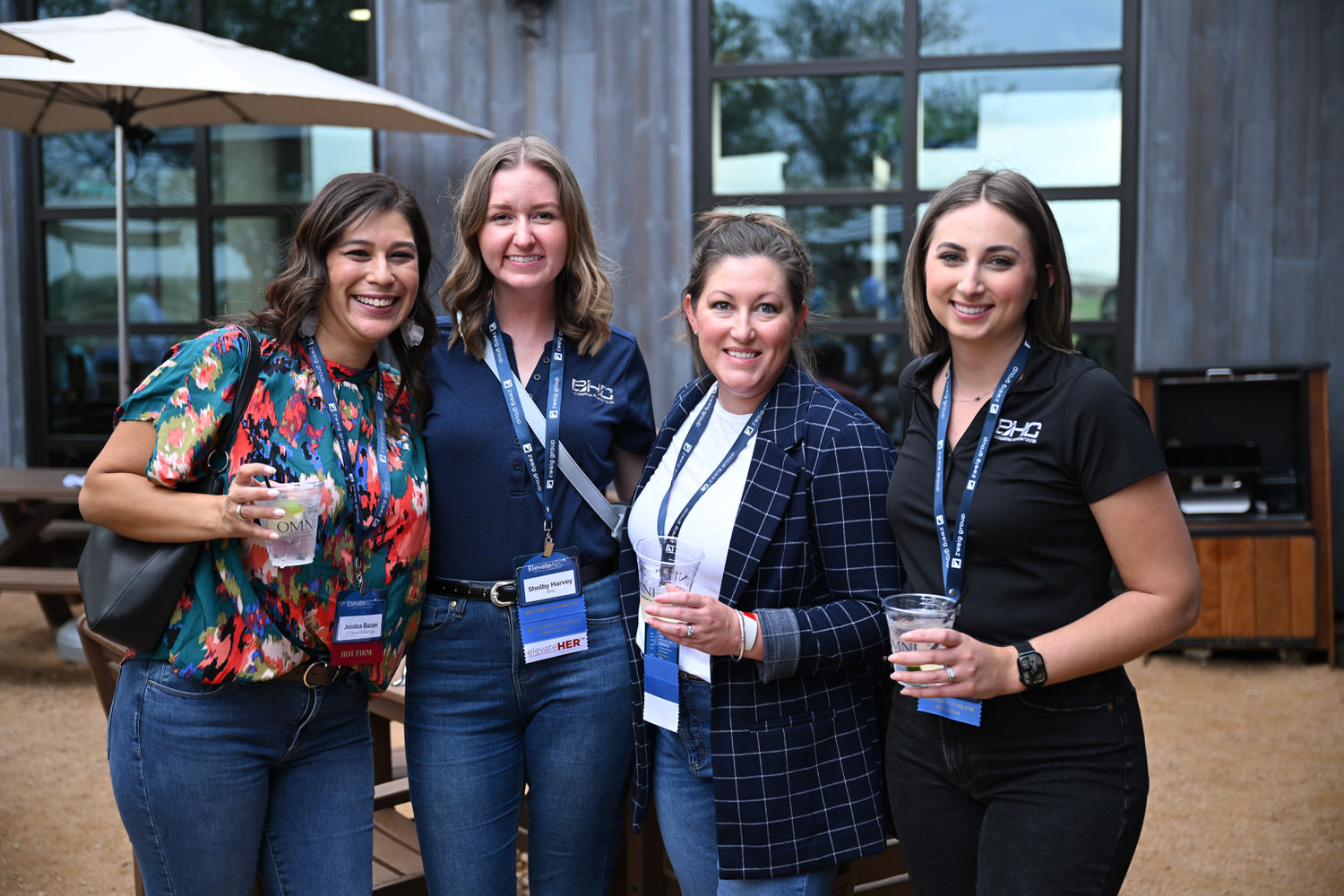
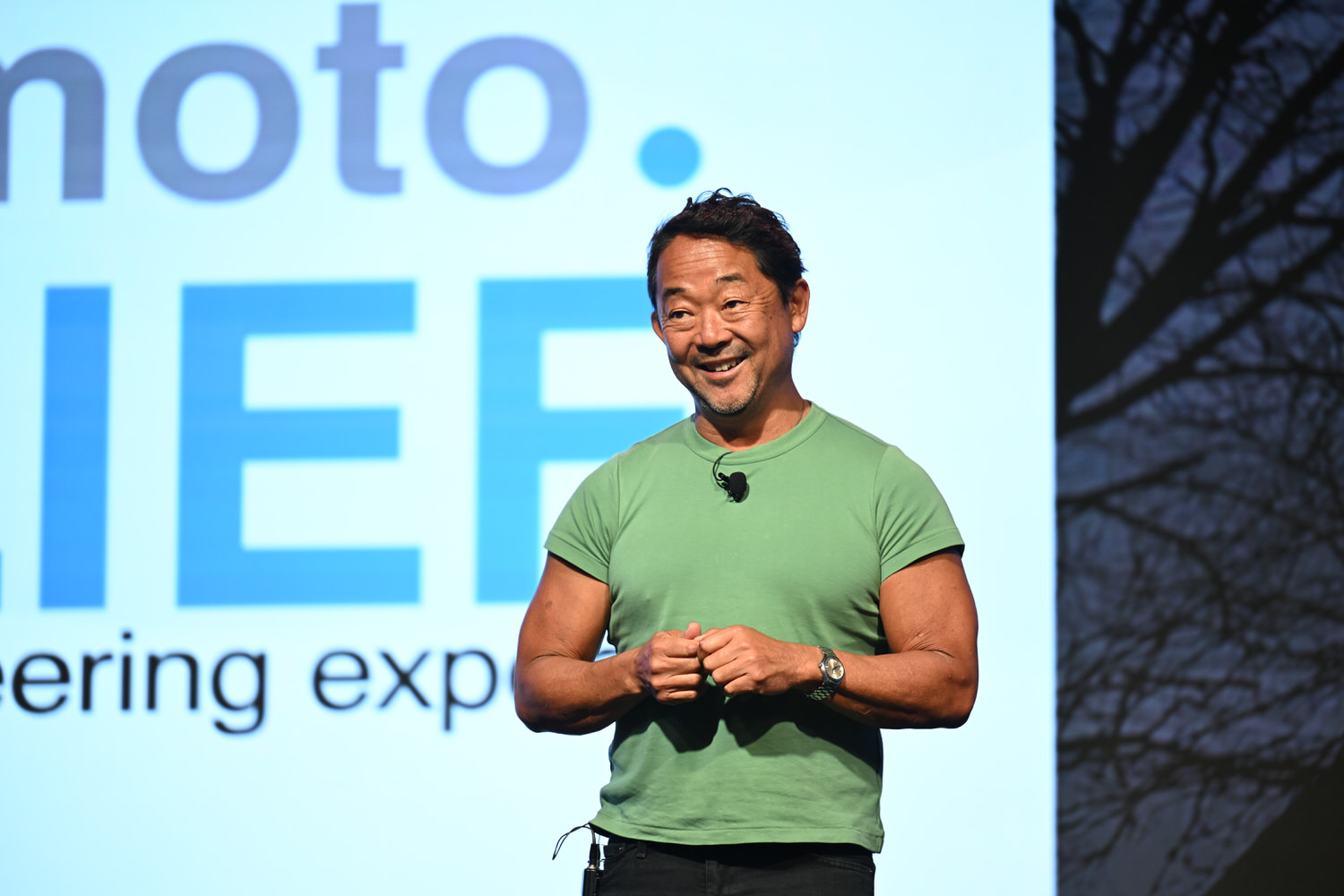
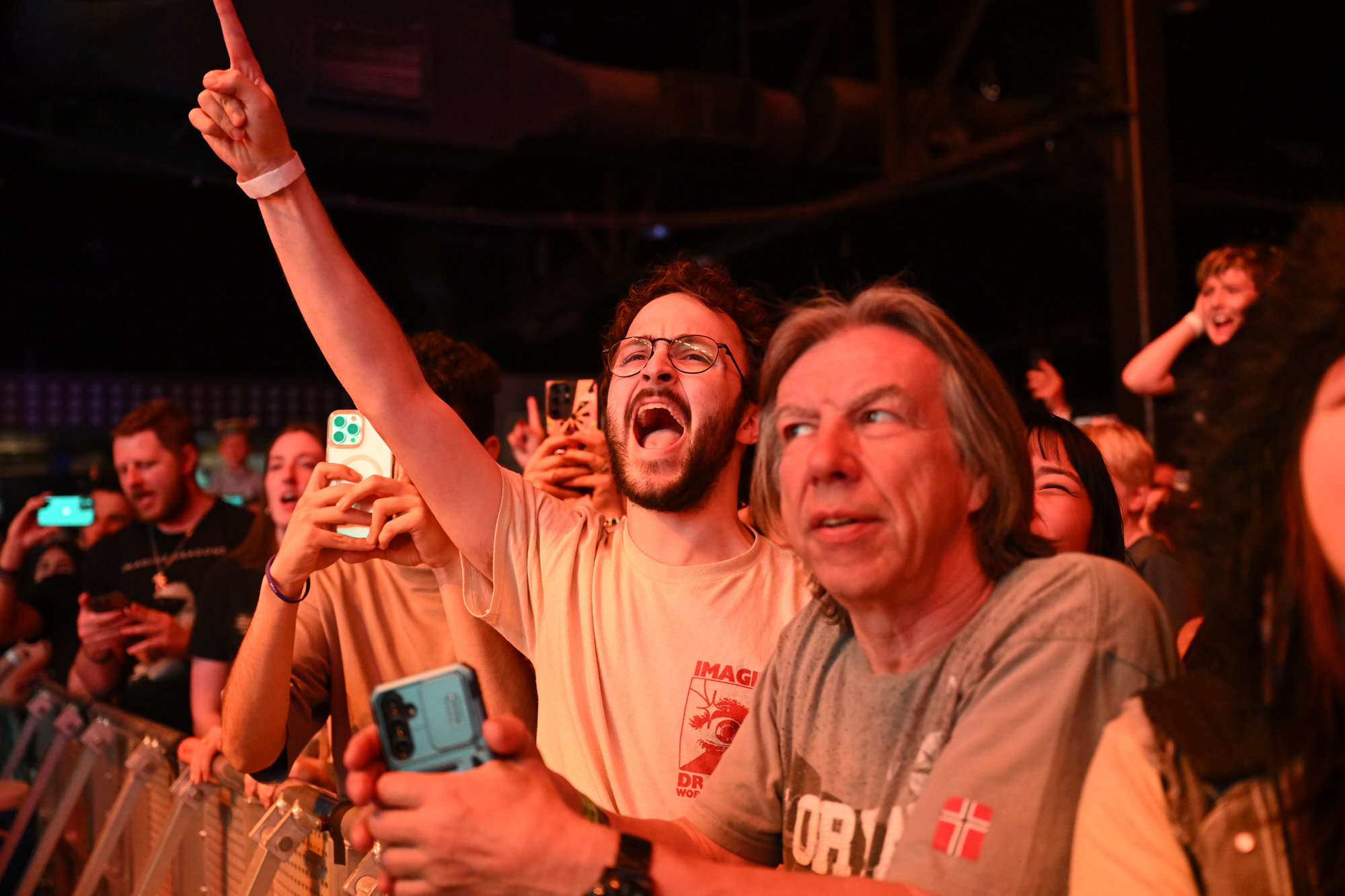
Commercial photography is not only about products. It is also about emotions. Authentic imagery captures real expressions and interactions, allowing audiences to connect on a deeper level.
The Role of Storytelling
Every photo tells a story. Authentic images tell stories that people can understand and relate to. This strengthens brand messaging and creates a lasting impression.
Standing Out in a Crowded Market
Competition is everywhere. Businesses need to stand out. Authentic imagery provides uniqueness because it focuses on real experiences rather than stock-style visuals.
Avoiding Generic Stock Photography
Stock photos often feel staged and repetitive. Many companies use the same images, which reduces originality. Authentic imagery offers a more distinctive and memorable look.
Enhancing Brand Identity
Brand identity is shaped by visuals. Authentic photography communicates brand values clearly. Whether it is simplicity, inclusivity, or creativity, real imagery shows what the brand represents.
Relatability and Representation
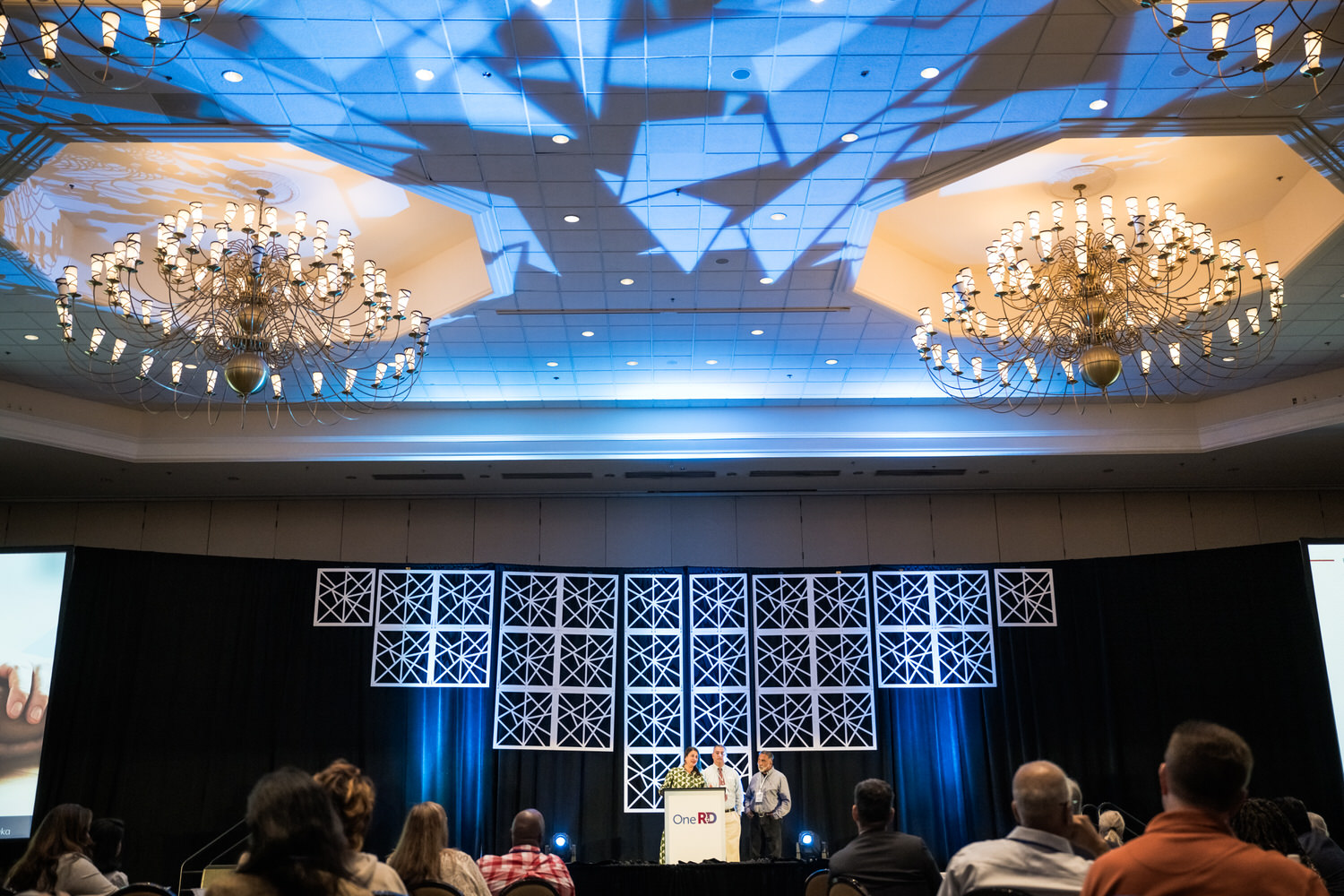
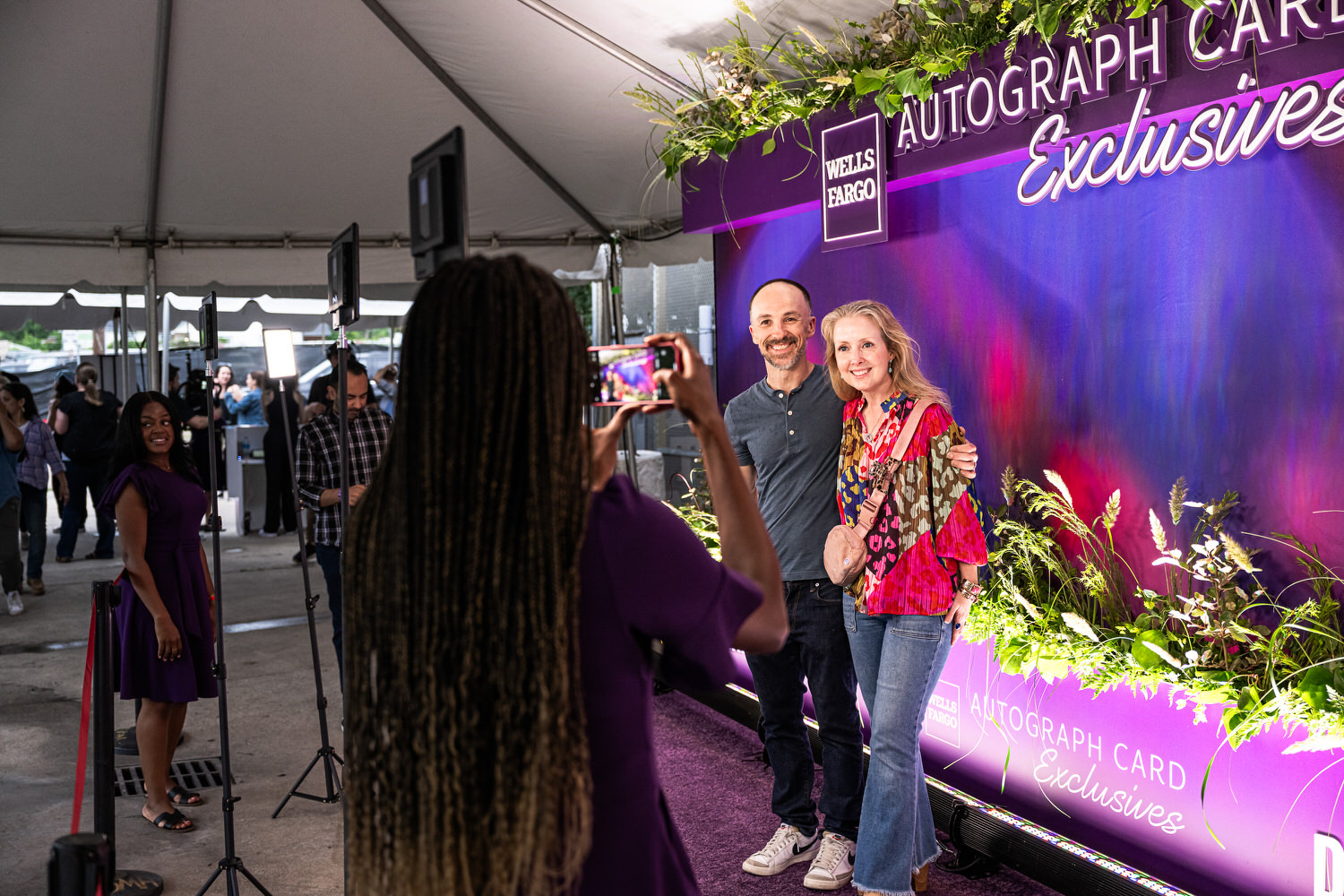
Audiences want to see themselves in the content they consume. Authentic imagery includes diversity, real people, and relatable situations, making campaigns more inclusive.
The Emotional Impact of Real Imagery
Emotions influence buying decisions. Photos that look authentic spark emotional responses. They feel more personal and meaningful than heavily edited pictures.

Social Media and Authenticity
On social platforms, authenticity is key. Audiences expect honesty from brands. Authentic photography performs better on social media because it feels natural and approachable.
Influence on Consumer Decisions
People often base their purchasing choices on how they feel. Authentic photos encourage positive emotions and trust, leading to stronger customer loyalty.
The Role of Authentic Imagery in Advertising
Advertisements need to grab attention quickly. Authentic images stand out because they feel real. They can make marketing campaigns more effective and engaging.
The Balance Between Professional and Authentic
Being authentic does not mean being unprofessional. Photographers can still use professional techniques while keeping images natural and genuine.
Lighting and Composition for Authenticity
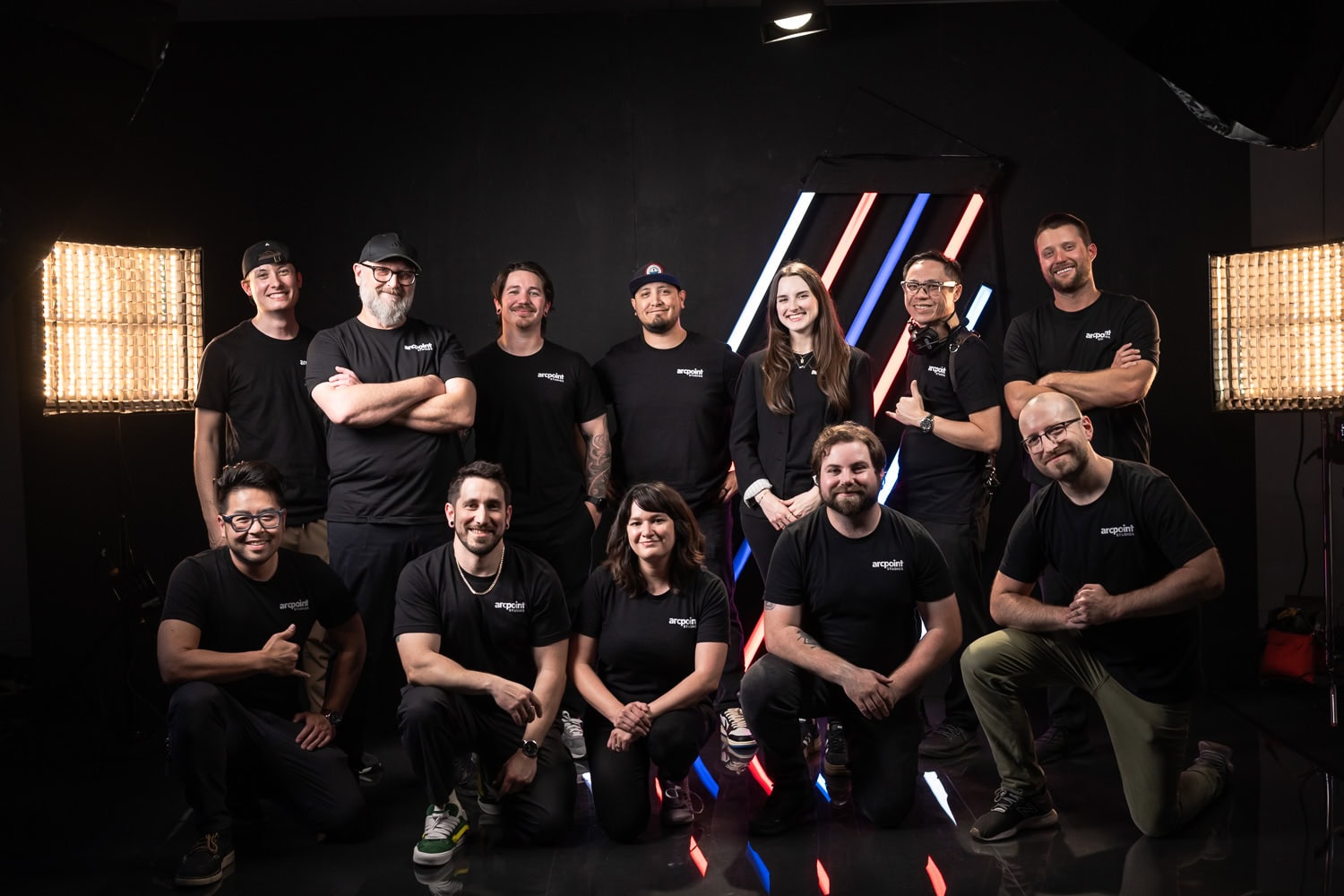
Lighting and composition influence how authentic an image feels. Softer, natural light often feels more real. Compositions that capture natural movement look less staged.
Editing With Care
Post-production is still important, but authenticity should remain intact. Light editing to improve color and clarity works, but heavy retouching can take away realism.
Authenticity Across Different Industries
Every industry benefits from authentic imagery. From fashion to food, and from technology to healthcare, real photos help businesses connect with their specific audiences.

Employee and Team Photography
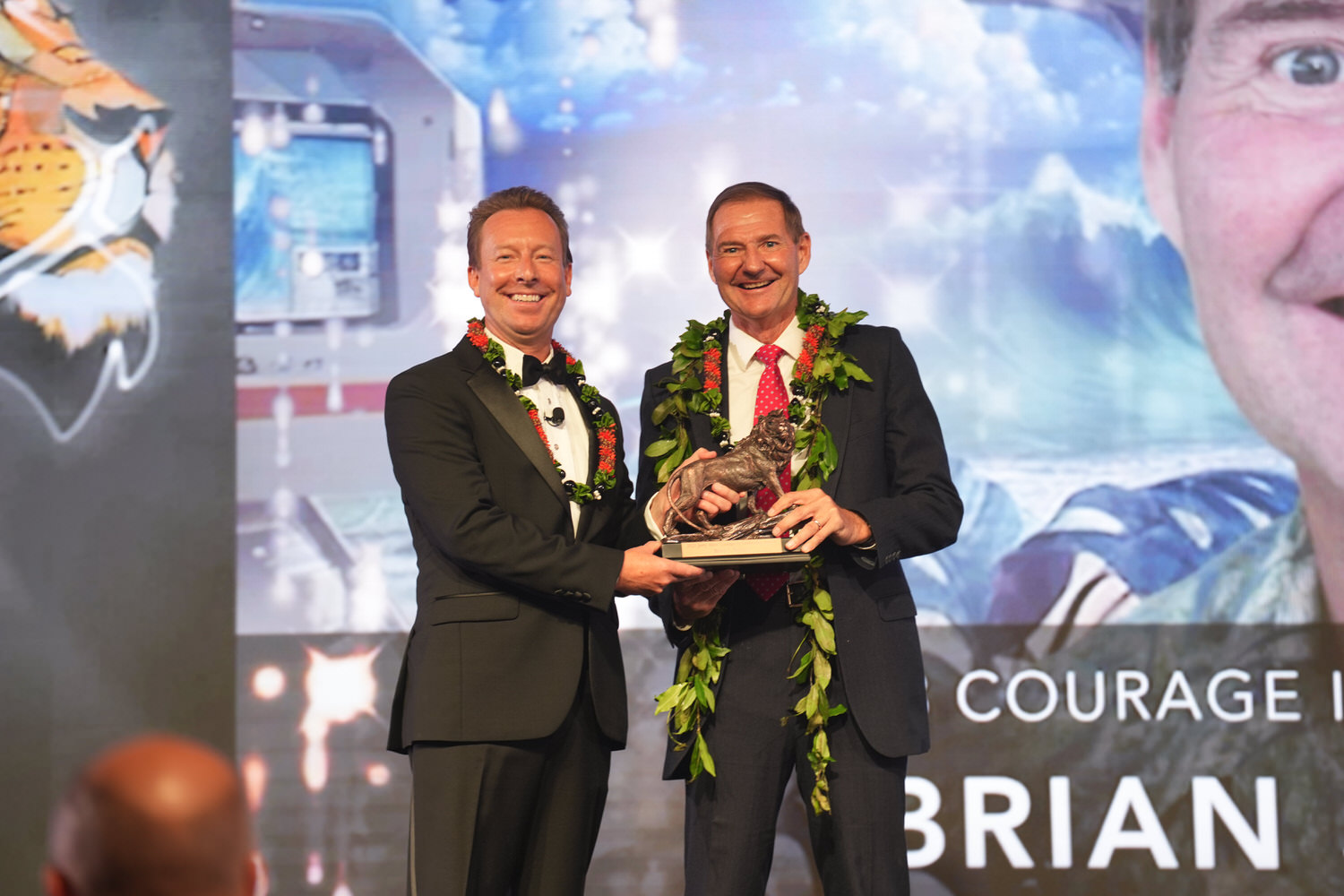
Companies use photography to show their teams. Authentic employee photos help build transparency and present the human side of the brand.

Product Photography With Realism
Even product photos can feel authentic. Showing products in real settings or in use makes them more appealing and relatable.

Customer-Focused Imagery
Highlighting real customers in photography builds social proof. It shows that the brand values its community and listens to their experiences.
Long-Term Benefits of Authentic Photography
Authentic imagery has long-term value. It continues to build trust and recognition over time, supporting a stronger brand image.
Cost Versus Value
Some may think authentic photography requires more resources. However, the long-term value outweighs the initial investment because it creates stronger engagement.
Trends in Commercial Photography
The future of photography is leaning toward authenticity. Trends show more natural tones, candid shots, and diverse representations.
Authenticity and Brand Loyalty
Customers who feel connected to a brand stay loyal longer. Authentic photography supports brand loyalty by reinforcing a genuine image.
The Digital Age and Visual Honesty
With digital editing tools widely available, audiences are skeptical of manipulated images. Brands that embrace authentic visuals stand out as honest and transparent.
Creating Campaigns With Real Impact
Marketing campaigns that include authentic imagery are more likely to resonate. They go beyond visuals and speak directly to human emotions.
Practical Tips for Brands
Brands should work with photographers who understand authenticity. Planning shoots around real environments, diverse people, and genuine interactions helps achieve natural results.
Choosing the Right Photographer
Not all photographers focus on authenticity. Brands should look for portfolios that emphasize real, natural moments rather than heavily staged photos.

Consistency Across Platforms
Authenticity should remain consistent across websites, ads, and social channels. This helps reinforce brand identity and trust.
The Long-Term Strategy
Authentic imagery is not a one-time choice. It is a long-term strategy that strengthens marketing efforts and brand perception.
Conclusion
The power of authentic imagery in commercial photography lies in its ability to connect, build trust, and tell real stories. In a competitive digital world, genuine visuals are essential for meaningful communication. Brands that embrace authenticity in photography position themselves for stronger relationships, deeper connections, and lasting success.
Precision Studio Lighting & Soundstage Builds.
From complex multi-set tabletop builds to high-output commercial bays with rolling booms and large scrims, partner with David Loi Studios for controlled productions across Dallas-Fort Worth and nationwide.
Speak directly with David regarding grip setups, ceiling clearance, power distribution, and stage dates.
Call David Loi: (214) 773-2424Request Studio Production Info
Detail your product lines, set dimensions, grip requirements, and target production windows below.