
Seeing and Being: David Loi’s Art of Capturing Stories with the Lens
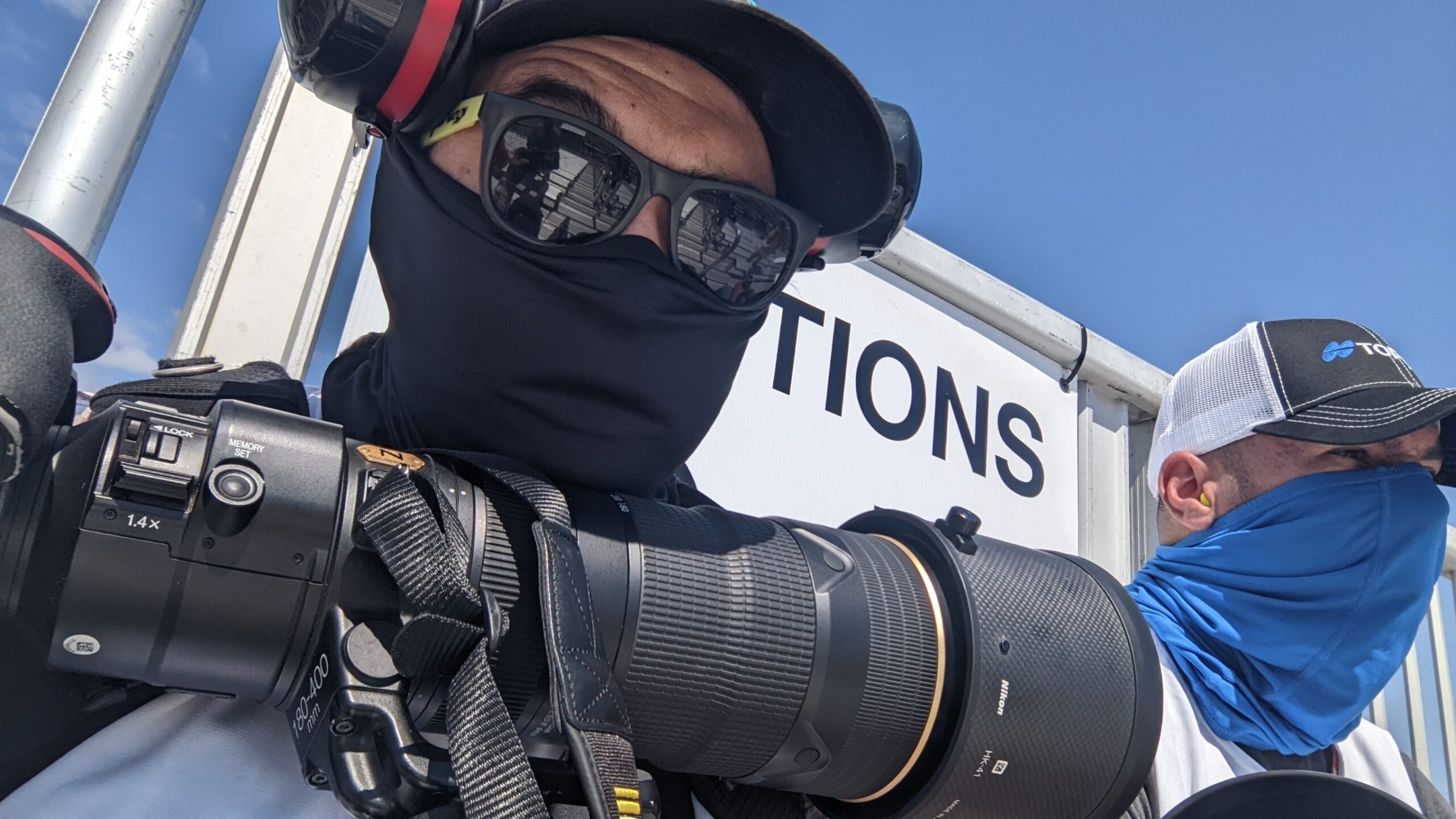
Undoubtedly, one can argue that today’s world is one of hyper-saturation. It takes a special kind of eye to create a photograph that doesn’t just capture a moment but tells a story. Sadly, stories tend to be overlooked in favor of simply capturing images.
Dallas-based commercial photographer David Loi has spent years honing that vision, building a career not on grand, sudden leaps, but on a “culmination of micro adjustments” that have transformed his work from a simple hobby into a dynamic art form.
Today, David Loi has become the go-to professional for major brands, from the familiar arches of Arby’s to the expansive scope of American Airlines. They all seek his unique ability to imbue every shot with layered depth and narrative.
The Journey Thus Far
Loi’s journey into professional photography was anything but a straight line. He describes his early attempts with a self-deprecating honesty. “If I showed you my first photos I’ve ever taken compared to now, you will wonder if it’s the same person!” he admits, reflecting on a time when his passion outpaced his skill.
Yet, he saw a glimmer of potential—a “little bit of flame coming up from the tinder”—that compelled him to keep going. He didn’t seek a shortcut to success, but rather embraced a continuous process of improvement. For him, a great photograph is never the result of a single, massive leap. Instead, it’s the sum of countless small refinements in technique and vision.
This commitment to gradual mastery was supercharged when he decided to become a destination wedding photographer. While it may seem a world away from commercial work, Loi credits this phase of his career as the ultimate training ground. Wedding photography forced him to become a versatile artist, a creative director, and a human-centered problem-solver all at once.
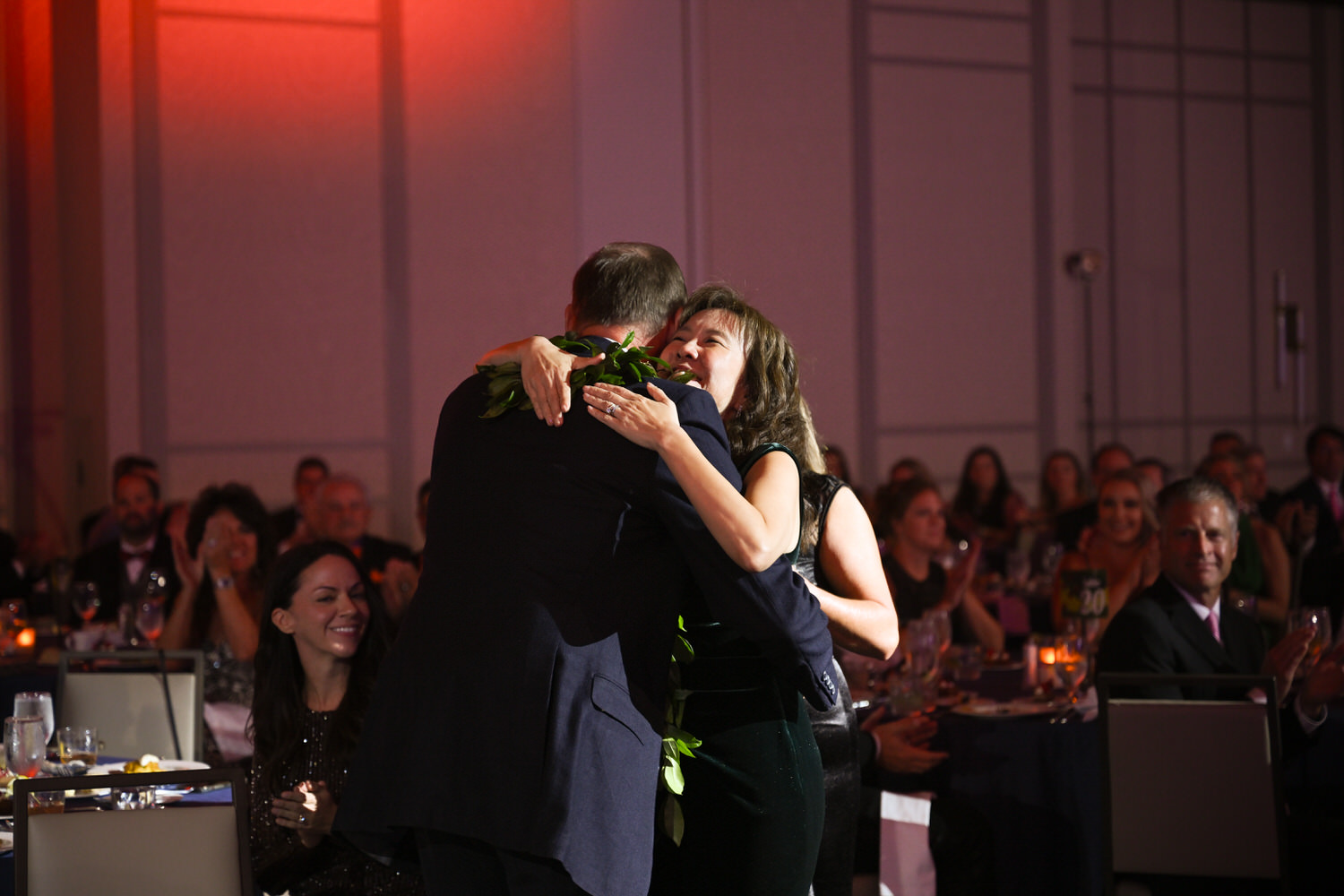
He had to master everything from lighting and posing to photojournalism and the subtle art of people management—all under the immense pressure of a single, unrepeatable day. This intensive experience, he says, provided the perfect foundation for his later transition into commercial photography, where he could apply his skills to a different, but equally compelling, passion: creating messaging and awareness for brands.
Revealing the True Faces of Photographs
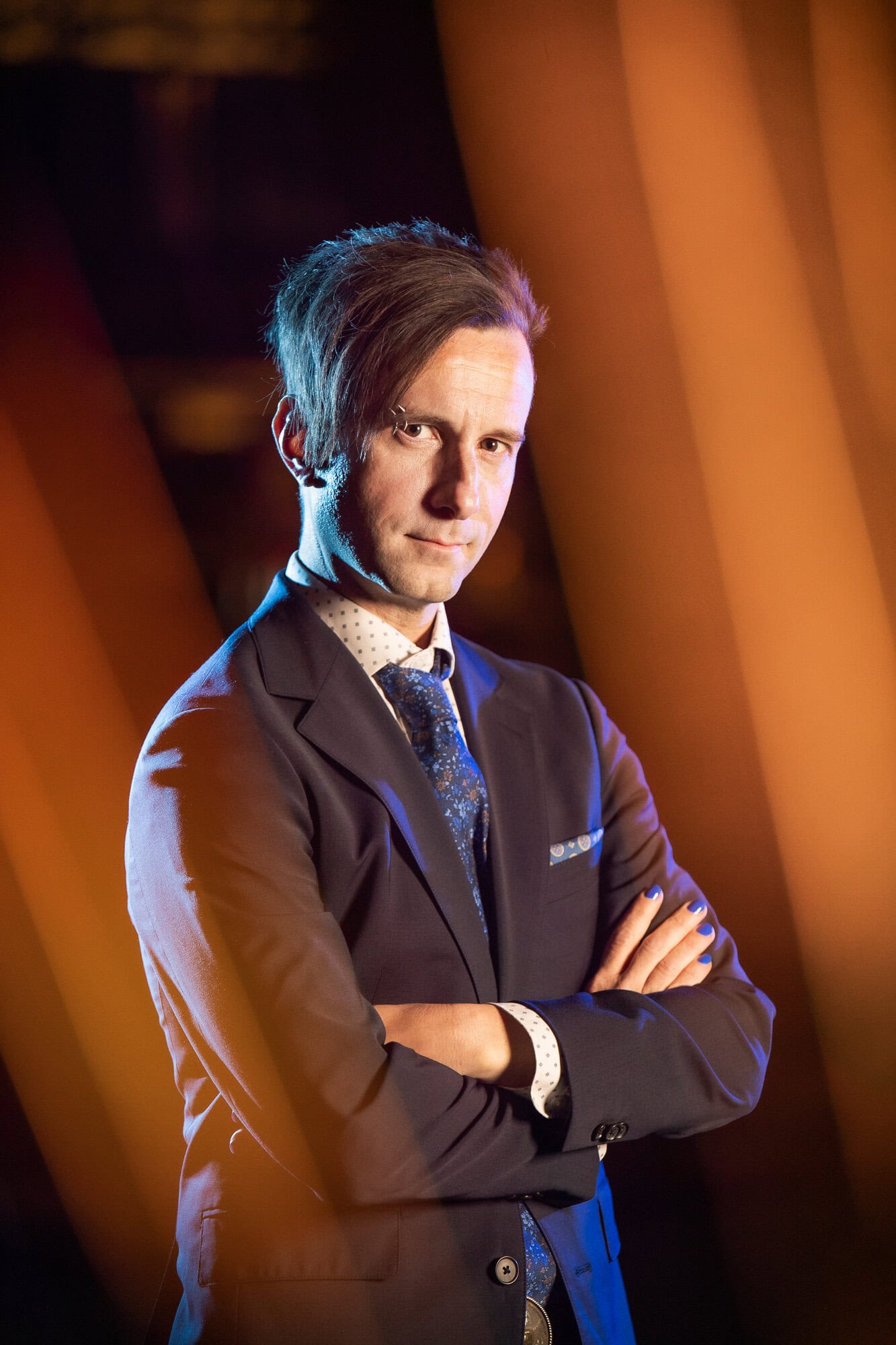
When asked to describe his core photographic style, Loi doesn’t talk about a specific genre or a signature filter. Instead, he speaks in terms of narrative and feeling. “I would describe my photography as layered with story,” he explains. His goal is to craft images that invite the viewer’s eye to wander, to discover new details, and to unearth a deeper meaning with every glance. It’s a style built on adding layers of complexity that give a photograph lasting resonance.
From a technical standpoint, he points to a powerful trifecta that defines his work: Emotion, Composition, and Lighting. These three elements, when harmonized, are what transform a simple image into a compelling visual story.
He uses lighting and shadow not just to illuminate a subject, but to add “nuances to that story.” Likewise, he guides his human subjects to express emotions like “joy, pleasure, relief” as a way to “guide that story.” Whether he’s capturing a vibrant culinary scene, a high-stakes industrial environment, or the sleek lines of a car, Loi is consistently searching for a way to make the viewer feel something.
Eventful Collaborations
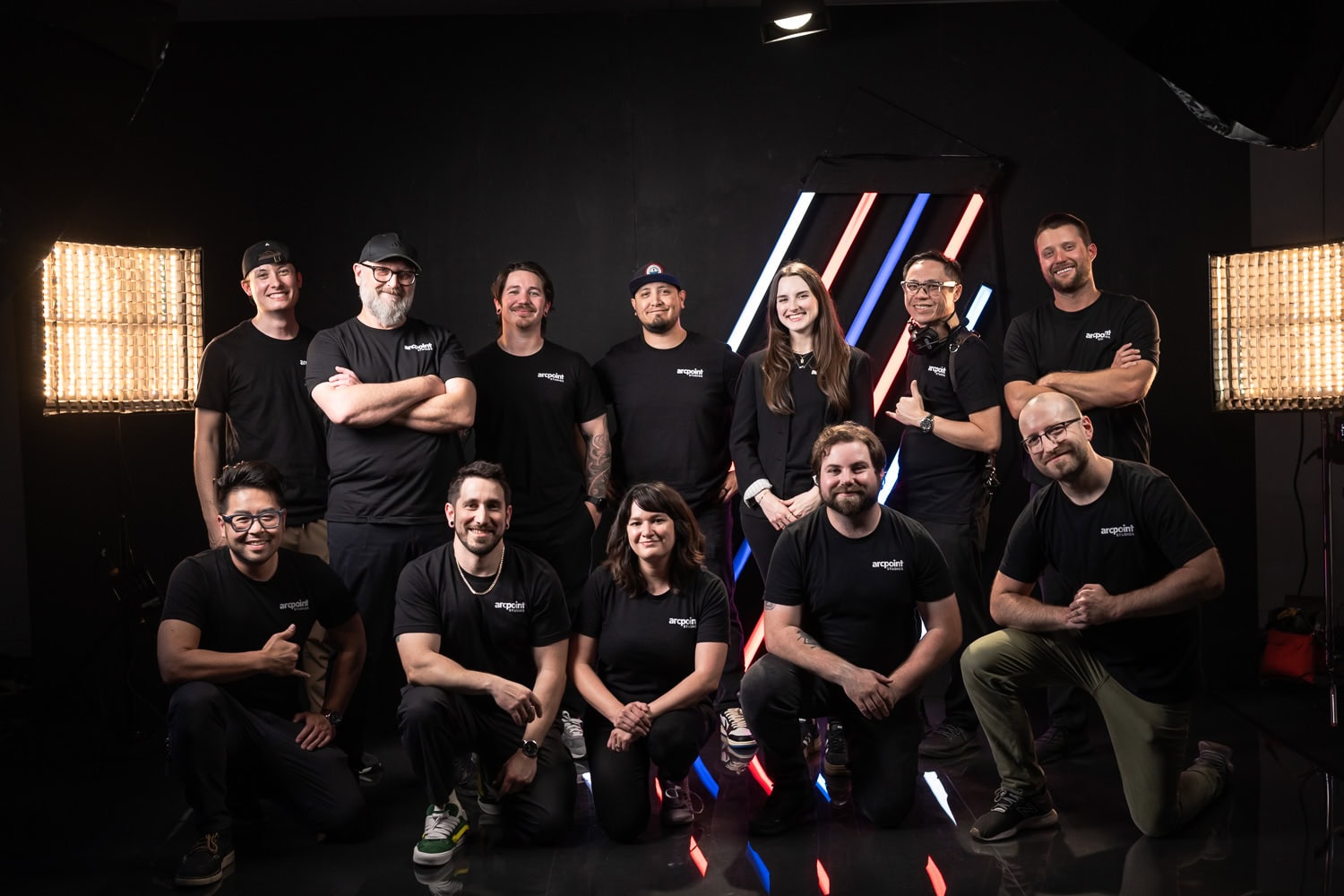
Behind every successful photoshoot, there’s a team, and Loi is quick to credit his crew for their essential roles. He believes a great photograph is a collaborative effort, and the people he works with are integral to his success.
“A successful photoshoot cannot be done without an amazing team,” he states. He prefers to have a full crew on set, including grips, gaffers, digitechs, and PAs. Each person has a specific, critical task, and their collective efficiency ensures that a production runs smoothly, especially in today’s demanding industry where “time-tables get smaller and smaller.”
That collaborative spirit extends to his relationship with the subjects he photographs. Loi recalls a time when making people feel comfortable in front of the camera was a major challenge for him as a novice.
Today, he considers it one of his greatest strengths. His secret lies in a positive, proactive mindset. “Coming into the photoshoot, you have to have the mindset that ‘I’m going to crush this and make sure everyone is amazing’,” he shares. This positive energy is infectious and puts his subjects at ease.
He also relies on his extensive knowledge of posing to guide people to their best angles. But the most effective tool in his arsenal is immediate, positive reinforcement. He shows his subjects the images as they’re being captured, building trust and helping them to relax and feel confident. “Your subjects can really open up after that and it becomes extremely natural,” he notes, highlighting the powerful emotional shift that occurs.
A Master in Challenging and Diverse Photographic Environments
Loi’s portfolio is as varied as the brands he works with, and each niche presents its own set of unique challenges. His work in industrial environments, for example, is as much about safety as it is about art. He stresses the need for constant vigilance on these shoots, where a moment of inattention can lead to injury. With “low hanging objects, lots of swinging arms and moving pieces,” he warns, “you really have to have your head on a swivel so you can see what’s happening otherwise you will get hurt!”
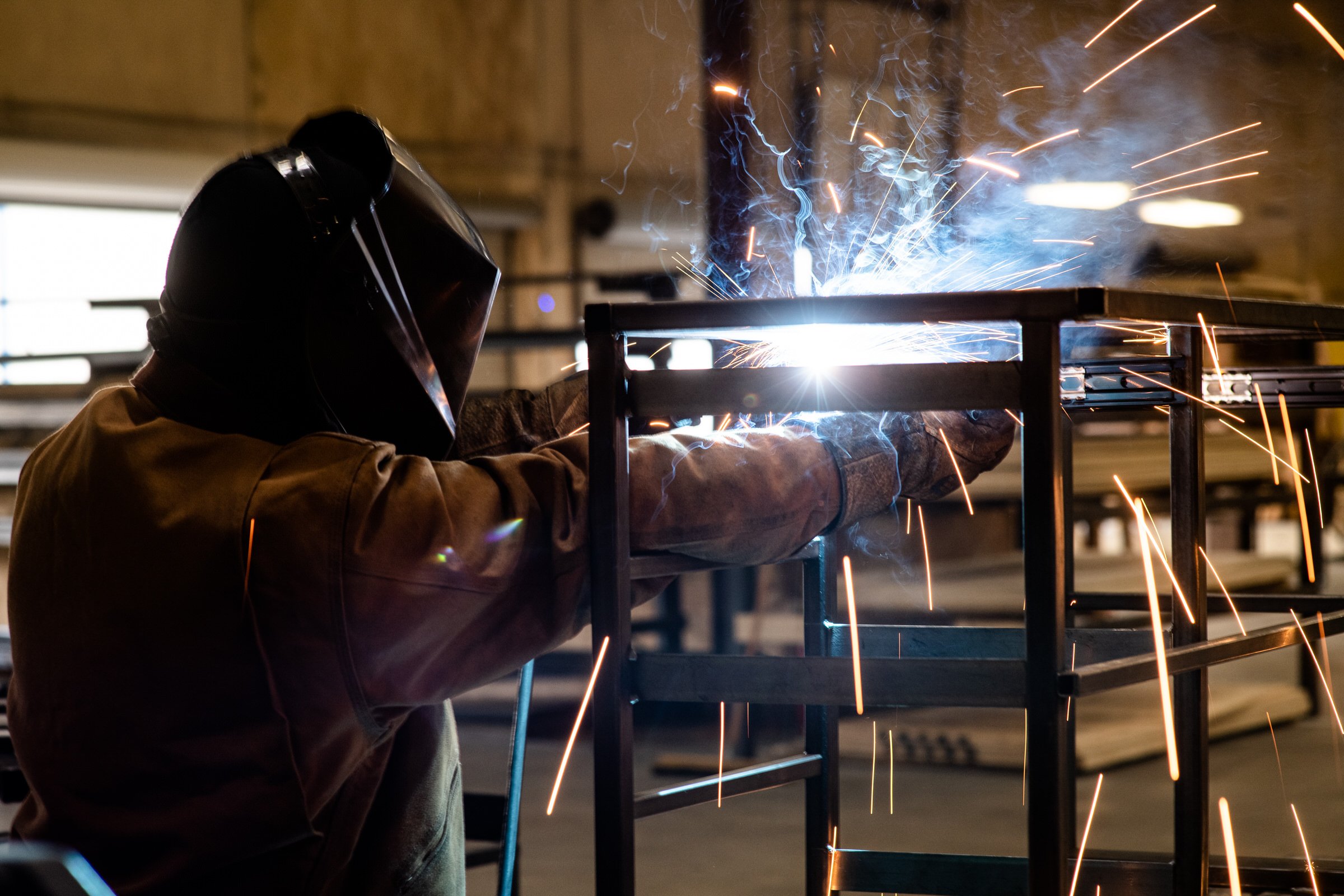
Communication is another hurdle, as loud machinery often requires ear protection. And then there’s the environment itself—extreme heat, extreme cold, or dusty conditions that demand a high degree of adaptability.
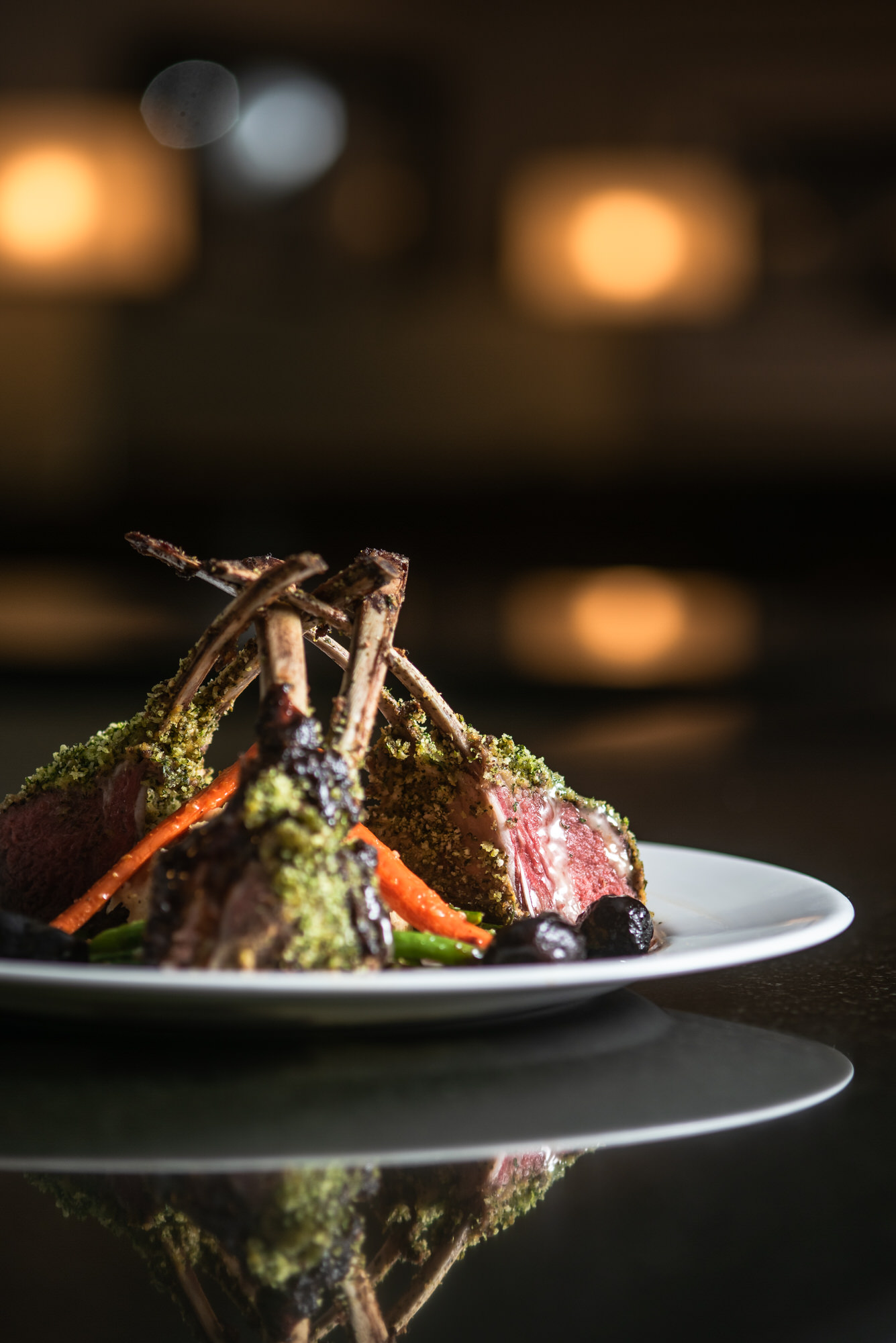
When it comes to food photography, the technical and creative hurdles shift entirely. Here, the challenge is making a dish look fresh and appealing under the harsh gaze of a camera. For Loi, the key to success is collaboration. While he’s certainly capable of doing it himself, he insists that having a professional food stylist on set is imperative. This partnership allows him to focus on the intricate details of lighting and composition, while the stylist arranges the plating and creative direction.
Together, they can “dress up” the food in ways that make it visually stunning, even if the final result is inedible. For his food work, Loi prefers the total control offered by artificial lighting, using a combination of Westcott strobes and Cheetah Stand softboxes to achieve the precise look he wants.
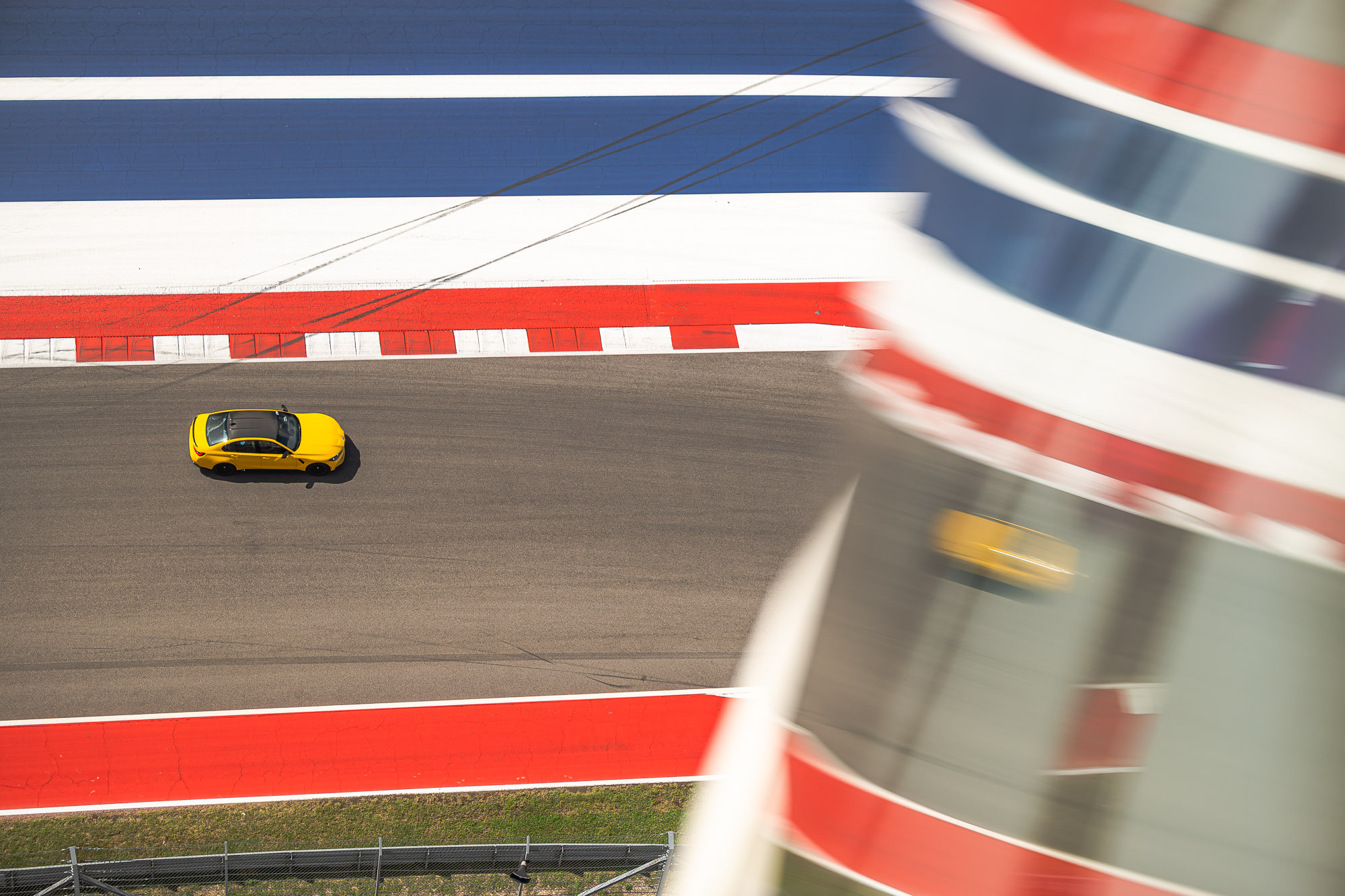
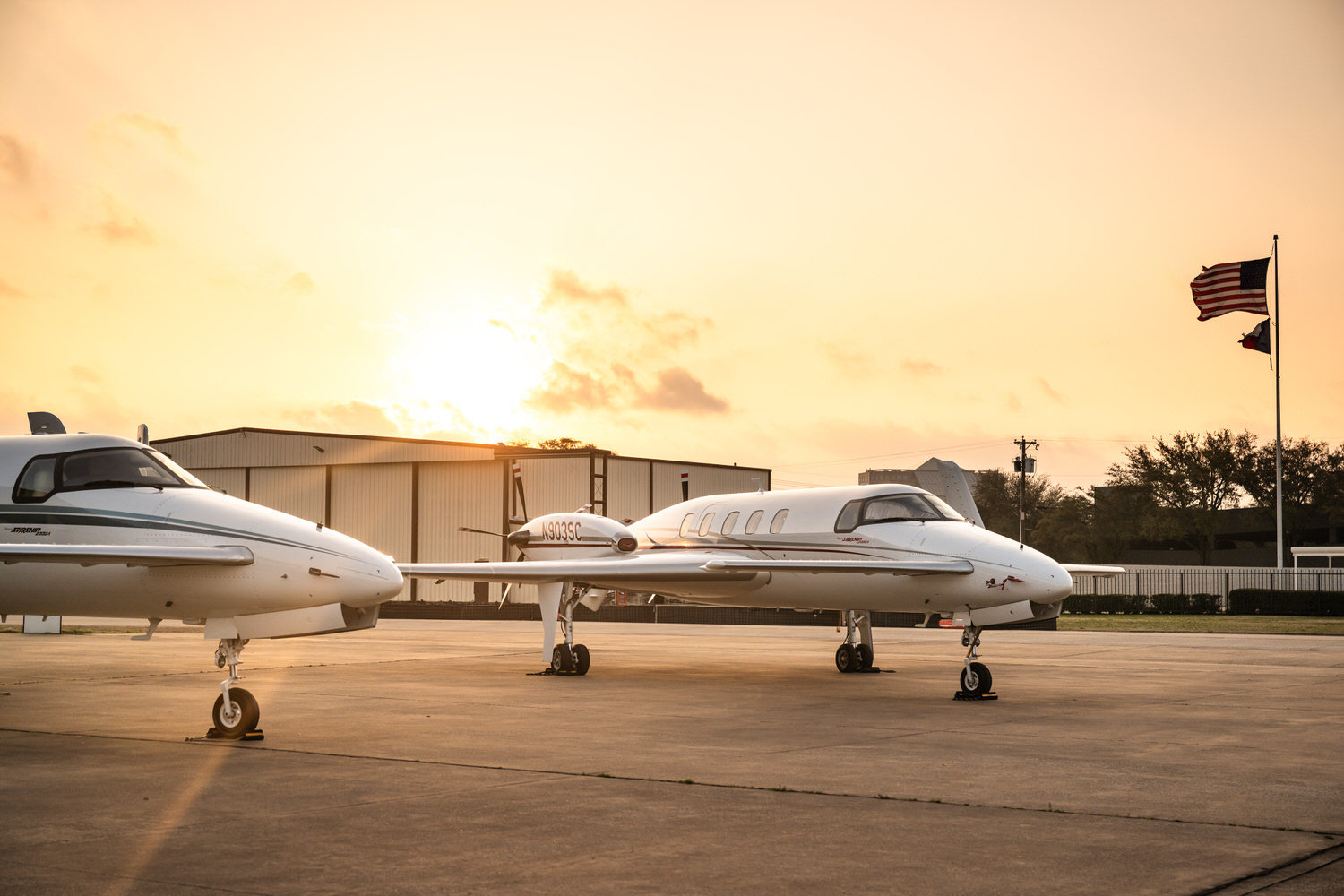
In the fast-paced world of automotive and aviation photography, Loi’s focus turns to capturing movement and dynamism. He relies on a deceptively simple yet powerful technique to convey a sense of speed and motion: motion blur. By intentionally slowing down the camera’s shutter speed, he can create a blurring effect in the background while keeping the subject sharp, a technique that every photographer in this genre uses to visually communicate the subject’s velocity and power.
Rising to the Occasion
When asked to name the projects he is most proud of, Loi points to a trio of complex photoshoots for American Airlines, Arby’s, and Dallas College. These projects weren’t just about beautiful images; they were about successfully navigating high-pressure environments with immense logistical complexity and tight timelines. He recalls situations where he and his team had a mere five minutes with talent to capture a variety of images.
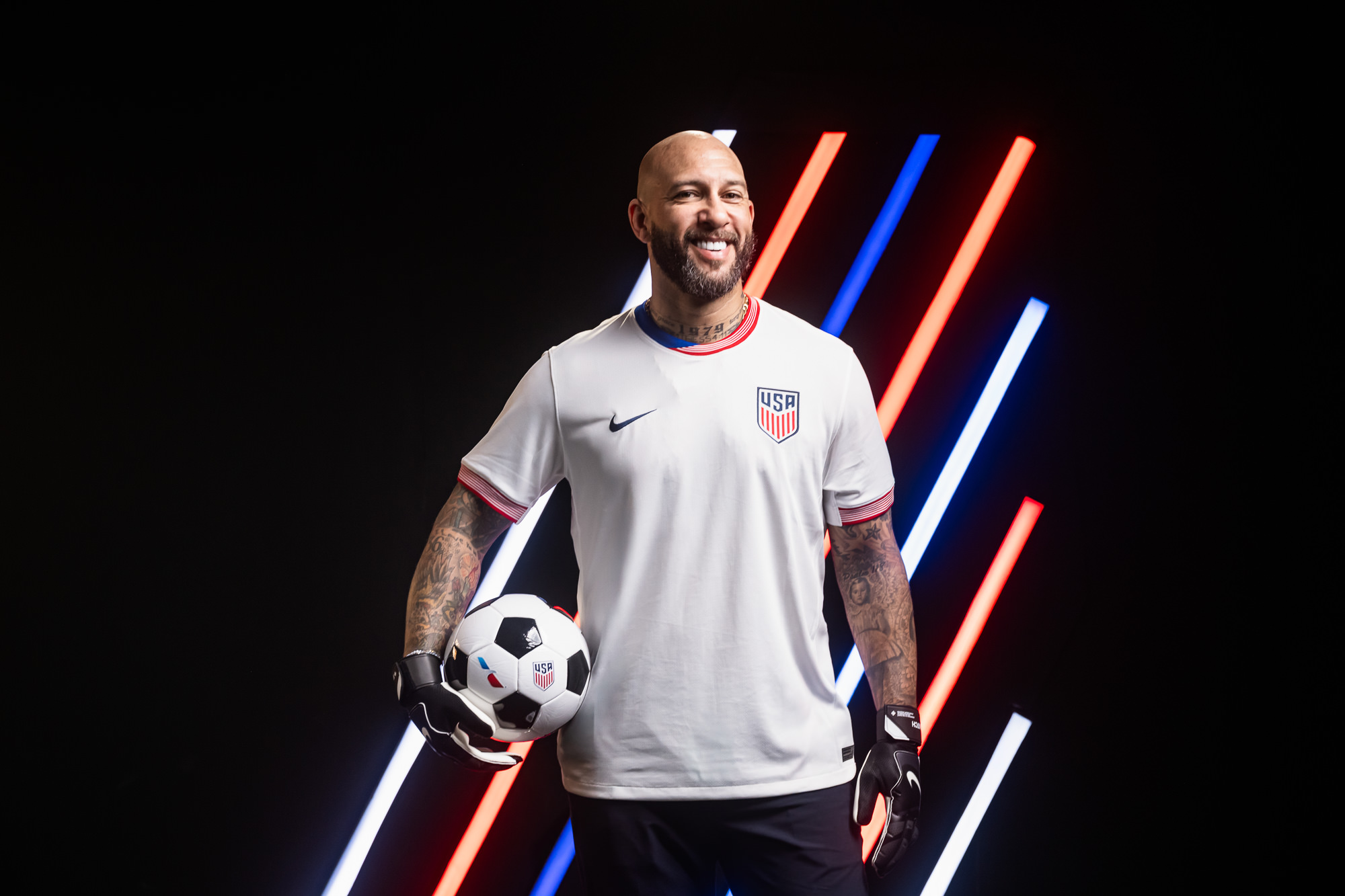
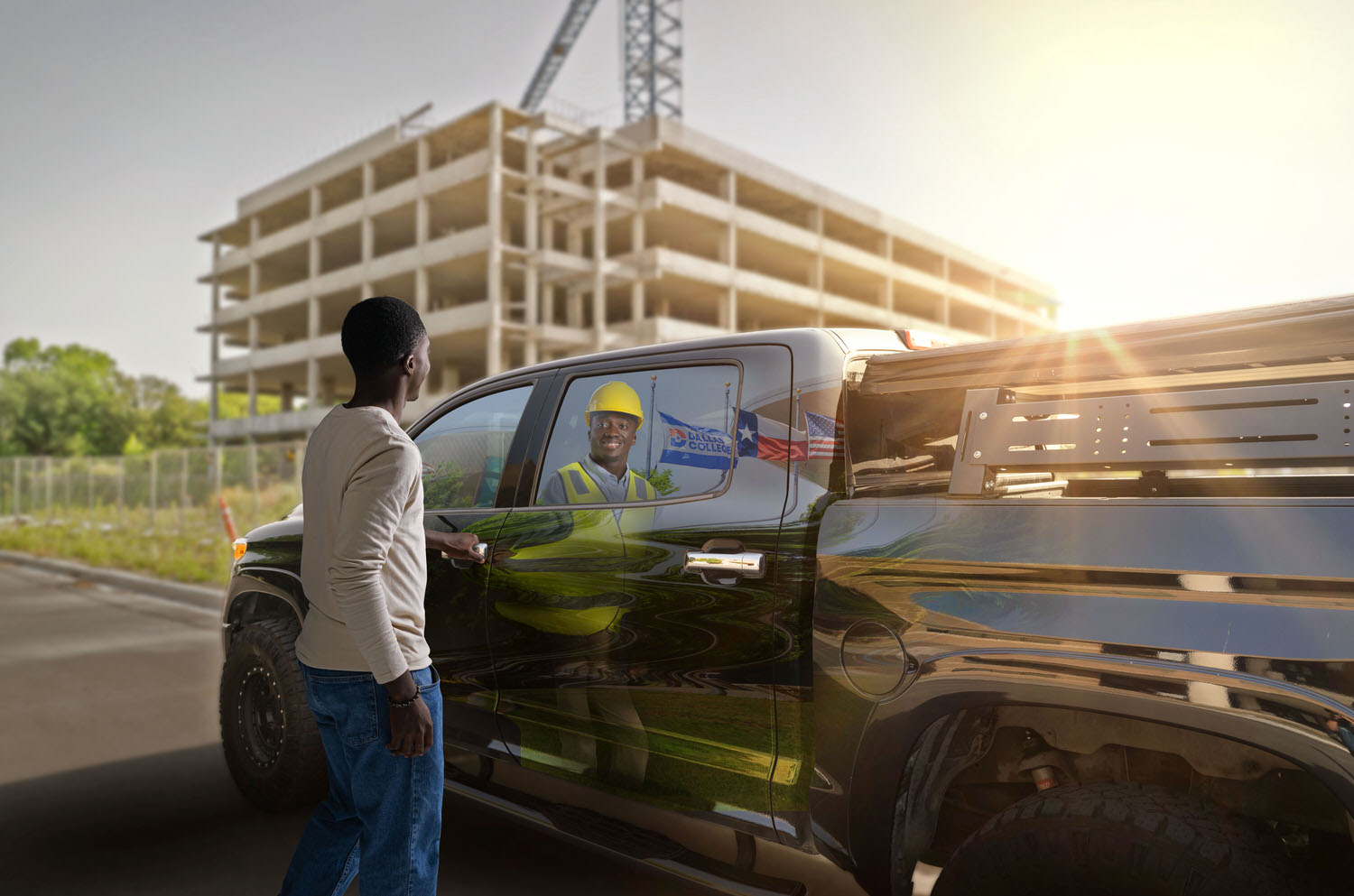
This kind of time constraint is “incredibly stressful,” but it’s a challenge he has learned to embrace. He takes pride in his ability to “rise to the occasion every time,” delivering maximum quality even under the most demanding conditions. From a self-professed amateur to a professional sought after by global brands, David Loi’s career is a testament to the power of passion, patience, and persistent refinement.
He has built a reputation not just on his technical prowess, but on his philosophical approach to photography—that every image, no matter the subject, has a story to tell. By marrying technical skill with a deep understanding of human emotion and narrative, he continues to create photographs that are not only seen but felt.
Capture High-Speed Precision on Set.
From dynamic trackside action to complex studio light painting and multi-plate composites, partner with David Loi Studios for commercial automotive campaigns across Texas and worldwide.
Speak directly with David regarding upcoming shoot logistics, locations, or track permits.
Call David Loi: (214) 773-2424Request an Automotive Quote
Share vehicle specs, track or studio parameters, and timelines below.