
David Loi on Event Photography
By David Loi | David Loi Studios | Dallas-Ft Worth
In the high-stakes world of corporate and experiential events, where fleeting moments translate into essential marketing assets, the event photographer is less a documentarian and more an indispensable corporate historian. They must be technical masters, insightful storytellers, and effortless diplomats, all while navigating unpredictable venues, shifting lights, and tight schedules. Few embody this triple threat quite like David Loi, a veteran whose authoritative work has defined the visual narrative for countless high-profile gatherings across Dallas-Ft Worth.
Loi’s philosophy on event photography transcends merely capturing action; it’s about capturing connection under constraint. In an industry saturated with shutter-happy operators, Loi’s approach is a calculated symphony of technical precision, human psychology, and commercial strategy. His insights, distilled through years spent in dimly lit ballrooms and dazzling, dynamic expos, offer a masterclass in turning chaos into cohesive, commercially vital imagery. The distinction, he argues, lies in strategic intention, a concept he applies rigorously from the moment he steps into a venue to the final click of the edit button.
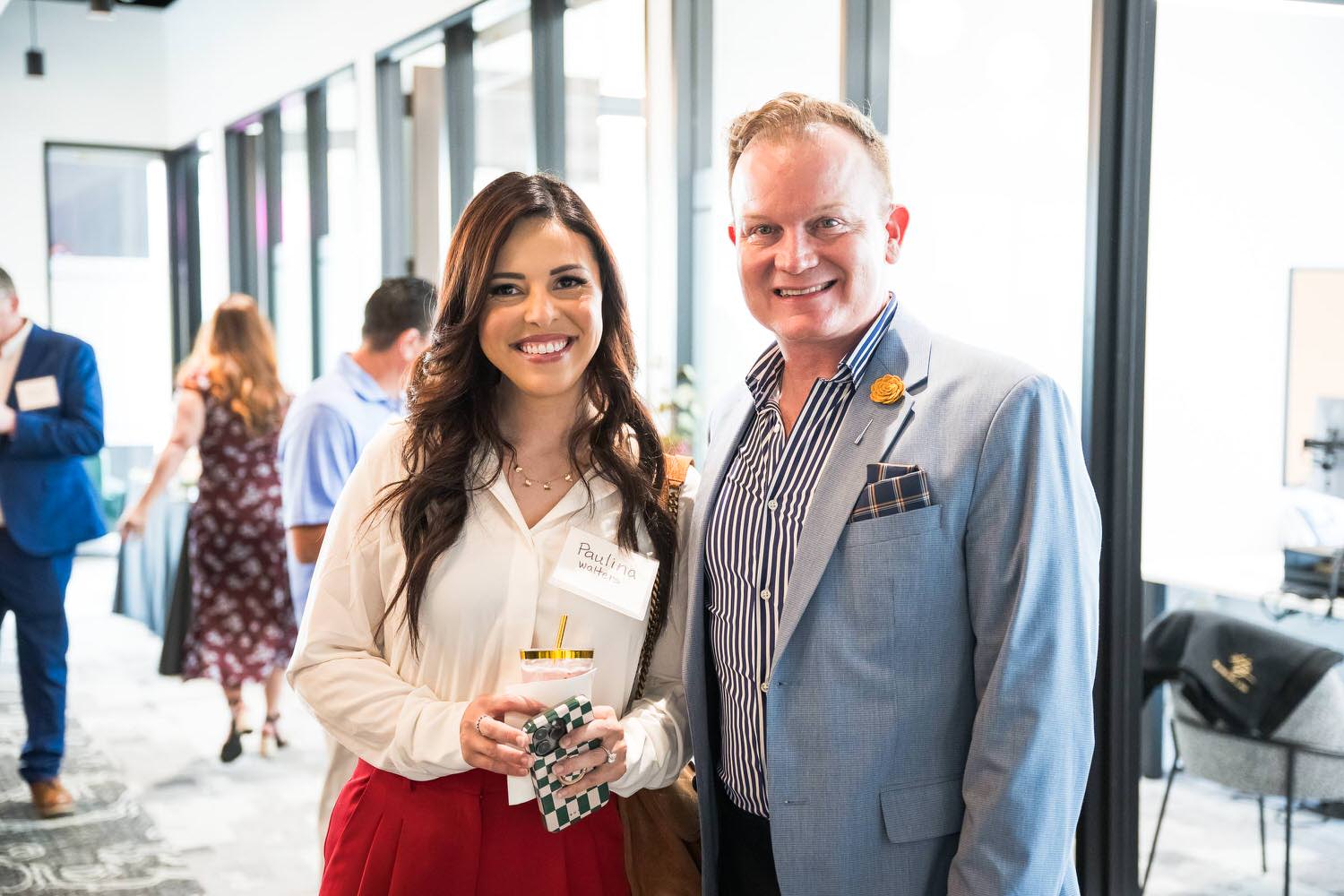
Authentic networking and executive connection captured on location in Dallas-Ft Worth.
The Exposure Triangle in the Extreme: Mastering the Impossible Light
The most pervasive challenge in professional event photography is lighting—a volatile, complex mix of harsh spotlights, moody ambient hues, and often, near-total darkness. Loi views these situations not as obstacles, but as the proving grounds for true skill. He is fundamentally an alchemist of ambient light.
When challenged on how he tackles the most difficult low-light situations without resorting to the intrusive, massive flash setups that can ruin a moment, Loi is unequivocal: the solution is always rooted in the core principles of exposure. “It’s really difficult to shoot in low light conditions when there’s a lot of action happening,” he concedes, painting a picture of a crowded keynote stage or a fast-paced networking reception. For Loi, the creative solution isn’t adding artificial light; it’s mastering the tools of capture.
His primary strategy is a highly disciplined manipulation of the exposure triangle. This involves pushing the boundaries of what is traditionally acceptable in photography to preserve the scene’s authenticity. “I use wide open apertures and high ISOs in these situations,” he states. This simple sentence carries the weight of massive technical experience. A wide-open aperture (low f-stop) maximizes the limited light entering the lens, simultaneously delivering the shallow depth of field (bokeh) that helps isolate the subject, adding a layer of intimacy to the image.
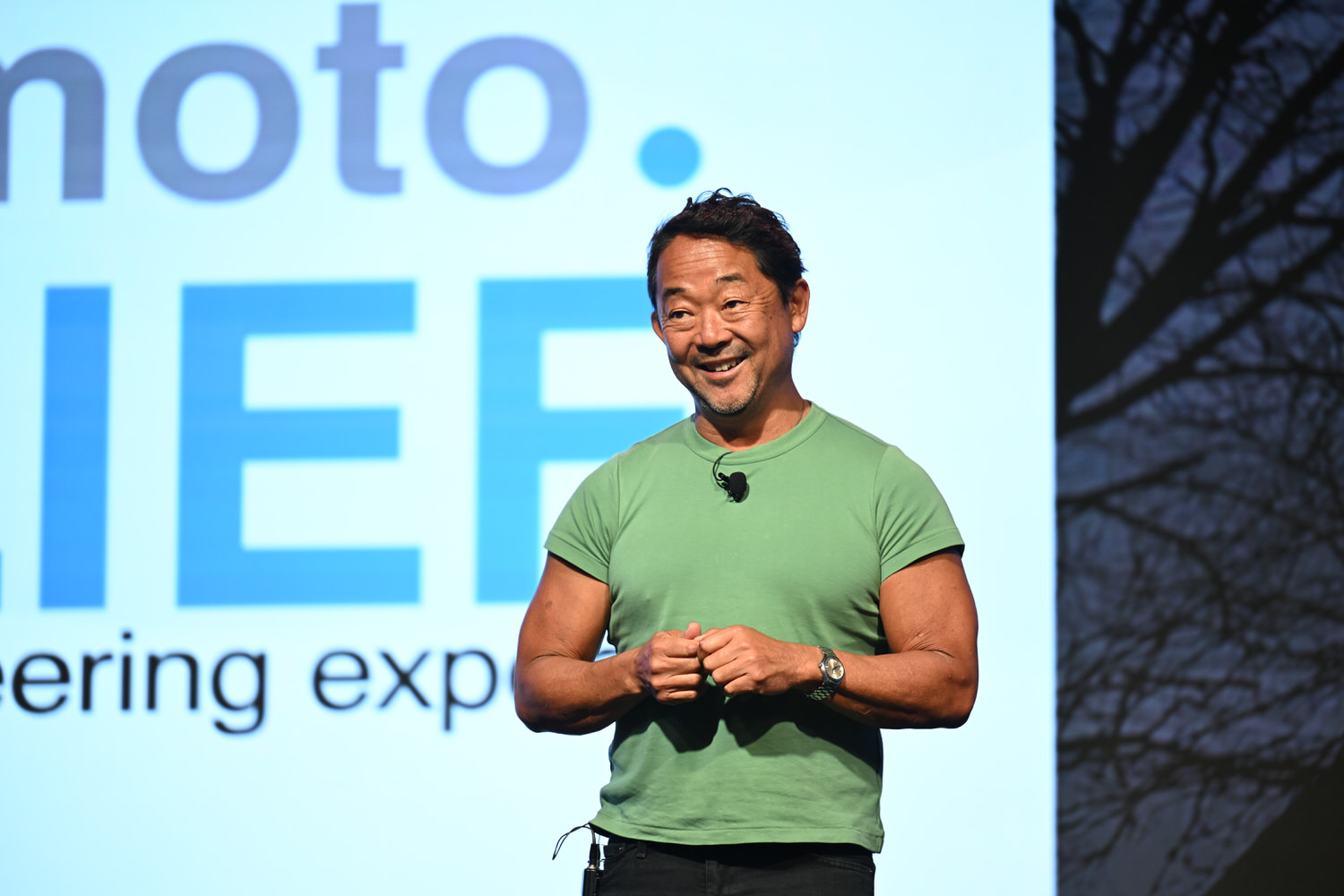
Mastering harsh theatrical stage spots and moody venue shadows during live keynote presentations.
The decision to lean on high ISO, the digital sensitivity of the camera’s sensor, is the gamble that separates the professional from the amateur. While higher ISO introduces digital noise (grain), Loi understands that a slightly noisy, perfectly timed, and emotionally genuine photograph is infinitely superior to a sharp, technically clean, but missed moment.
But managing the exposure—balancing the shutter speed (to freeze the action), the aperture (to gather light), and the ISO (to maintain sensitivity)—is only half the battle. The other, often overlooked, technical challenge is color rendition, particularly when multiple light sources (LEDs, tungsten, fluorescents) pollute the scene.
When moving through a large, dynamic venue, Loi has a three-point checklist that constitutes his real-time command center. He constantly monitors and adjusts his exposure via “shutter speed, ISO as well as white balance.” Shutter speed is crucial for dealing with motion; a fraction too slow, and a keynote speaker’s gesture becomes a blur.
ISO is the primary light gatherer. However, it is the focus on white balance that elevates Loi’s work to an authoritative standard. Fluorescent lights cast sickly greens, while tungsten casts strong oranges. Loi’s insistence on monitoring the white balance—the setting that determines how the camera interprets true white—is key to ensuring that, even under the most mixed lighting, the final image is not just bright enough, but that the colors “look correct.” This pre-emptive color correction in the camera saves exponentially more time in the post-processing phase, proving that technical mastery is the foundation of efficiency.
The Dual Mandate: Storytelling and Commercial Context
Event photography operates under a dual mandate: the artistic goal of emotional storytelling and the commercial requirement of delivering specific client assets. A less experienced photographer might struggle to reconcile the need for a technically clean, staged handshake photo with the desire to capture the spontaneous joy of a networking break. Loi navigates this tension by adopting a holistic, narrative approach.
“We take many different photos to help balance and tell a story,” Loi explains. The ‘handshake photo’—the clean, required deliverable often featuring logos and key individuals—is essential. But it only serves as a visual anchor in a much larger, more compelling narrative. The surrounding pictures, the candid smiles, the deep focus of attendees in a breakout session, are the emotional threads that give the final gallery depth and resonance.
Loi boils down the essential ingredients of this visual narrative into three top storytelling shots that are non-negotiable for every gallery, regardless of the client or theme:
- The Wide Angle/Event Space Shot: This is the opening act, the establishment of scale and atmosphere. “I try to give a wide angle of the event space,” Loi notes, establishing the scope, investment, and energy of the environment the client painstakingly created.
- The Human Connection Shot: This is the emotional core. Loi insists on “smiling photos with people in the photos.” This focuses on the primary purpose of most events: connection, engagement, and positive experience. These are the images that future attendees look at to judge the energy of the event.
- The Contextual/Commercial Shot: This fulfills the client’s commercial agenda. Loi ensures he captures “context with logos and branding to show the audience what type of event is occurring.” He also makes sure that, “If products are there, I also focus on products and demos too.” This is the tangible evidence of success and the visual justification for sponsors and marketing departments.
This triple-threat approach ensures the gallery is comprehensive: it has the Scale (wide shot), the Soul (smiling people), and the Sponsor/Commercial Context.
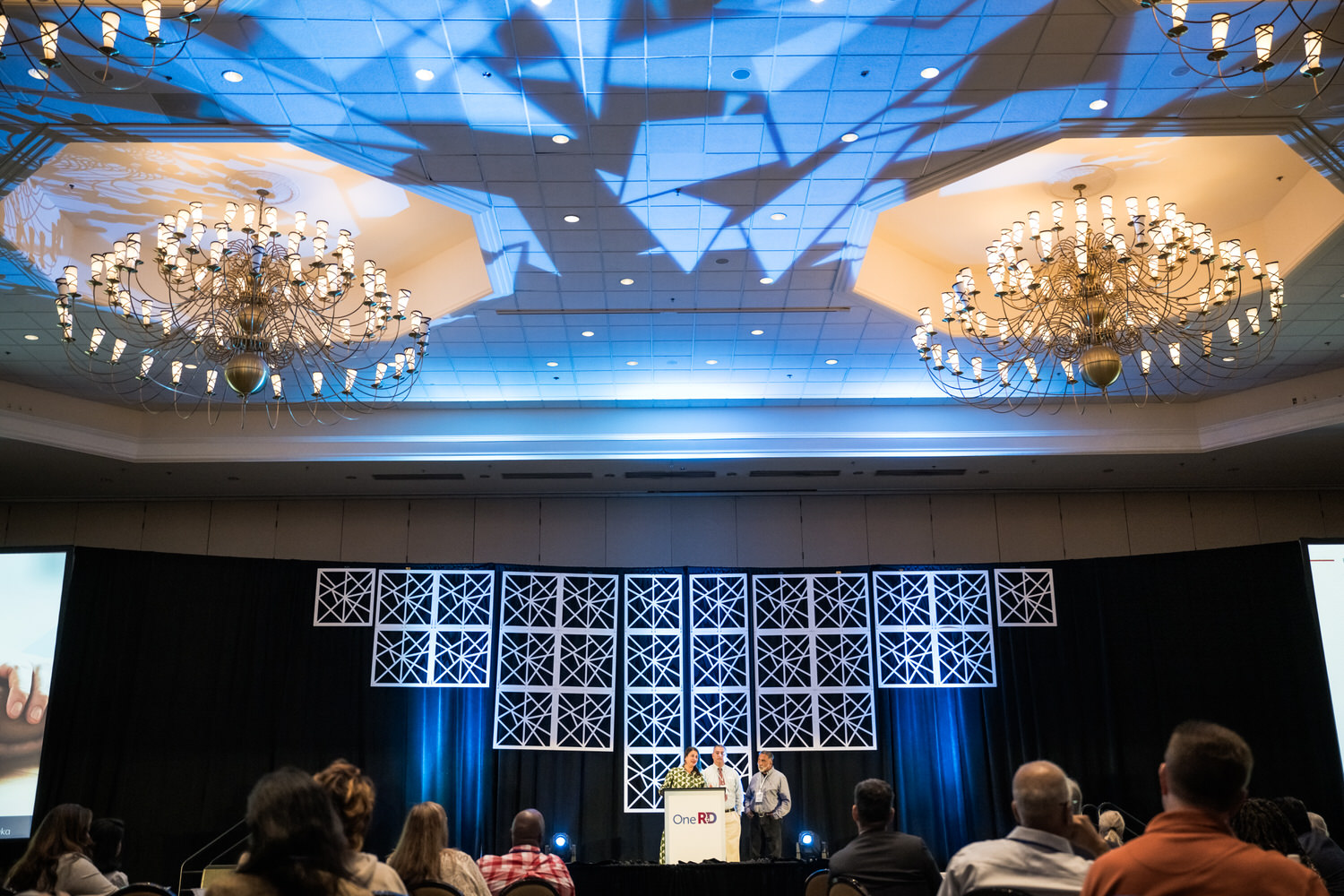
Scale and commercial context: Stage branding, executive leadership, and full room architecture.
The Lens of Intimacy: Isolating Subject from Chaos
One of the greatest challenges in a high-attendance, corporate event is physical space. When pressed into a “crowded space,” the photographer’s goal shifts from capturing the environment to isolating a single subject and making the photo feel intimate despite the surrounding chaos.
Loi’s strategy here is elegant in its simplicity and powerful in its execution: he relies on specialized glass. “I use long lenses to help isolate the subject and give separation from the background,” he reveals. This technique is known as focal length compression. By using a telephoto lens (a ‘long lens’), Loi can stand back, zoom in, and simultaneously blur the background into a beautiful wash of color—a photographic phenomenon known as bokeh.
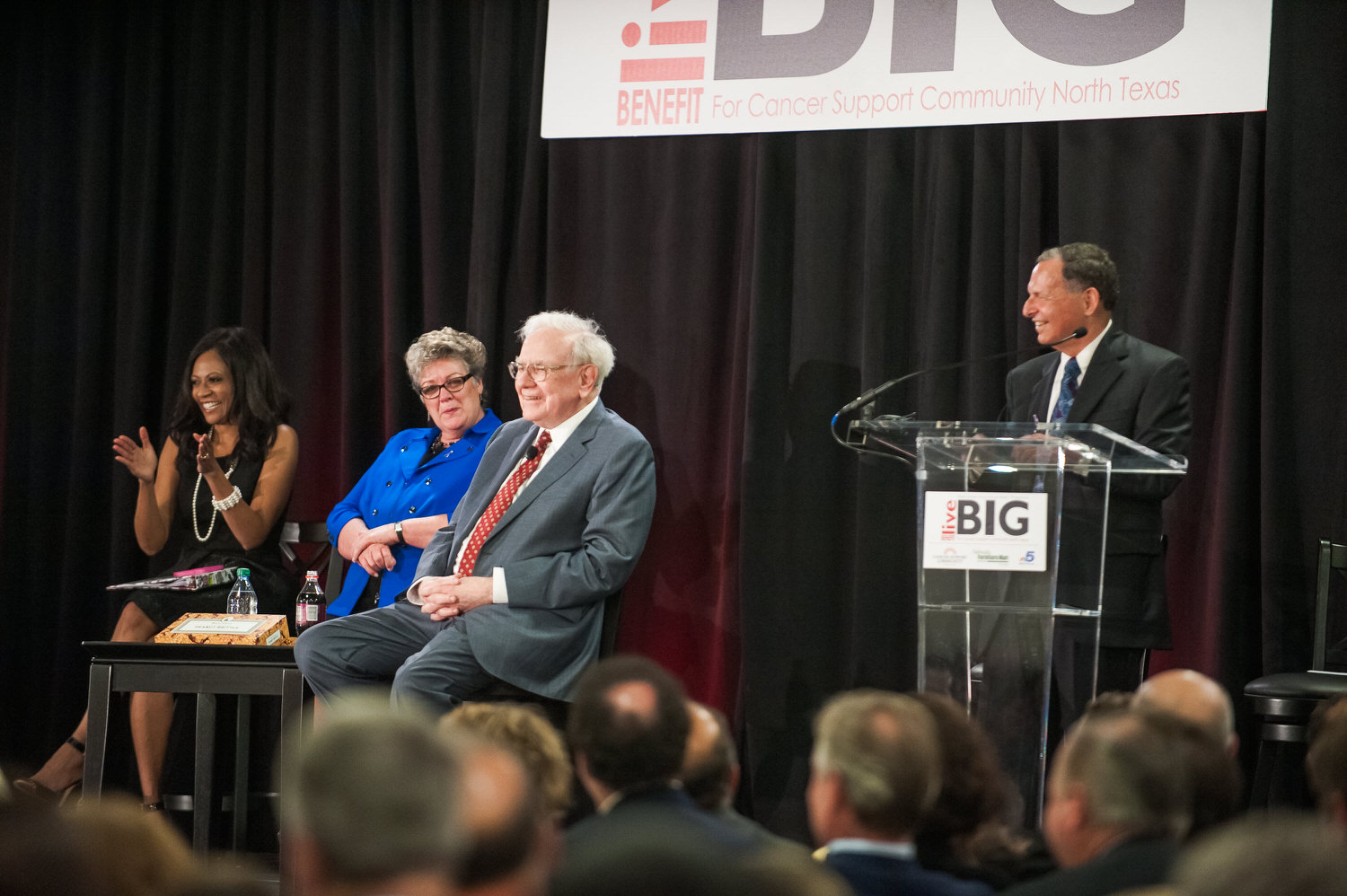
Isolating high-profile keynote speakers and guests with telephoto focal compression.
This technical choice does two things: first, the optical compression effect pulls the viewer’s eye directly to the subject, minimizing the visual distraction of the crowd. Second, the intimate feel Loi seeks is created not just by focusing on the subject, but by intentionally reducing the background clutter to abstract light and color, transforming a crowded conference hall into a personal moment of reflection or interaction. It is a masterful technique for generating authority and emotion in crowded environments, proving that distance, when managed by a telephoto lens, can actually create intimacy.
The Human Element: Proximity, Psychology, and Stamina
While Loi’s technical acuity is undeniable, his true advantage lies in the mastery of soft skills—the psychological and diplomatic maneuvering required to execute the job flawlessly.
When asked about the most common mistake he observes in other event photographers, Loi quickly pivots from technical errors to failures in human connection. He identifies a crucial error that limits the potential of a photograph: “A lot of novices will not get close enough to their subjects.” This is not merely a critique of composition; it’s a critique of confidence and interaction. Getting close—whether physically or through a long lens—requires a rapport with the subject.
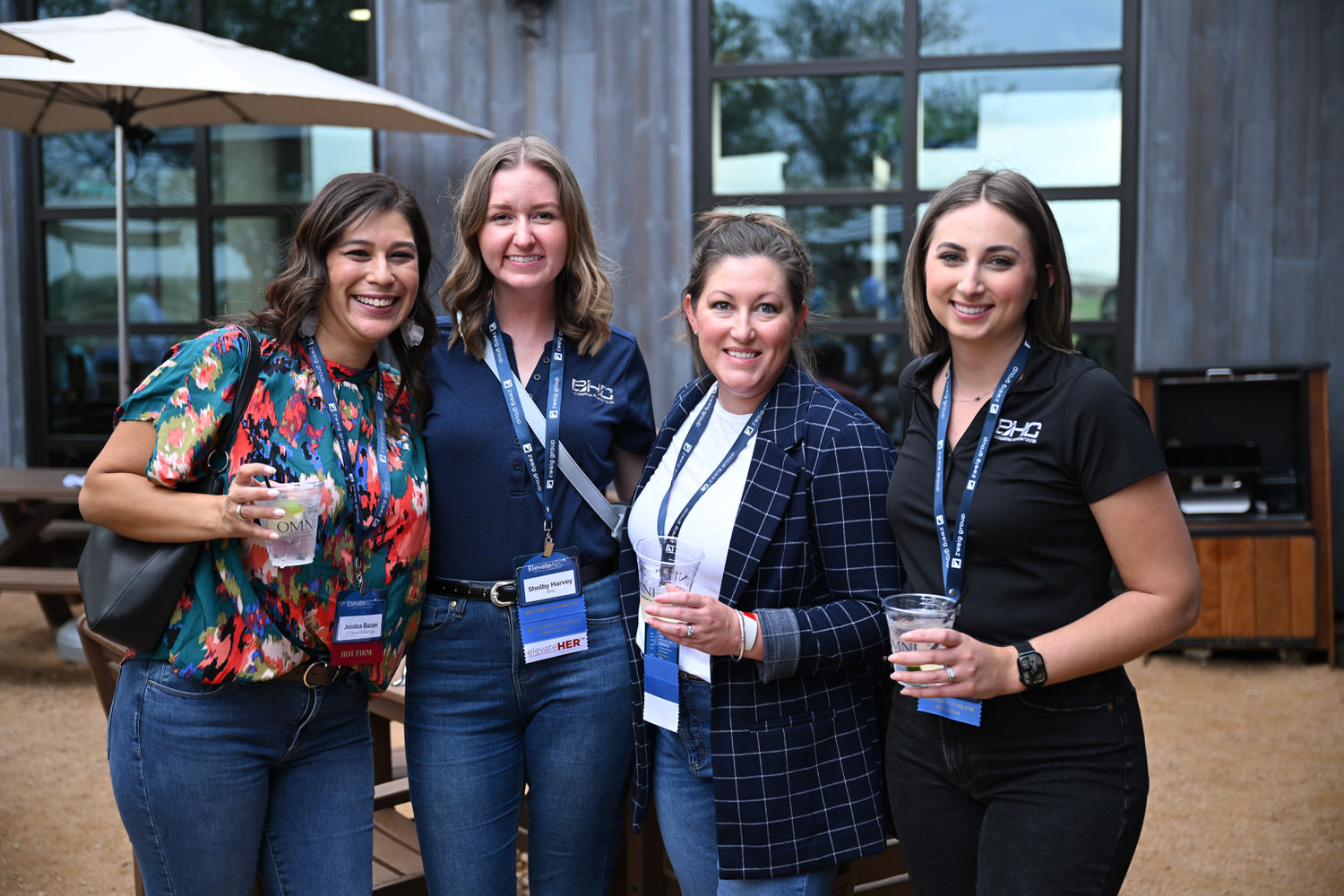
Breaking down barriers: Approaching attendees with warmth to capture relaxed, candid engagement.
Loi’s strategy for avoiding this mistake is to break down the natural barrier between the camera and the attendee. He advises that simply “being friendly and introducing yourself can go a long way to helping people feel comfortable around a camera.” This simple act transforms the photographer from a lurking observer into a recognized, friendly presence, instantly relaxing subjects and yielding more natural, authentic expressions.
This diplomacy extends to managing the event staff and planners. Loi’s advice to newer photographers is direct and foundational: “Be friendly! Talk to them about their needs and make sure all of the goals are aligned and that you can deliver on that.” This preemptive alignment ensures that the photographer understands the event’s mission-critical shots, sponsor requirements, and flow, making the entire process seamless and unintrusive—a massive benefit to the event organizer.
Finally, there is the challenge of the marathon event day. An 8-to-12-hour event is a physical and mental grind. Loi offers a counter-intuitive piece of wisdom to maintaining high energy: don’t try to maintain it constantly. “I don’t,” he says simply, in response to the question of non-stop enthusiasm. He sees the slow times—the lulls, the long break sessions—not as frustrating downtime, but as necessary strategic pauses. “These are the times to take breaks so that when you are again client facing, you are rested and ready to be interactive and friendly.” This focused conservation of energy ensures that when the critical moments arrive—the key networking sessions, the main speech, the final celebration—he is genuinely present, rested, and ready to engage the camera and the people.
The Strategy of Light and Emotion: Pre- and Post-Event Execution
Loi’s work flow is defined by strategic intentionality at the bookends of the event: the pre-event scouting and the post-event culling and editing.
For a venue he has never worked in, his pre-event scouting process is laser-focused on the single most unpredictable variable: light. While a venue map provides the layout, it tells him nothing about how the light interacts with the space. “My approach to a venue is to look for where the lighting falls,” he says. This is more than just checking where the windows are. It’s about finding the directional light, the beautiful pools of shadow, the clean walls where a keynote speaker might stand, and identifying the areas where the mixed lighting will be most problematic. “Everything else is pretty simple to get around,” he concludes, underscoring that light, once mastered, simplifies the rest of the logistical challenges.
The post-event processing, where “the magic is finished,” is arguably the most brutal phase, requiring the photographer to rapidly cull thousands of images down to a concise, high-impact gallery. Loi’s “golden rule” for this process reveals his core values—the commercial value of emotion.
He does not filter based purely on technical perfection, but on human engagement. “I look a lot for images of people that are engaged, excited, smiling,” he affirms. His discard strategy is equally telling: “I do not keep the photos where the interest looks low or they look tired and un-engaged in the moment.”
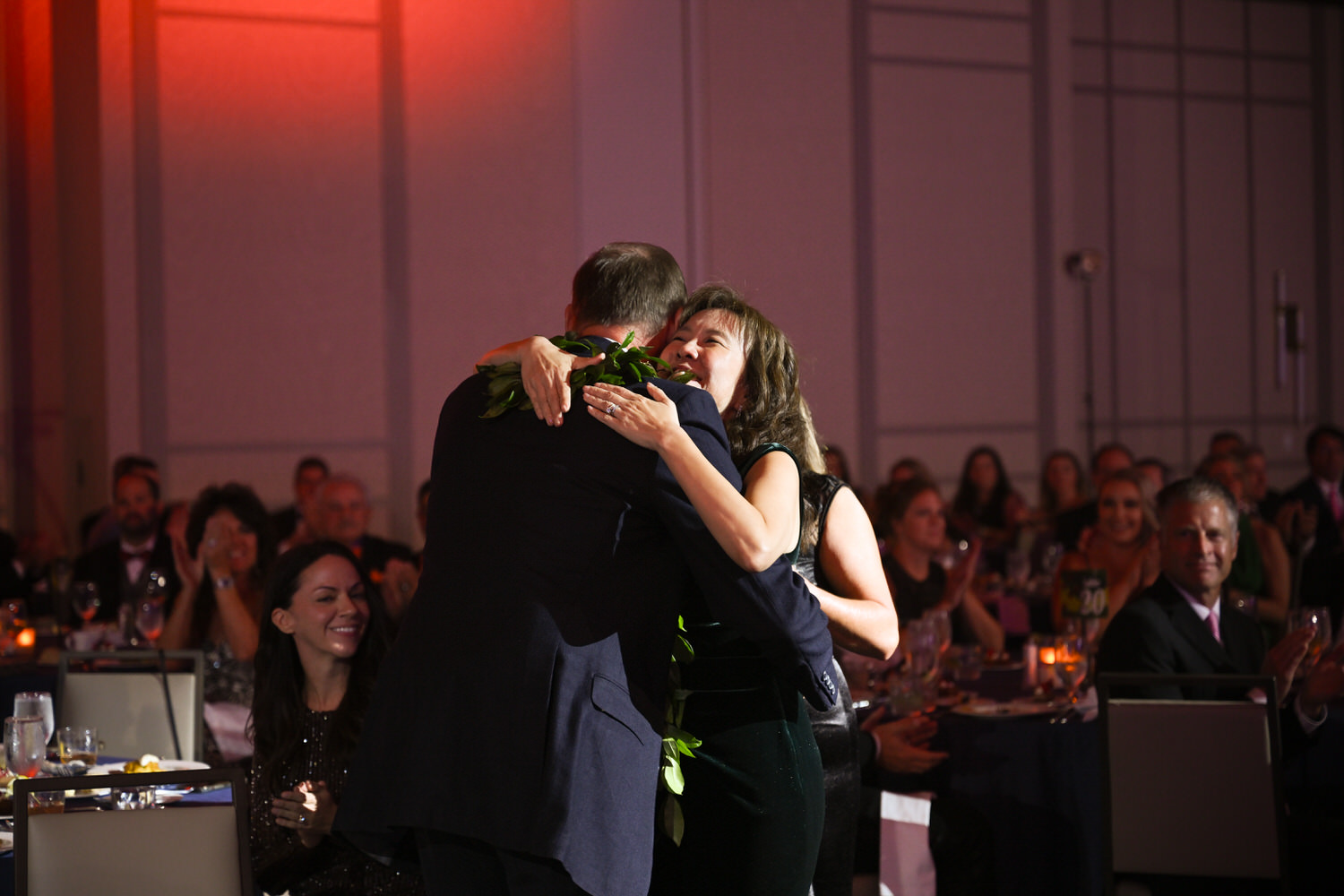
The commercial value of genuine emotion: Capturing peak celebrations and heartfelt interactions.
Crucially, Loi notes that this filtering starts before the shutter is pressed. The best way to cull thousands of photos quickly is not to have thousands of bad ones to begin with. “I also don’t take these photos in the first place.” This is the ultimate expression of his authority: he doesn’t rely on the safety net of spray-and-pray; he uses his camera with surgical intent, actively avoiding any composition or moment that does not meet his internal criteria for positive engagement. The culling phase, therefore, is simply a final confirmation of the intentionality he applied in real-time.
The Final Metric of Success
For David Loi, success goes beyond delivering a set number of images that the client can use on their social media channels. It is the fulfillment of the entire narrative arc, a comprehensive visual artifact that justifies the client’s entire event investment.
Beyond the client’s commercial goals, Loi’s personal definition of success synthesizes his technical skill and narrative focus into a single, comprehensive metric.
“I consider my work on an event day a success when the photos help tell the events story from beginning to end,” he states, emphasizing the scope of the documentation. This includes the subtle, often neglected, elements: “the break-out sessions, any demonstrations,” which prove the event’s educational value, as well as the commercial necessity of “making sure I capture all of the sponsors that helped make the event happen.”
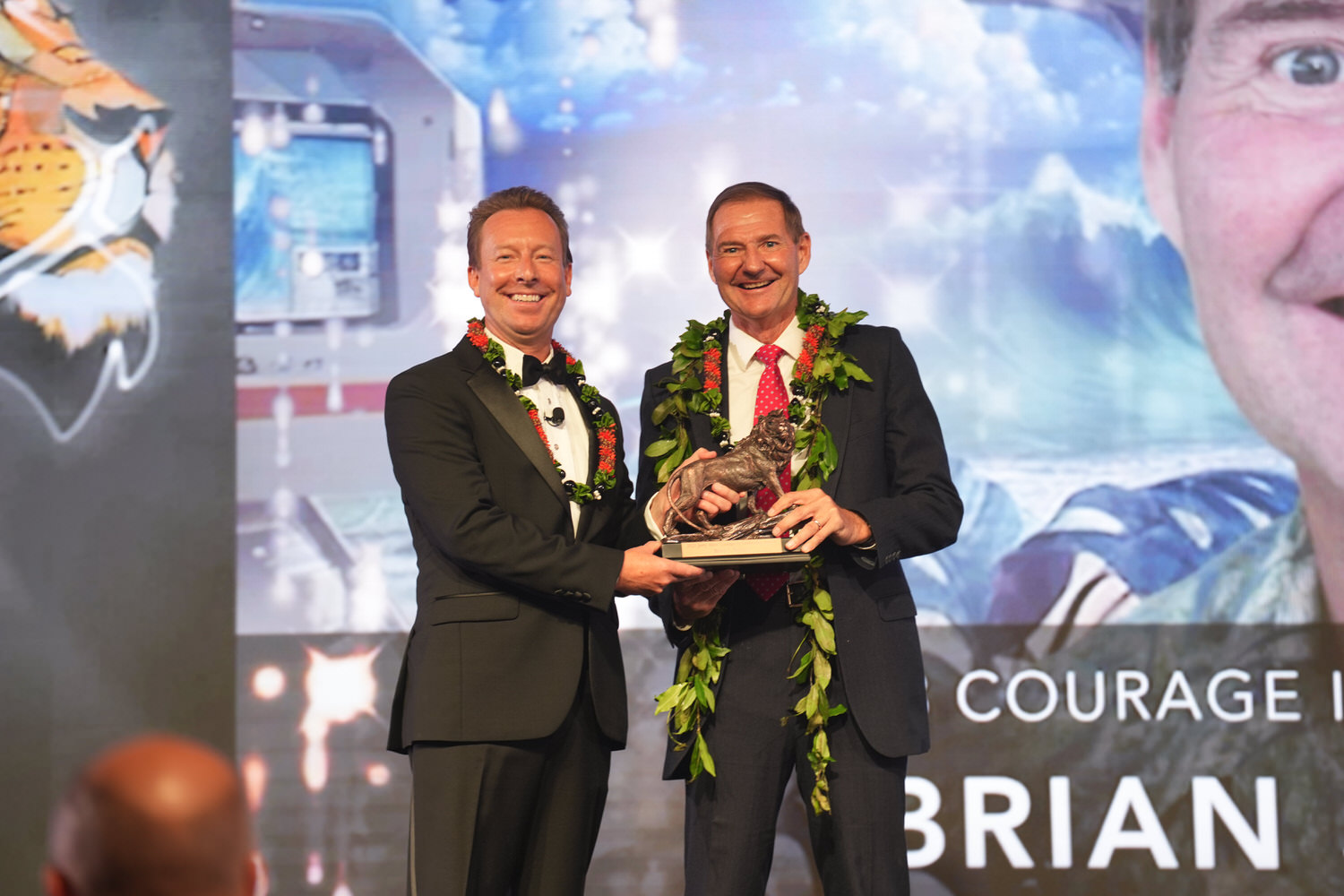
The full narrative arc: Award ceremonies and milestone recognitions that justify the event investment.
Loi is not just selling photography; he is selling a complete visual history and a potent marketing tool. His authoritative approach—from the technical gamble of using high ISO in low light to his use of long lenses for intimacy in crowds, and his insistence on friendly, proactive diplomacy—results in a gallery that is not just a collection of moments, but a commercially valuable narrative. David Loi is the event photographer’s gold standard, the alchemist who consistently turns unpredictable light and logistical chaos into clear, concise, and compelling stories.
📍 Dallas-Ft Worth • 🌐 davidloistudios.com • 🤝 Represented by Wonderful Machine • 📸 Gear partner: Cheetah Stand
Bring Your Brand's Vision to Life.
Partner with David Loi Studios for high-impact commercial, editorial, product, and architectural photography tailored to elevate your business in Dallas and beyond.
Speak directly with David regarding upcoming campaigns or urgent shoot schedules.
Call David Loi: (214) 773-2424Request a Project Quote
Fill out the details below and we'll craft a custom proposal for your commercial needs.