
Fort Worth, TX
The Gold Standard in Fort Worth Sales & Marketing Photography
High-impact commercial imagery tailored for Fort Worth brands, agencies, and market leaders.
In the fast-paced commercial landscape of Fort Worth, a brand’s visual identity is often its first and most decisive handshake. At David Loi Studios, we understand that professional photography is not merely about capturing a subject; it is about articulating a standard of excellence.
We provide the “Gold Standard” in commercial imagery by blending technical precision with a deep understanding of the North Texas market. Our work serves as a silent ambassador for your business, ensuring that whether you are a boutique firm in the Stockyards or a corporate entity in Clearfork, your visual presence is as sophisticated and reliable as the services you provide. We move beyond simple snapshots to create polished, intentional visuals that reflect the caliber of your brand, establishing immediate credibility in a competitive environment.
Turn Prospects Into Partners with High-Impact Commercial Imagery Today
The transition from a curious prospect to a committed partner relies heavily on trust—and trust is built through transparency and professional presentation. High-impact commercial photography bridges the gap between digital discovery and physical collaboration.
At David Loi Studios, we specialize in imagery that does more than catch the eye; it engages the mind. By showcasing your team, your workspace, and your products through a refined lens, we help you tell a story of capability and dedication. When a prospect sees the attention to detail in your marketing assets, they recognize a mirror of the attention to detail they can expect from your partnership. We help you make that first impression count, transforming passive viewers into active collaborators through the power of high-end visual storytelling.

Two businessmen reviewing documents, corporate portrait photography Dallas, Texas
Visual Assets Designed for Conversion and Growth
In the modern sales funnel, every image must serve a purpose. We believe that photography should be a high-performing asset in your marketing portfolio, specifically engineered to drive conversion and facilitate long-term growth. Our approach is collaborative and strategic; we don’t just take pictures—we develop visual solutions.
From hero images that anchor your website to lifestyle portraits that humanize your sales outreach, our work is designed to reduce friction in the buyer’s journey. By investing in professional assets that are tailored to your specific growth goals, you provide your sales team with the tools they need to close deals and your marketing team with the content required to scale. David Loi Studios provides the clarity and quality necessary to ensure your visual investment yields a measurable return.
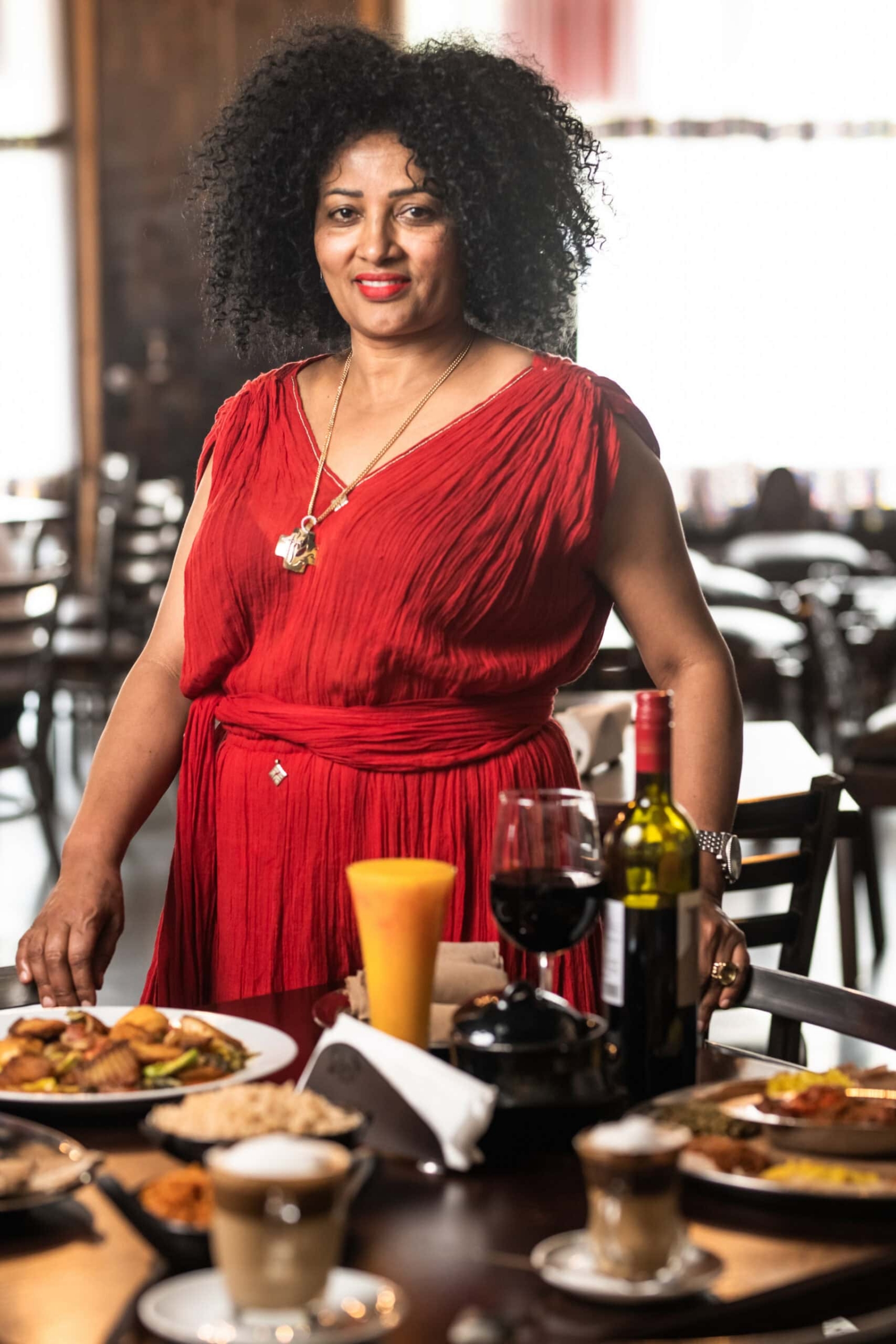
Woman in red dress standing at table with Ethiopian cuisine, restaurant portrait photography Dallas, Texas
Who is David Loi?
David Loi (born August 1981) is an American commercial photographer, videographer, and visual storyteller known for his dramatic use of light and shadow, particularly within the automotive, aviation, lifestyle, and hospitality sectors. His work is characterized by the strategic placement of subjects within their environment, utilizing specialized lighting techniques to create separation, depth, and a compelling narrative. He is the founder of David Loi Studios.
Operating primarily from his studio in Dallas, Texas, Loi’s career trajectory moved from highly reactive wedding photojournalism to highly controlled, high-production commercial photography, where the focus remains on leveraging visual narrative to solve client marketing and brand trust challenges. Read more on his wiki page!
FAQ: Marketing and Sales Photography for Businesses and Agencies
1. What is the primary role of commercial product photography in modern digital sales?
Commercial product photography serves as the visual foundation for digital sales by establishing immediate trust with potential customers. High-quality images bridge the gap between physical and online shopping, allowing buyers to inspect details, textures, and features. By presenting products professionally, companies can significantly reduce return rates, enhance brand perceived value, and drive higher conversion rates across various e-commerce platforms.
2. How does lifestyle photography differ from standard studio product shots for marketing campaigns?
Lifestyle photography focuses on placing products within a relatable context or real-world setting, rather than against a plain background. This approach tells a story and helps consumers visualize how a product fits into their own lives. While studio shots highlight technical details, lifestyle images evoke emotions and aspirations, making them essential for social media engagement and brand-building advertisements.
3. Why should a creative agency invest in professional corporate headshots for their client’s team?
Professional corporate headshots humanize a brand and build personal connections between a business and its clientele. For creative agencies, providing high-quality portraits of a client’s team demonstrates transparency and approachability. Consistent, well-lit headshots across a “Meet the Team” page or LinkedIn profiles enhance professional credibility, making the company appear more organized, unified, and ready to engage with partners.
4. What are the specific benefits of architectural photography for real estate and hospitality businesses?
Architectural photography captures the essence of a physical space, highlighting design, scale, and atmosphere. For real estate and hospitality, these images are critical sales tools that influence booking decisions and property valuations. Using specialized lenses and lighting techniques, professional photographers can make interiors look spacious and inviting, ensuring that the property stands out in a highly competitive digital marketplace.
5. How does food photography impact the sales performance of restaurants and delivery apps?
Food photography is a powerful sensory marketing tool that directly influences appetite and purchasing behavior. In the competitive world of delivery apps, a visually stunning dish can be the deciding factor for a hungry customer. Professional lighting and styling make ingredients look fresh and appealing, which increases the likelihood of orders and helps restaurants justify premium pricing through visual excellence.
6. What role does “hero imagery” play in the design of a corporate homepage?
Hero imagery refers to the large, impactful banner at the top of a webpage that immediately captures user attention. Its role is to communicate the brand’s core message or primary offering within seconds of landing. For a corporate site, a custom hero image is far more effective than stock photos, as it establishes authentic authority and sets the visual tone.
7. How can industrial photography help manufacturing companies attract new B2B clients and partners?
Industrial photography showcases the scale, technology, and precision of manufacturing processes. For B2B companies, these images serve as visual proof of capability and safety standards. High-quality shots of machinery, logistics, and skilled workers in action build confidence in potential partners, demonstrating that the company has the infrastructure and expertise required to handle large-scale production and complex logistical demands.
8. Why is event photography important for a company’s long-term brand storytelling and PR?
Event photography captures the energy and culture of a brand through conferences, launches, or community gatherings. These images provide valuable content for press releases, annual reports, and social media updates. By documenting milestones, a company creates a visual history that reinforces its market presence, celebrates its achievements, and shows stakeholders that the organization is active, successful, and culturally vibrant.
9. What is “e-commerce ghost mannequin” photography and why is it used in fashion?
Ghost mannequin photography is a specialized technique where clothing is photographed on a form that is later edited out. This creates a 3D effect, showing the fit and shape of the garment without the distraction of a model. It is widely used in fashion e-commerce because it provides a clean, consistent look that focuses entirely on the apparel’s structure.
10. How does fashion editorial photography differ from standard catalog shoots for retail brands?
Fashion editorial photography is focused on artistic expression and storytelling, often appearing in magazines or high-end advertisements. Unlike catalog shoots, which prioritize clear views of the clothing for direct sales, editorials use dramatic lighting, unique locations, and stylized posing to sell a lifestyle or a concept. This helps luxury brands build an aspirational identity and a distinct visual voice.
11. What are the advantages of using 360-degree product photography for online retail stores?
360-degree photography allows customers to interact with a product by rotating it to see every angle. This immersive experience mimics the physical act of handling an item in a store. It provides a comprehensive view that static images cannot match, leading to increased customer confidence, longer time spent on the product page, and a notable decrease in purchase-related uncertainty.
12. How does professional post-processing and retouching add value to a business’s visual assets?
Post-processing is the final step that elevates a good photo to a professional marketing asset. Retouching corrects color imbalances, removes distracting imperfections, and ensures brand consistency across all images. For businesses, this attention to detail signals quality and professionalism. It ensures that every visual touchpoint reflects the high standards of the company, reinforcing a polished and reliable brand image.
13. In what ways can drone photography enhance the marketing strategy of large-scale enterprises?
Drone photography provides a unique aerial perspective that can showcase the vastness of corporate campuses, construction sites, or large events. This “bird’s-eye view” adds a cinematic quality to marketing materials, making a brand appear more modern and forward-thinking. It is particularly effective for industries like agriculture, construction, and tourism, where the scale of operations is a key selling point.
14. What is the significance of “candid office” photography for recruitment and employer branding?
Candid office photography captures the day-to-day reality of a company’s work environment and culture. Unlike staged portraits, these images show genuine collaboration and employee engagement. For recruitment, this authenticity is vital; it helps potential hires visualize themselves in the space. Authentic visuals build a stronger employer brand, attracting talent that aligns with the actual social dynamics of the workplace.
15. Why should businesses prioritize custom brand photography over using generic stock photo libraries?
Custom brand photography ensures that a company’s visuals are unique and perfectly aligned with its specific identity. While stock photos are convenient, they often lack authenticity and can be found on competitors’ sites. Custom images feature the actual people, products, and locations of the business, creating a distinct visual signature that fosters deeper trust and recognition with the target audience.
Ready to elevate your brand in Fort Worth?
From commercial branding and product shoots to executive portraits, David Loi Studios delivers visual excellence that drives conversion.