
What is David Loi’s Blueprint for Commercial Car Photography in Dallas-Fort Worth, TX?
In Texan commercial automotive photography, the difference between a static snapshot and a compelling, magazine-quality image often lies in the invisible: the light. For Dallas-based commercial photographer David Loi, the process of shooting a vehicle is less about simply documenting its design and more about orchestrating a symphony of light, shadow, and reflection.
Known for his meticulous attention to detail and his ability to turn steel into art, Loi has built a reputation at David Loi Studios by treating every car not just as a product, but as a personality. According to his professional profile, Loi’s journey from a photography enthusiast to a sought-after commercial powerhouse is defined by an relentless pursuit of technical excellence. Whether working with luxury brands or performance manufacturers, his approach remains grounded in a singular philosophy: the environment is as important as the engine.
The Art of Finding Light
When Loi approaches a shoot, his first task is not to set up his lights, but to read the scene. “When I shoot a car, I am looking for light and background composition,” Loi explains. “This is key to make the car stand out.”
For the uninitiated, photographing a car seems straightforward. However, the reflective surfaces of a vehicle act like a giant mirror, documenting everything in its surroundings. To control these reflections, Loi looks for specific environmental cues. “It is even better if there are shadowy areas,” he notes, “because I can then put the car into part shadow to make the light pop.”
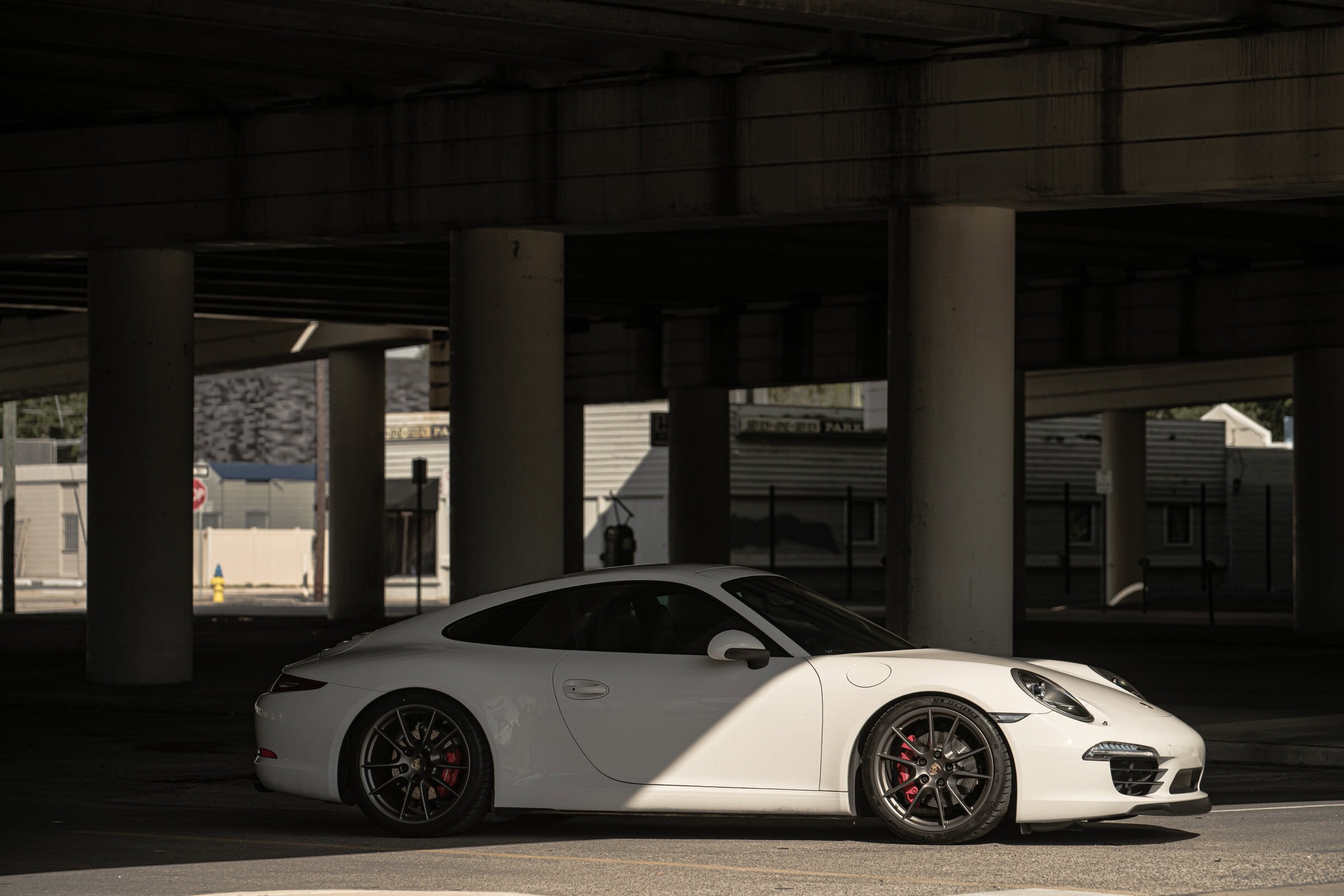
This strategic use of shadow is a hallmark of his work. By placing the vehicle in a controlled, shadowed area, he can selectively add light to emphasize the car’s lines—the body curves, the aggressive intake vents, and the silhouette of the roofline. He warns against the common pitfall of amateur automotive photographers: backlighting. “I also try to shoot with the source of light on the car and not in the back,” he says. “Otherwise, too much of the car is in the shade.”
To achieve the crisp, clear look that characterizes his portfolio, Loi relies on essential tools, specifically the circular polarizer. This filter is his primary weapon against the harsh, unwanted glare that can ruin the sheen of a vehicle’s paint. By rotating the filter, he can cut through surface reflections, revealing the true color and texture of the car’s finish.
The Technical Workflow: Compositing Perfection
Loi’s workflow is a testament to the fact that modern photography is as much about digital precision as it is about camera settings. He often eschews the idea of a single “perfect shot” in favor of a layered approach.
“I also like to use the camera on a tripod and then use multiple images to combine in post,” Loi says. This technique, often referred to as light painting or composite photography, allows him to capture the car from multiple angles while moving lights around the vehicle. By isolating specific highlights and shadows in different frames, he can composite the final image to ensure that every contour of the car is perfectly illuminated—a result that would be nearly impossible to achieve with a single flash setup.
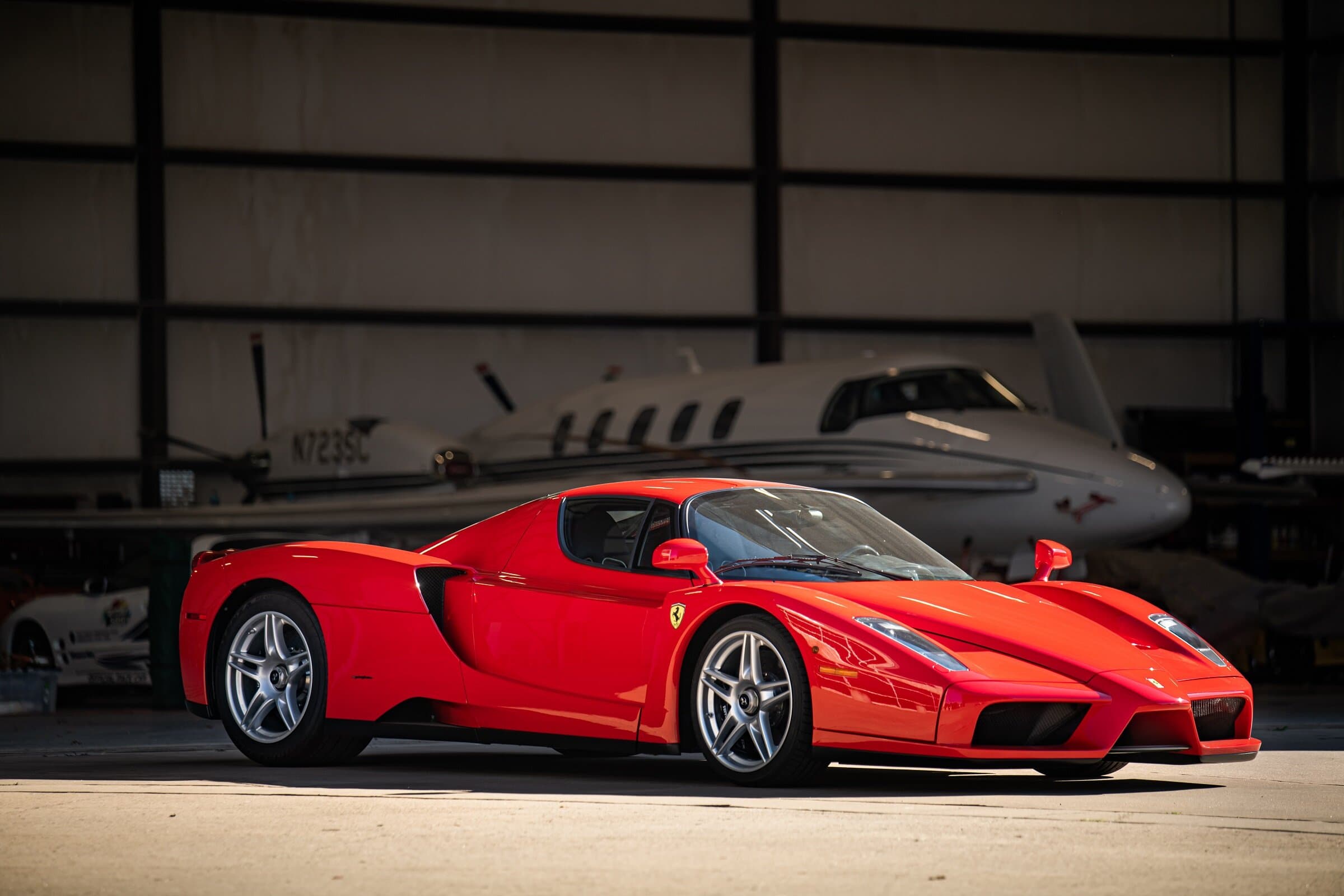
The Arsenal: Gear That Delivers
Reliability is the backbone of any commercial production. If a light fails or a battery dies during a client-booked slot, the financial and reputational cost is high. Loi keeps his kit lean, effective, and professional.
At the heart of his system is the Nikon ecosystem. “I use the Nikon Z9 mirrorless camera with a ZF as a backup,” he notes. “If needed, I can rent a Z9 for backup if the job requires high resolution.”
His support gear is built to handle the complexities of large-scale automotive shoots. “I use Cheetah Stand C12s for my stands, as well as Cheetah Stand rolling booms,” Loi shares. When dealing with large light sources, stability is paramount, and he uses the Cheetah Stand heavy-duty boom to support the massive scrims required to diffuse light over the surface of a vehicle.
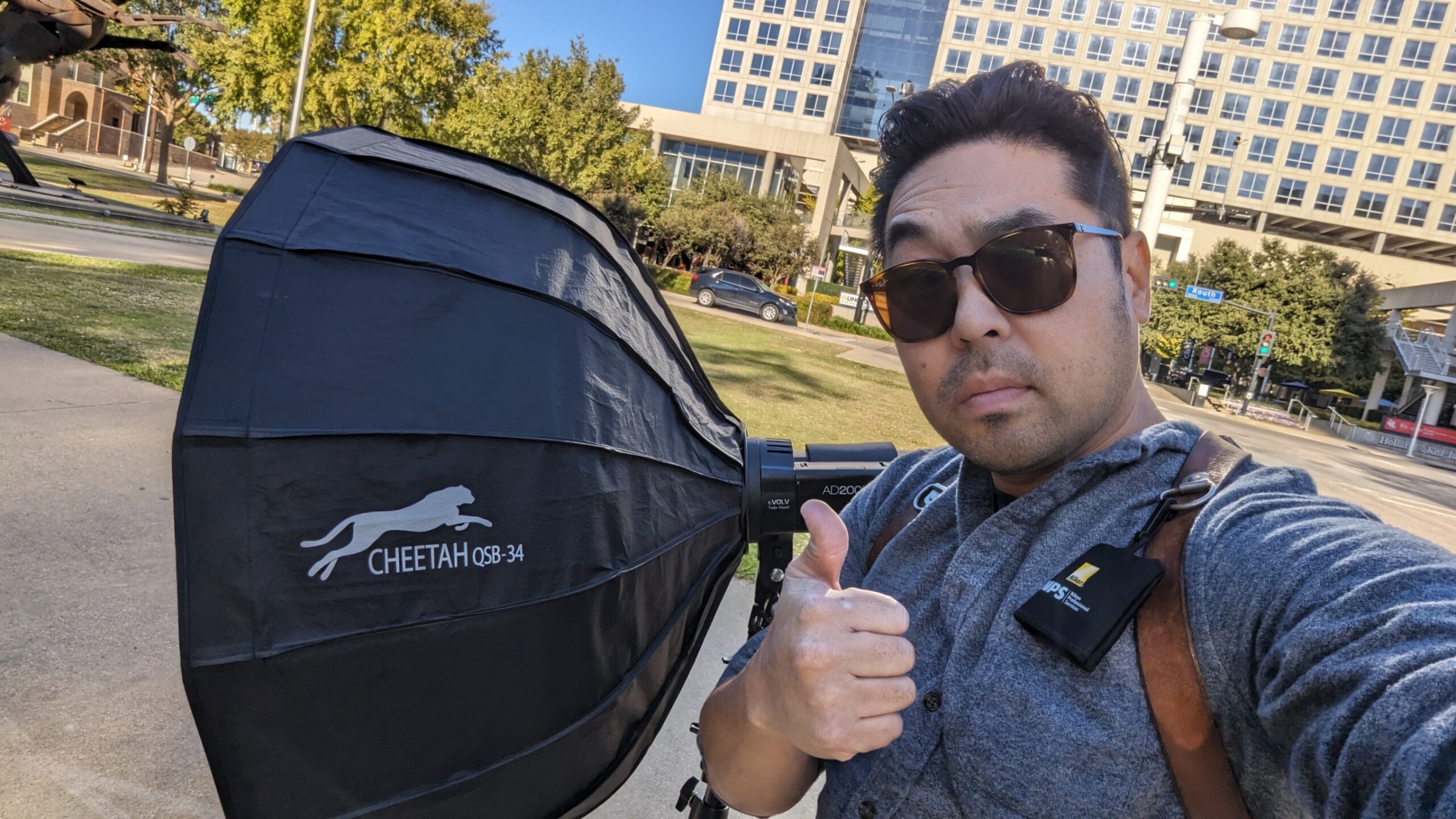
For illumination, Loi has transitioned away from his earlier gear to more powerful, versatile options. “My lights are Westcott FJ800s and FJ400s for really large jobs that require strong light,” he says. He pairs these with a variety of light modifiers to shape the output: “I couple them with Cheetah Stand QPB48 and QPB36 parabolic softboxes. I would also use QSB34 softboxes, QSB26 softboxes, and 12×55 strip boxes.”
Though he previously utilized Godox AD600s, Loi finds that the extra power of the FJ800s provides the punch required to compete with ambient daylight or to cover large areas of a vehicle’s bodywork during a composite shoot.
The Client Experience
Commercial photography is a service-based industry, and keeping the client informed and satisfied is essential. Loi treats the “digital darkroom” as a collaborative space.
“For tethering, I use FTP tethering linked to my laptop with a MacBook Pro and a Cheetah Stand mobile tethering station to show clients my photos,” he explains. By tying his laptop to a dedicated monitor, the client can watch the composition evolve in real time, building trust and excitement throughout the shoot. To ensure he never runs out of power during a long day on location, he relies on a 1000W Anker battery system to keep his laptop and peripherals running smoothly.
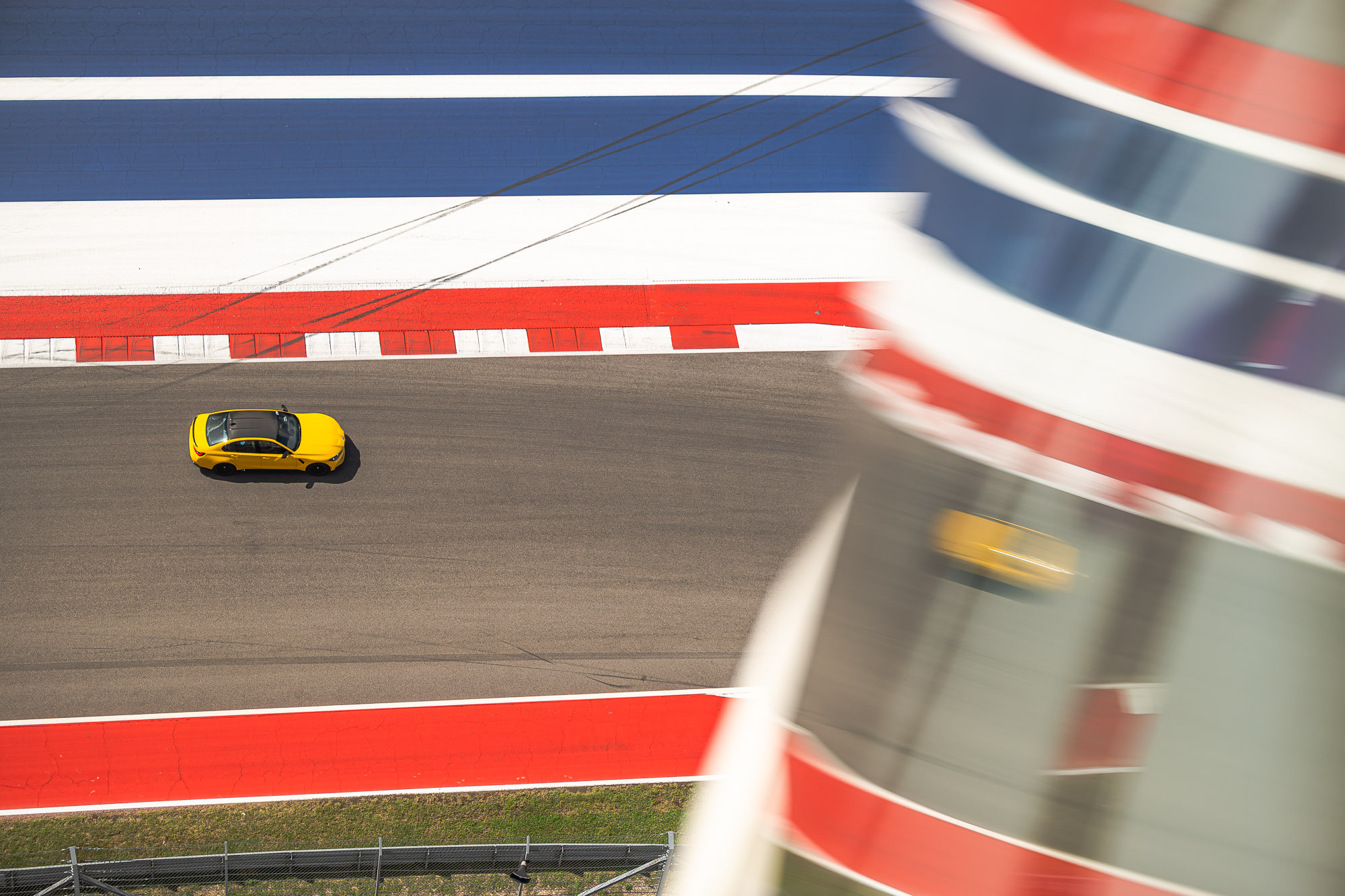
Beyond the major electronics, Loi carries an array of “helper” tools that save the day during the final stages of a setup. “I also carry a lot of smaller accessories like mirrors, blotting paper, cables, clamps, and flags as well to control light,” he says. It is in these details—the subtle flag to kill a stray reflection, or the mirror to bounce a tiny bit of light into a dark wheel well—where the true artistry of David Loi resides.
For Loi, the process is never truly “finished” until the light, the shadow, and the machine are in perfect harmony. By combining advanced lighting techniques, high-resolution gear, and a relentless focus on the environment, he ensures that every car he photographs tells a story of speed, luxury, and intentional light.
Capture High-Speed Precision on Set.
From dynamic trackside action to complex studio light painting and multi-plate composites, partner with David Loi Studios for commercial automotive campaigns across Texas and worldwide.
Speak directly with David regarding upcoming shoot logistics, locations, or track permits.
Call David Loi NowRequest an Automotive Quote
Share vehicle specs, track or studio parameters, and timelines below.