
David Loi
My “Alice” Moment: Framing the Future at Dallas College
My “Alice” Moment: Framing the Future at Dallas College
By David Loi
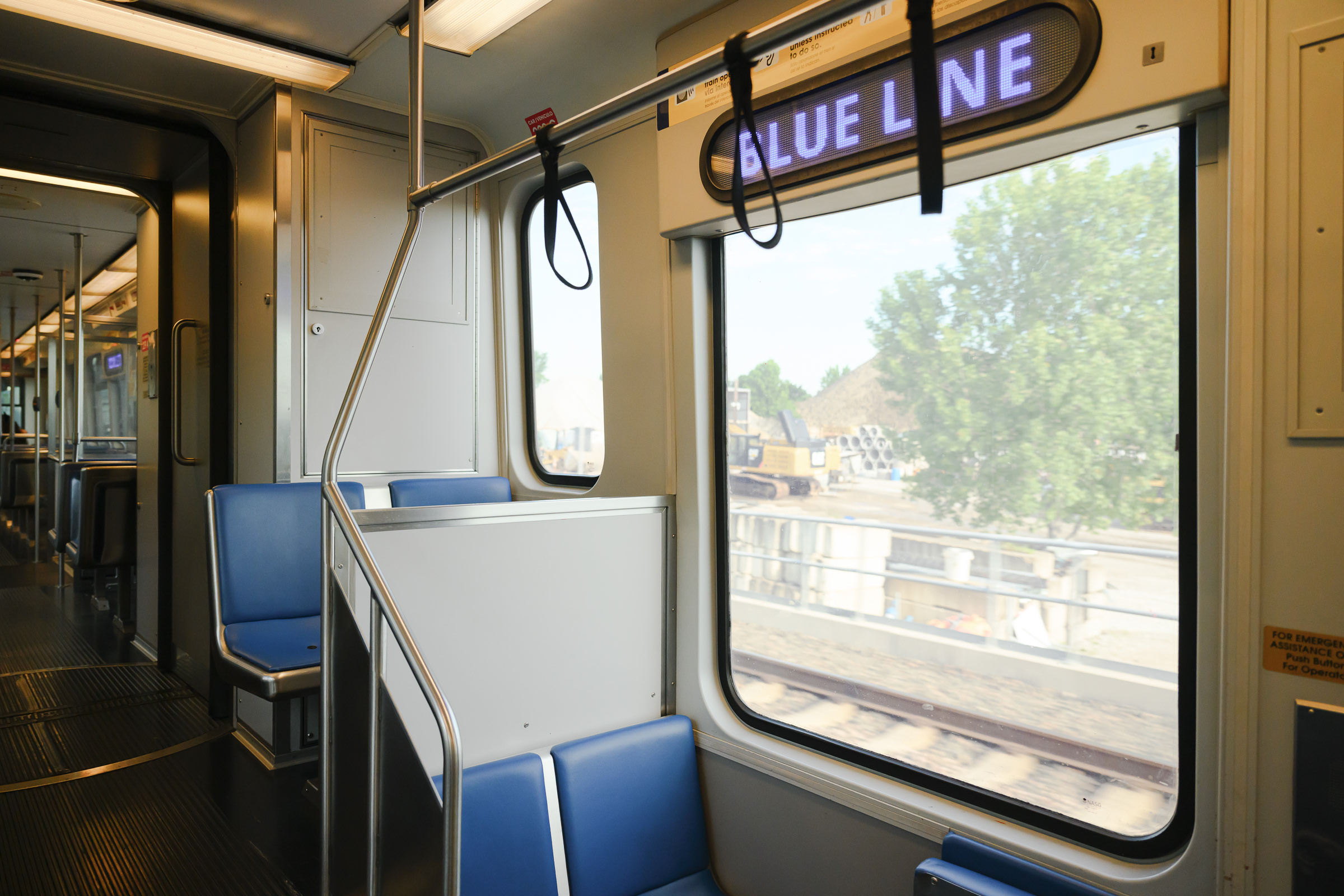
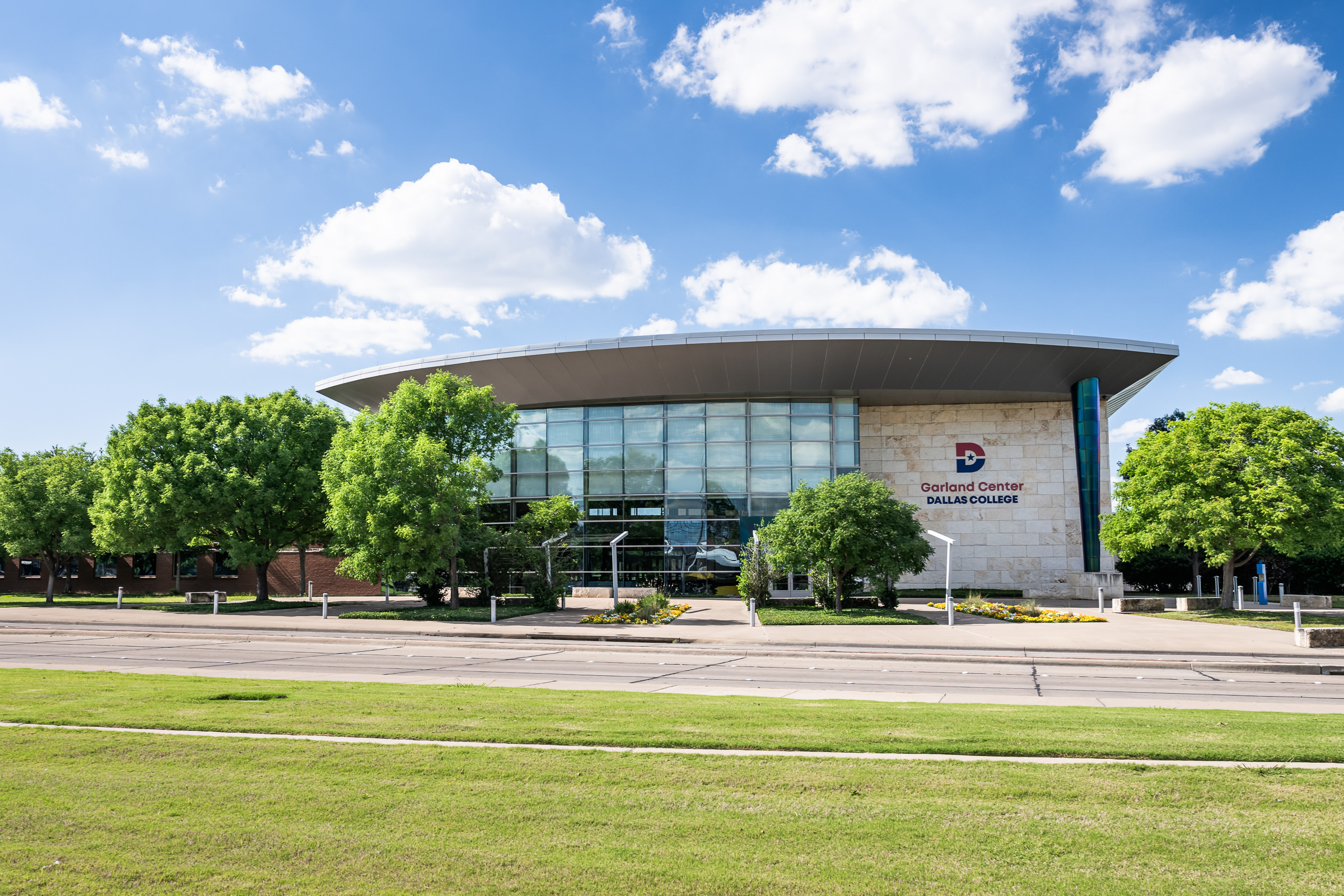
DALLAS, TX — Last year, David Loi Studios was tapped by Dallas College to anchor their “Future-Self” campaign. We found ourselves in the middle of a bustling campus, realizing that we weren’t just there to shoot special portraits of people for a school ad campaign – we were there to collapse time and show everyone what it would feel like to get a good education.
Like Alice in Wonderland, I prepared myself for a warren of adventures as we conceptualized how a future with education would look like. What depth and spectrum of colors did this Wonderland hold for Dallas College’s wonderful audience?
The assignment, coordinated with the sharp minds at Alpha Business Images (ABI), and our team, was deceptively simple in its premise: show the students of Dallas College not just as they are—earnest, hardworking, often balancing three lives at once—but as they are destined to be. We wanted to distill the spirit of an institution that serves as the bedrock for so many North Texas families. But we wanted to avoid the clichés of the “inspirational” brochure. We wanted something that felt like a haunting, beautiful encounter with one’s own potential.
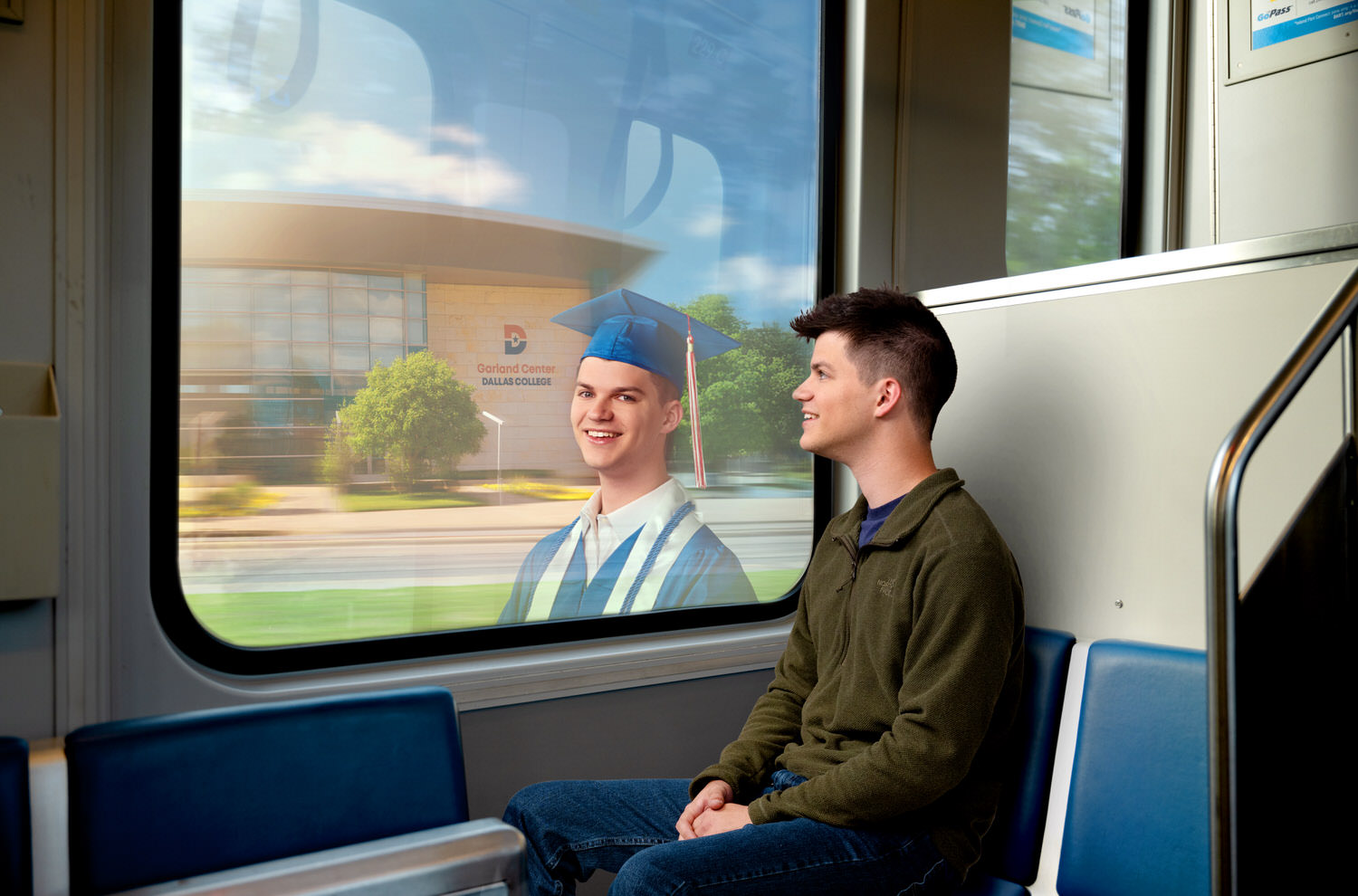
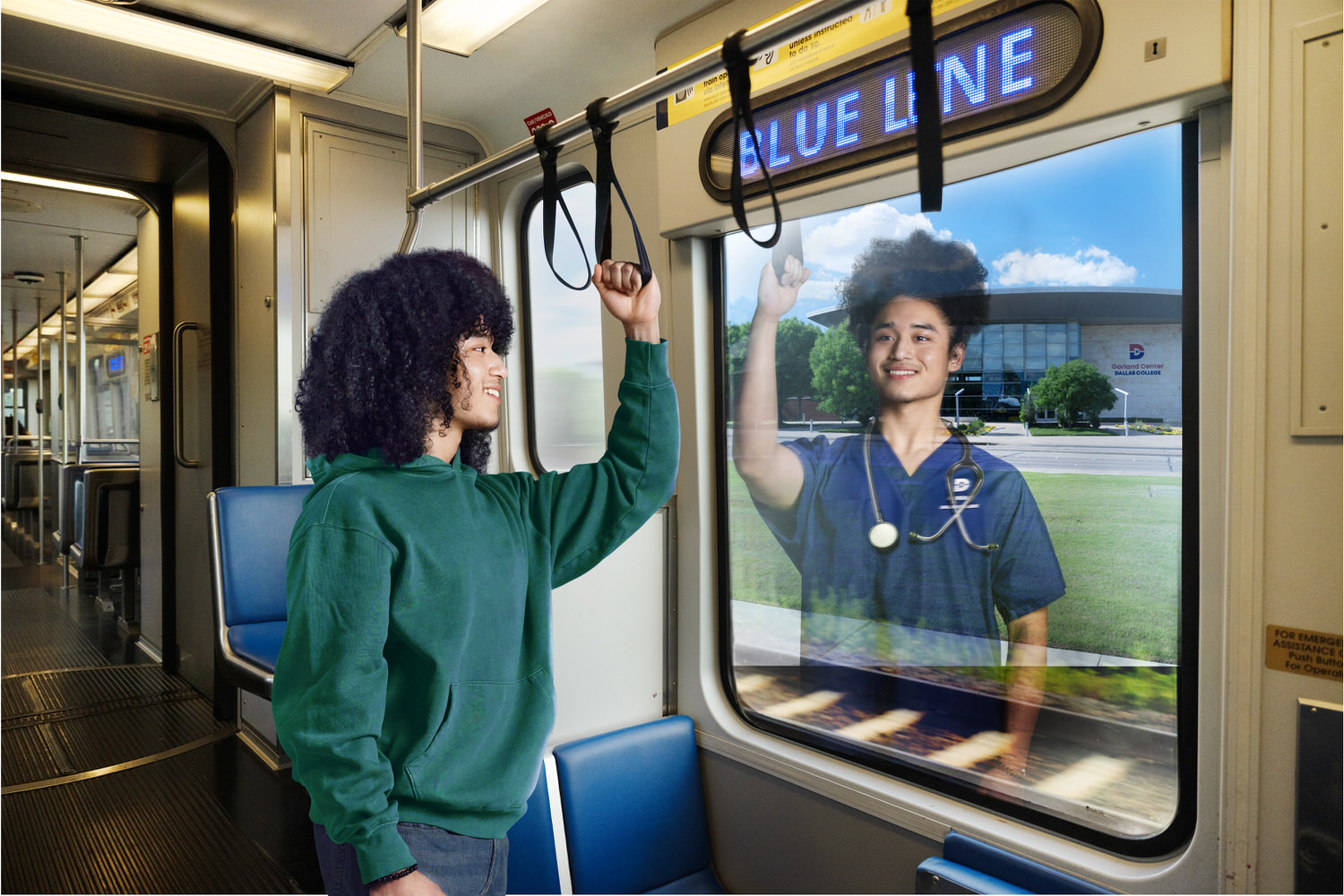
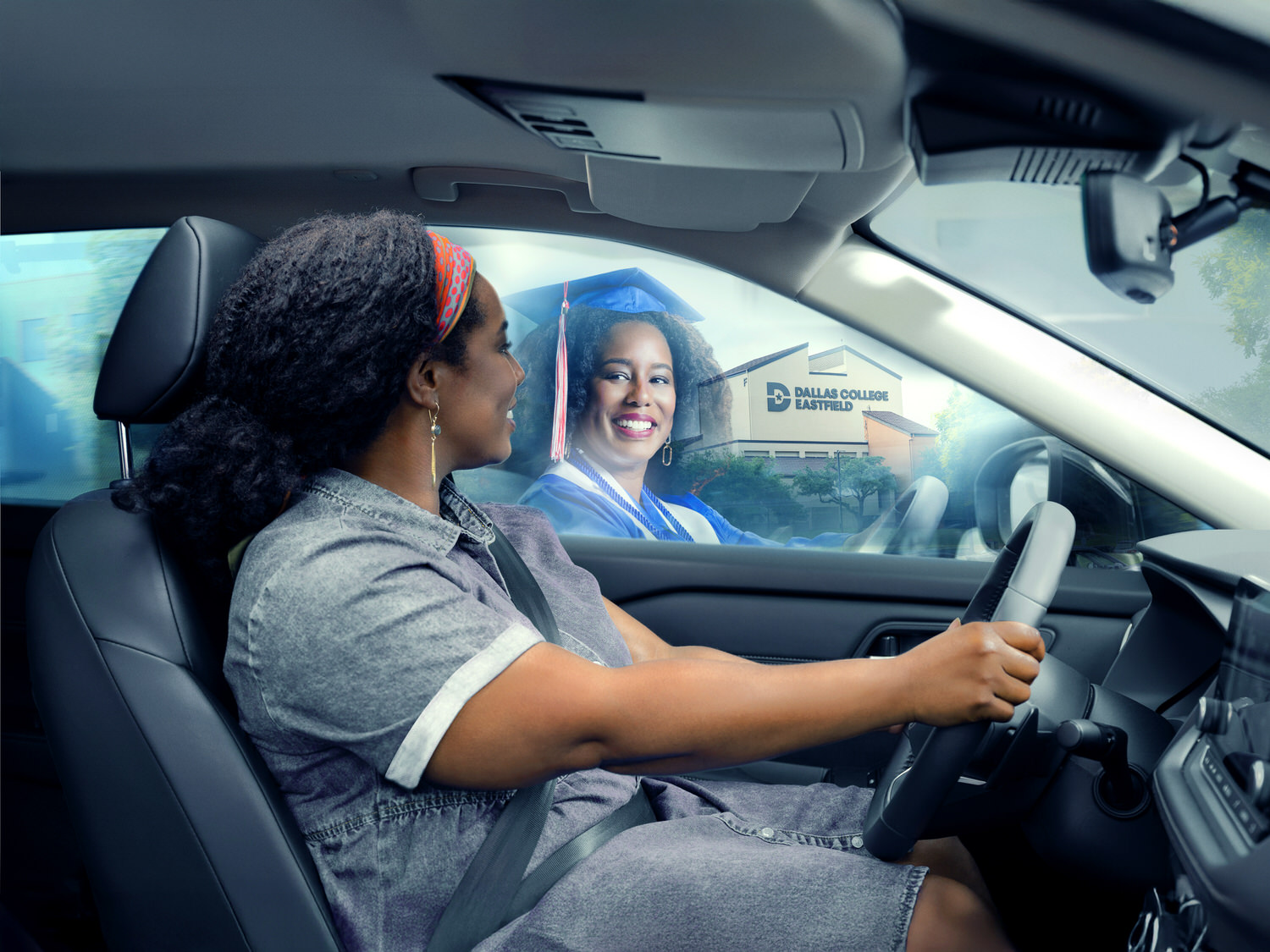
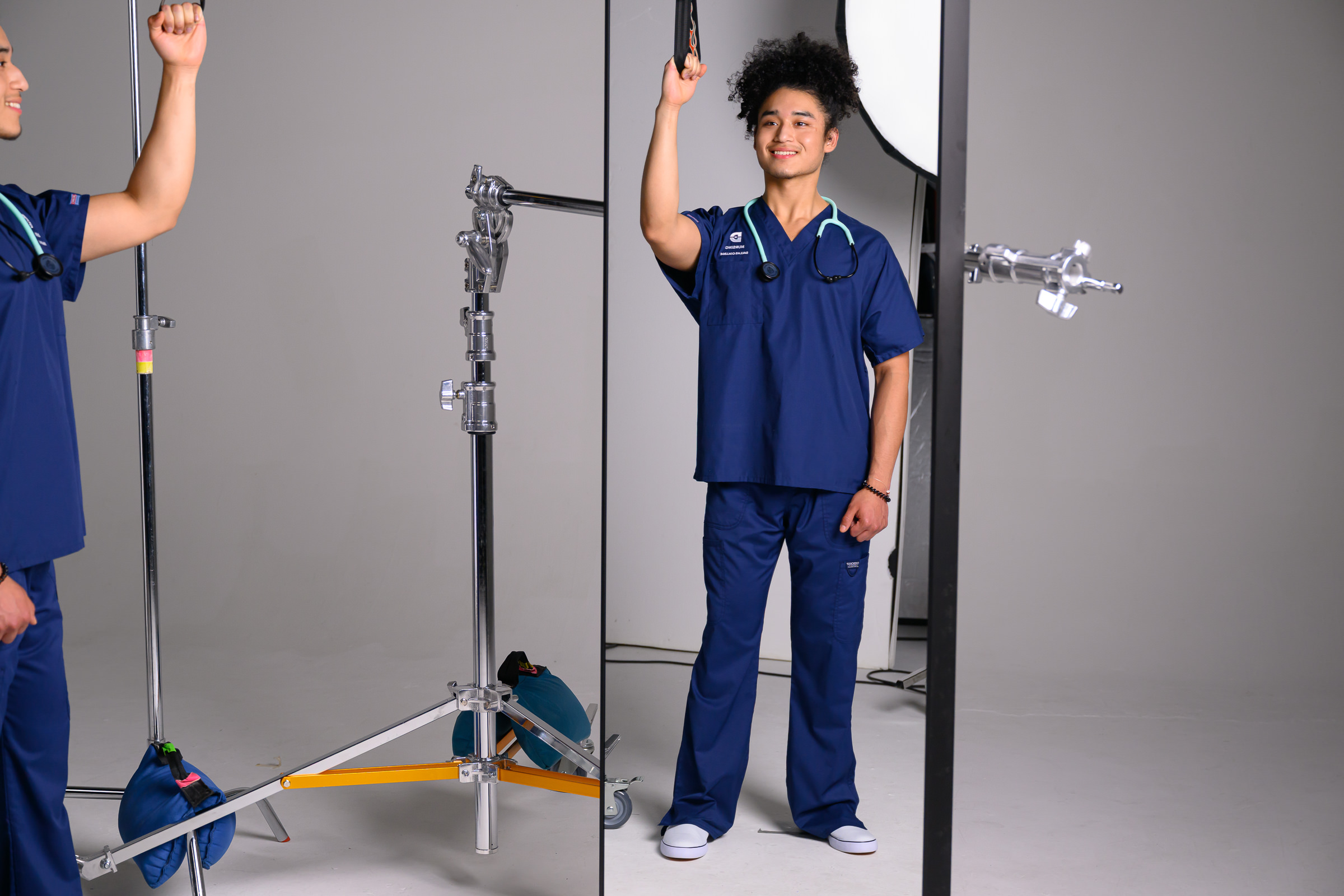
The concept centered on a series of photographs where a student looks into a mirror and sees their future self looking back. An aspiring engineer sees a professional in a hard hat; a culinary student sees a chef in a pristine white coat; an adult learner, returning to the classroom after decades in the workforce, finally sees themselves in a graduation gown.
In the Dallas-Fort Worth Metroplex, I like to say that good portrait photography is a contact sport (like good literature), and this project demanded more than just a trained eye. It demanded an almost surgical approach to lighting and composition.
The “Future-Self” images are puzzles in themselves. Each final image is a composite of multiple “plates”—individual shots taken from the exact same tripod position—stitched together in post-production to create a seamless reality.
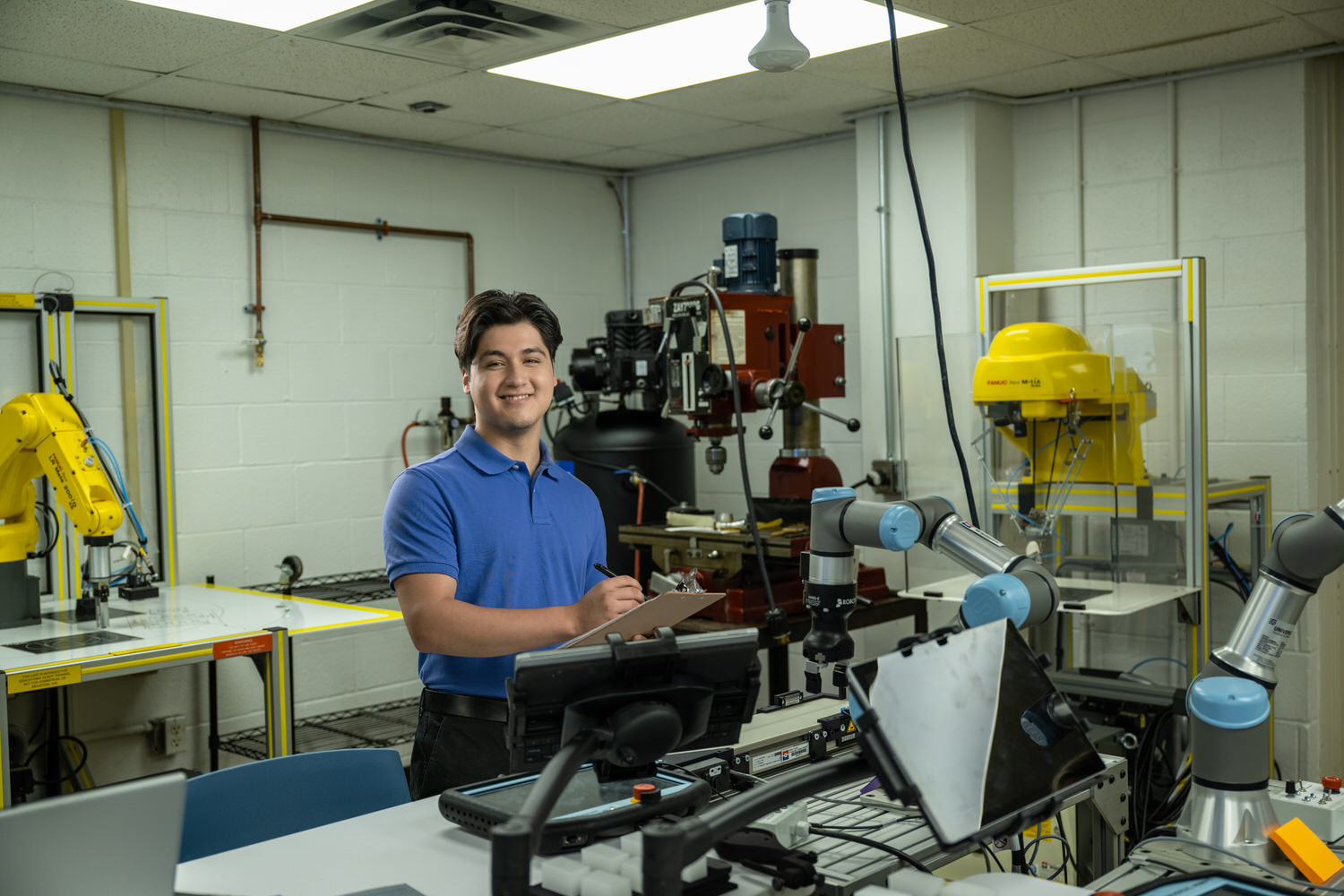
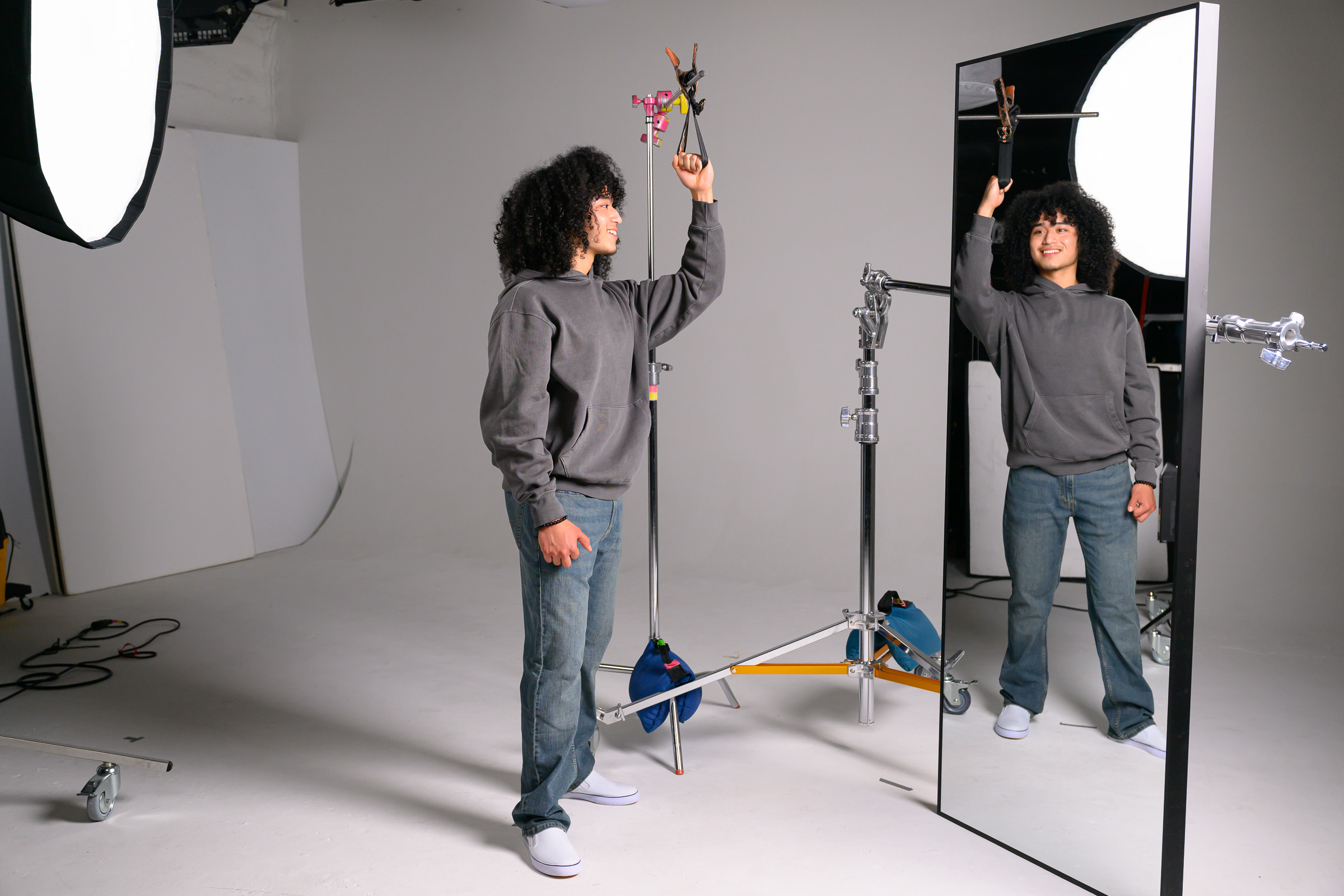
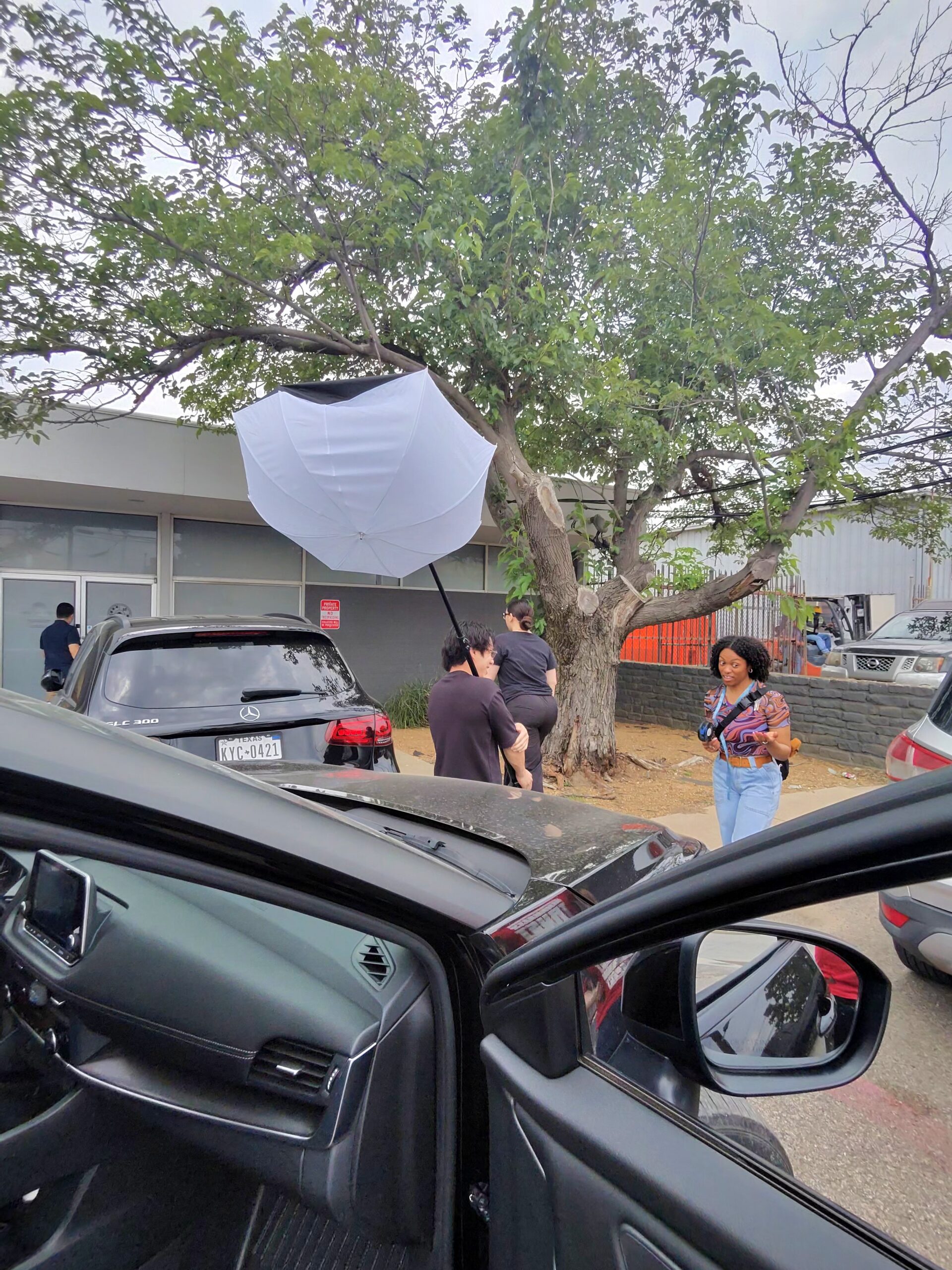
To get it right, we had to play a high-stakes game of geometry. We used Cheetah Stand heavy-duty booms to suspend the mirrors, but the mirror is a double-edged sword: it reflects the future, but it also reflects every light, cable, and stray person in the room. We spent hours “flagging” the scene—using black curtains and boards to kill unwanted reflections—ensuring that the only thing the camera saw was the narrative we were building.
There is a unique pressure when a client is on set watching the “tethered” capture in real-time. As the images popped up on the monitor, clients could see the raw outputs. Our audience weren’t just seeing a technical feat; they were seeing their mission statement rendered in high definition. In the smallest steps—the tilt of a chin, the straightening of a collar—we were showing that the future isn’t some distant, unreachable country. It is right here, in the reflection, waiting to be stepped into.
We featured over a dozen stories in this collection. Each one felt like a short film. We worked with culinary magnates in the making and engineers who were still mastering their first equations. The technical difficulty of the mirror-image shots required a deep knowledge of positioning; if the angle was off by even a fraction of an inch, the “future self” wouldn’t align with the “present self,” and the illusion would shatter.
But that challenge is exactly why the David Loi Studios team exists. We don’t just show up to document; we show up to build.
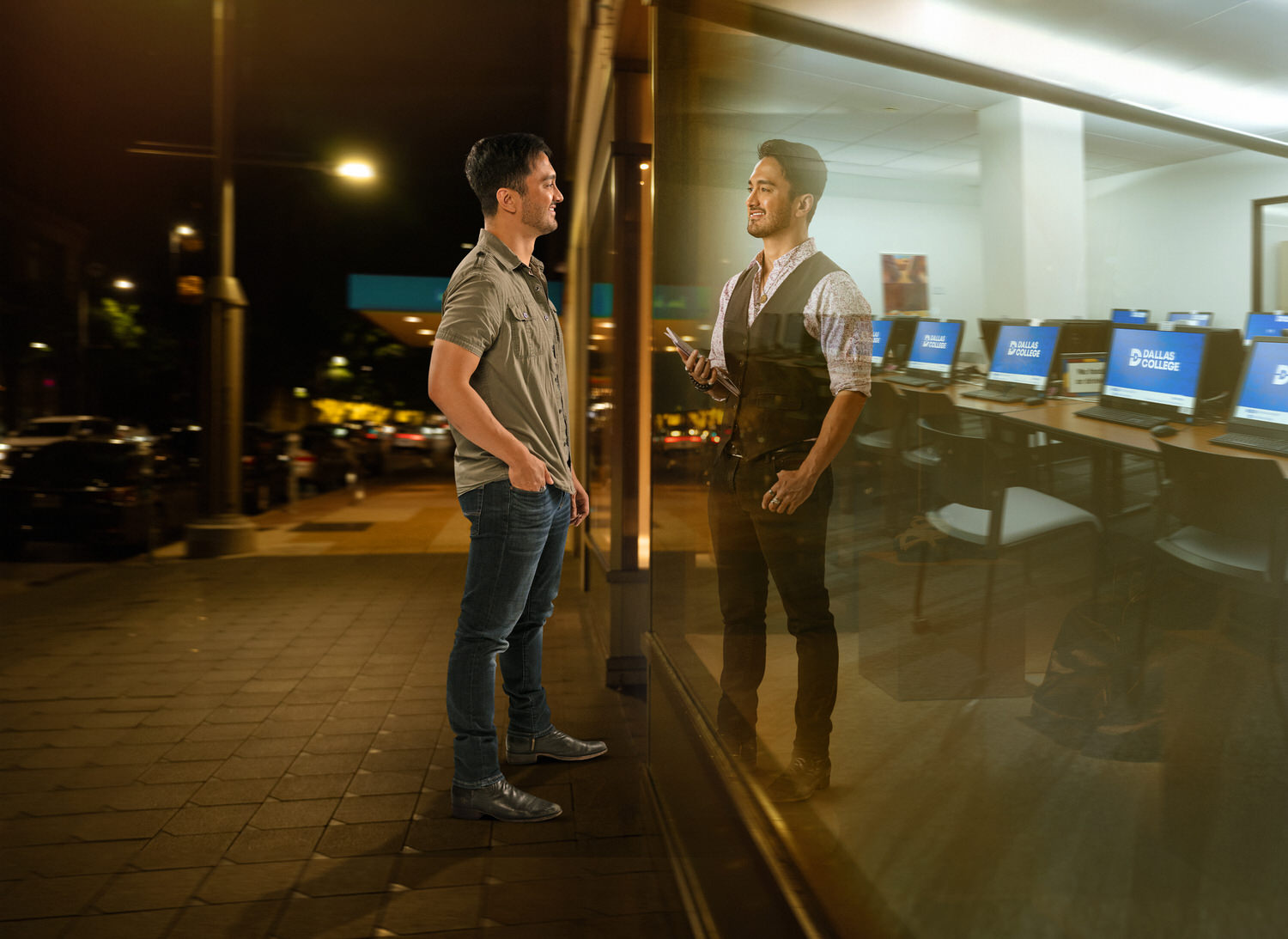
The Future-Self campaign ultimately became a testament to why so many students trust Dallas College until graduation. It’s about the proximity of the dream. Often, in the grind of midterms and commutes, students lose sight of why they started. Our goal was to create a visual reminder that the person they want to become is already looking back at them, urging them to keep going.
Standing there on set, surrounded by booms and flags and the hum of the city, I realized that these weren’t just portraits for a campaign. They were mirrors held up to the community. And when you look closely at the eyes of the students we photographed, you realize they aren’t just seeing a chef or an engineer. They are seeing a version of themselves that is finally, undeniably, real.
Behind the Scenes: Institutional Photography Services in Dallas, TX


David Loi on Event Photography
David Loi on Event Photography
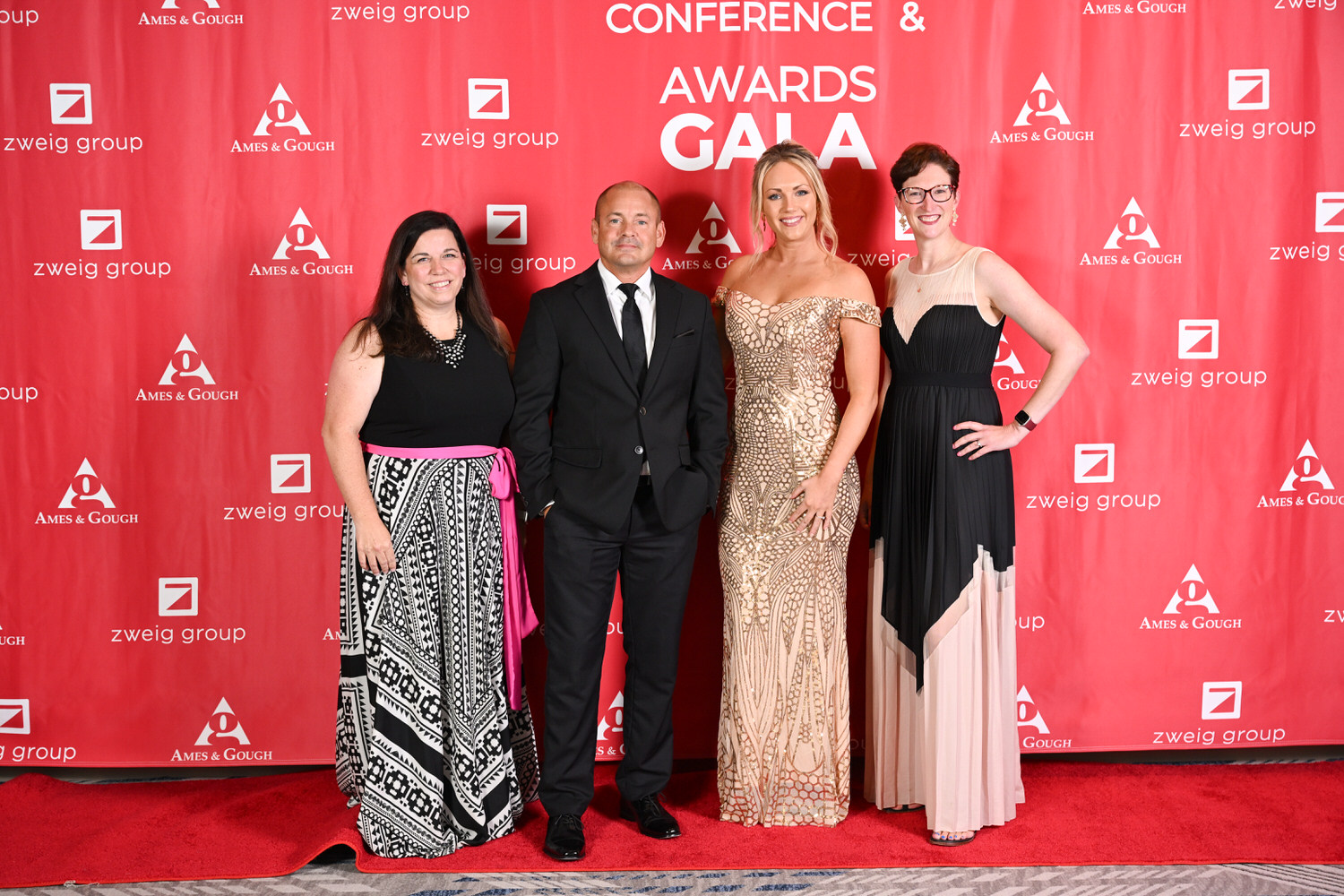
In the high-stakes world of corporate and experiential events, where fleeting moments translate into essential marketing assets, the event photographer is less a documentarian and more an indispensable corporate historian. They must be technical masters, insightful storytellers, and effortless diplomats, all while navigating unpredictable venues, shifting lights, and tight schedules. Few embody this triple threat quite like David Loi, a veteran whose authoritative work has defined the visual narrative for countless high-profile gatherings.
Loi’s philosophy on event photography transcends merely capturing action; it’s about capturing connection under constraint. In an industry saturated with shutter-happy operators, Loi’s approach is a calculated symphony of technical precision, human psychology, and commercial strategy. His insights, distilled through years spent in dimly lit ballrooms and dazzling, dynamic expos, offer a masterclass in turning chaos into cohesive, commercially vital imagery. The distinction, he argues, lies in strategic intention, a concept he applies rigorously from the moment he steps into a venue to the final click of the edit button.
The Exposure Triangle in the Extreme: Mastering the Impossible Light
The most pervasive challenge in professional event photography is lighting—a volatile, complex mix of harsh spotlights, moody ambient hues, and often, near-total darkness. Loi views these situations not as obstacles, but as the proving grounds for true skill. He is fundamentally an alchemist of ambient light.
When challenged on how he tackles the most difficult low-light situations without resorting to the intrusive, massive flash setups that can ruin a moment, Loi is unequivocal: the solution is always rooted in the core principles of exposure. “It’s really difficult to shoot in low light conditions when there’s a lot of action happening,” he concedes, painting a picture of a crowded keynote stage or a fast-paced networking reception. For Loi, the creative solution isn’t adding artificial light; it’s mastering the tools of capture.
His primary strategy is a highly disciplined manipulation of the exposure triangle. This involves pushing the boundaries of what is traditionally acceptable in photography to preserve the scene’s authenticity. “I use wide open apertures and high ISOs in these situations,” he states. This simple sentence carries the weight of massive technical experience. A wide-open aperture (low f-stop) maximizes the limited light entering the lens, simultaneously delivering the shallow depth of field (bokeh) that helps isolate the subject, adding a layer of intimacy to the image.
The decision to lean on high ISO, the digital sensitivity of the camera’s sensor, is the gamble that separates the professional from the amateur. While higher ISO introduces digital noise (grain), Loi understands that a slightly noisy, perfectly timed, and emotionally genuine photograph is infinitely superior to a sharp, technically clean, but missed moment.
But managing the exposure—balancing the shutter speed (to freeze the action), the aperture (to gather light), and the ISO (to maintain sensitivity)—is only half the battle. The other, often overlooked, technical challenge is color rendition, particularly when multiple light sources (LEDs, tungsten, fluorescents) pollute the scene.
When moving through a large, dynamic venue, Loi has a three-point checklist that constitutes his real-time command center. He constantly monitors and adjusts his exposure via “shutter speed, ISO as well as white balance.” Shutter speed is crucial for dealing with motion; a fraction too slow, and a keynote speaker’s gesture becomes a blur.
ISO is the primary light gatherer. However, it is the focus on white balance that elevates Loi’s work to an authoritative standard. Fluorescent lights cast sickly greens, while tungsten casts strong oranges. Loi’s insistence on monitoring the white balance—the setting that determines how the camera interprets true white—is key to ensuring that, even under the most mixed lighting, the final image is not just bright enough, but that the colors “look correct.” This pre-emptive color correction in the camera saves exponentially more time in the post-processing phase, proving that technical mastery is the foundation of efficiency.
The Dual Mandate: Storytelling and Commercial Context
Event photography operates under a dual mandate: the artistic goal of emotional storytelling and the commercial requirement of delivering specific client assets. A less experienced photographer might struggle to reconcile the need for a technically clean, staged handshake photo with the desire to capture the spontaneous joy of a networking break. Loi navigates this tension by adopting a holistic, narrative approach.
“We take many different photos to help balance and tell a story,” Loi explains. The ‘handshake photo’—the clean, required deliverable often featuring logos and key individuals—is essential. But it only serves as a visual anchor in a much larger, more compelling narrative. The surrounding pictures, the candid smiles, the deep focus of attendees in a breakout session, are the emotional threads that give the final gallery depth and resonance.
Loi boils down the essential ingredients of this visual narrative into three top storytelling shots that are non-negotiable for every gallery, regardless of the client or theme:
- The Wide Angle/Event Space Shot: This is the opening act, the establishment of scale and atmosphere. “I try to give a wide angle of the event space,” Loi notes, establishing the scope, investment, and energy of the environment the client painstakingly created.
- The Human Connection Shot: This is the emotional core. Loi insists on “smiling photos with people in the photos.” This focuses on the primary purpose of most events: connection, engagement, and positive experience. These are the images that future attendees look at to judge the energy of the event.
- The Contextual/Commercial Shot: This fulfills the client’s commercial agenda. Loi ensures he captures “context with logos and branding to show the audience what type of event is occurring.” He also makes sure that, “If products are there, I also focus on products and demos too.” This is the tangible evidence of success and the visual justification for sponsors and marketing departments.
This triple-threat approach ensures the gallery is comprehensive: it has the Scale (wide shot), the Soul (smiling people), and the Sponsor/Commercial Context.
The Lens of Intimacy: Isolating Subject from Chaos
One of the greatest challenges in a high-attendance, corporate event is physical space. When pressed into a “crowded space,” the photographer’s goal shifts from capturing the environment to isolating a single subject and making the photo feel intimate despite the surrounding chaos.
Loi’s strategy here is elegant in its simplicity and powerful in its execution: he relies on specialized glass. “I use long lenses to help isolate the subject and give separation from the background,” he reveals. This technique is known as focal length compression. By using a telephoto lens (a ‘long lens’), Loi can stand back, zoom in, and simultaneously blur the background into a beautiful wash of color—a photographic phenomenon known as bokeh.
This technical choice does two things: first, the optical compression effect pulls the viewer’s eye directly to the subject, minimizing the visual distraction of the crowd. Second, the intimate feel Loi seeks is created not just by focusing on the subject, but by intentionally reducing the background clutter to abstract light and color, transforming a crowded conference hall into a personal moment of reflection or interaction. It is a masterful technique for generating authority and emotion in crowded environments, proving that distance, when managed by a telephoto lens, can actually create intimacy.
The Human Element: Proximity, Psychology, and Stamina
While Loi’s technical acuity is undeniable, his true advantage lies in the mastery of soft skills—the psychological and diplomatic maneuvering required to execute the job flawlessly.
When asked about the most common mistake he observes in other event photographers, Loi quickly pivots from technical errors to failures in human connection. He identifies a crucial error that limits the potential of a photograph: “A lot of novices will not get close enough to their subjects.” This is not merely a critique of composition; it’s a critique of confidence and interaction. Getting close—whether physically or through a long lens—requires a rapport with the subject.
Loi’s strategy for avoiding this mistake is to break down the natural barrier between the camera and the attendee. He advises that simply “being friendly and introducing yourself can go a long way to helping people feel comfortable around a camera.” This simple act transforms the photographer from a lurking observer into a recognized, friendly presence, instantly relaxing subjects and yielding more natural, authentic expressions.
This diplomacy extends to managing the event staff and planners. Loi’s advice to newer photographers is direct and foundational: “Be friendly! Talk to them about their needs and make sure all of the goals are aligned and that you can deliver on that.” This preemptive alignment ensures that the photographer understands the event’s mission-critical shots, sponsor requirements, and flow, making the entire process seamless and unintrusive—a massive benefit to the event organizer.
Finally, there is the challenge of the marathon event day. An 8-to-12-hour event is a physical and mental grind. Loi offers a counter-intuitive piece of wisdom to maintaining high energy: don’t try to maintain it constantly. “I don’t,” he says simply, in response to the question of non-stop enthusiasm. He sees the slow times—the lulls, the long break sessions—not as frustrating downtime, but as necessary strategic pauses. “These are the times to take breaks so that when you are again client facing, you are rested and ready to be interactive and friendly.” This focused conservation of energy ensures that when the critical moments arrive—the key networking sessions, the main speech, the final celebration—he is genuinely present, rested, and ready to engage the camera and the people.
The Strategy of Light and Emotion: Pre- and Post-Event Execution
Loi’s work flow is defined by strategic intentionality at the bookends of the event: the pre-event scouting and the post-event culling and editing.
For a venue he has never worked in, his pre-event scouting process is laser-focused on the single most unpredictable variable: light. While a venue map provides the layout, it tells him nothing about how the light interacts with the space. “My approach to a venue is to look for where the lighting falls,” he says. This is more than just checking where the windows are. It’s about finding the directional light, the beautiful pools of shadow, the clean walls where a keynote speaker might stand, and identifying the areas where the mixed lighting will be most problematic. “Everything else is pretty simple to get around,” he concludes, underscoring that light, once mastered, simplifies the rest of the logistical challenges.
The post-event processing, where “the magic is finished,” is arguably the most brutal phase, requiring the photographer to rapidly cull thousands of images down to a concise, high-impact gallery. Loi’s “golden rule” for this process reveals his core values—the commercial value of emotion.
He does not filter based purely on technical perfection, but on human engagement. “I look a lot for images of people that are engaged, excited, smiling,” he affirms. His discard strategy is equally telling: “I do not keep the photos where the interest looks low or they look tired and un-engaged in the moment.”
Crucially, Loi notes that this filtering starts before the shutter is pressed. The best way to cull thousands of photos quickly is not to have thousands of bad ones to begin with. “I also don’t take these photos in the first place.” This is the ultimate expression of his authority: he doesn’t rely on the safety net of spray-and-pray; he uses his camera with surgical intent, actively avoiding any composition or moment that does not meet his internal criteria for positive engagement. The culling phase, therefore, is simply a final confirmation of the intentionality he applied in real-time.
The Final Metric of Success
For David Loi, success goes beyond delivering a set number of images that the client can use on their social media channels. It is the fulfillment of the entire narrative arc, a comprehensive visual artifact that justifies the client’s entire event investment.
Beyond the client’s commercial goals, Loi’s personal definition of success synthesizes his technical skill and narrative focus into a single, comprehensive metric.
“I consider my work on an event day a success when the photos help tell the events story from beginning to end,” he states, emphasizing the scope of the documentation. This includes the subtle, often neglected, elements: “the break-out sessions, any demonstrations,” which prove the event’s educational value, as well as the commercial necessity of “making sure I capture all of the sponsors that helped make the event happen.”
Loi is not just selling photography; he is selling a complete visual history and a potent marketing tool. His authoritative approach—from the technical gamble of using high ISO in low light to his use of long lenses for intimacy in crowds, and his insistence on friendly, proactive diplomacy—results in a gallery that is not just a collection of moments, but a commercially valuable narrative. David Loi is the event photographer’s gold standard, the alchemist who consistently turns unpredictable light and logistical chaos into clear, concise, and compelling stories.
25 Incredible Ways Commercial Photography Can Improve Your Marketing Campaign
Commercial photography, far from being a mere aesthetic luxury, has become a strategic imperative for businesses of all sizes. It's the silent salesperson, the brand ambassador, and the emotional connector, working tirelessly to capture attention, build trust, and ultimately, drive conversions.
Here are 25 incredible ways commercial photography can dramatically improve your marketing campaign:
- Instantly Grab and Hold Attention: In a digital landscape saturated with content, a stunning photograph acts as a visual hook. The human brain processes images significantly faster than text, meaning a captivating image can stop a scrolling thumb and draw the viewer in, giving your message a chance to be seen.
- Establish and Reinforce Brand Identity: Commercial photography is a cornerstone of strong brand identity. Consistent use of professional, on-brand imagery across all platforms helps define your company's personality, values, and aesthetic. Whether it's minimalist elegance, vibrant playfulness, or rugged authenticity, the right photographs communicate who you are without a single word.
- Build Trust and Credibility: High-quality images convey professionalism and attention to detail. When potential customers see polished, well-composed photographs, they perceive your business as trustworthy, reliable, and established. This is especially crucial for e-commerce, where customers rely heavily on visuals to make purchasing decisions.
- Enhance Perceived Value of Products/Services: Even the most innovative product or exceptional service can fall flat without compelling visuals. Professional product photography, for instance, highlights features, textures, and benefits, making your offerings appear more desirable and valuable. For services, lifestyle photography can showcase the positive outcomes and experiences clients can expect.
- Drive Higher Engagement on Social Media: Social media platforms are inherently visual, and algorithms often favor content with high engagement. Posts featuring high-quality images receive significantly more likes, comments, shares, and overall views compared to text-only posts, dramatically increasing your reach and visibility.
- Boost Website Conversions: Clear, attractive, and informative images on your website directly influence purchasing decisions. Studies consistently show that product pages with professional photos have higher conversion rates. Visuals help customers understand what they're buying, reducing doubts and increasing confidence.
- Improve Search Engine Optimization (SEO): While not directly photographic, image optimization (proper file names, alt text, descriptions) is a crucial part of SEO. High-quality, optimized images can improve your website's search engine rankings, driving more organic traffic and making it easier for potential customers to find you.
- Tell Compelling Brand Stories: Commercial photography excels at visual storytelling. Instead of just showing a product, a skilled photographer can capture images that evoke emotions, highlight the product's journey, or showcase the lifestyle it enables, creating a deeper, more memorable connection with your audience.
- Differentiate You from Competitors: In a crowded market, unique and professional visuals can be the deciding factor. If your competitors are using generic stock photos or amateur snapshots, your investment in bespoke commercial photography will instantly set you apart, signaling a commitment to quality and originality.
- Showcase Your Team and Company Culture: Corporate headshots and team photos humanize your brand. They allow potential clients to put a face to the name, fostering a sense of connection and trust. Images of your office space or team collaboration can also convey your company culture, attracting talent and clients who resonate with your values.
- Create Versatile Marketing Assets: Professional photographs are a long-term investment. They can be repurposed across a myriad of marketing channels – your website, social media, print ads, email campaigns, brochures, presentations, billboards, and more – maximizing their value and ensuring visual consistency.
- Enhance Print Marketing Materials: For businesses utilizing brochures, flyers, magazines, or direct mail, high-quality images are non-negotiable. They elevate the professionalism of your print materials, making them more appealing, trustworthy, and likely to be retained by recipients.
- Optimize Email Marketing Campaigns: Including engaging images in your email newsletters and promotional emails can significantly increase open rates and click-through rates. Visuals break up text, highlight key offers, and make your emails more visually appealing and digestible.
- Strengthen Your Advertising Campaigns: Whether it's a digital banner ad, a billboard, or a magazine spread, striking imagery is paramount for effective advertising. Commercial photography ensures your ads are attention-grabbing, memorable, and effectively convey your message.
- Support Content Marketing Efforts: Blog posts, articles, and case studies become far more engaging and shareable when accompanied by relevant, high-quality images. Visuals illustrate points, break up large blocks of text, and enhance the overall user experience, leading to higher readership and retention.
- Facilitate Press and Media Coverage: Having a library of professional, high-resolution images readily available makes it easier for media outlets to feature your business. When you provide compelling visuals, you increase the likelihood of positive press and wider exposure.
- Improve Event Promotion and Recap: Professional event photography captures the energy, key moments, and atmosphere of your events. These images are invaluable for promoting future events, creating engaging recaps for attendees, and showcasing your company's community involvement.
- Showcase Business Locations and Spaces: For brick-and-mortar businesses, restaurants, hotels, or real estate, architectural and interior photography is essential. It allows potential customers to virtually experience your space, highlighting its ambiance, features, and appeal.
- Demonstrate Product Usage and Lifestyle: Lifestyle photography shows your products or services in real-life situations, helping potential customers visualize how they can integrate your offerings into their daily lives. This creates relatability and helps bridge the gap between product and personal benefit.
- Cultivate an Emotional Connection with Your Audience: Well-executed photography can evoke powerful emotions – joy, comfort, excitement, trust. By tapping into these emotions, commercial photography creates a deeper, more meaningful connection with your target audience, fostering loyalty and driving action.
- Attract High-Quality Talent (Employer Branding): In a competitive job market, professional images of your workplace, team, and company culture can be a powerful tool for attracting top talent. They showcase a positive and professional work environment, making your company more appealing to prospective employees.
- Enhance Online Reviews and Testimonials: Encouraging customers to share photos of themselves using your products or enjoying your services can provide invaluable user-generated content. These authentic visuals, often alongside glowing testimonials, significantly boost social proof and credibility.
- Provide Visual Content for Presentations and Pitches: When presenting to investors, partners, or potential clients, professional photography elevates the impact and professionalism of your presentations. Strong visuals can convey complex ideas concisely and make a lasting impression.
- Support Public Relations Campaigns: Beyond traditional media, commercial photography is vital for PR efforts across all channels. From press releases to online newsrooms, compelling images help your story stand out and resonate with a wider audience.
- Offer a Tangible Return on Investment (ROI): While quantifying the exact ROI of photography can be complex, the cumulative benefits – increased engagement, higher conversions, stronger brand recognition, and improved credibility – directly contribute to business growth and profitability. The investment in professional photography pays dividends by making all your other marketing efforts more effective.
In conclusion, commercial photography is no longer a luxury, but a fundamental building block of a successful modern marketing strategy. By investing in professional, strategic visuals, businesses can cut through the noise, connect authentically with their audience, and achieve their marketing objectives with greater impact and efficiency.
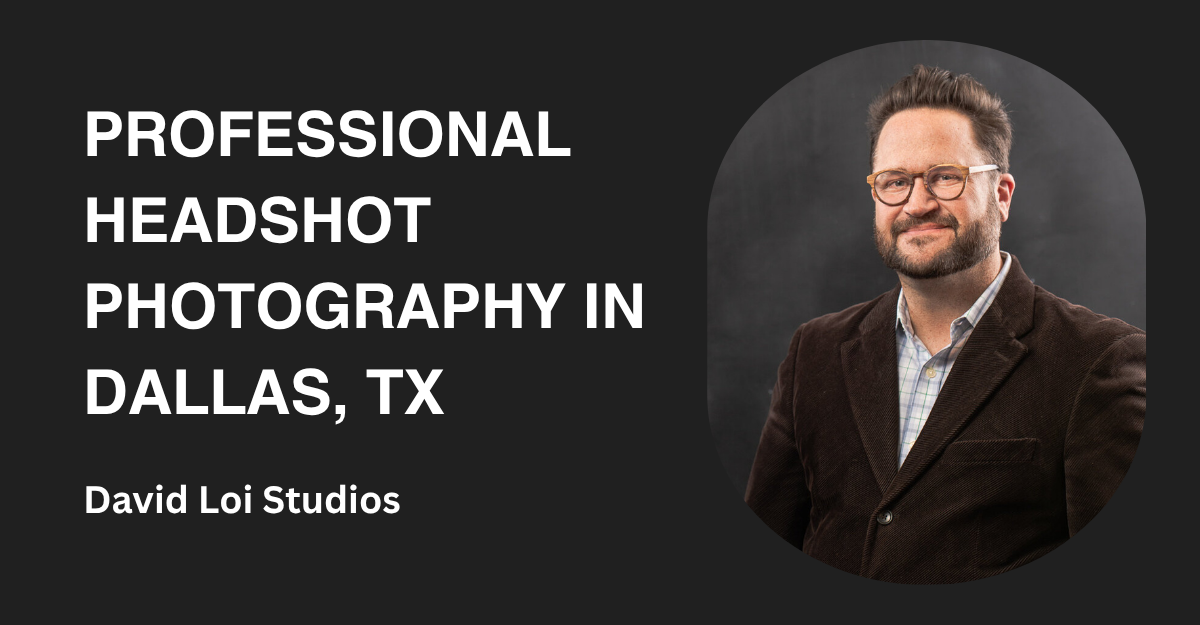
Top 5 Reasons to Choose a Professional Headshot Photographer in Dallas,


Top 5 Reasons to Choose a Professional Headshot Photographer in Dallas, TX
Whether you’re an entrepreneur, executive, or creative professional, a high-quality professional headshot is your gateway to making the right impact. In Dallas, TX—a thriving hub for business, technology, and creative industries—professional headshots are a must-have to stand out.
But why should you choose a professional headshot photographer in Dallas, TX rather than going for a DIY option or a casual shoot? This comprehensive guide breaks down the top five reasons why investing in a professional headshot photographer in Dallas is one of the smartest moves for your career and personal brand.
-
Expertise in Lighting, Composition, and Styling
One of the most important reasons to hire a professional headshot photographer in Dallas is their mastery of the technical aspects of photography—lighting, composition, and styling—which are crucial for producing a polished, professional image.
Mastering Lighting
Lighting can make or break a photograph. A professional photographer understands how to manipulate natural and artificial light to enhance your features, eliminate shadows, and create a flattering look that highlights your best qualities. In Dallas, with its bright sun and varying weather conditions, a professional headshot photographer knows how to use the environment to your advantage.
Perfect Composition
A great headshot is more than just a photo of your face; it’s a carefully composed image that captures your personality and professionalism. Professionals have an eye for framing, background choice, and posing to ensure your photo looks natural yet confident. They avoid distractions in the background and ensure your face is the focal point.
Styling Advice
Many professional photographers provide styling tips—whether it’s wardrobe suggestions, grooming advice, or guidance on how to pose comfortably. These small details add up and can dramatically improve the final image. Photographers in Dallas often have insights into local industry standards and can tailor your look accordingly.
-
Tailored Sessions to Match Your Professional Goals
Another big advantage of working with a professional headshot photographer in Dallas, TX is the personalized service tailored to your unique career needs and industry.
Understanding Your Industry
Dallas is home to many industries including tech startups, corporate firms, healthcare, creative agencies, and more. A professional photographer in Dallas knows the nuances and expectations of different sectors and can tailor your headshot accordingly. For example, a headshot for a tech executive might be sleek and modern, while a creative professional might want a more relaxed and approachable vibe.
Customized Settings and Backdrops
Professional photographers often have access to studios or curated outdoor locations that best suit your brand image. Whether you want a classic white background or a warm, inviting office setting that reflects your Dallas business environment, a professional photographer will tailor the shoot accordingly.
Session Planning
Professional photographers don’t just snap pictures randomly—they plan the session carefully. They discuss your goals beforehand, recommend outfits, and prepare poses to ensure the shoot flows smoothly and produces images that align with your objectives.
-
High-Quality Images That Elevate Your Brand
In the digital age, your online presence is your business card, and your headshot plays a critical role in shaping perceptions.
Superior Image Quality
Professional photographers use high-end cameras, lenses, and editing software to create crisp, high-resolution images. Unlike smartphone selfies or amateur photos, professional headshots have exceptional detail, color accuracy, and sharpness—qualities that make a strong impression on clients, employers, or networking contacts.
Consistent Branding
If you’re a business owner or part of a team, consistent professional headshots ensure your brand looks polished and cohesive. A Dallas-based professional photographer can provide uniformity across your company’s photos, which enhances trust and recognition.
Versatility for Multiple Uses
Professional headshots from Dallas photographers are versatile and can be used across LinkedIn, company websites, press releases, marketing materials, and social media. High-quality images can be resized and formatted without losing clarity, ensuring your brand always looks its best.
-
Confidence Boost and Authentic Representation
Getting a professional headshot isn’t just about the photo; it’s about how you feel in the process and afterward.
Building Confidence
Professional photographers know how to put you at ease during the shoot. Many people feel nervous in front of the camera, but an experienced Dallas photographer will guide you with poses and expressions that highlight your strengths. This coaching can significantly boost your confidence and help you project authenticity.
Authenticity and Personality
A good headshot captures the real you—your personality, warmth, and professionalism. Dallas professional headshot photographers are skilled at creating a relaxed environment where your genuine self shines through. This authenticity resonates with viewers and helps build meaningful connections.
Long-Lasting Impact
When you look confident and approachable in your headshot, it positively influences how people perceive you professionally. This can open doors to new opportunities, partnerships, and career advancement.
-
Investment in Your Career and Professional Image
Finally, choosing a professional headshot photographer in Dallas, TX is an investment in your long-term professional success.
Return on Investment
While it might be tempting to cut costs with DIY photos or quick smartphone shots, investing in a professional headshot pays off by enhancing your credibility and marketability. Many clients and recruiters form judgments about professionalism based on appearance, and your headshot is often their first impression.
Staying Current with Trends
Photography styles and industry standards evolve. A professional Dallas headshot photographer keeps up with trends and best practices, ensuring your image remains fresh and relevant over time.
Easy Access to Expert Services
Dallas is home to many talented photographers specializing in professional headshots, so you have easy access to top-tier services. Choosing a local expert means you get personalized attention, flexible scheduling, and quick turnaround times—all crucial for busy professionals.
Bonus Tips for Choosing Your Dallas Professional Headshot Photographer
- Check Portfolios: Review their previous headshot work to ensure their style matches your vision.
- Read Reviews: Look at client testimonials for insights into their professionalism and results.
- Ask About Packages: Understand pricing, number of shots, retouching services, and delivery times.
- Communication: Choose a photographer who listens to your goals and answers your questions clearly.
- Comfort Level: Make sure you feel comfortable and confident with your photographer, as this will reflect in your photos.
Conclusion
Your professional headshot is more than just a photo; it’s a powerful tool that represents your personal brand and career aspirations. Choosing a professional headshot photographer in Dallas, TX ensures you get expertly crafted images tailored to your goals, with superior quality and authentic representation.
From mastering lighting and styling to offering personalized sessions and boosting your confidence, Dallas photographers bring invaluable skills and local expertise that help you stand out in a crowded marketplace.
Invest in a professional headshot today and open the door to new professional opportunities with a photo that truly reflects your best self.