
How to Be Ready for a Headshot in Dallas, TX: The Art of Preparation
Your professional headshot is often the very first handshake you offer a potential client, employer, or collaborator. It is a visual introduction that needs to convey confidence, accessibility, and authenticity in a fraction of a second. For Dallas-based commercial photographer David Loi, of David Loi Studios, a successful headshot isn’t just about the camera settings or the lighting setup—it’s about the preparation that happens long before the subject steps into the studio.
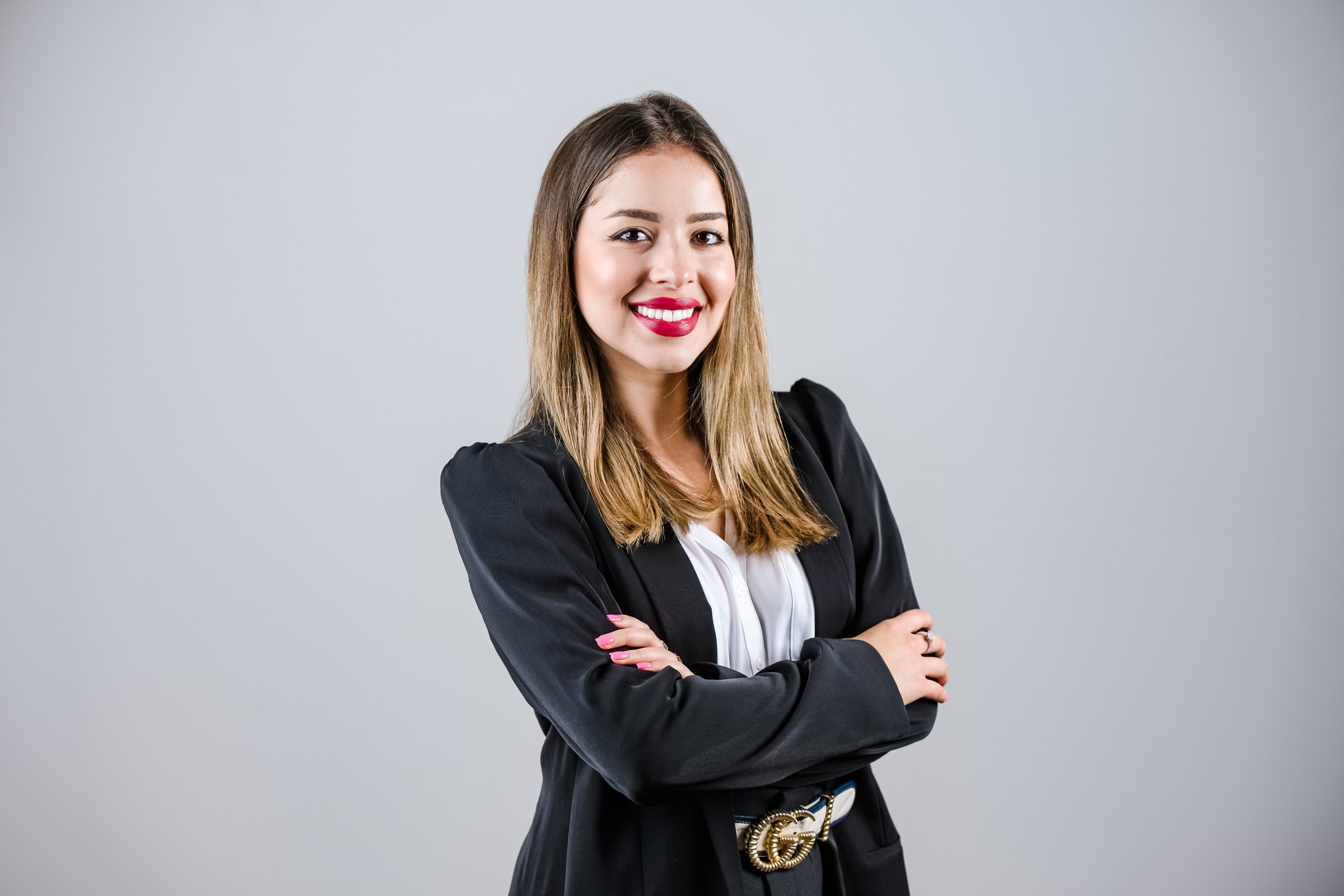
The Foundation: Wardrobe Choices
One of the most common questions David Loi hears from clients is, “What should I wear?” It’s a valid concern; the wrong clothing can pull focus away from your face and turn a potentially excellent headshot into a distracting one.
According to Loi, simplicity is key. “Choose solid, mid-toned colors,” he advises. The goal of a headshot is to keep the viewer’s attention locked on your expression and your eyes. When you introduce bold patterns, loud prints, or high-contrast textures, the eye naturally wanders to the clothing rather than the person wearing it. Mid-toned colors work effectively because they provide enough depth to stand out against most studio backdrops without overpowering your complexion.
However, theory doesn’t always translate perfectly to reality. A color that looks fantastic in your closet might behave unexpectedly under studio lighting. “Bring a backup outfit,” Loi suggests. “You might find a different color will work better on camera.” Having an alternative gives you—and your photographer—the flexibility to pivot if the first choice isn’t hitting the right notes during the test shots.
The Details: Grooming and Maintenance
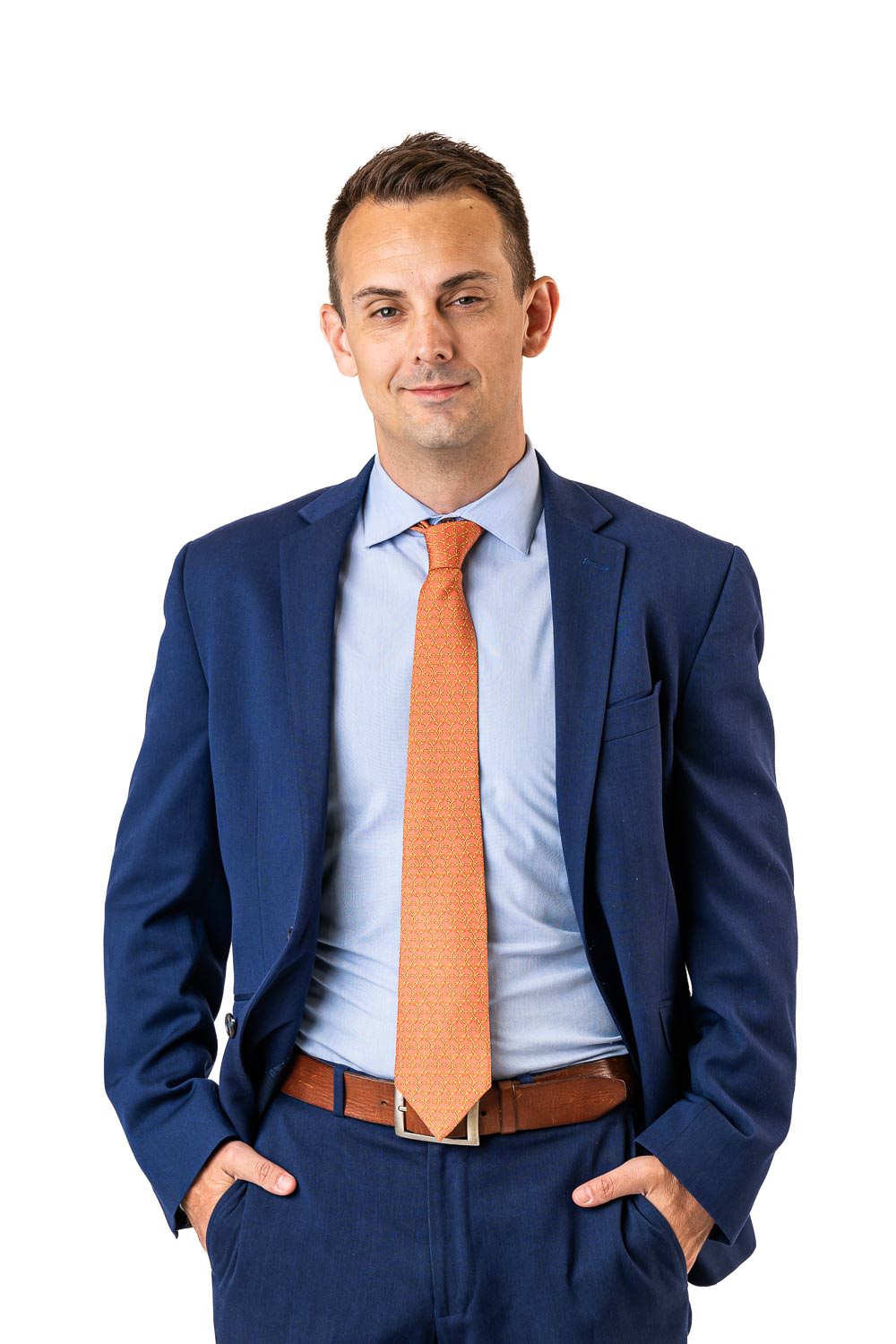
You’ve likely heard the saying that the camera adds ten pounds. While that’s a cliché, it’s true that high-resolution lenses catch everything. This makes grooming a vital component of your pre-shoot checklist.
Loi emphasizes the importance of planning your grooming timeline. If you’re planning on getting a haircut, don’t wait until the morning of your session. “Be well-groomed, cut hair about 2-3 days prior,” he recommends. This buffer window allows the cut to settle and gives you enough time to style it in a way that feels natural to you. A fresh cut often looks better after a couple of washes and a few days of styling.
For those who shave, timing is equally critical. “Be freshly shaven,” says Loi, but keep in mind that a clean shave immediately before a shoot can sometimes lead to irritation or razor burn. Ensure your skin has time to recover. If you have a skincare routine, stick to it, but avoid trying new products right before your session to prevent any unexpected skin reactions.
Mastering the “Camera-Ready” Look
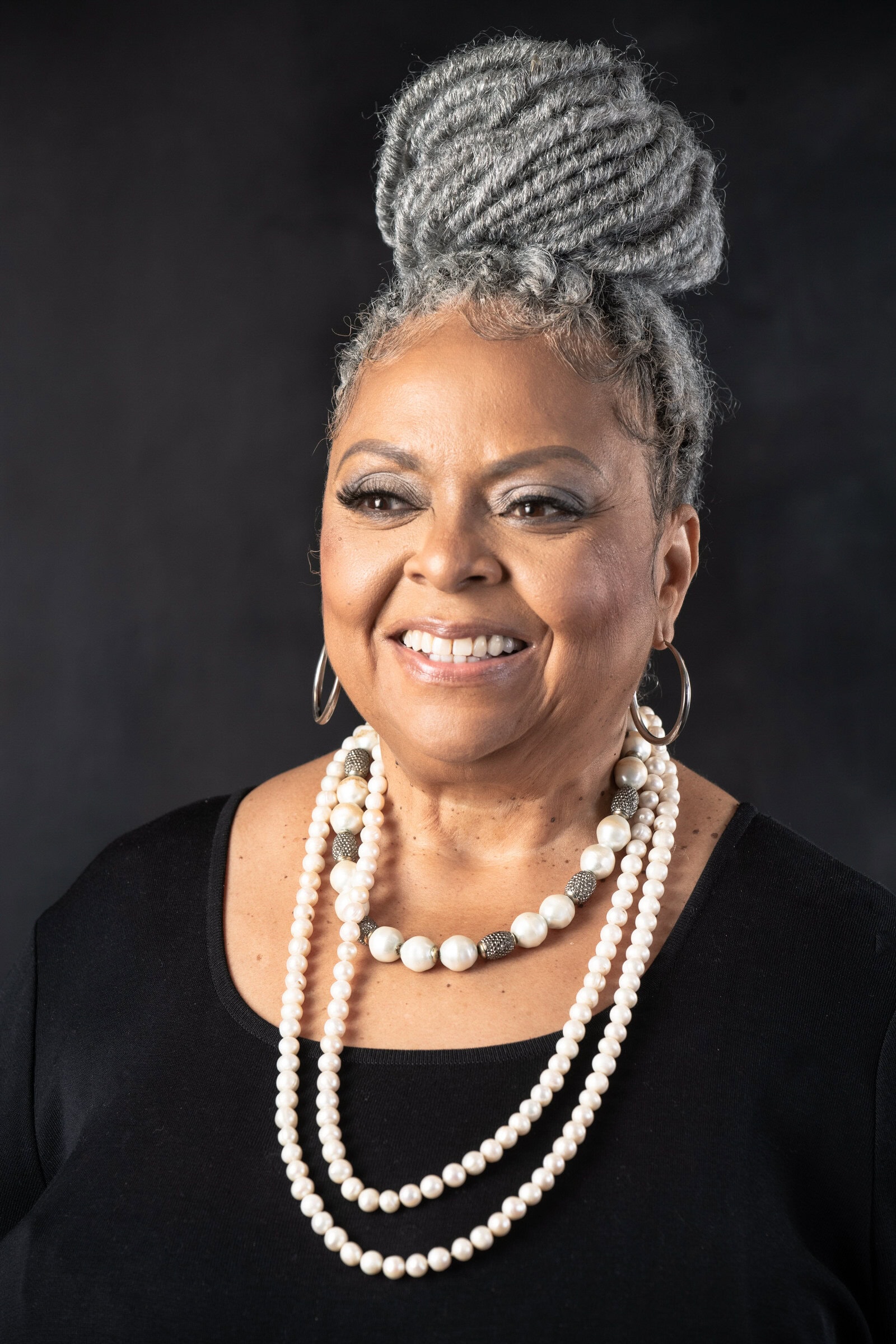
Makeup is a powerful tool in professional photography, but it requires a delicate touch. In everyday life, you might use products that offer a dewy, glowing finish, but under the glare of studio lights, those products can read as greasy or overly reflective.
“If you wear makeup, aim for natural and matte to avoid shine,” Loi advises. The goal is to even out your skin tone and enhance your features, not to mask them. Translucent powder is a staple in professional photography for a reason—it knocks down the “hot spots” on the forehead, nose, and chin, ensuring that your skin looks polished without appearing artificial.
The Night Before: The Internal Glow
While much of the preparation is external, the way you feel on the inside will inevitably radiate outward. The “hangover look” is something that no amount of post-production editing can fully disguise.
“Avoid fatty foods and alcohol the night before,” Loi warns. Both can lead to bloating or skin inflammation that makes you feel and look sluggish the next day. A professional headshot demands energy and alertness; being well-rested is non-negotiable. “Get a good night’s sleep,” he adds. When you are rested, your eyes are brighter, your posture is more natural, and your expression is genuinely more engaging.
The Philosophy of the Shoot
Beyond the logistics of clothing and grooming, David Loi’s approach is rooted in creating an environment where you feel comfortable. A headshot is a conversation between you and the camera. If you are stressed about your outfit, worried about a blemish, or exhausted from a late night, that tension will show up in the final image.
By taking care of the preparation, you are essentially buying yourself the freedom to be yourself in front of the lens. When you arrive at the studio knowing your clothes are ready, your hair is set, and you are well-rested, you can stop “thinking” about how you look and start “being” the professional version of yourself.
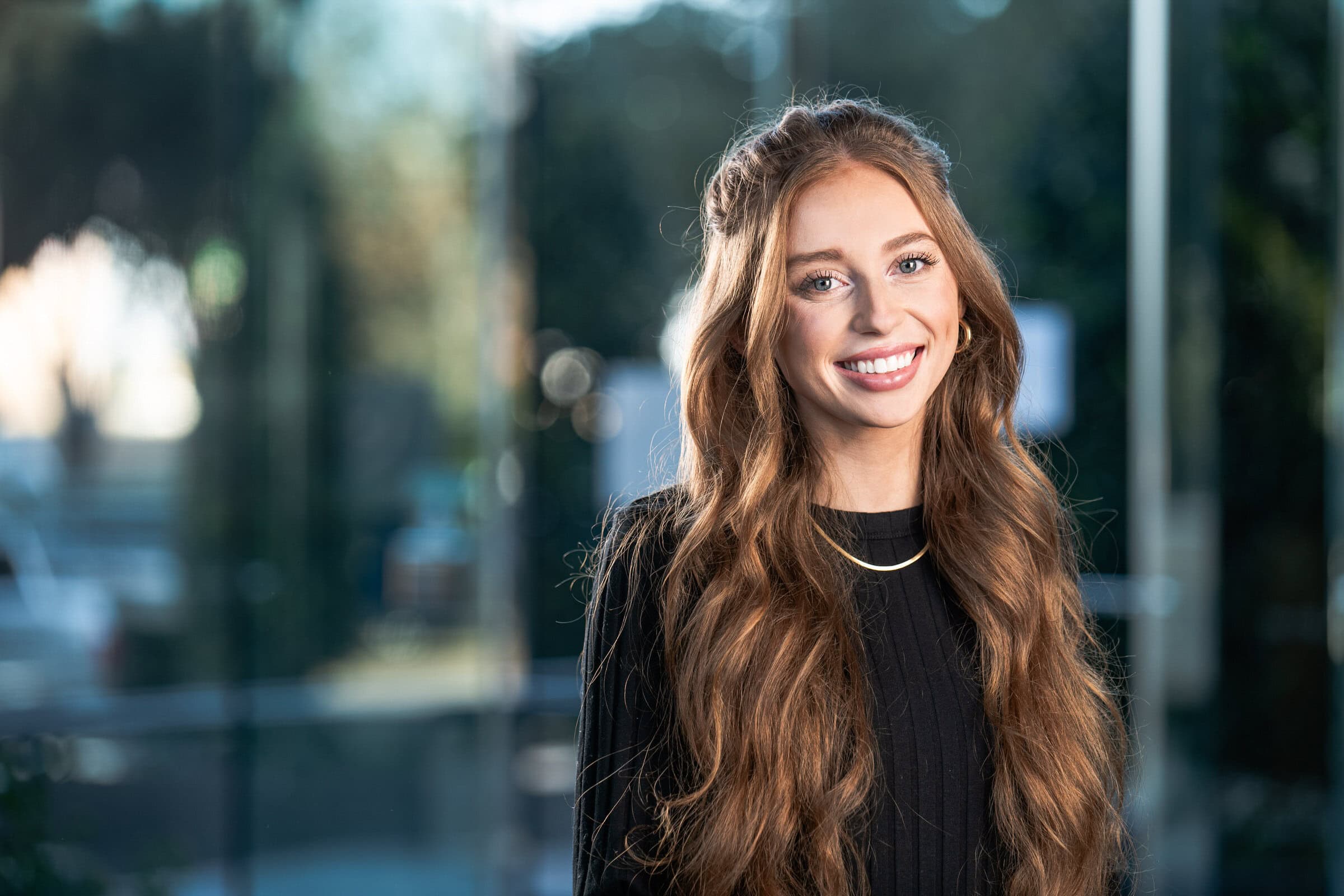
In his years of working with diverse subjects, Loi has learned that the best portraits are those where the subject forgets the camera is there. “We work diligently to make you at ease in your own skin,” he often says. Use this preparation guide not as a list of chores, but as a path to that ease. When the technical boxes are checked, you provide the photographer with the best possible raw material to work with: a confident, authentic you.
Elevate Your Executive Presence.
Upgrade leadership profiles, corporate reports, and company directories with authentic, polished executive headshots in studio or on location.
Contact David directly to coordinate executive team sessions or mobile studio setups at your corporate offices.
Call David Loi NowRequest Headshot Session Info
Provide headcount details, studio vs. office location preference, and target dates.