
The Methodical Lens: The Directing Process of David Loi
In the highly competitive commercial photography market of Dallas-Fort Worth, success is rarely a matter of serendipity. Instead, it is the product of a repeatable, rigorous workflow. For David Loi, the principal behind David Loi Studios, the image is not merely something to be captured; it is something to be constructed. Loi has earned his reputation by stripping away the mysteries of the creative process and replacing them with a sequence of deliberate, technical decisions.
Loi’s entry into the industry began with a singular focus on transforming mundane objects into subjects of visual interest. He recalls a formative moment involving a simple PlayStation controller bathed in the golden light of a sunset. It was a lesson in perception: with the right attention, even the most common object could be elevated. This philosophy—that the potential for a great image exists everywhere, provided the photographer has the patience to find it—remains the backbone of his studio’s operations today.
The Sequential Workflow: Directing a Scene
For many photographers, the concept of “directing” a scene can feel abstract, but Loi approaches it with the precision of an engineer. His process is linear and non-negotiable, prioritizing foundational elements before moving toward the more nuanced aspects of human emotion.
When asked to break down his directing process, Loi explains that the structure must be built from the ground up:
“For a scene, the first thing I try to setup is the angle that I am to be photographing. This establishes the first of the many foundations that I will need. Without knowing the angle, I don’t know how to build the lighting setup.”
This perspective-first approach is the engine of his workflow. By locking in the composition early, Loi creates a “constraint box” that informs every subsequent choice. He understands that lighting is not a universal constant; it is a variable that changes entirely depending on the camera’s vantage point.
Once the frame is locked, he moves to the manipulation of light:
“By setting up the lighting, I build the mood of the image. Whether it is supposed to be bright, which is inviting, or if it’s darker, which gives an idea of mood and drama.”
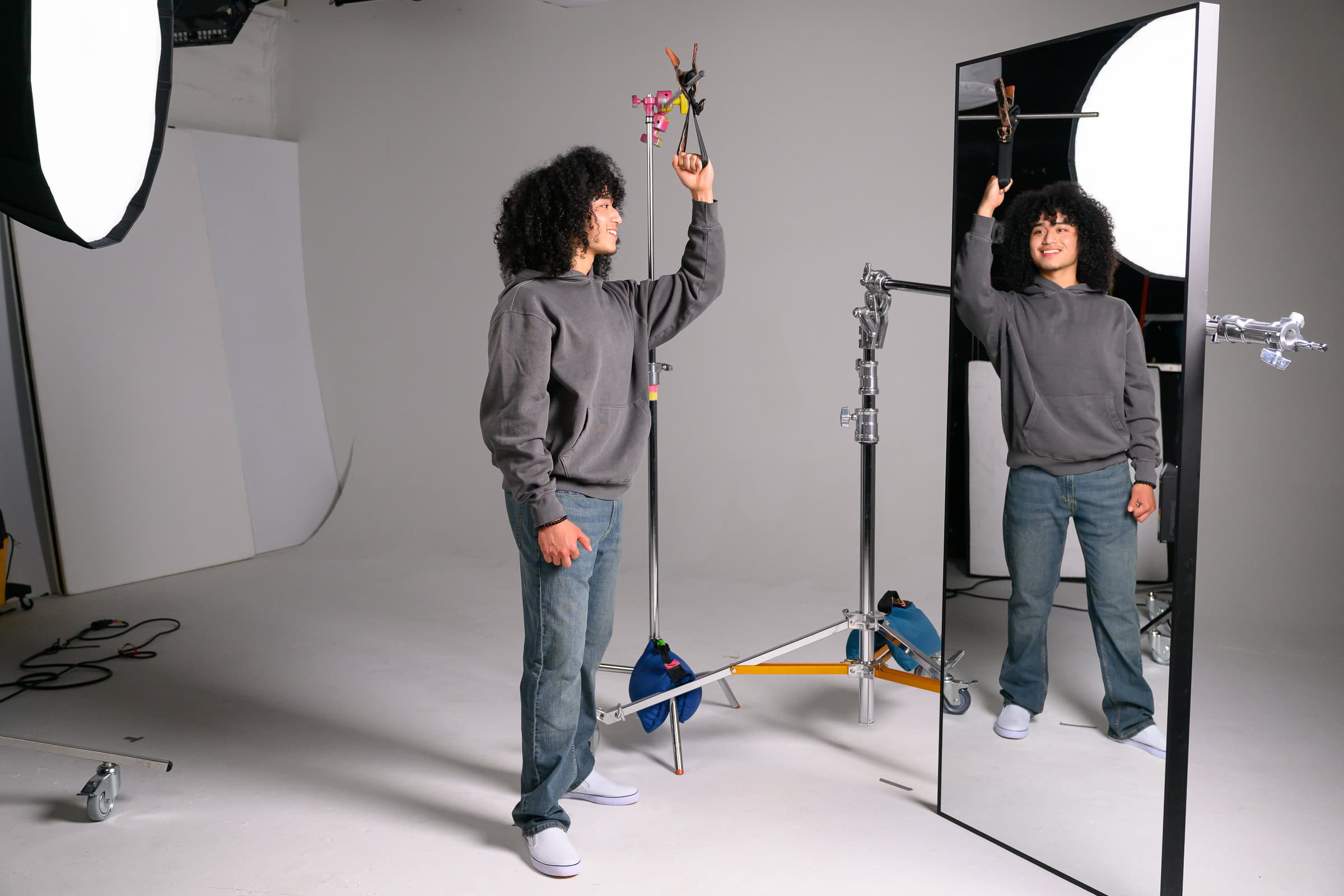
This stage is where Loi’s technical expertise truly manifests. He does not just illuminate a scene; he sculpts the atmosphere. He understands that light acts as the primary signal for the viewer’s emotional response, and he controls that signal with absolute authority.
After the light is sculpted, the scene begins to take shape through its constituent parts:
“After which I start setting up the items that would be in the scene and how it interacts with the subject and the light.”
At this stage, the process becomes a matter of spatial relationships. He considers how objects populate the frame, how they catch the light, and how they define the space around the subject. Finally, the human element is introduced:
“Finally, I bring in the subject and angle them, pose them and work on getting the right emotions down that the photos require.”
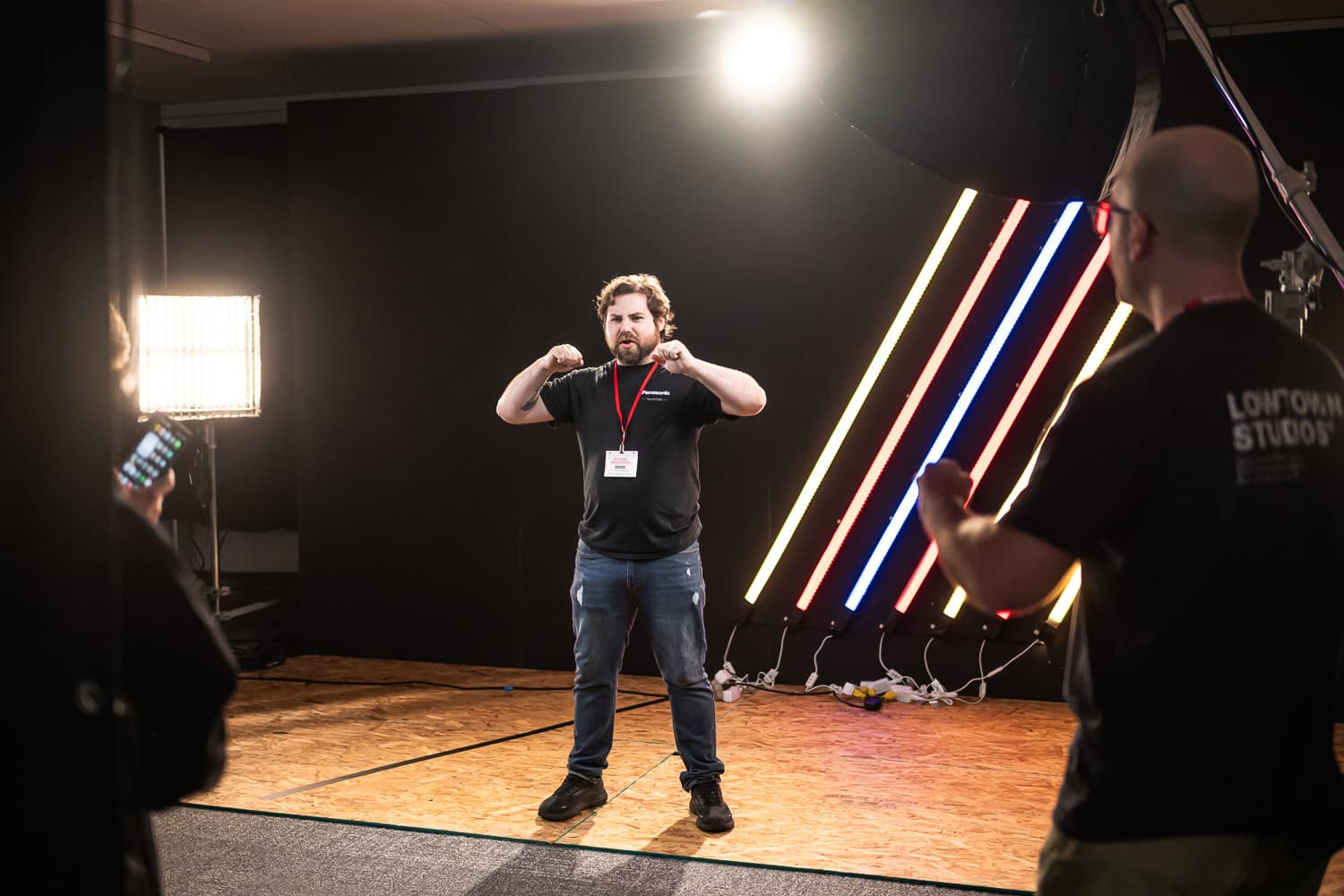
By delaying the subject’s entry until the very end, Loi ensures that the environment is fully prepared to support the subject’s performance. This systematic approach eliminates the common pitfalls of rushing into a shoot, ensuring that the photographer is never chasing their tail in search of a good frame.
The Technical Toolkit
Loi’s ability to remain methodical regardless of the environment—be it a controlled studio setting or the unpredictable terrain of a location shoot—is supported by a specific gear ecosystem. He is known for choosing equipment that offers reliability and consistent output.
Loi’s preference for Nikon camera bodies is rooted in their ruggedness. For a photographer who frequently navigates difficult environments, the camera is a tool of endurance. However, the most critical part of his lighting setup lies in his use of Cheetah Stand modifiers.
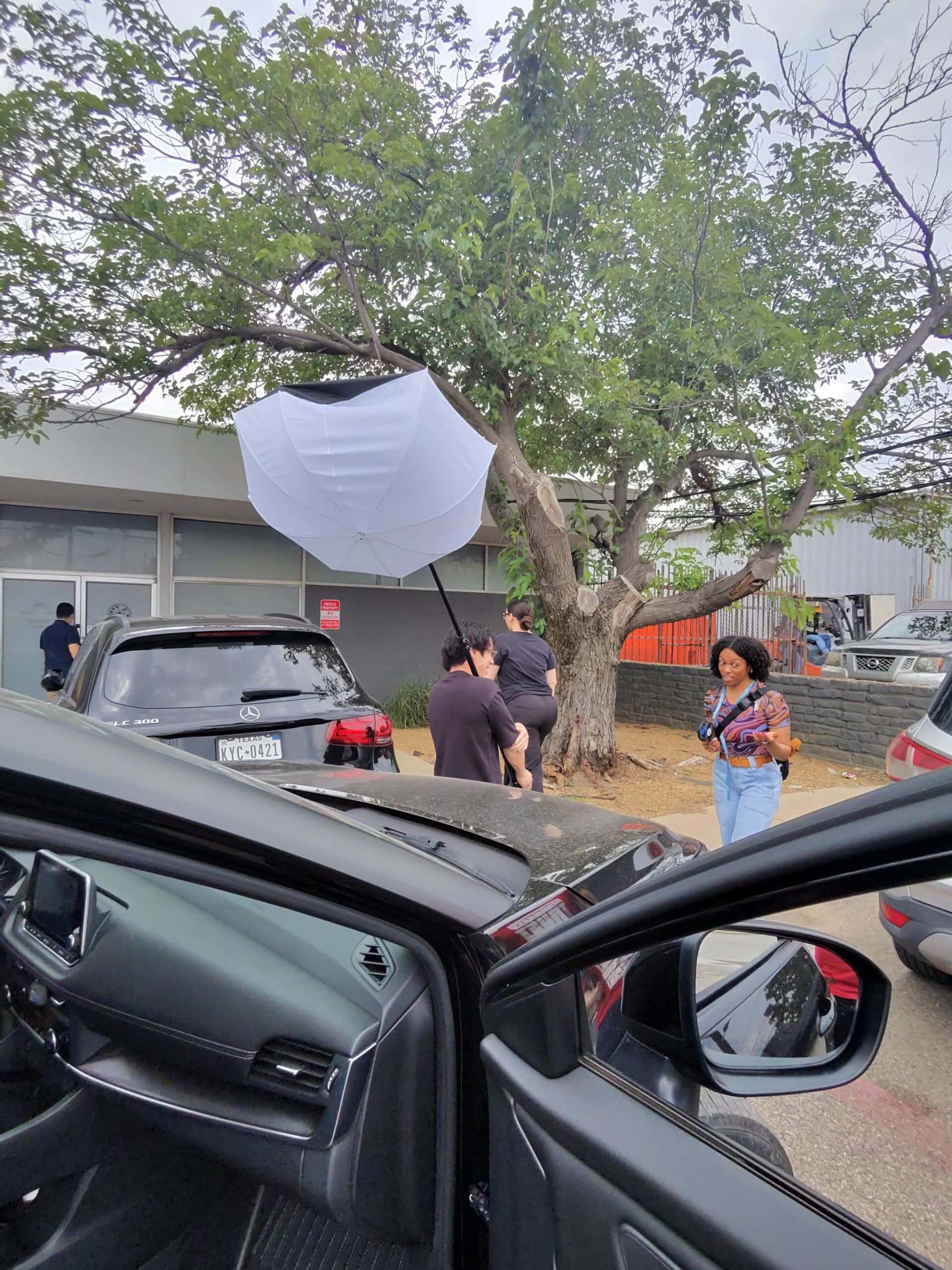
Loi has long integrated Cheetah Stand products and Focus Series softboxes into his commercial work. His reliance on these tools is practical: he requires modifiers that are as robust as they are precise. The softboxes allow him to manipulate shadows and highlights with surgical accuracy, providing the “sculpted” light that defines his signature look. In his eyes, gear should be an invisible partner; it must work seamlessly to realize the vision without becoming a point of failure.
Professional Growth and Self-Criticism
What distinguishes David Loi from others in the Dallas market is his inherent drive for improvement. In discussions about his career, he frequently identifies as his own “worst critic.” Rather than seeing this as a negative trait, he views it as a necessary tool for survival in a saturated industry.
He treats every project not as a final product, but as an opportunity to iterate on his process. When clients engage with David Loi Studios, they are not just buying a set of images; they are tapping into a consultant who approaches their brand narrative with the same sequential care he applies to his lighting setups.
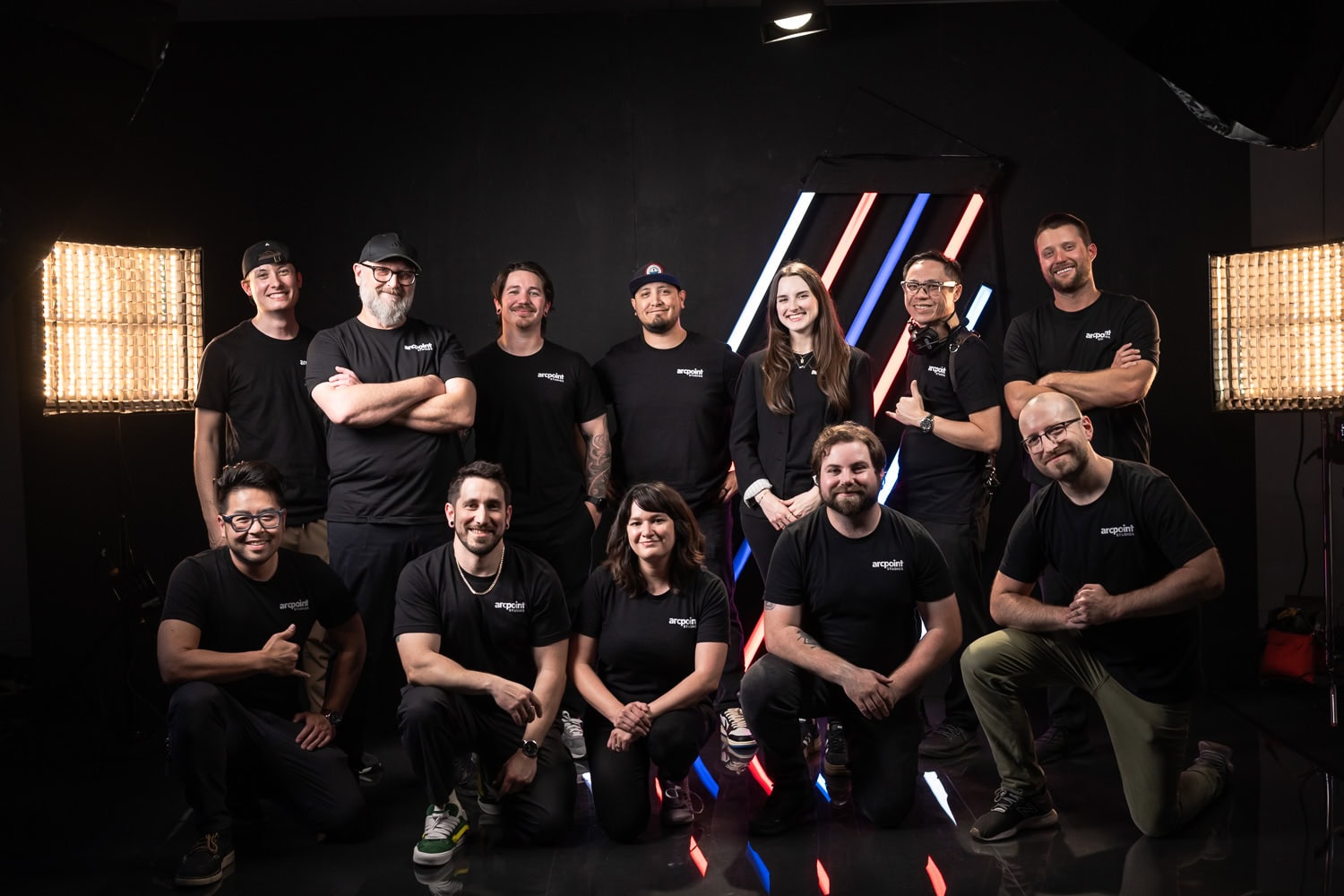
In an industry that often prioritizes trends over technique, Loi remains committed to the fundamental building blocks of photography. His career serves as a reminder that greatness is rarely the result of a “lucky shot.” It is the result of defining the angle, sculpting the light, placing the elements, and drawing out the emotion—one deliberate step at a time.
Precision Studio Lighting & Soundstage Builds.
From complex multi-set tabletop and beverage builds to large-scale commercial bays with massive overhead scrims, partner with David Loi Studios for controlled studio productions in Dallas-Fort Worth.
Speak directly with David regarding grip setups, ceiling clearance, power distribution, and stage dates.
Call David Loi NowRequest Studio Production Info
Detail your product lines, set dimensions, grip requirements, and target production windows below.