
Aviation Discovery Day Photos in Dallas
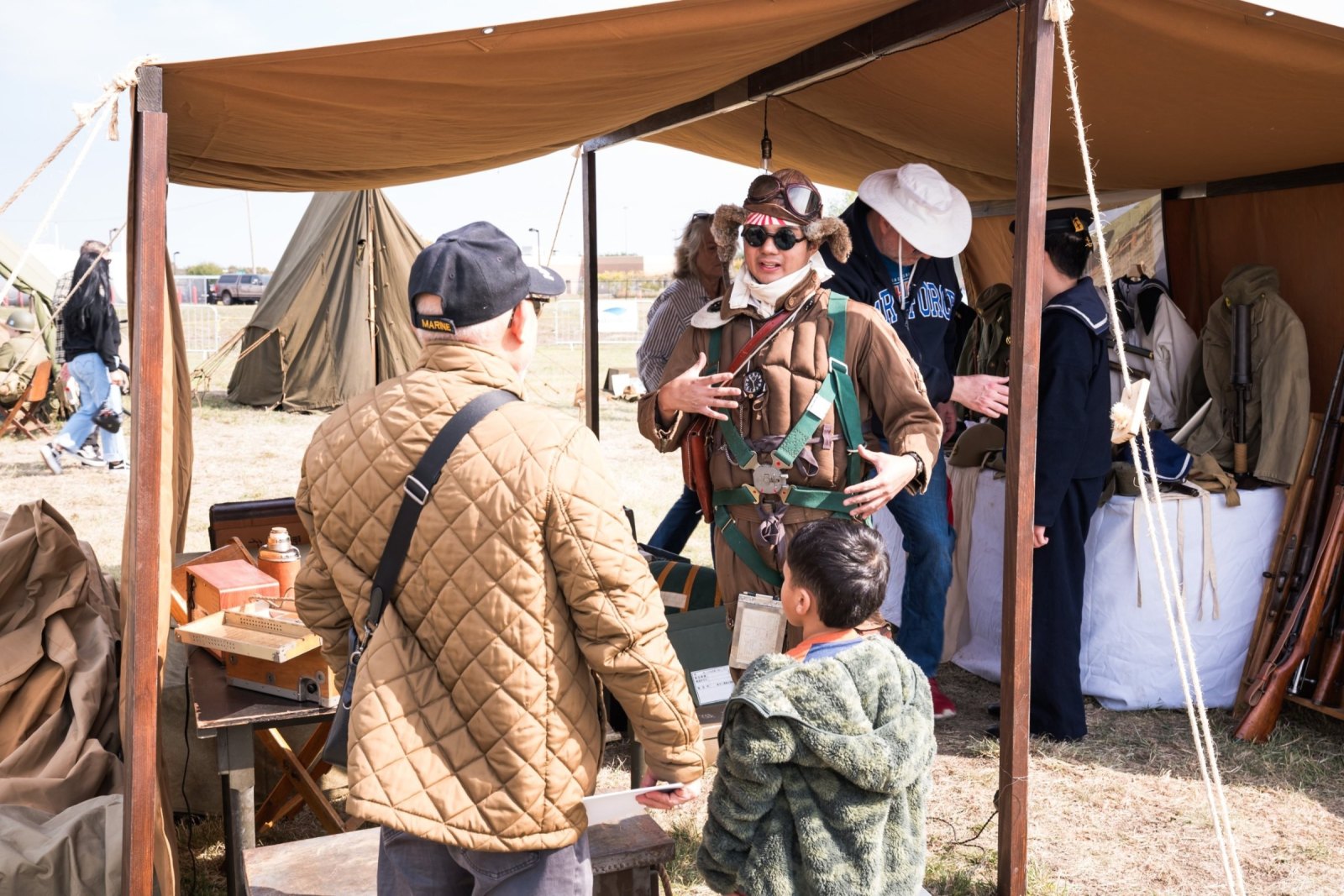
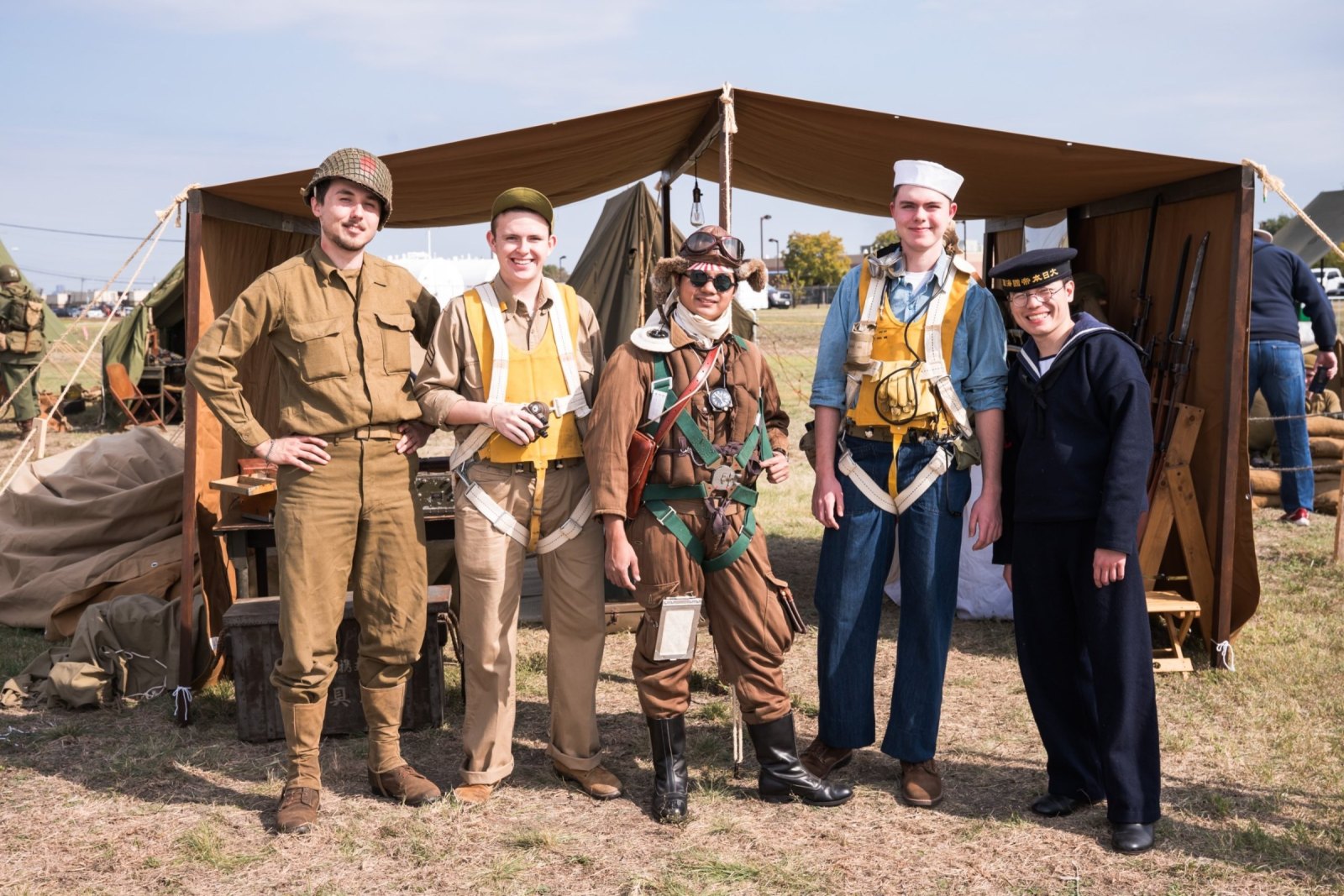
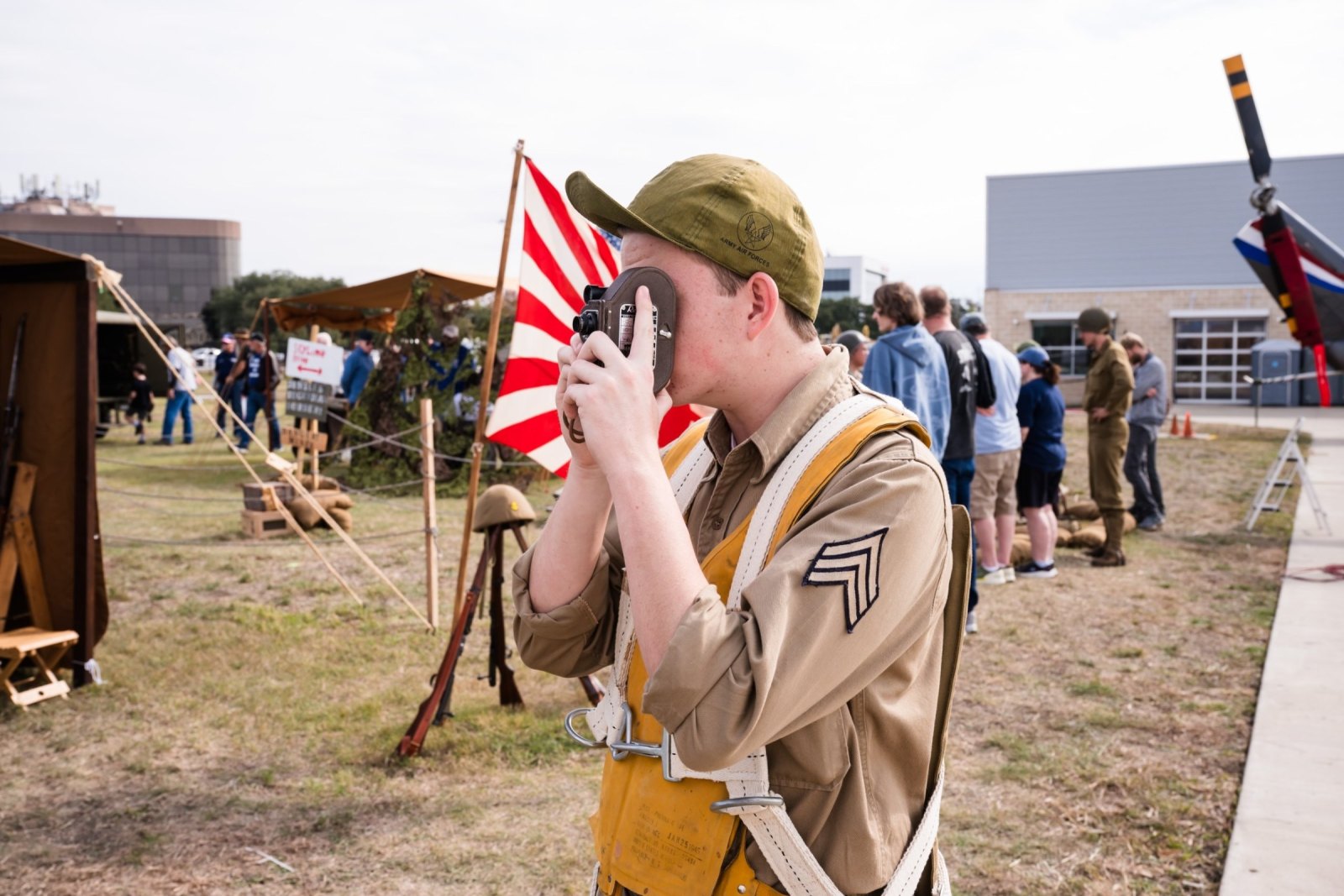
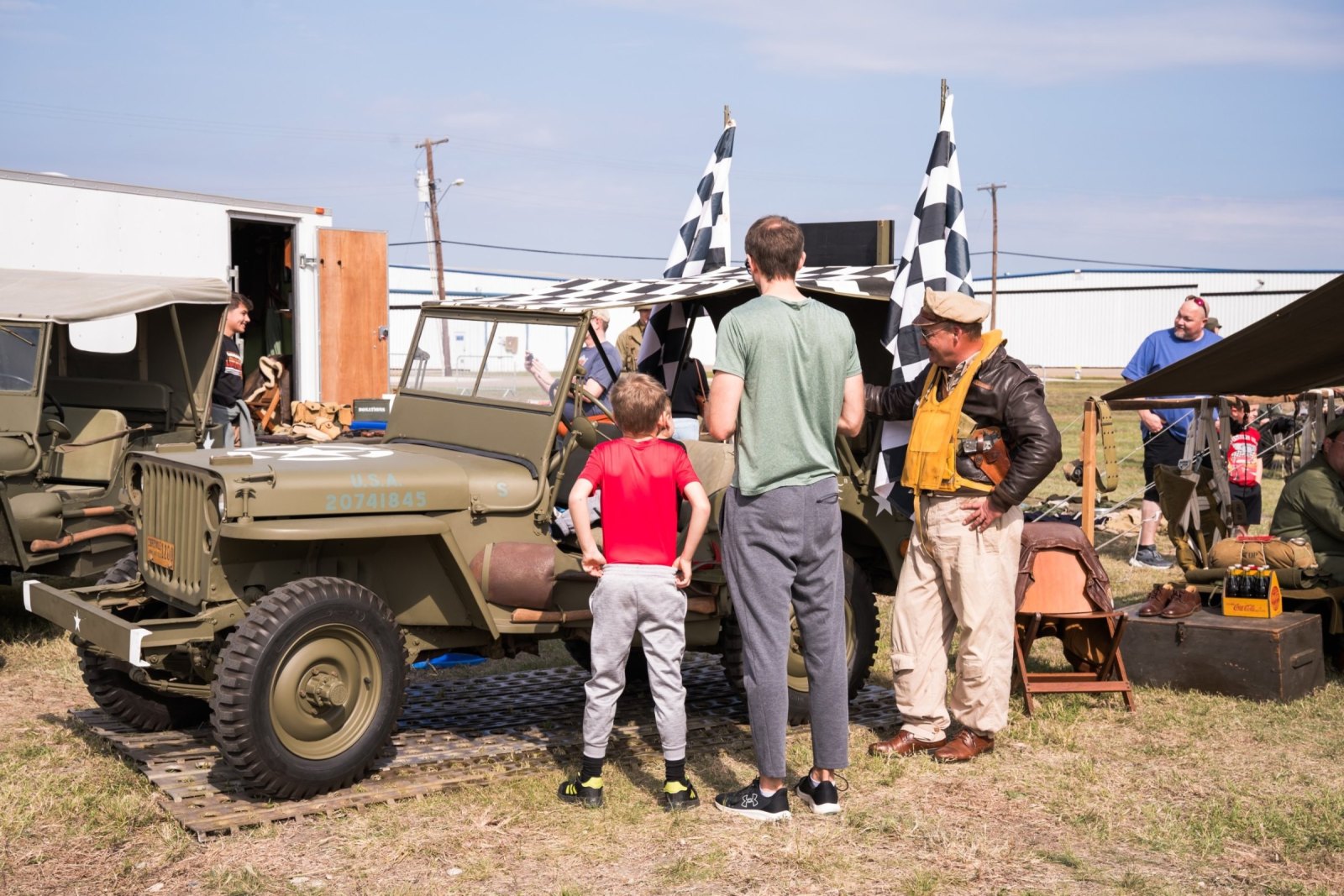
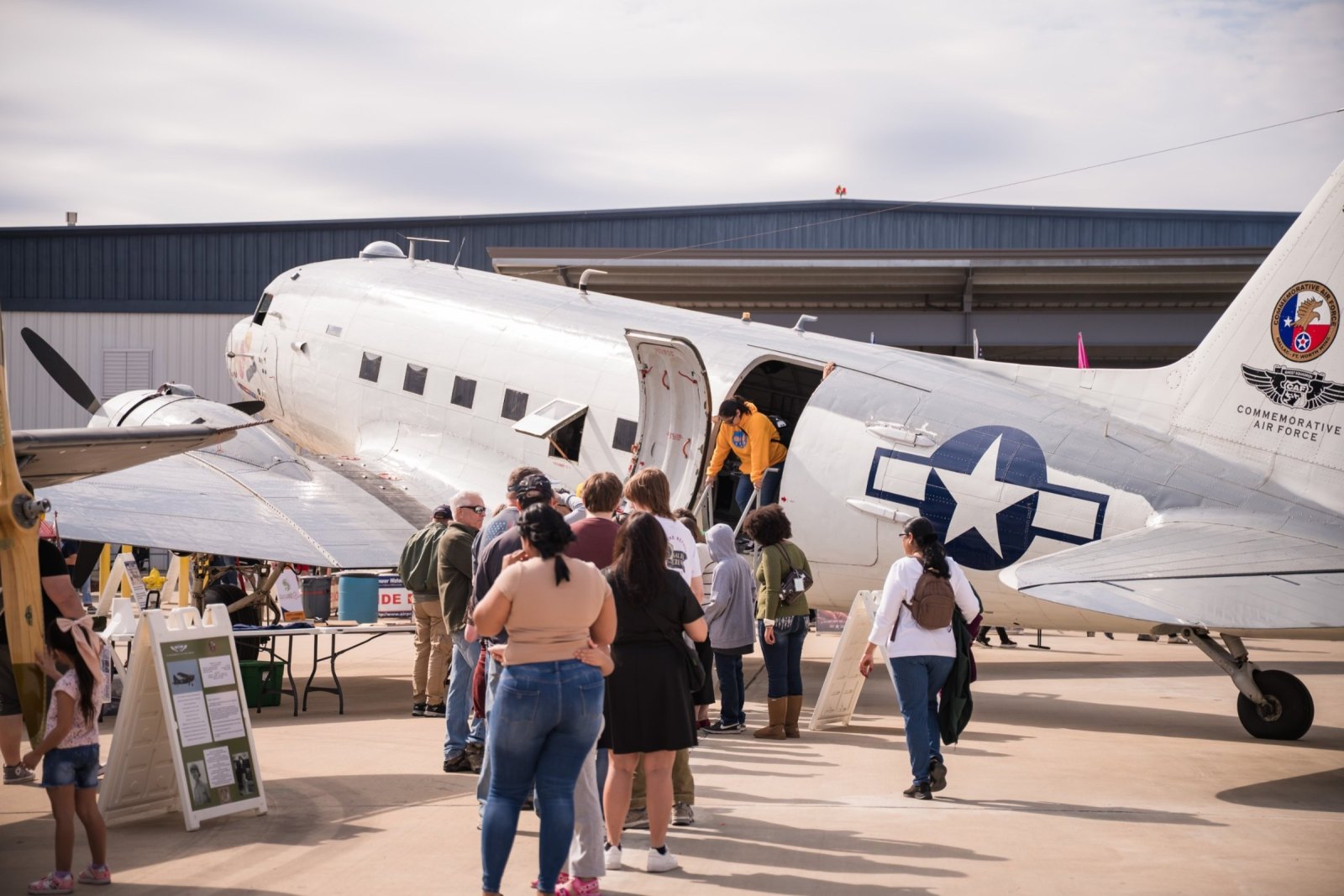
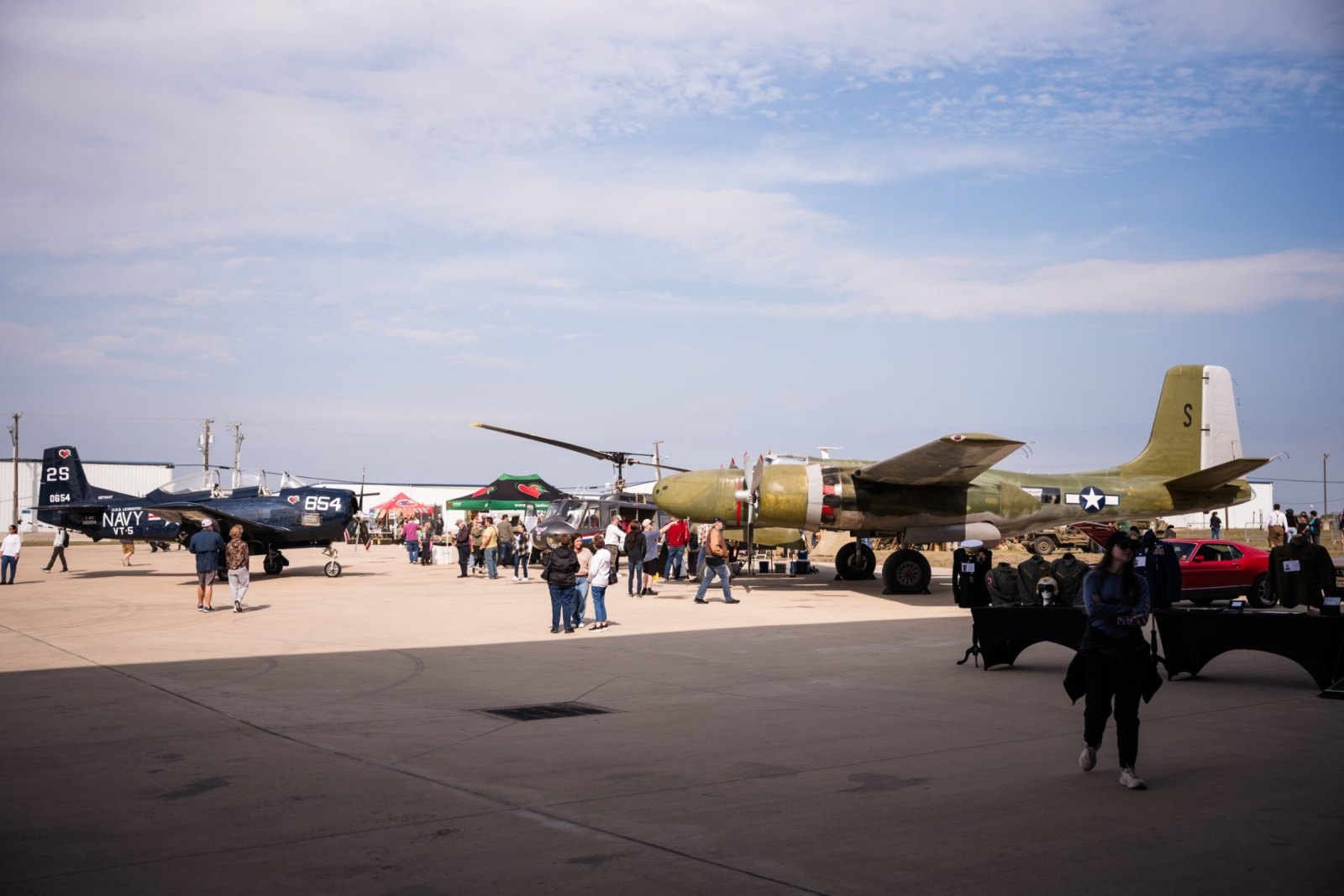
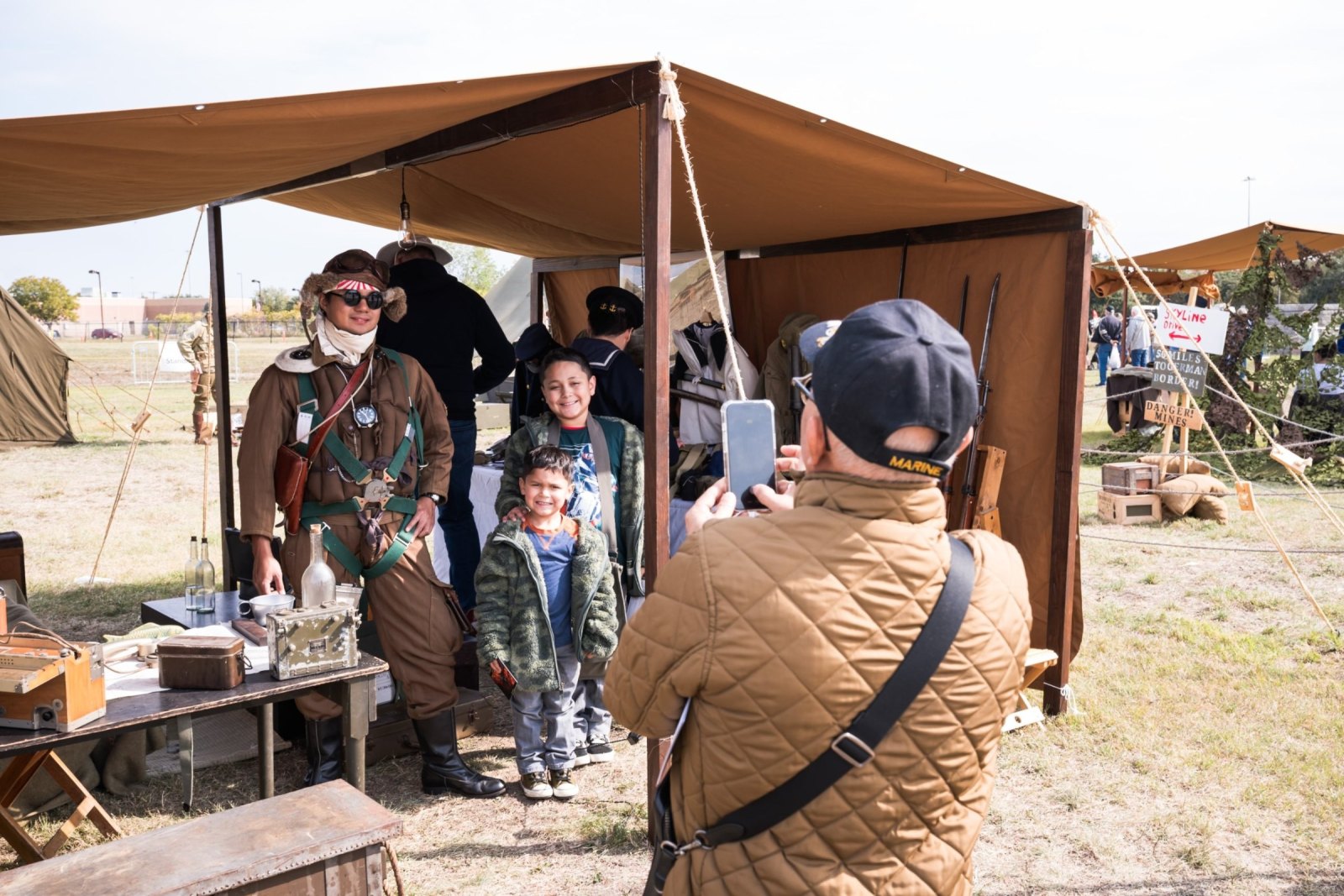
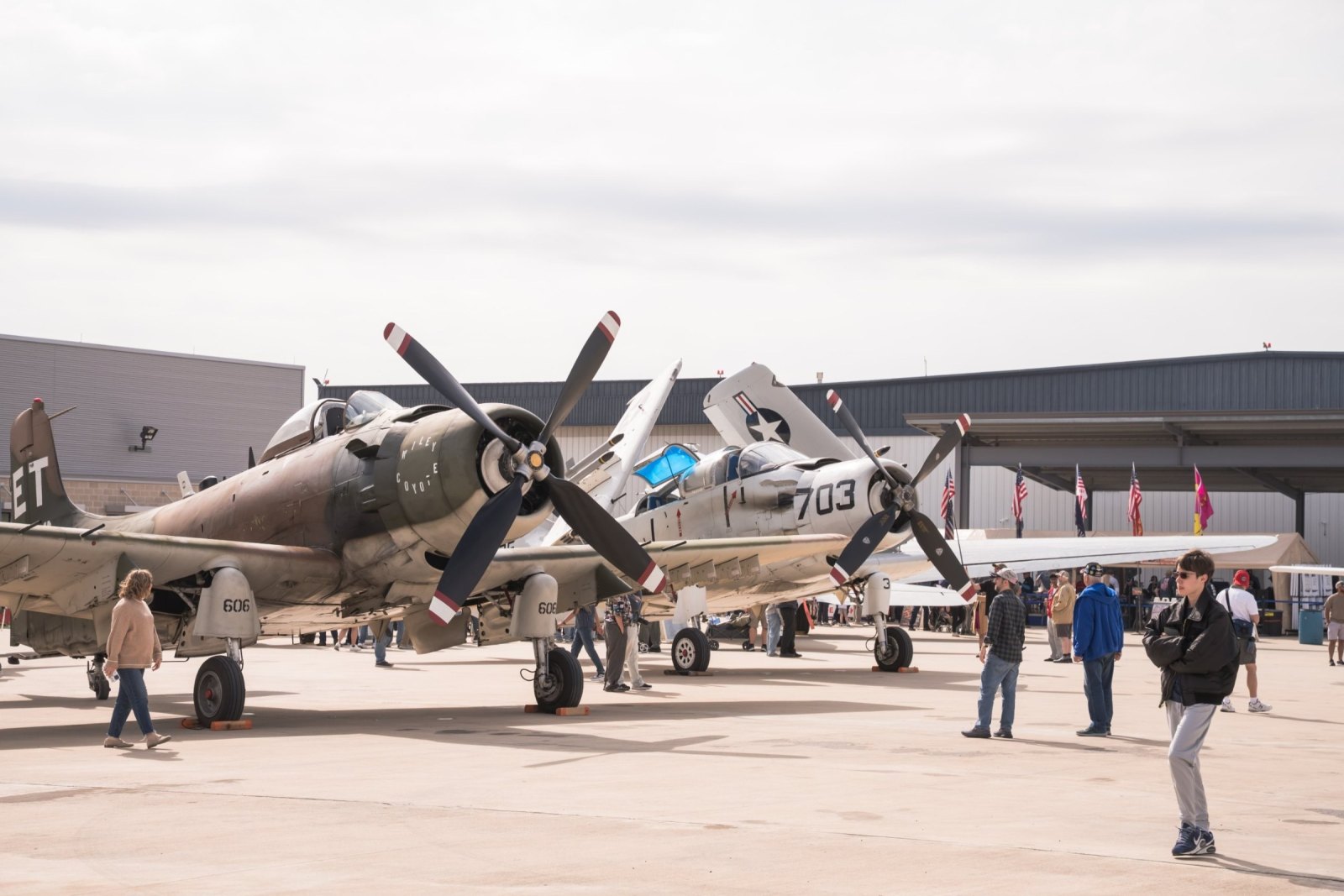
David Loi Studios photographed Aviation Discovery Day for the Commemorative Air Force at Dallas Executive Airport in Dallas, Texas. We documented families, aviation fans, and flight crews around historic World War II aircraft on an active ramp. As a Dallas commercial photographer, my job was capturing authentic crowd reactions alongside operational vintage warbirds.
Key takeaways
- David Loi Studios photographed Aviation Discovery Day for the Commemorative Air Force at Dallas Executive Airport.
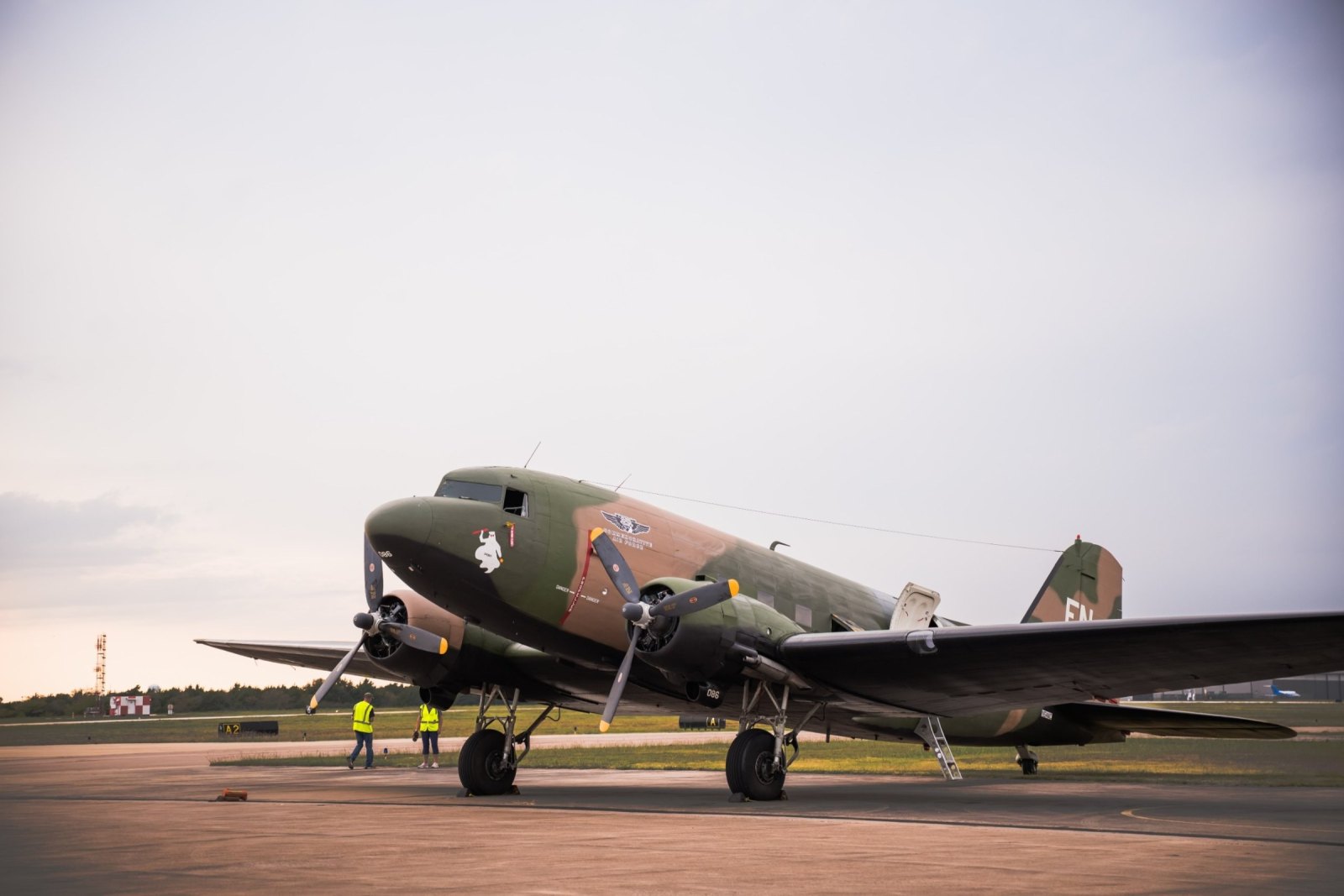
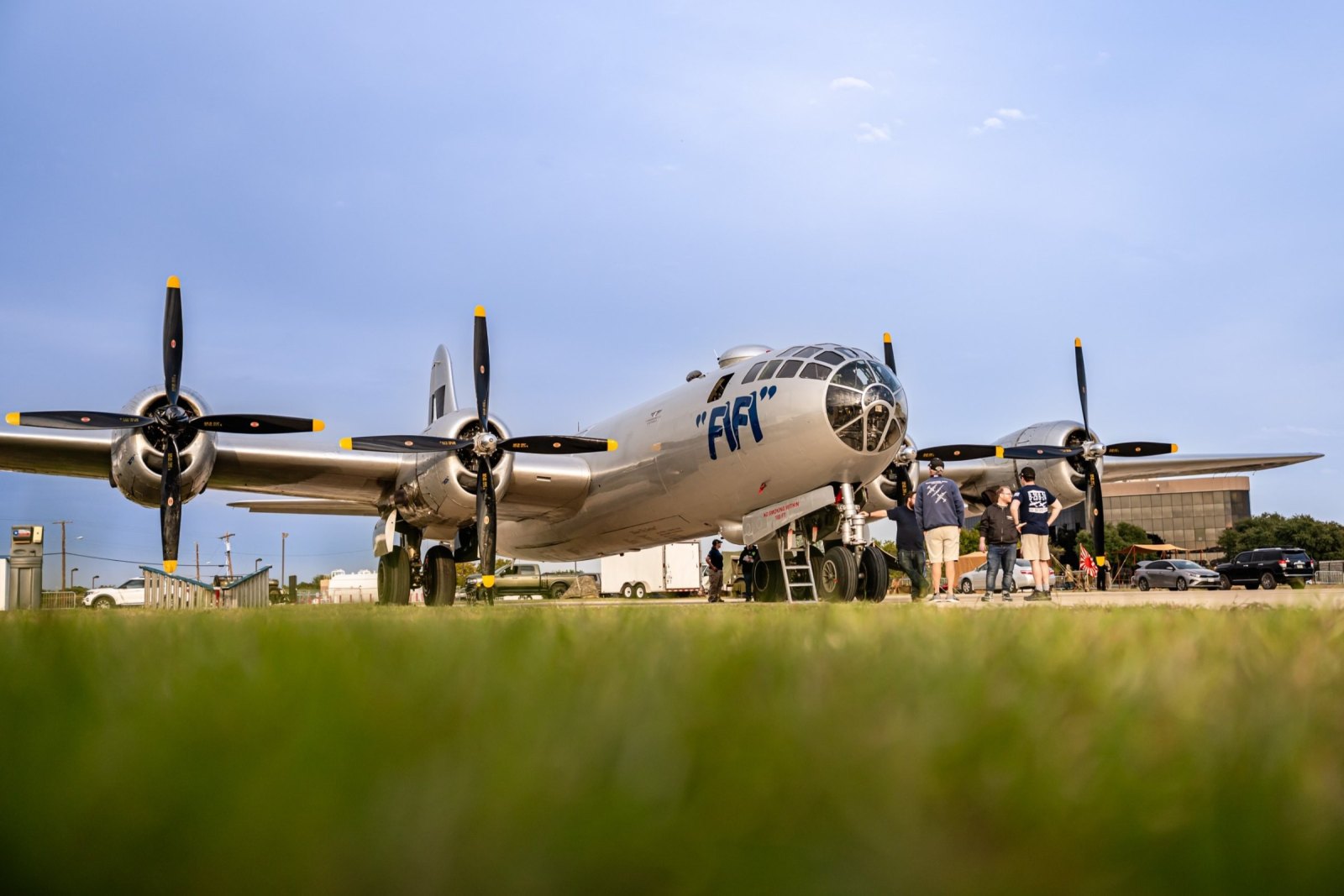
- The shoot documented historic warbirds including the B29 Superfortress FIFI, a B25 Mitchell, and an A1 Skyraider alongside spectator crowds.
- Dual Nikon Z9 and ZF bodies allowed quick transitions between fast ramp action and candid crowd reactions.
- High ground vantage points and perimeter rope access were used to frame clean aircraft compositions above crowd barriers.
Growing up, airplanes were basically magic to me. You stand near an active ramp with radial engines firing up, and that excitement comes right back. The Commemorative Air Force brings flight history right to eye level. You can check out their work at https://commemorativeairforce.org/ to see their flight tours. Having credentials to work the flight line meant getting close to machines you normally only see in books. As an automotive photographer Texas tracks keep busy, moving over to heavy aviation iron on hot tarmac feels right at home.
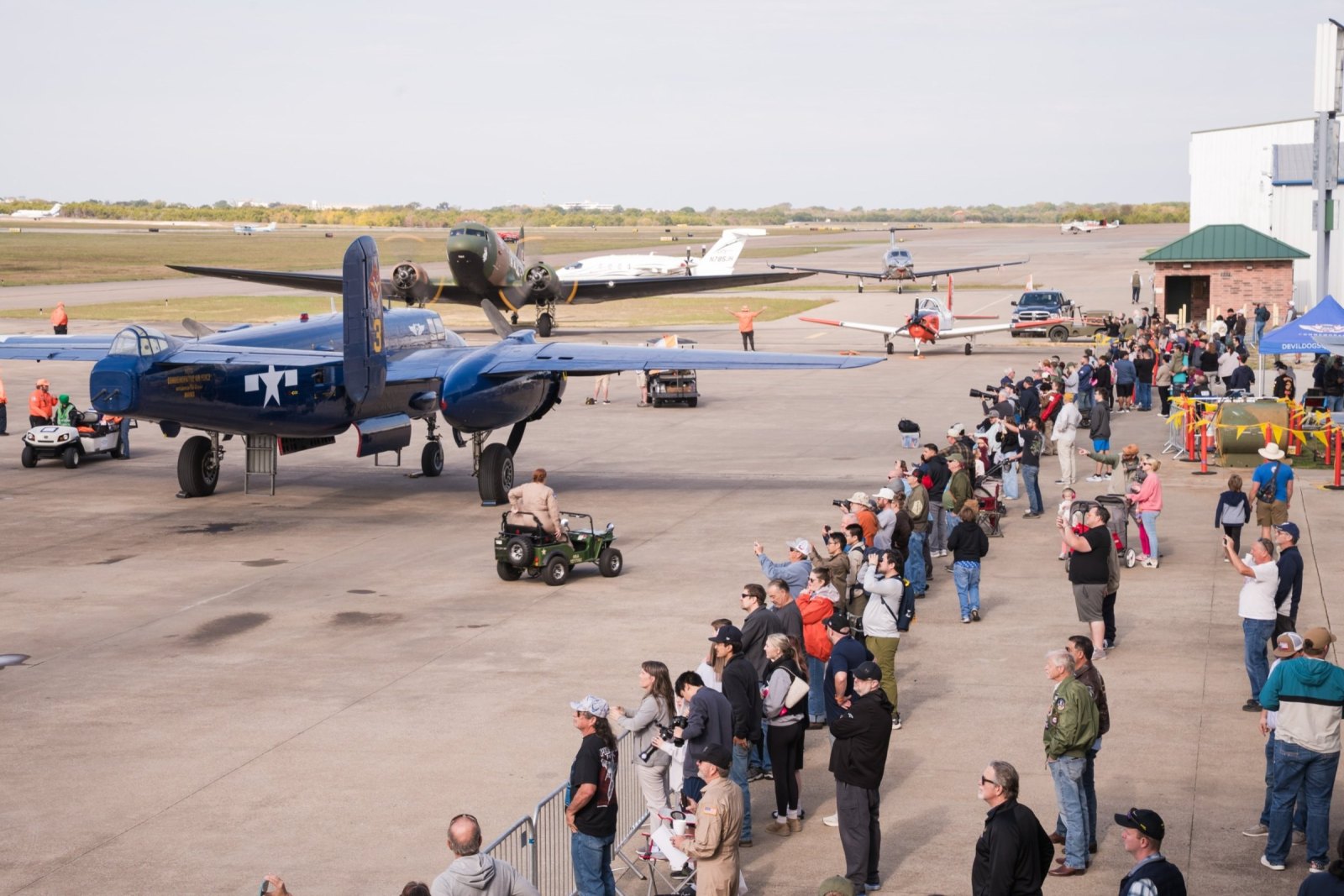
What is Aviation Discovery Day at Dallas Executive Airport?
Aviation Discovery Day is a live flight and educational event hosted by the Commemorative Air Force at Dallas Executive Airport in Dallas, Texas. It connects aviation fans and families with operational World War II combat aircraft through flight demonstrations, ground tours, and direct access to veteran pilots and maintenance crews.
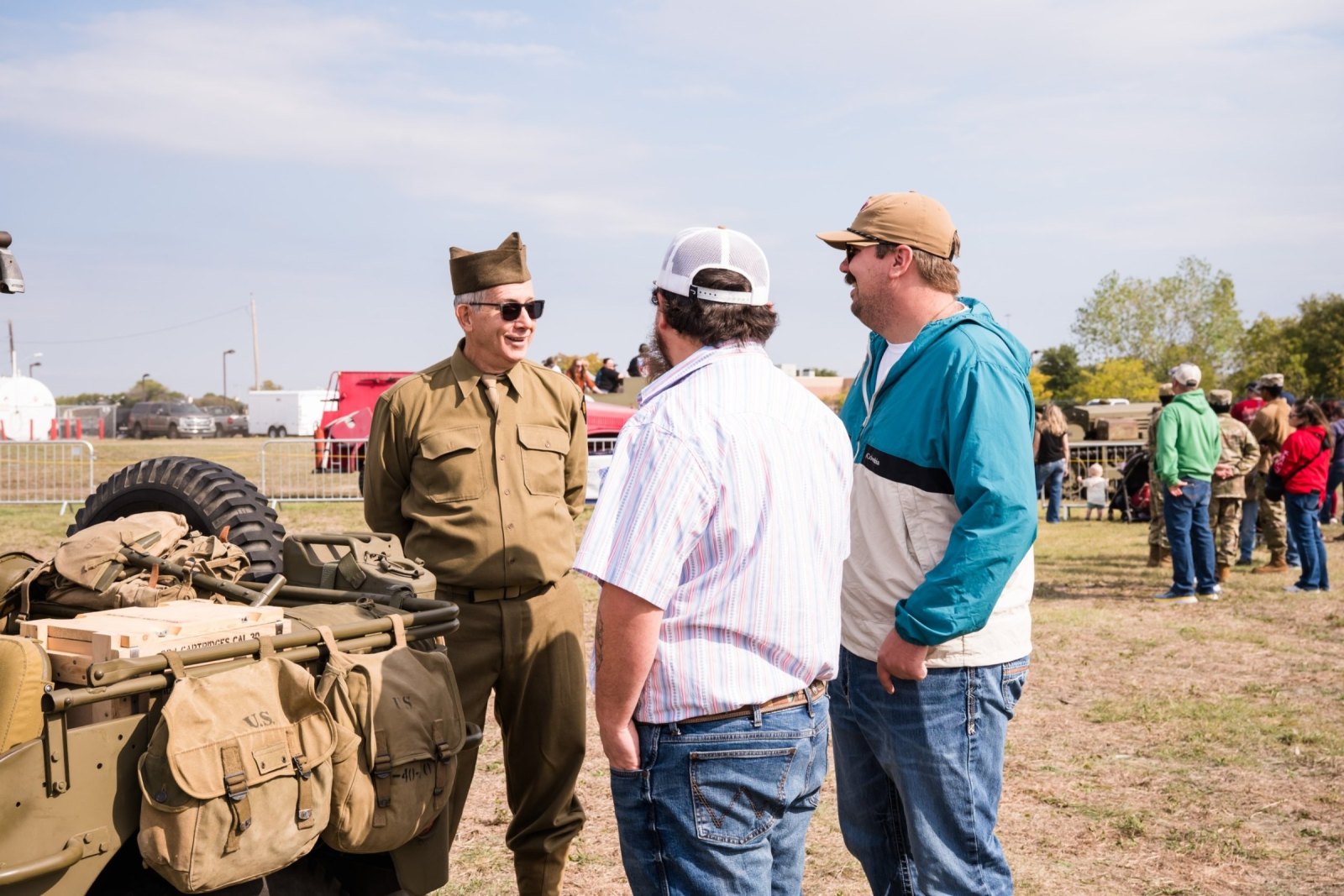
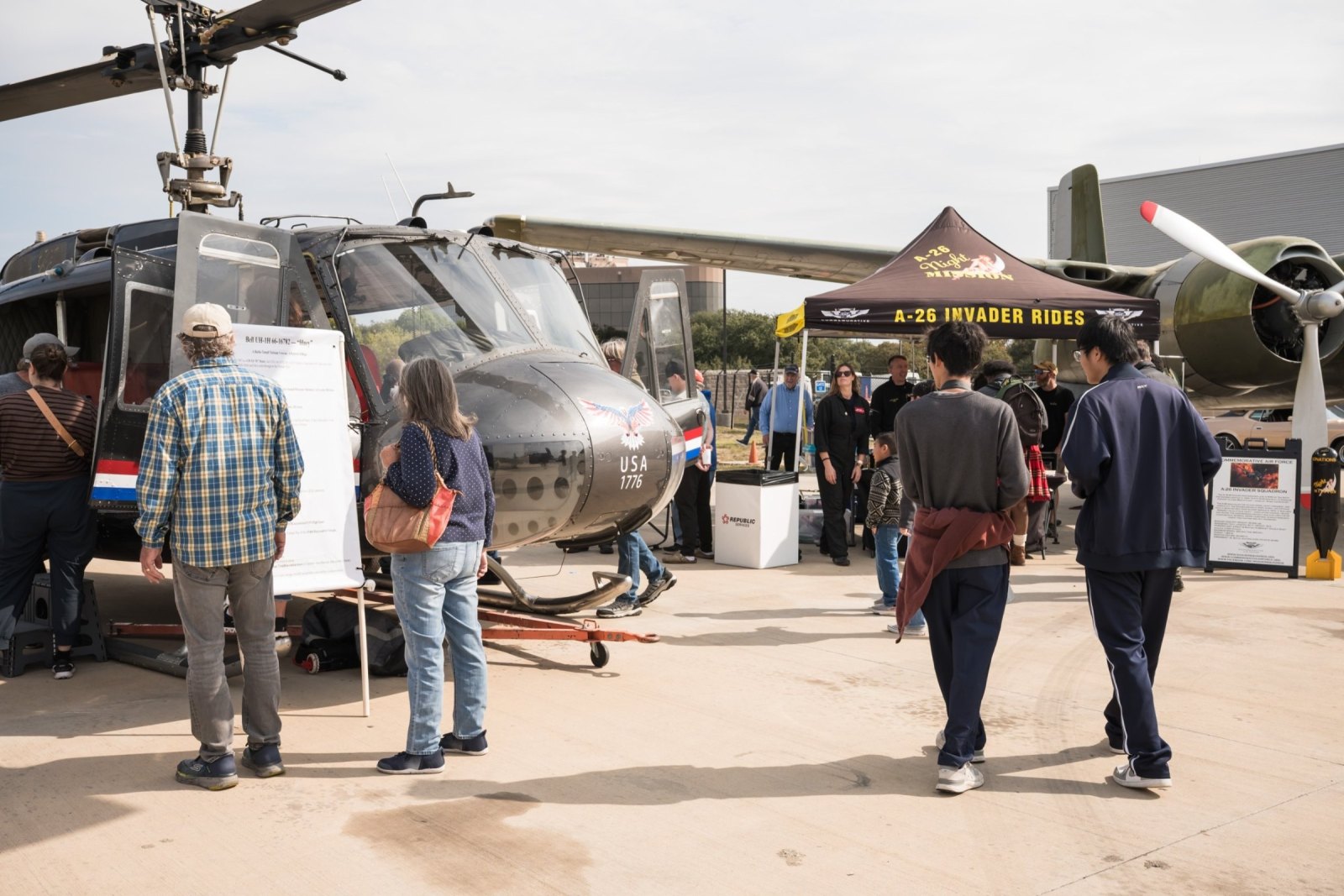
The client gave me a clear directive for this assignment. They wanted to see people smiling, looking up, and genuinely enjoying the sights and sounds of historic warbirds in motion. That means you cannot just point a long telephoto at the sky all afternoon. You have to tell the complete story of the ramp, balancing the iron on the taxiway with the look on a kid’s face when four radial engines start turning at once. You can see more public gathering coverage on our Dallas events photographer page.
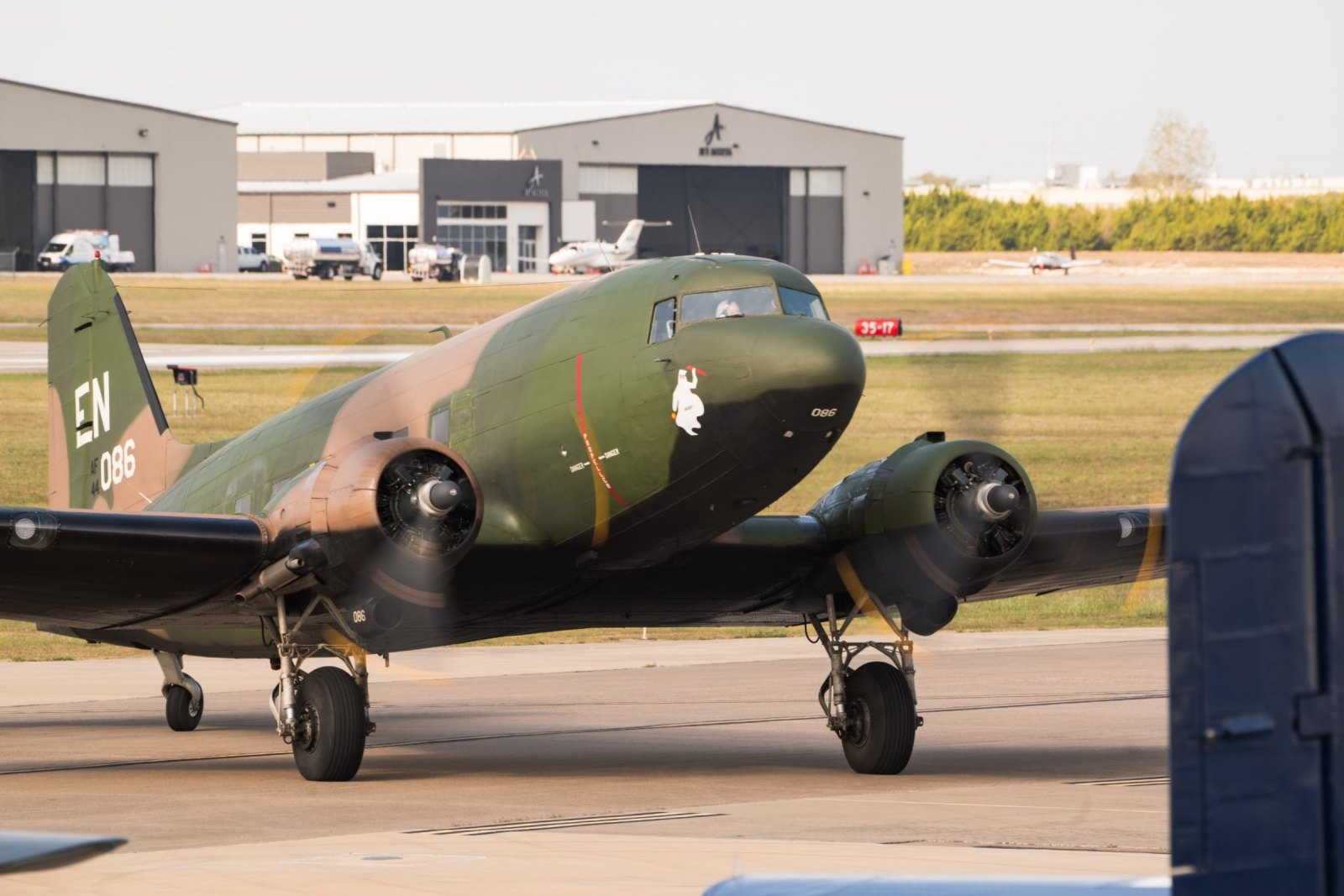
Any true aviation enthusiast knows the smell of avgas and burnt oil when these radial engines cough to life. Covering Aviation Discovery Day meant moving fast between families sitting on lawn chairs and the tarmac where crew chiefs pulled props through by hand before start up. People travel from all over North Texas for this event because seeing these planes on static display in a museum is fine, but seeing them move under their own power is why folks show up.
Aviation Discovery Day gives people a real look at history running in front of them. The Commemorative Air Force runs these days to keep flight heritage alive for the next generation. Standing out on that concrete, you see why it works so well.
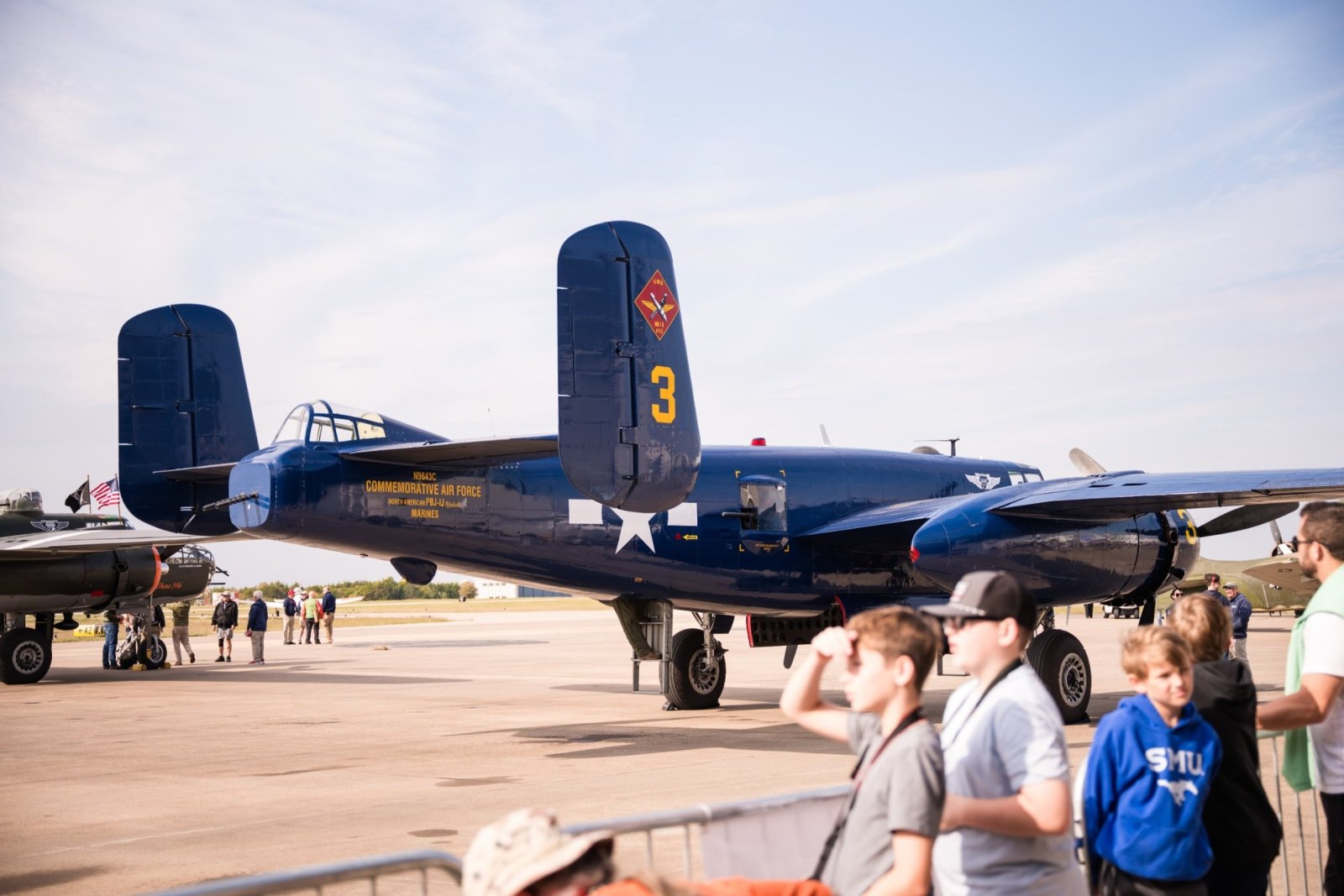
How do you photograph vintage aircraft around active flight crowds?
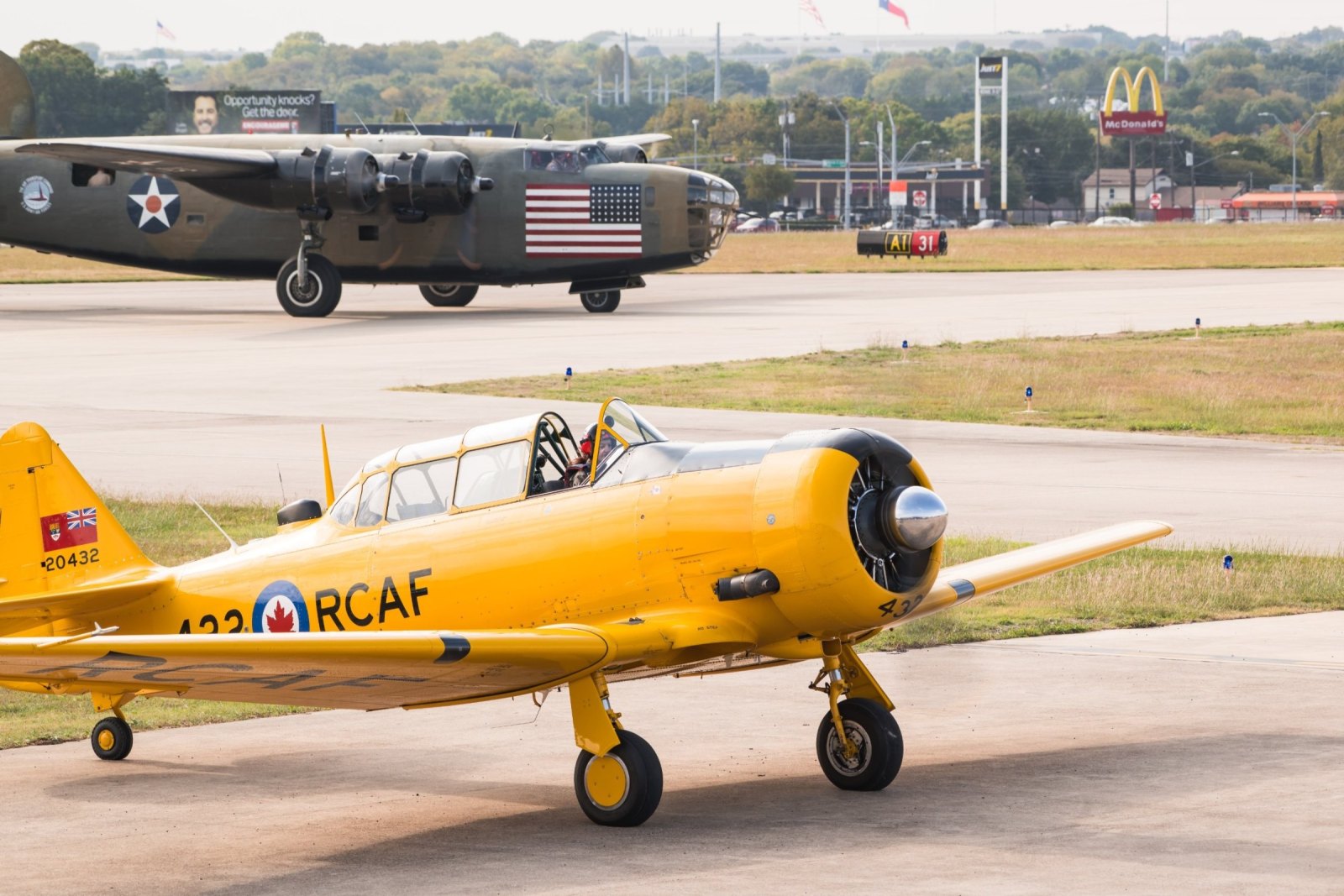
Photographing vintage aircraft around crowded ramps requires balancing higher ground positions with fast lens changes to isolate aircraft against clean backgrounds. The biggest challenge is working around safety barricades, flight staff, and spectators without losing the scale of massive bombers like B29s or the punchy lines of escort trainers.
The shoot itself was not physically grueling, but getting clean angles was tough. When you work an active airshow ramp, safety lines dictate where everyone stands, including media. If you stay at eye level behind a fence, every photo ends up looking like the back of someone’s head next to a metal railing. To solve that, I moved between vantage points up on the ramp steps overlooking the taxi line and low ground positions right against the perimeter ropes.
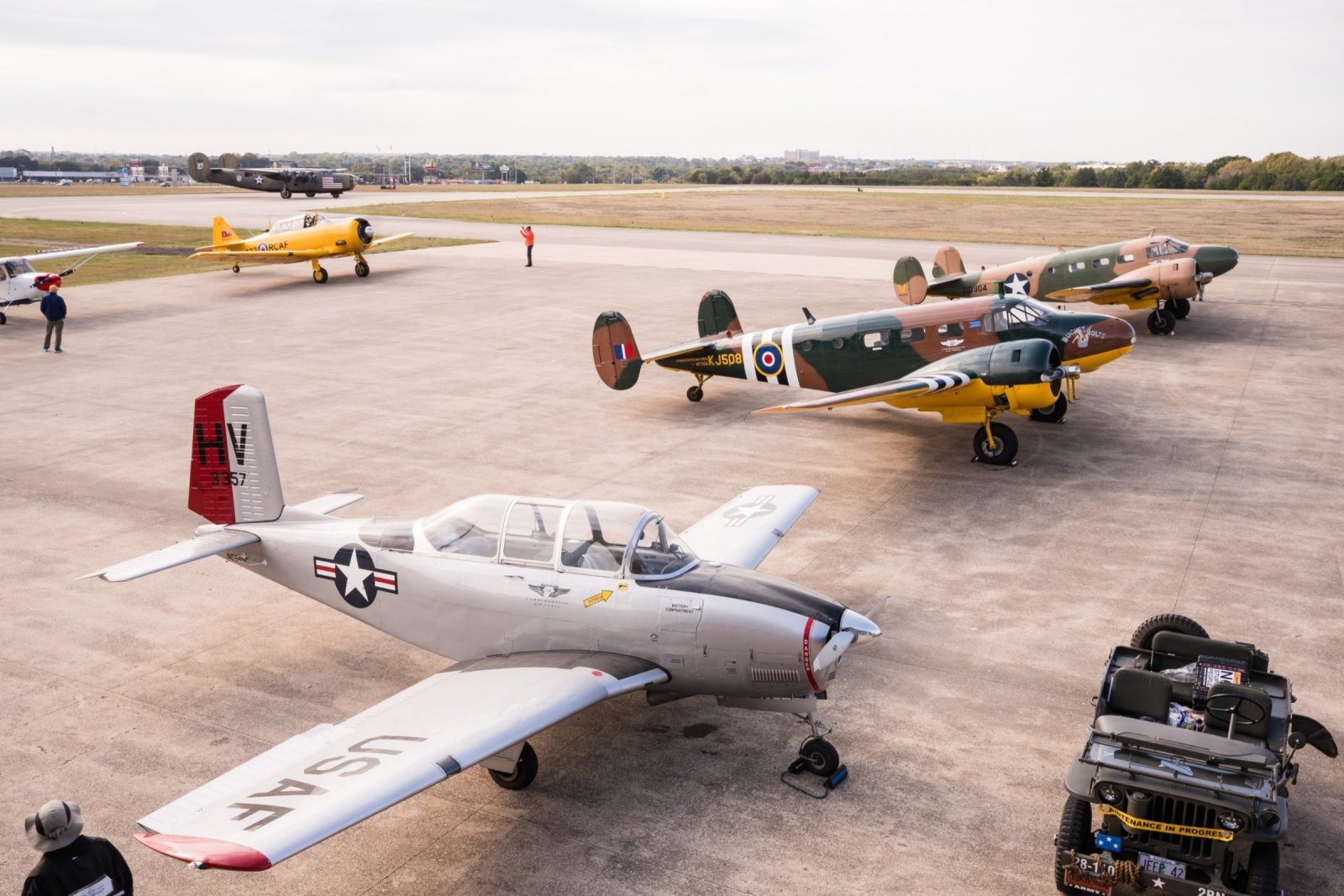
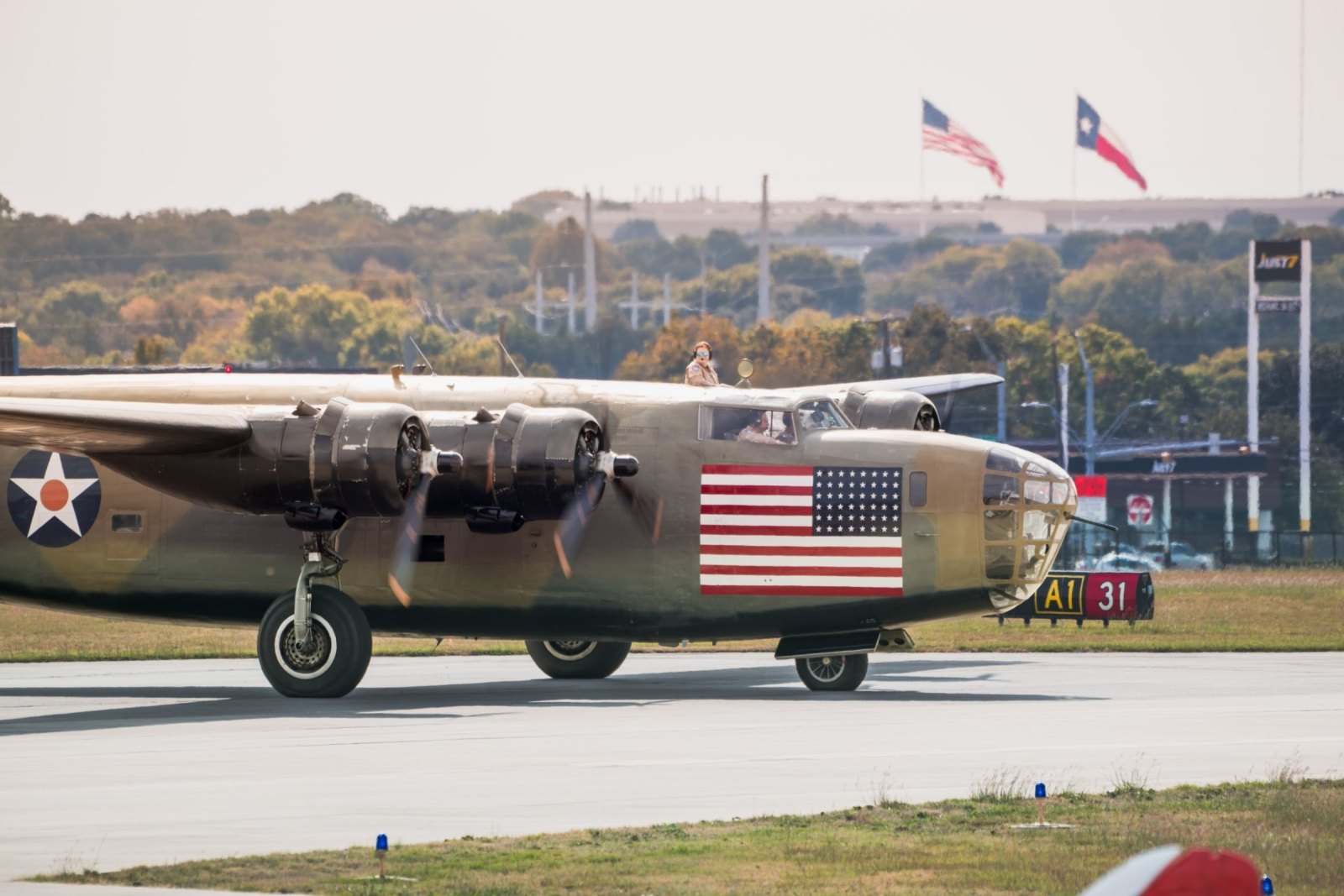
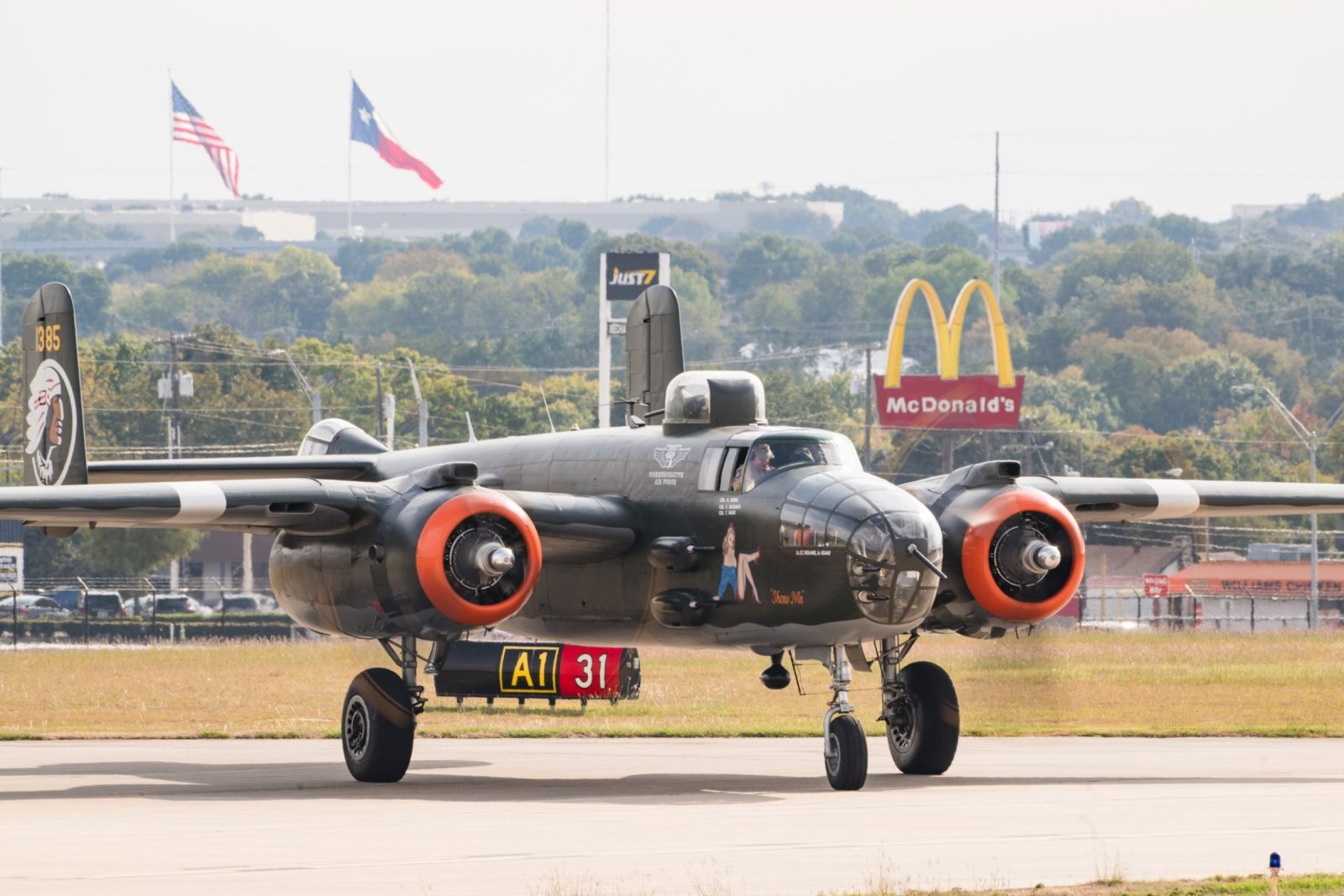
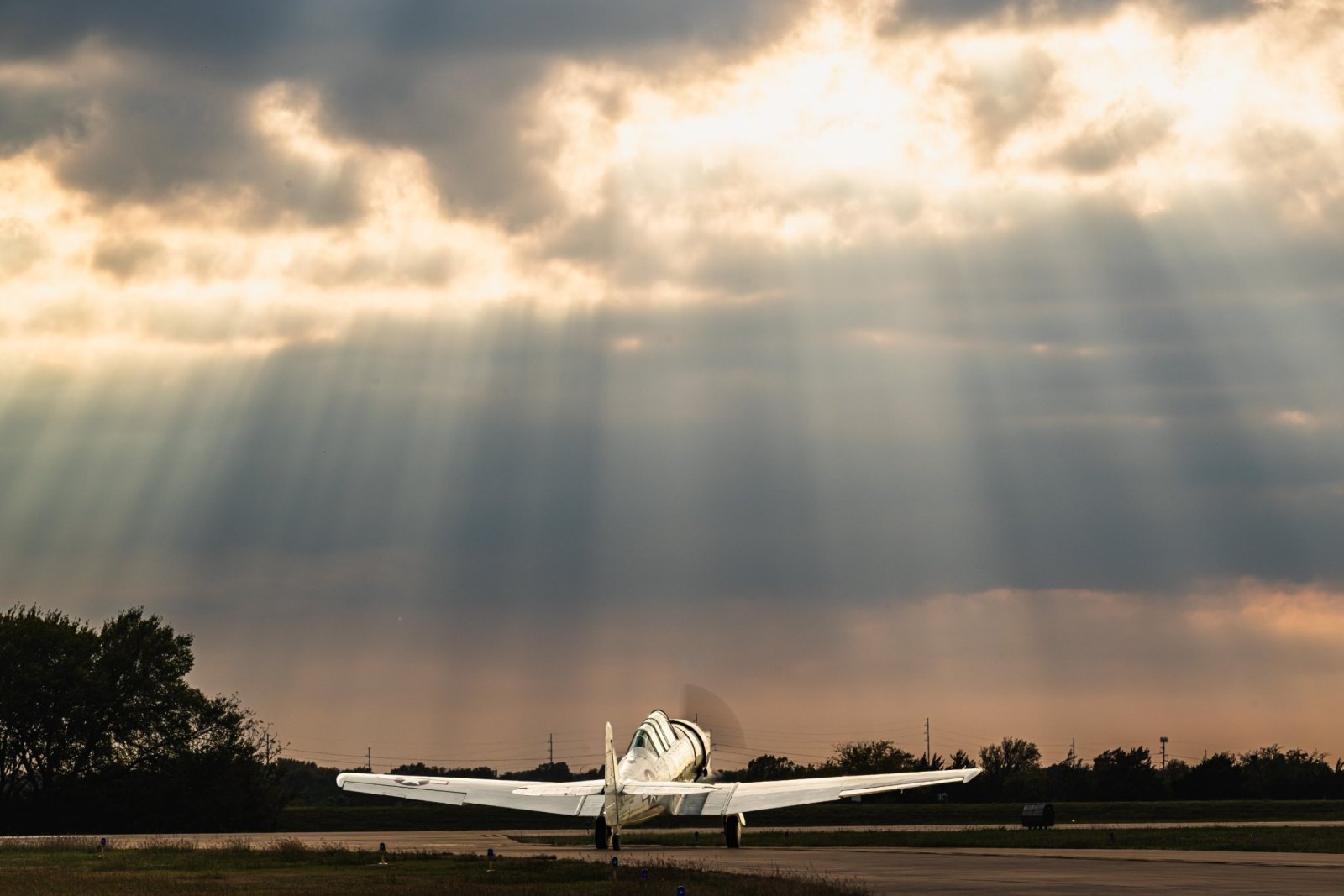
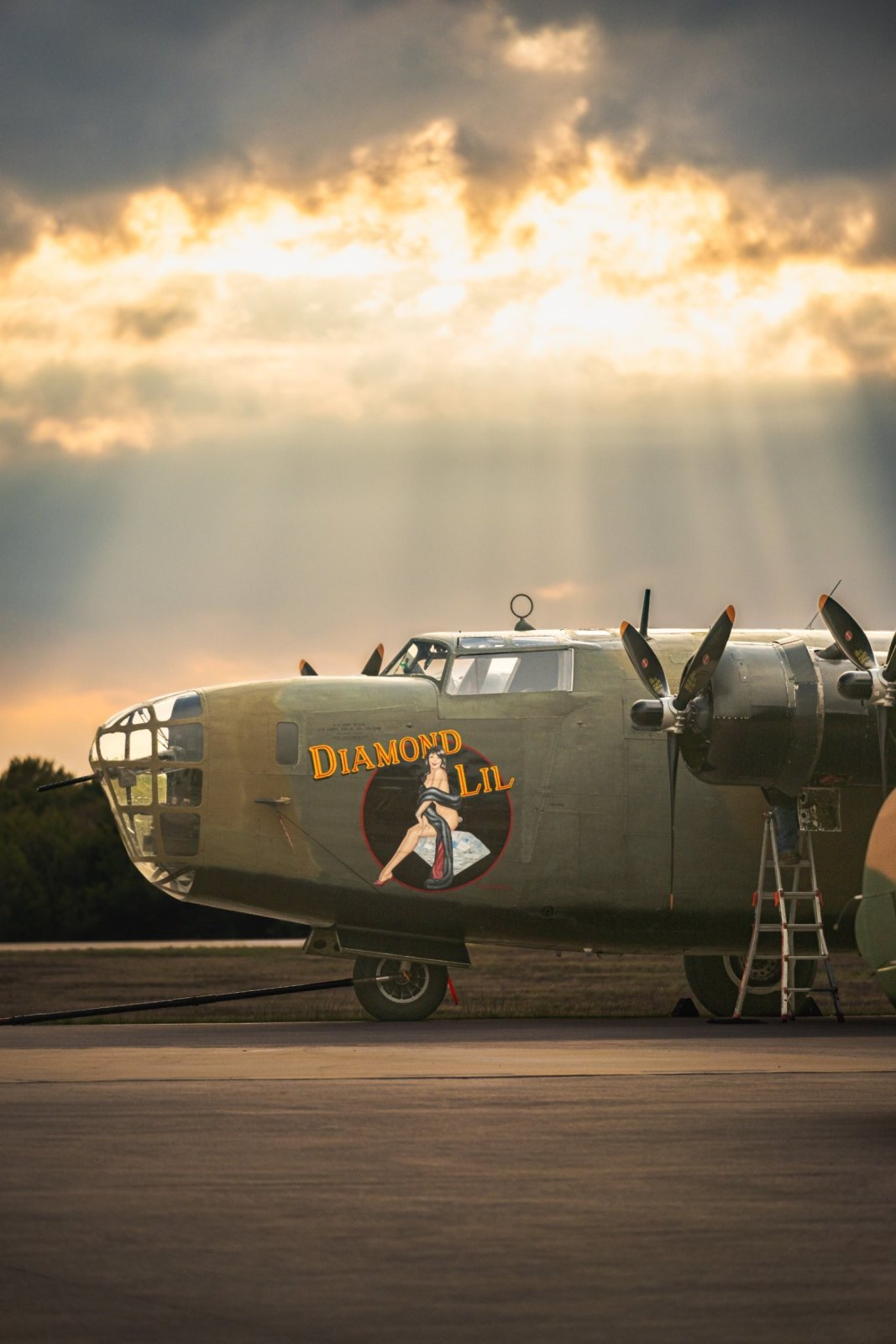
Watching rare iron taxi past never gets old. We had a gorgeous B25 Mitchell bomber rumbling across the concrete, alongside historic transports and trainers that shaped military aviation history. Getting clean frames of that B25 meant tracking its movement along the runway while timing the composition so service trucks and portable signs stayed out of the background. Every aviation enthusiast on that tarmac came to see heavy props turn, and my goal was to make sure our images felt like you were standing right there on the concrete line.
Working around crowds means you have to stay patient on the shutter. You wait for an opening between spectators, time the plane as it rolls past a clean gap in the buildings, and fire when the light hits the fuselage. When you nail that timing during Aviation Discovery Day, the shots hold up for years.
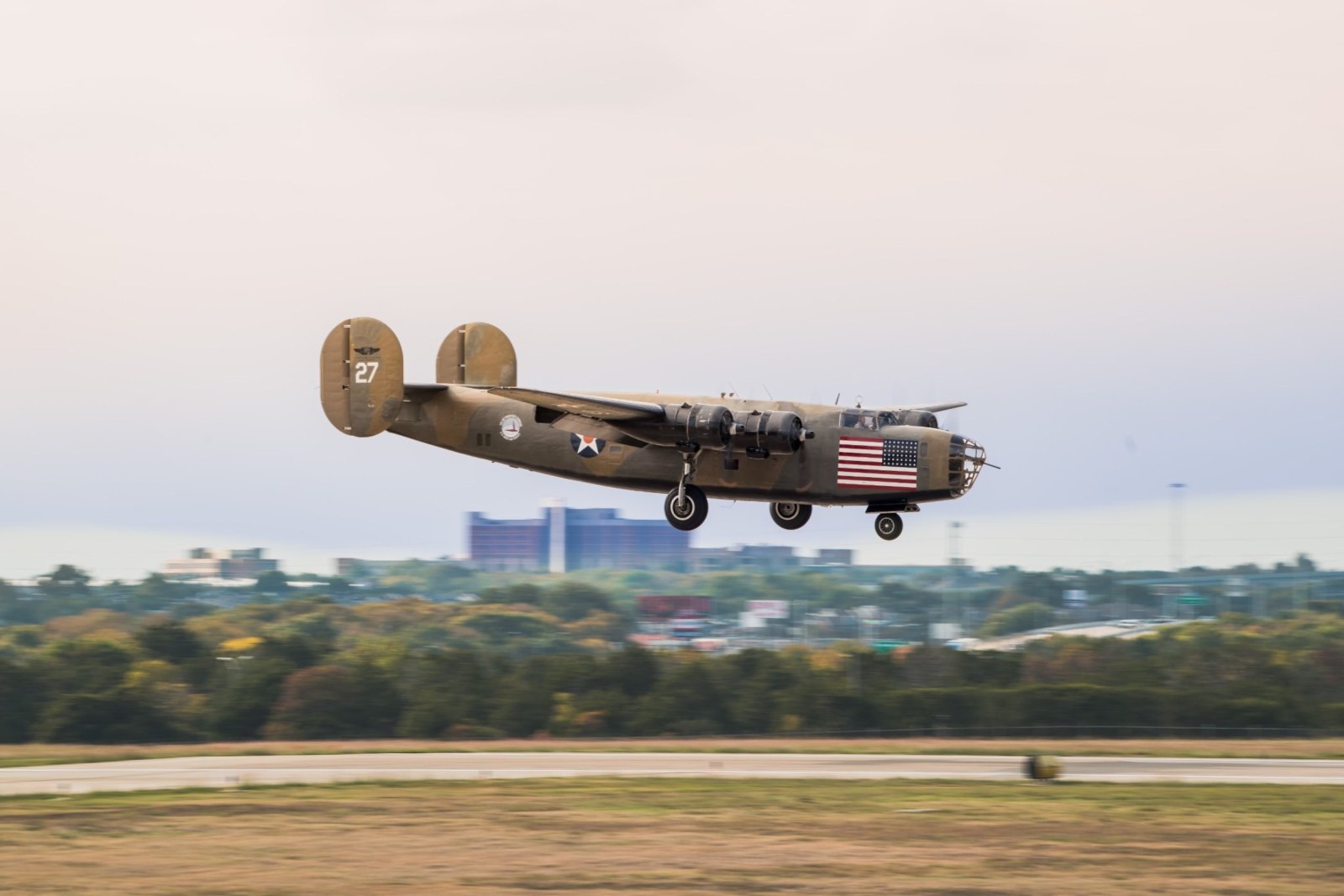
Camera gear for Aviation Discovery Day airshow coverage
Covering moving aircraft and spontaneous audience reactions on an open airport ramp requires high-speed autofocus bodies and versatile zoom ranges that handle both wide scenes and distant flight paths. Here is what stayed on my dual-camera strap all day:
- Nikon Z9 body for high frame rates, fast prop-blur shutter control, and tracking planes on approach
- Nikon ZF body paired with smaller glass for moving discreetly among crowds and catching candid smiles
- NIKKOR Z 24-70mm lens for wide environmental flight line storytelling and crowded barrier shots
- NIKKOR Z 70-200mm lens for mid-range ramp action, crew interactions, and low passes
- NIKKOR 200-500mm lens for filling the frame with vintage warbirds on final approach and takeoff
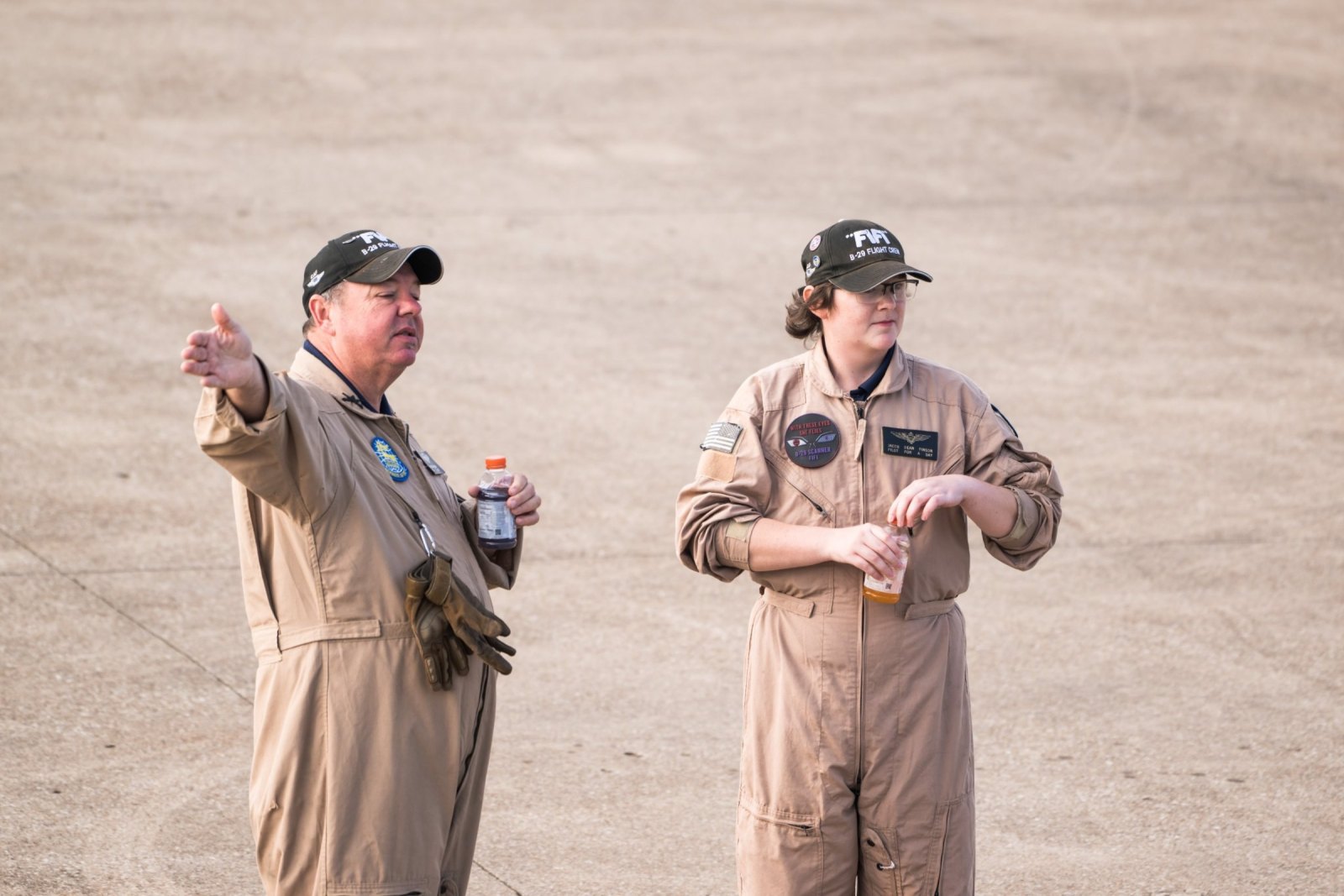
I split the kit between the heavy-duty Z9 and the nimble ZF. Having the ZF around my neck made it easy to turn around and grab quick portraits of visitors without looking like a wall of industrial equipment was pointed in their faces. Big production gear can make people freeze up, so staying agile kept the crowd shots relaxed and natural. For more behind the scenes photography and ramp work, explore our aerospace photography Dallas portfolio or look through our commercial airport work on our commercial airport photography services in Dallas, TX page.
The dual body approach saves you from swapping lenses in dusty conditions. An airport flight line kicks up grit constantly, so keeping one body long and one body wide protects your sensors while keeping you ready for unexpected passes overhead.
Capturing flight heritage from B29s to the A1 Skyraider
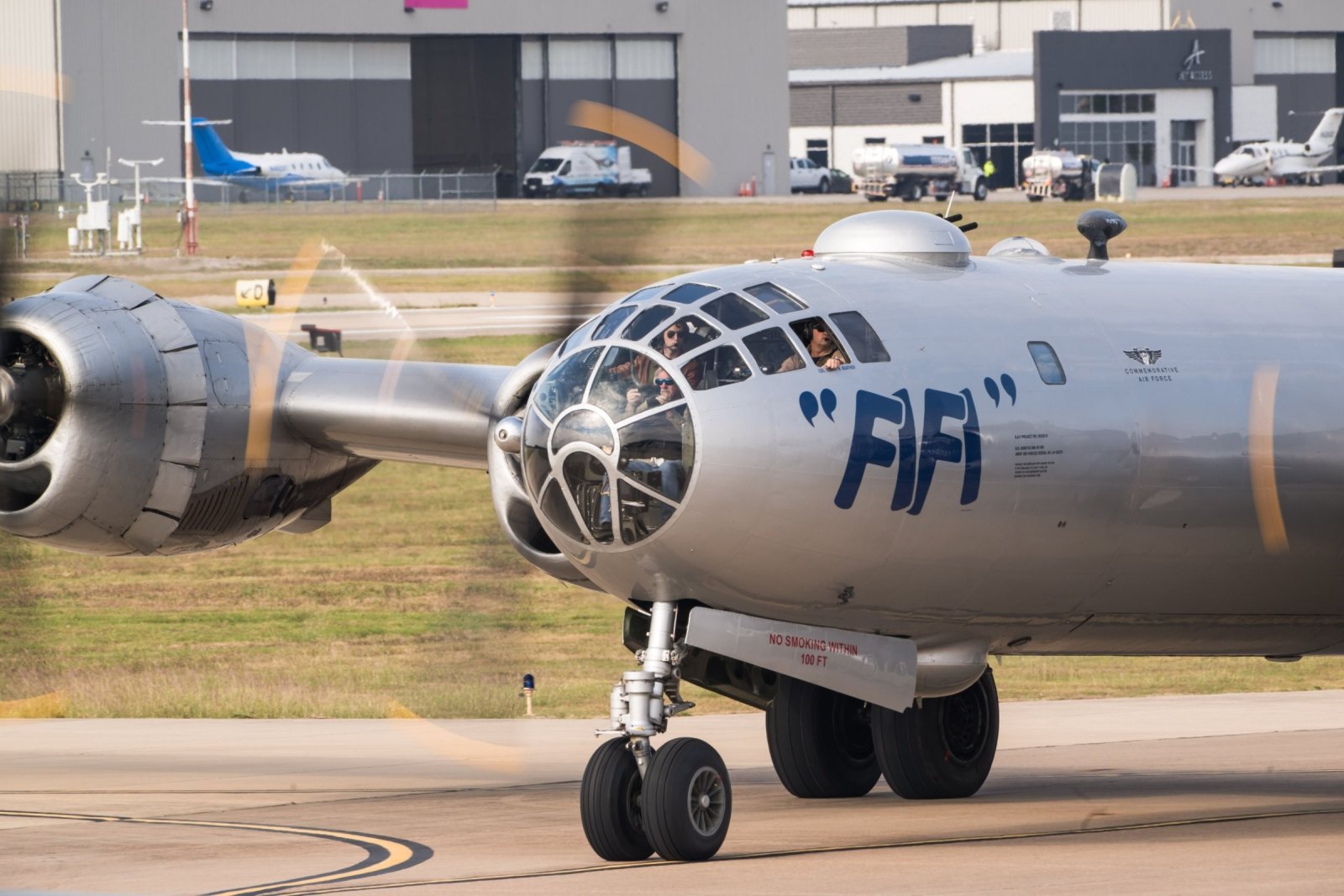
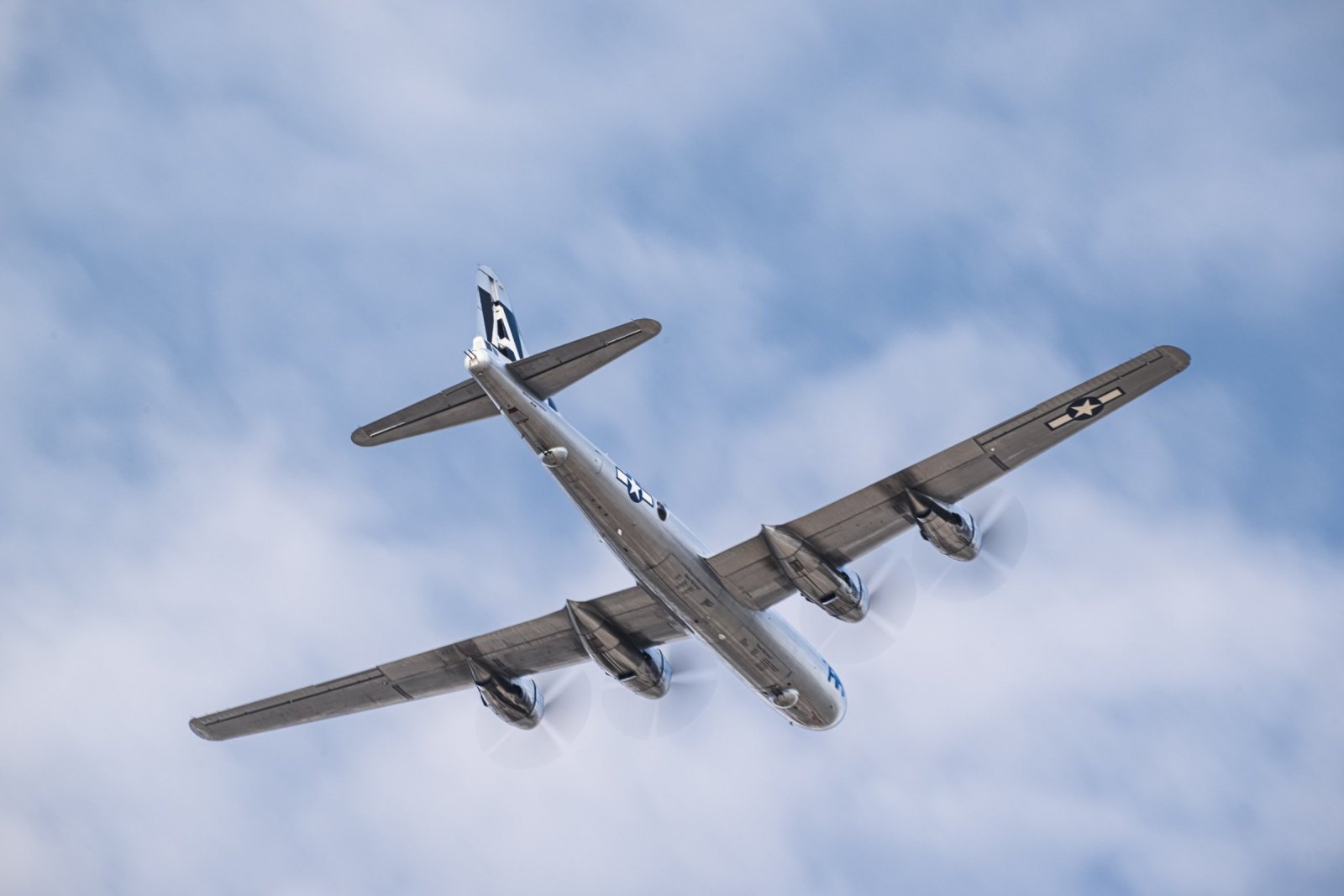
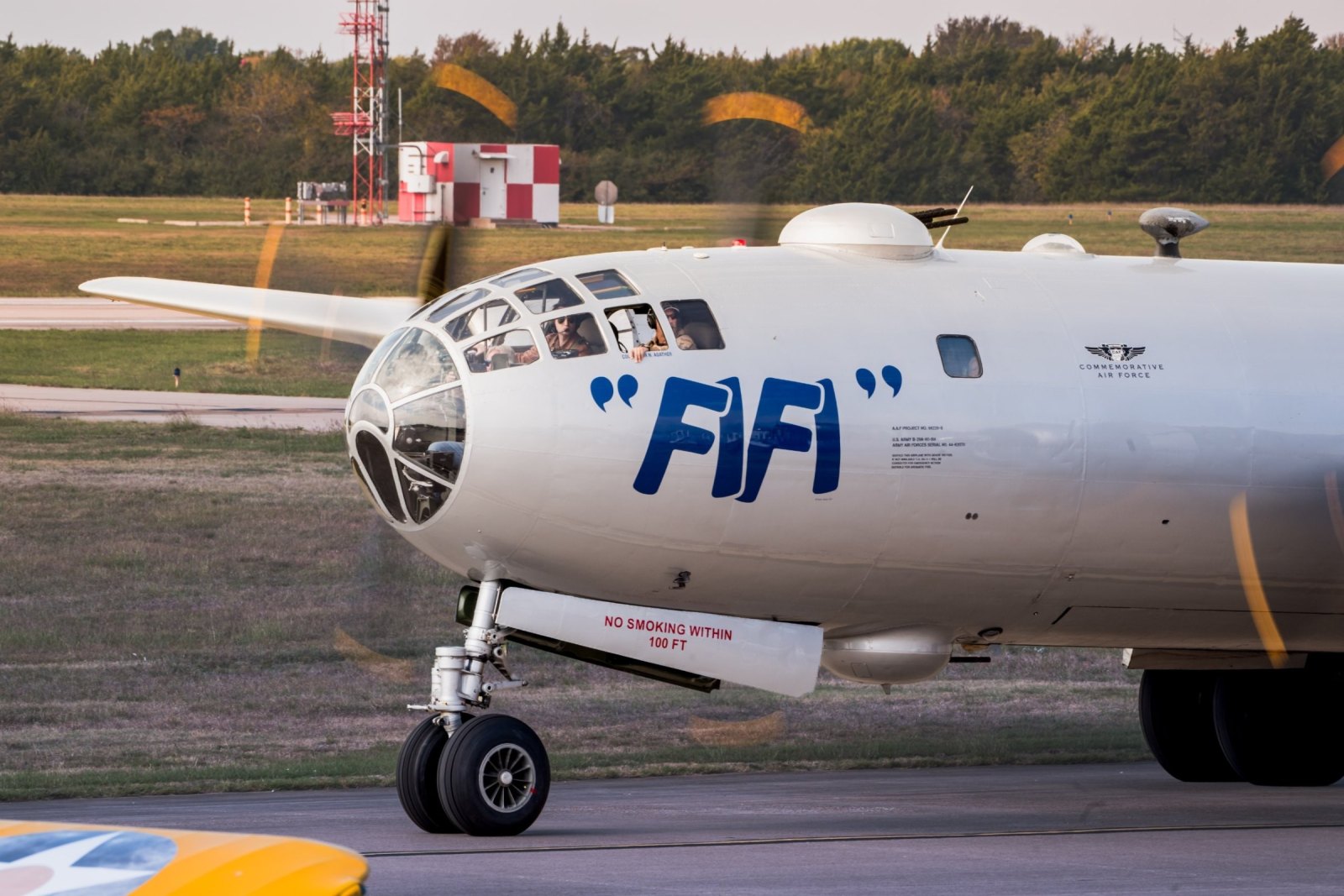
The highlight of any CAF event is seeing iconic bombers run up their engines. Seeing FIFI, one of only two flying B29s left in the world, taxi toward the active runway is an incredible experience for any aviation enthusiast. The nose glass alone is iconic, and watching the pilots run through checks in the cockpit gives you huge appreciation for the crews keeping these planes airworthy.
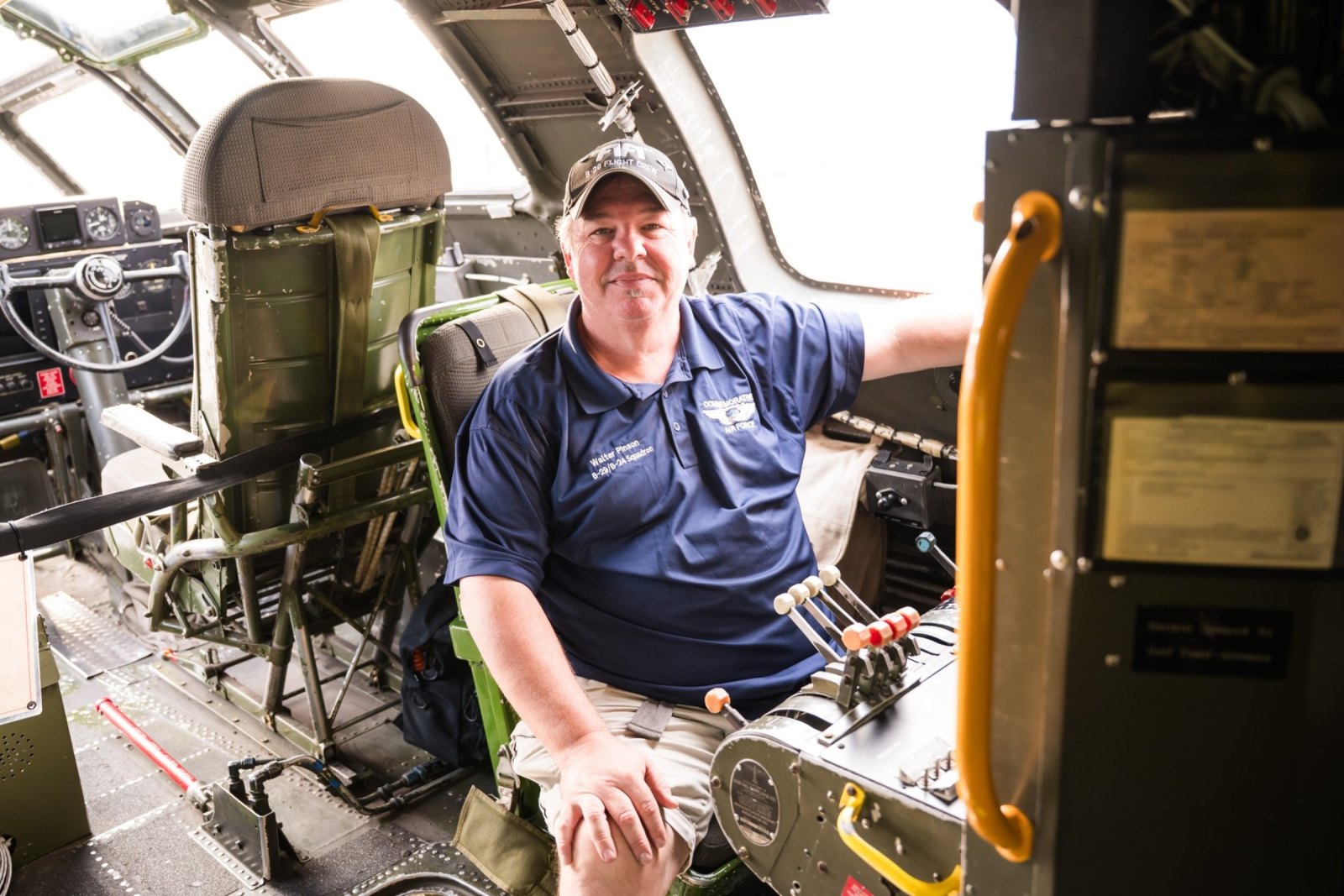
During Aviation Discovery Day, you get to witness how much labor goes into keeping rare bombers running. Historic B29s require constant hands-on maintenance, and capturing those mechanics wiping down cowlings and checking landing gear between flights gives authentic depth to the commercial library we build for event organizers. It connects the hardware to the community keeping it flying.
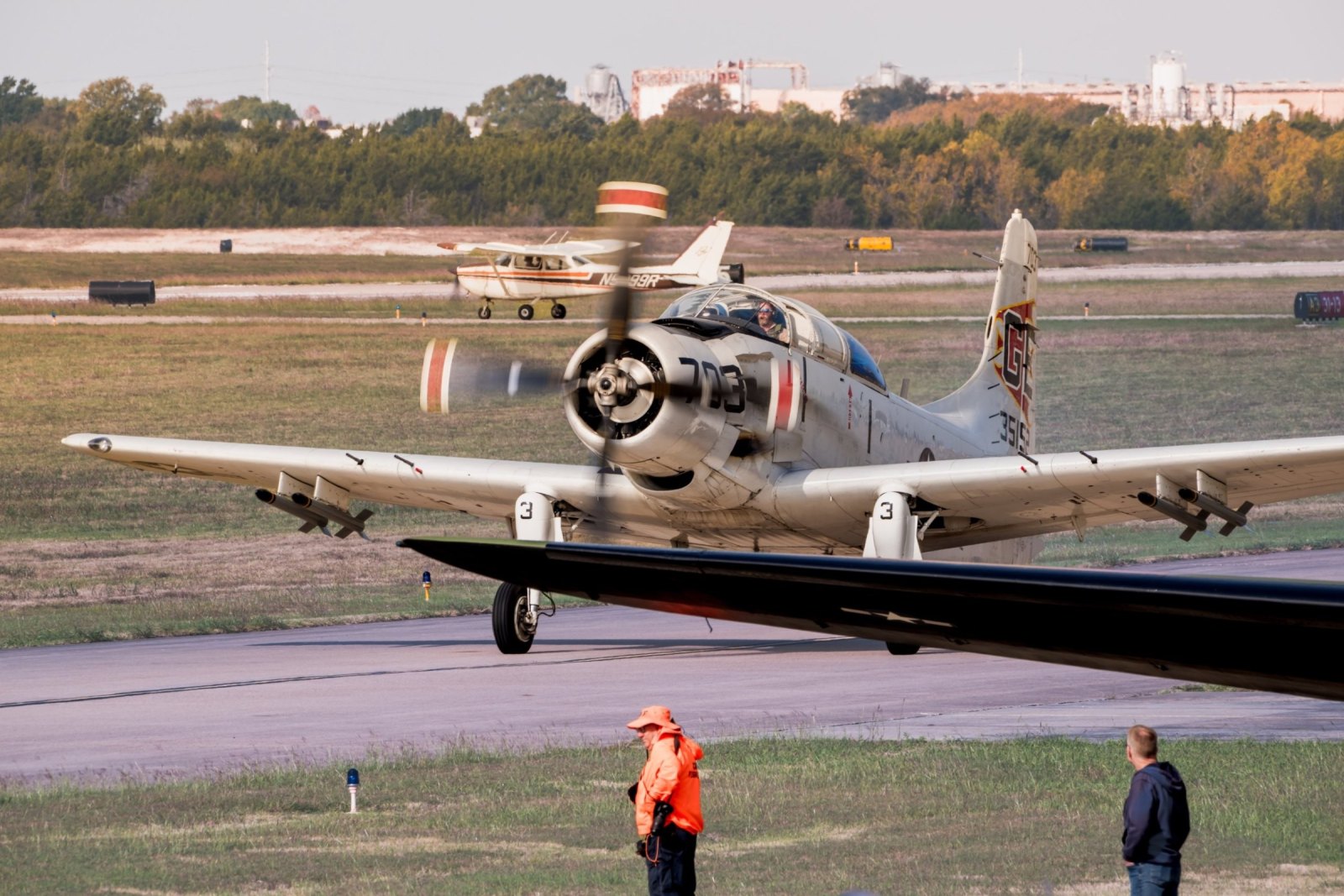
Then you hear the deep, unmistakable roar of an A1 Skyraider lining up for the taxiway. Heavy piston engines have a presence modern jets simply cannot match. For an industrial photographer DFW facilities rely on, documenting machinery from this era is a masterclass in American engineering. You feel the exhaust in your chest when they throttle up, and capturing that raw mechanical grit requires watching the prop speeds closely so blades show motion instead of freezing stiff.
That A1 Skyraider run-up was easily one of the loudest moments on the tarmac. Balancing shutter speeds around one-sixtieth or one-eightieth of a second lets you show that massive propeller turning while keeping the airframe sharp as a tack.
Special thanks to the ground operations crew and the Commemorative Air Force volunteers at Dallas Executive Airport who kept the perimeter organized and let media track the taxiways safely. Coordinating historical aircraft launches around crowds takes intense focus, and their crew made our job easy. Our work at David Loi Studios covers everything from DFW commercial photography campaigns to dynamic aviation days across the state.
If you’re working on aviation, aerospace, airport, or industrial visual content in Dallas and beyond, reach out. This is exactly what we do. davidloistudios.com
Frequently asked questions
What is Aviation Discovery Day in Dallas?
Aviation Discovery Day is a flight event hosted by the Commemorative Air Force at Dallas Executive Airport. It features ground displays, flight demonstrations, and up-close access to historic World War II aircraft for the public.
How does David Loi Studios photograph active aviation events?
We use dual-body camera setups with telephoto and standard zoom lenses to track flying aircraft while catching candid spectator reactions. Our approach focuses on clean ramp angles, safety compliance, and commercial marketing value.
What aircraft were featured at the CAF Dallas Discovery Day?
The event featured famous historic warbirds including the B29 Superfortress FIFI, a B25 Mitchell, an A1 Skyraider, and vintage military trainers. Visitors watched taxi runs, engine starts, and active flight operations.
Can you hire David Loi Studios for aerospace and aviation commercial photography?
Yes, David Loi Studios provides commercial, aerospace, and ramp photography across Dallas Fort Worth and nationwide. We photograph aircraft manufacturers, flight schools, airshows, and private aviation facilities.
Capture High-Speed Precision on Set.
From dynamic trackside action to complex studio light painting and multi-plate composites, partner with David Loi Studios for commercial automotive campaigns across Texas and worldwide.
Speak directly with David regarding upcoming shoot logistics, locations, or track permits.
Call David Loi: (214) 773-2424Request an Automotive Quote
Share vehicle specs, track or studio parameters, and timelines below.