
Automotive Photography
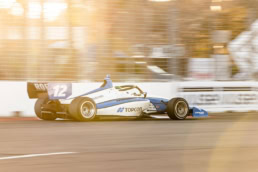
Motorsport Photographer: James Roe's Indy Lights Debut at St. Petersburg
Motorsport Photographer: James Roe’s Indy Lights Debut at St. Petersburg

As a Dallas motorsport photographer, Topcon hired me to cover James Roe at the Grand Prix of St. Petersburg for his Indy Lights debut. James is an Irish driver from Naas who came up through the ladder, and Topcon needed motorsport sponsor photography that delivered real value. I worked as a race weekend photographer and Indy Lights photographer to capture his debut from quiet garage prep to street circuit action. Back home, clients rely on our automotive photography Dallas services for similar brand coverage.
That meant two jobs in one weekend. Tell the story of a young driver stepping up to the last rung before IndyCar, and give a sponsor images worthy of the logo on his car and his suit.


What does a motorsport photographer shoot before the race?
The race is only part of it. Some of the best frames from St. Pete happened before James ever pulled out of the pit box. Him sitting quietly in his Topcon fire suit with his helmet on his knee, the Irish shamrock painted on top. Him lowering himself into the cockpit. His eyes caught in the car’s mirror while he settled in.
Those moments only last a few seconds and you only get them if the driver trusts you to be close without getting in the way. I stayed near enough to catch them and quiet enough that James could stay in his own head. A sponsor can put that kind of image on a social feed or a trade show wall, and it says more about the partnership than a logo ever could.

Shooting from the pit wall at the Grand Prix of St. Petersburg
Topcon’s access put me on the pit wall for the weekend, and that’s where a lot of the little moments live. Crew members swapping tires, an engineer leaning into the cockpit, James going over data with the team on a phone between sessions. None of it is staged. You watch the people, figure out the rhythm of the garage and wait for the moment to come to you.
Pit lane at a street race is tight and busy, and safety rules decide where you can stand. Knowing those rules before you arrive is part of the job, and it’s what keeps a photographer welcome in the same space the next time.


How do you get panning shots on a street circuit?
St. Petersburg is a 1.8 mile, 14 turn street circuit through downtown, and part of it runs across the runway at Albert Whitted Airport. Concrete walls and catch fencing line almost every corner, which makes clean angles hard to find. It also gives you great backgrounds once you do.
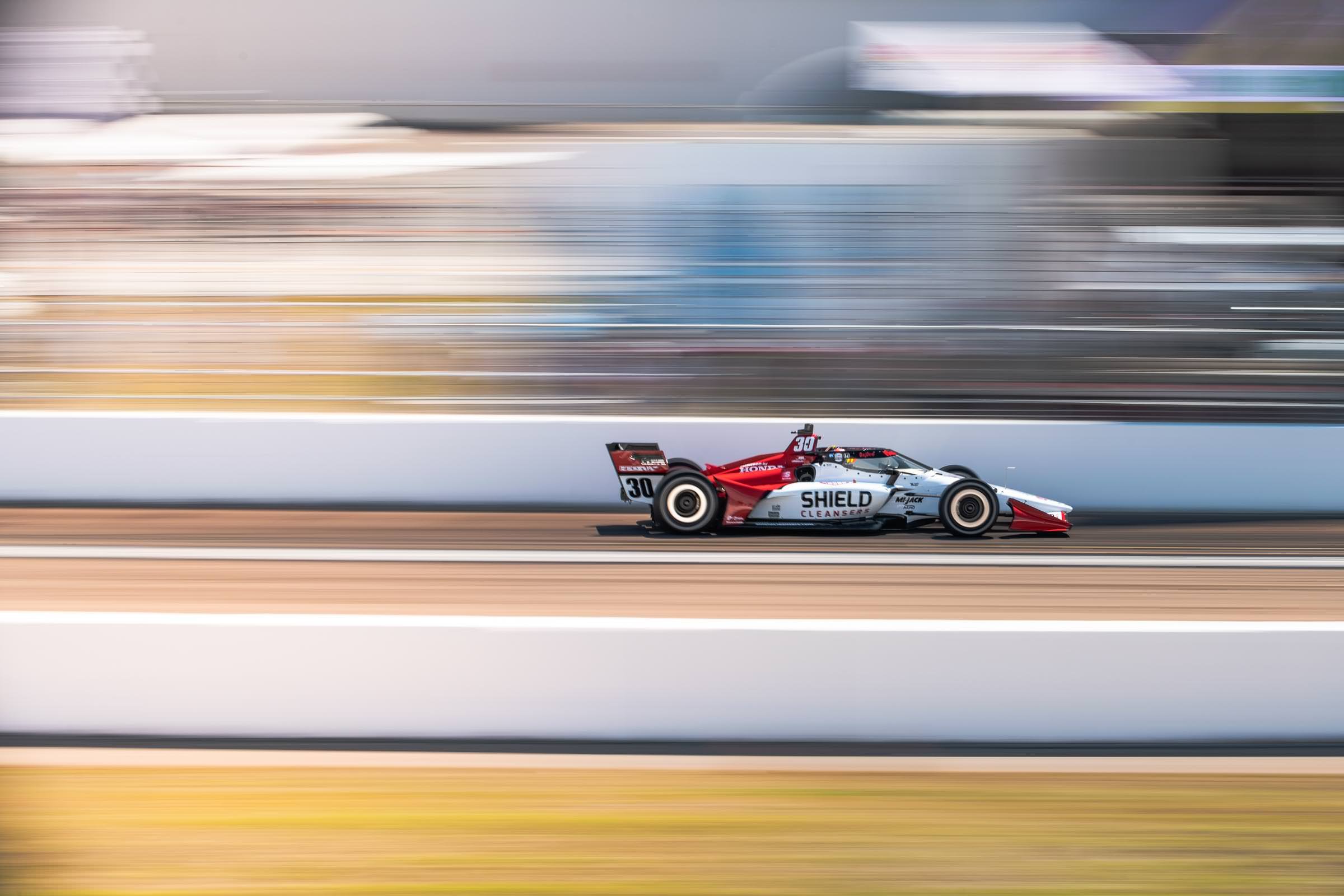
Panning was where the weekend really paid off. You follow the car with the camera at a slow shutter speed so the background streaks and the wheels spin while the car stays sharp. Late afternoon sun coming through the fencing gave some of those frames a warm glow that you can’t plan for. You just have to be standing in the right place when it happens. The start was the other moment I wanted, the whole field leaving smoke behind as the race got going.
You can see more of my car and track work on my automotive photography page.


Why sponsors hire a motorsport photographer
A sponsor’s logo on a race car only matters if people see it, and the series photographers are there to cover the race. They aren’t there to cover your brand. A photographer working for the sponsor is. Every frame I made that weekend was built so Topcon could use it, with the logo readable on the car, on James and in the garage.
Topcon has hired me more than once. I also photographed their event at Spring Mountain Motorsports Ranch, and you can see that work in my Topcon case study.
Dallas Fort Worth Motorsport Photographer Services
David Loi and David Loi Studios are based in Dallas Fort Worth, traveling nationwide for race weekends and driver programs. You can read more about David Loi Studios or view our Indy Lights portfolio case study to see how we help sponsors stand out on track. If you have a driver or brand going racing, reach out to plan your coverage.
Frequently Asked Questions
What does a motorsport photographer do for a sponsor?
I cover the driver, the car and the team with the sponsor’s brand in mind, so every image is usable for social, marketing and hospitality. Race series photographers cover the event. A sponsor’s photographer covers the partnership.
Do you photograph drivers before and after the race?
Yes. At the Grand Prix of St. Petersburg I photographed James Roe getting ready in the garage, climbing into the car and working with his team, as well as on track.
Can you get pit lane and pit wall access?
Access comes through the team or sponsor’s credentials. When Topcon hired me for St. Petersburg, I worked from the pit wall and pit lane under the series safety rules.
Do you travel outside Texas for race weekends?
Yes. I’m based in Dallas Fort Worth and travel to race weekends and motorsport events across the country, including St. Petersburg, Austin and Las Vegas.
Frequently asked questions
Do you travel outside Dallas Fort Worth for race weekends?
Yes. Based in Dallas Fort Worth, David Loi Studios travels for race weekends across the country, including St. Petersburg, Austin, and Las Vegas.
Can you get pit lane and pit wall access?
Access comes through team or sponsor credentials. When Topcon hired David Loi Studios for St. Petersburg, I worked directly from the pit wall under official series safety rules.
Do you photograph drivers before and after the race?
Yes. At the Grand Prix of St. Petersburg I photographed James Roe getting ready in the garage, climbing into the car, and working with his team, as well as high-speed track action.
What does a motorsport photographer do for a sponsor?
I cover the driver, the car, and the team with the sponsor's brand in mind so every image is usable for marketing. Race series photographers cover the event, while a dedicated motorsport photographer covers your specific partnership.

Austin Automotive Photographer: Cadillac V-Lab at Circuit of the Americas
Austin Automotive Photographer: Cadillac V-Lab at Circuit of the Americas

Cadillac brought V-Lab to Circuit of the Americas in Austin, and they hired me to photograph it. The job was to capture the ATS-V and CTS-V at speed on one of the best tracks in North America, along with the drivers, the guests and everything happening around the cars.
Two of the drivers on hand that day were Johnny O’Connell and Christian Fittipaldi. Between them they own Le Mans class wins, Rolex 24 victories and a run of championships with Cadillac. When people like that are at the track, the photos need to live up to the names.


What was Cadillac V-Lab at Circuit of the Americas?
V-Lab was Cadillac’s track experience built around the V-Series, the performance side of the brand. Participants got time at COTA with the ATS-V and CTS-V and with drivers who know those cars better than anyone, and Cadillac’s ATS-V.R race car sat on display in the garage for everyone to see up close.
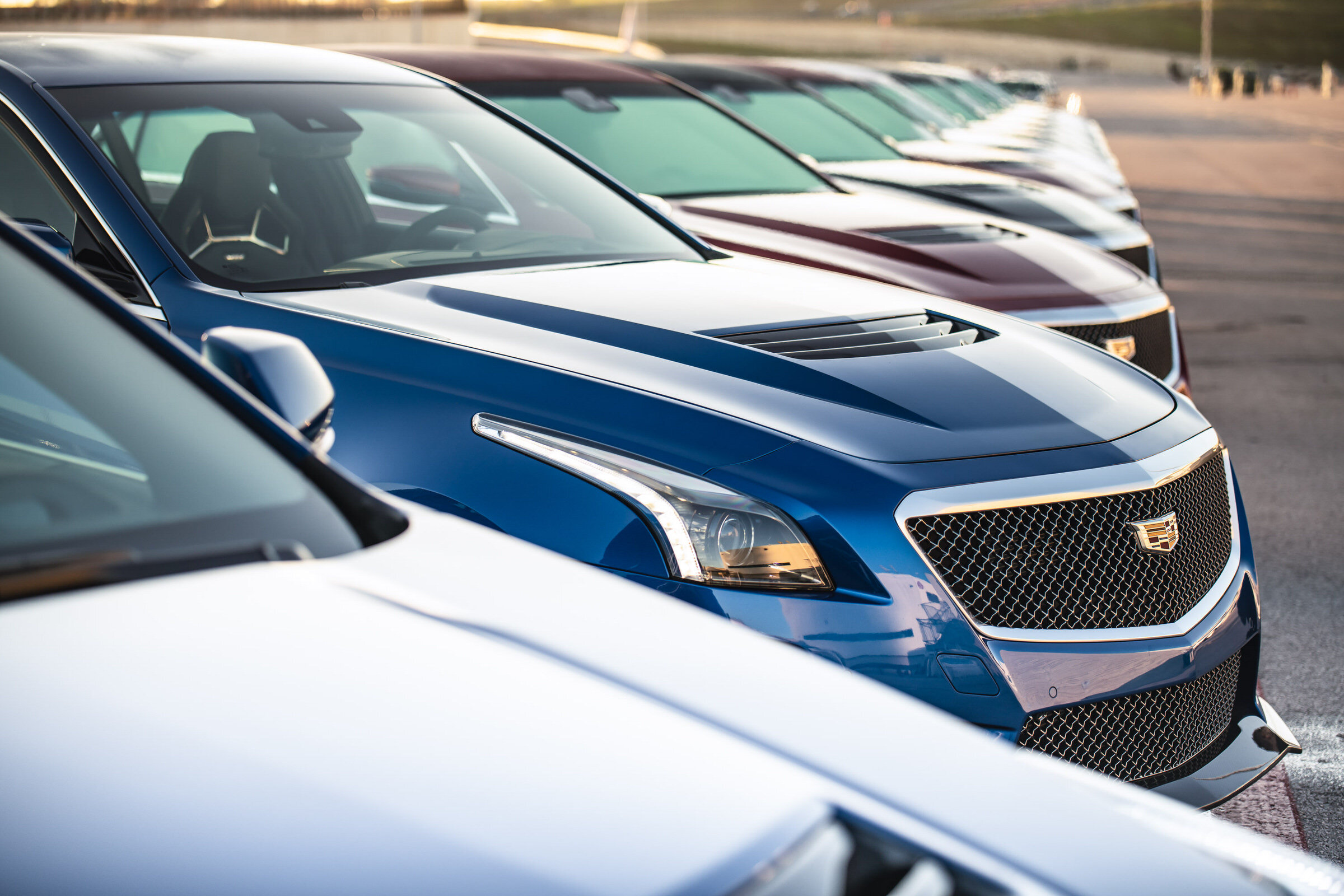
The cars gave me plenty to work with. The ATS-V runs a twin turbo 3.6 liter V6 making 464 horsepower, and the CTS-V uses a supercharged 6.2 liter V8 rated at 640 horsepower. Put them on a 3.4 mile circuit with a climb into Turn 1 that looks like a wall from the grid, and you see what Cadillac built them for.

Photographing Johnny O’Connell and Christian Fittipaldi
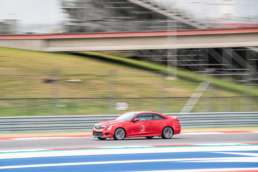
Johnny O’Connell is one of the most successful drivers General Motors has ever had. He has four class wins at the 24 Hours of Le Mans, three of them with Corvette Racing, and he won four straight Pirelli World Challenge GT championships driving for Cadillac from 2012 through 2015. His car for the day was a red ATS-V coupe wearing number 3, the same number he carried on his Cadillac race cars in World Challenge. I spent a good part of the day on that car because it was the one I most wanted to get right.
Christian Fittipaldi was there too. The Brazilian raced in Formula 1 before building a sports car career that includes three overall wins at the Rolex 24 at Daytona, the most recent one in a Cadillac.
Drivers at this level have stood in front of more cameras than most people ever will. The posed shot is easy to get. The better frames come when they forget about you, talking a guest through a corner or walking back from the car with a helmet in hand, so that’s where I put most of my attention off the track.


How do you photograph cars at speed at Circuit of the Americas?
Mostly on foot. I walked the circuit through the day and worked different corners as the light moved, which gives a client far more variety than a full day from one spot. COTA makes that worth the walk. The elevation into Turn 1, the long back straight and the quick esses each give you a different background and a different speed to work with.
Panning is the core skill at a track. You follow the car with the camera and use a slower shutter speed so the wheels spin and the background streaks while the car stays sharp. Miss the timing by a fraction and the frame goes soft, so you shoot a lot of passes to keep the handful that really work. A red ATS-V against gray asphalt and a big Texas sky gives you a strong frame before you even press the shutter.
You can see more of my track and car work on my automotive photography page.

Why hire an automotive photographer for a track event?
A track day looks easy to cover from the outside. On the ground you have cars at triple digit speeds, safety rules that decide where you can stand and a schedule that won’t wait for anybody. A photographer who knows motorsport knows where the car is going to be before it gets there, and that’s the difference between a gallery a brand can use and a folder of near misses.
Event days also move fast off the track. Guests arrive, drivers rotate through sessions and sponsors want their moment covered. I plan the day around the cars first and fill the gaps with the people, so the client walks away with track action and the human side of the event in one set.
COTA is familiar ground for me. I also photographed BMW M Track Days at the same circuit, and you can see that project in my BMW M Track Days case study.
Ready to book an automotive photographer in Austin or Dallas?
I’m based in Dallas Fort Worth and travel across Texas and beyond for automotive and aviation clients. If you have a track day, a vehicle launch or a dealer event coming up, tell me about it and I’ll tell you how I’d shoot it.



Frequently Asked Questions
What does an automotive photographer do at a track event?
I photograph the cars at speed from different corners of the circuit, along with the drivers, guests, paddock and brand details. The goal is a complete set a brand can use for social, marketing and press without needing a second shoot.
Do you photograph cars in motion at Circuit of the Americas?
Yes. I’ve photographed Cadillac V-Lab and BMW M Track Days at COTA in Austin, working on foot around the circuit to get panning shots, cornering shots and the climb into Turn 1.
Can you photograph drivers and guests along with the cars?
Yes. At V-Lab I covered Johnny O’Connell, Christian Fittipaldi and the participants as well as the ATS-V and CTS-V on track. Most brands want both, and I plan the day so neither one gets missed.
Do you travel outside Dallas Fort Worth for automotive shoots?
Yes. I’m based in Dallas Fort Worth and regularly travel to Austin, Houston and other tracks and locations for automotive clients.
What should a brand plan before hiring a photographer for a track event?
Share the run schedule, which cars and drivers matter most and where the images will be used. Track access and safety rules also decide where a photographer can stand, so it helps to confirm credentials with the circuit ahead of time.

What is David Loi’s Blueprint for Commercial Car Photography in Dallas-Fort Worth, TX?
What is David Loi’s Blueprint for Commercial Car Photography in Dallas-Fort Worth, TX?
In Texan commercial automotive photography, the difference between a static snapshot and a compelling, magazine-quality image often lies in the invisible: the light. For Dallas-based commercial photographer David Loi, the process of shooting a vehicle is less about simply documenting its design and more about orchestrating a symphony of light, shadow, and reflection.
Known for his meticulous attention to detail and his ability to turn steel into art, Loi has built a reputation at David Loi Studios by treating every car not just as a product, but as a personality. According to his professional profile, Loi’s journey from a photography enthusiast to a sought-after commercial powerhouse is defined by an relentless pursuit of technical excellence. Whether working with luxury brands or performance manufacturers, his approach remains grounded in a singular philosophy: the environment is as important as the engine.
The Art of Finding Light
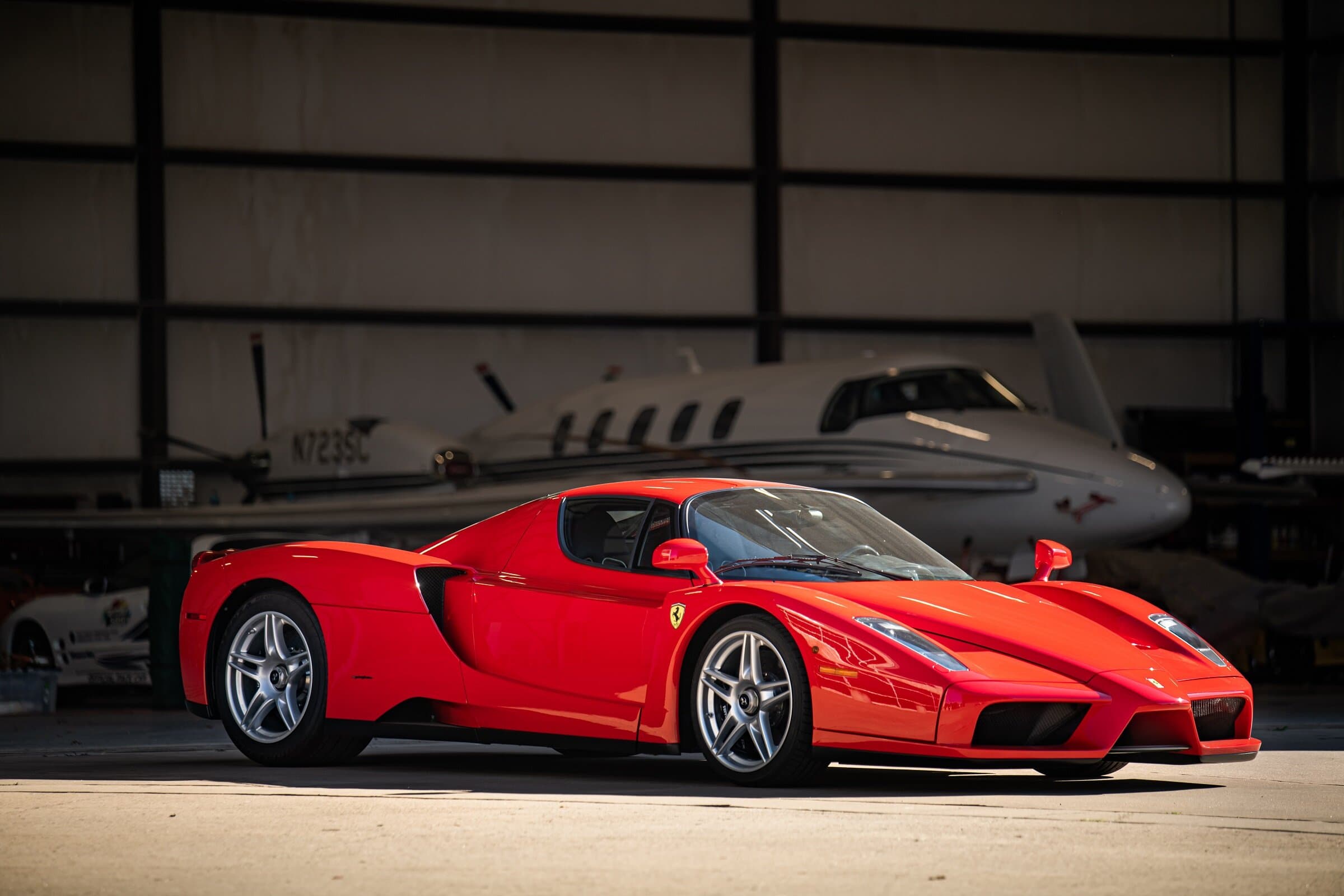
When Loi approaches a shoot, his first task is not to set up his lights, but to read the scene. “When I shoot a car, I am looking for light and background composition,” Loi explains. “This is key to make the car stand out.”
For the uninitiated, photographing a car seems straightforward. However, the reflective surfaces of a vehicle act like a giant mirror, documenting everything in its surroundings. To control these reflections, Loi looks for specific environmental cues. “It is even better if there are shadowy areas,” he notes, “because I can then put the car into part shadow to make the light pop.”
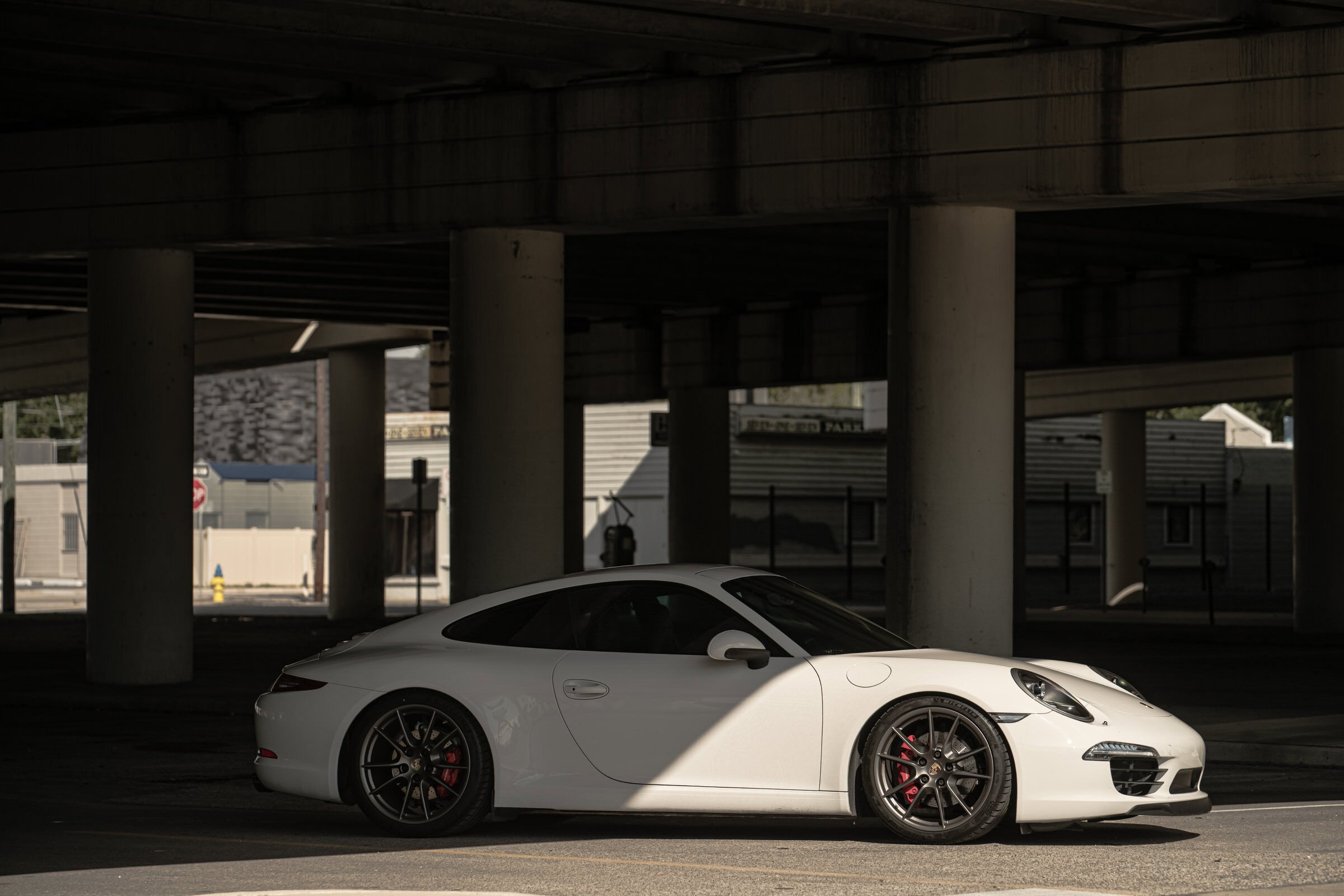
This strategic use of shadow is a hallmark of his work. By placing the vehicle in a controlled, shadowed area, he can selectively add light to emphasize the car’s lines—the body curves, the aggressive intake vents, and the silhouette of the roofline. He warns against the common pitfall of amateur automotive photographers: backlighting. “I also try to shoot with the source of light on the car and not in the back,” he says. “Otherwise, too much of the car is in the shade.”
To achieve the crisp, clear look that characterizes his portfolio, Loi relies on essential tools, specifically the circular polarizer. This filter is his primary weapon against the harsh, unwanted glare that can ruin the sheen of a vehicle’s paint. By rotating the filter, he can cut through surface reflections, revealing the true color and texture of the car’s finish.
The Technical Workflow: Compositing Perfection
Loi’s workflow is a testament to the fact that modern photography is as much about digital precision as it is about camera settings. He often eschews the idea of a single “perfect shot” in favor of a layered approach.
“I also like to use the camera on a tripod and then use multiple images to combine in post,” Loi says. This technique, often referred to as light painting or composite photography, allows him to capture the car from multiple angles while moving lights around the vehicle. By isolating specific highlights and shadows in different frames, he can composite the final image to ensure that every contour of the car is perfectly illuminated—a result that would be nearly impossible to achieve with a single flash setup.
The Arsenal: Gear That Delivers
Reliability is the backbone of any commercial production. If a light fails or a battery dies during a client-booked slot, the financial and reputational cost is high. Loi keeps his kit lean, effective, and professional.
At the heart of his system is the Nikon ecosystem. “I use the Nikon Z9 mirrorless camera with a ZF as a backup,” he notes. “If needed, I can rent a Z9 for backup if the job requires high resolution.”
His support gear is built to handle the complexities of large-scale automotive shoots. “I use Cheetah Stand C12s for my stands, as well as Cheetah Stand rolling booms,” Loi shares. When dealing with large light sources, stability is paramount, and he uses the Cheetah Stand heavy-duty boom to support the massive scrims required to diffuse light over the surface of a vehicle.
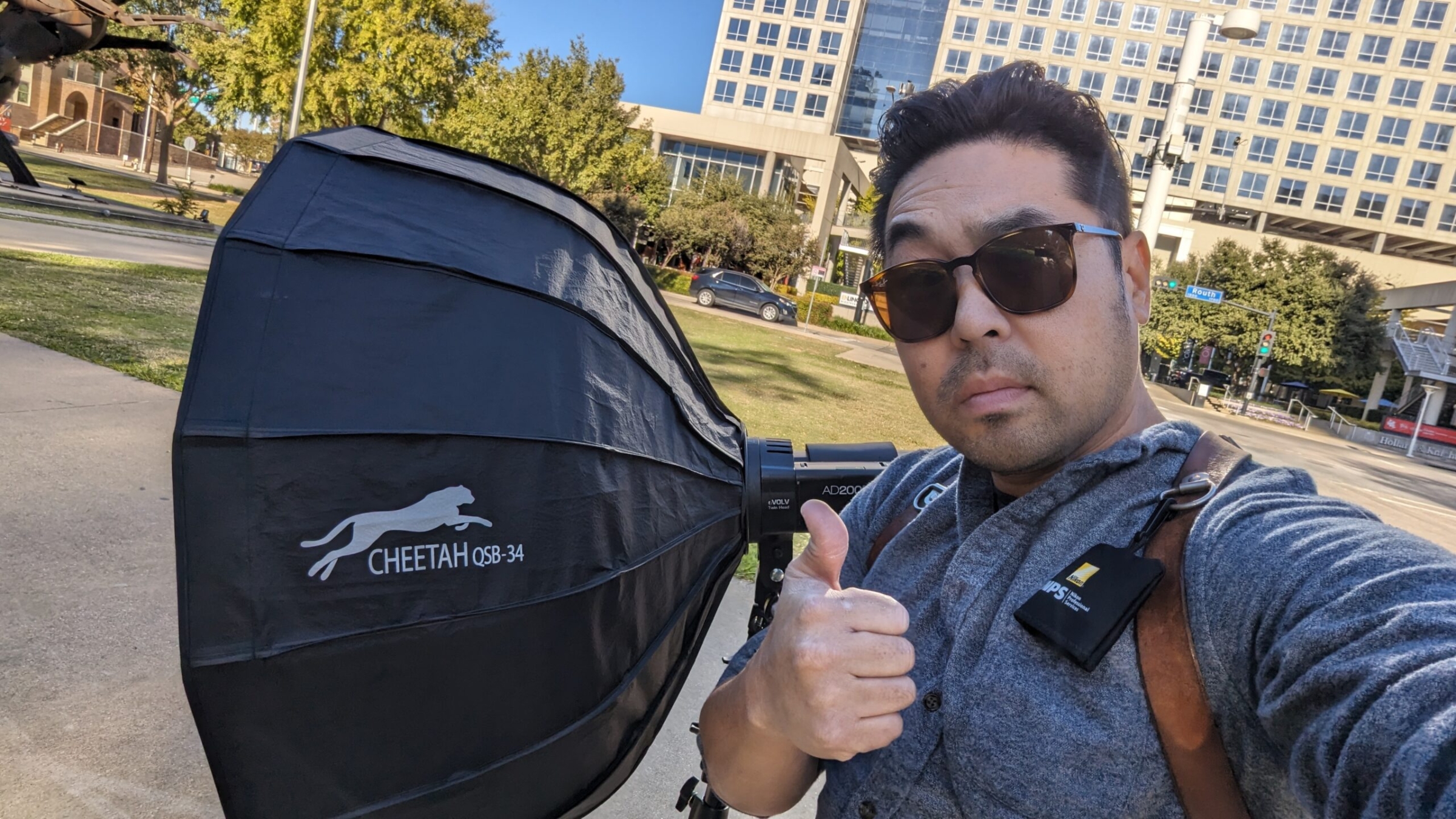
For illumination, Loi has transitioned away from his earlier gear to more powerful, versatile options. “My lights are Westcott FJ800s and FJ400s for really large jobs that require strong light,” he says. He pairs these with a variety of light modifiers to shape the output: “I couple them with Cheetah Stand QPB48 and QPB36 parabolic softboxes. I would also use QSB34 softboxes, QSB26 softboxes, and 12×55 strip boxes.”
Though he previously utilized Godox AD600s, Loi finds that the extra power of the FJ800s provides the punch required to compete with ambient daylight or to cover large areas of a vehicle’s bodywork during a composite shoot.
The Client Experience
Commercial photography is a service-based industry, and keeping the client informed and satisfied is essential. Loi treats the “digital darkroom” as a collaborative space.
“For tethering, I use FTP tethering linked to my laptop with a MacBook Pro and a Cheetah Stand mobile tethering station to show clients my photos,” he explains. By tying his laptop to a dedicated monitor, the client can watch the composition evolve in real time, building trust and excitement throughout the shoot. To ensure he never runs out of power during a long day on location, he relies on a 1000W Anker battery system to keep his laptop and peripherals running smoothly.
Beyond the major electronics, Loi carries an array of “helper” tools that save the day during the final stages of a setup. “I also carry a lot of smaller accessories like mirrors, blotting paper, cables, clamps, and flags as well to control light,” he says. It is in these details—the subtle flag to kill a stray reflection, or the mirror to bounce a tiny bit of light into a dark wheel well—where the true artistry of David Loi resides.
For Loi, the process is never truly “finished” until the light, the shadow, and the machine are in perfect harmony. By combining advanced lighting techniques, high-resolution gear, and a relentless focus on the environment, he ensures that every car he photographs tells a story of speed, luxury, and intentional light.
Capture High-Speed Precision on Set.
From dynamic trackside action to complex studio light painting and multi-plate composites, partner with David Loi Studios for commercial automotive campaigns across Texas and worldwide.
Speak directly with David regarding upcoming shoot logistics, locations, or track permits.
Call David Loi NowRequest an Automotive Quote
Share vehicle specs, track or studio parameters, and timelines below.
Chasing the Curve: David Loi’s Play of Light, Shadow, and Speed to Sell the Automotive Dream
Chasing the Curve: David Loi’s Play of Light, Shadow, and Speed to Sell the Automotive Dream
The challenge of automotive photography in Texas or elsewhere is unique: capturing a static object—a machine built of reflective paint, glass, and polished chrome—and making it breathe with speed and desire. It’s an act of visual alchemy, where a photographer must become part engineer, part sculptor, and part storyteller. Few masters the delicate balance of technical precision and artistic vision quite like David Loi.
Loi isn’t just shooting cars; he’s documenting an emotion, a fantasy, and a promise of what life behind the wheel could be. His work, often featured in high-end commercial campaigns, doesn’t rely on brute-force lighting or obvious post-production tricks. Instead, it’s a calculated dance between light, location, and geometry. We sat down with Loi to dissect his method, revealing a foundational truth of the craft: the single most critical element in automotive photography isn’t the camera, the lens, or the software—it’s the photographer’s eye for subtle, directional light.
I. The Sculptor’s Light: Carving Mass with Shadow
In the hyper-competitive world of commercial imagery, flat light is the enemy. Flat light renders a million-dollar machine with all the drama of a dusty filing cabinet. Loi’s philosophy centers on the precise application of light and, more importantly, the strategic use of shadow to define and dramatize a vehicle’s form.
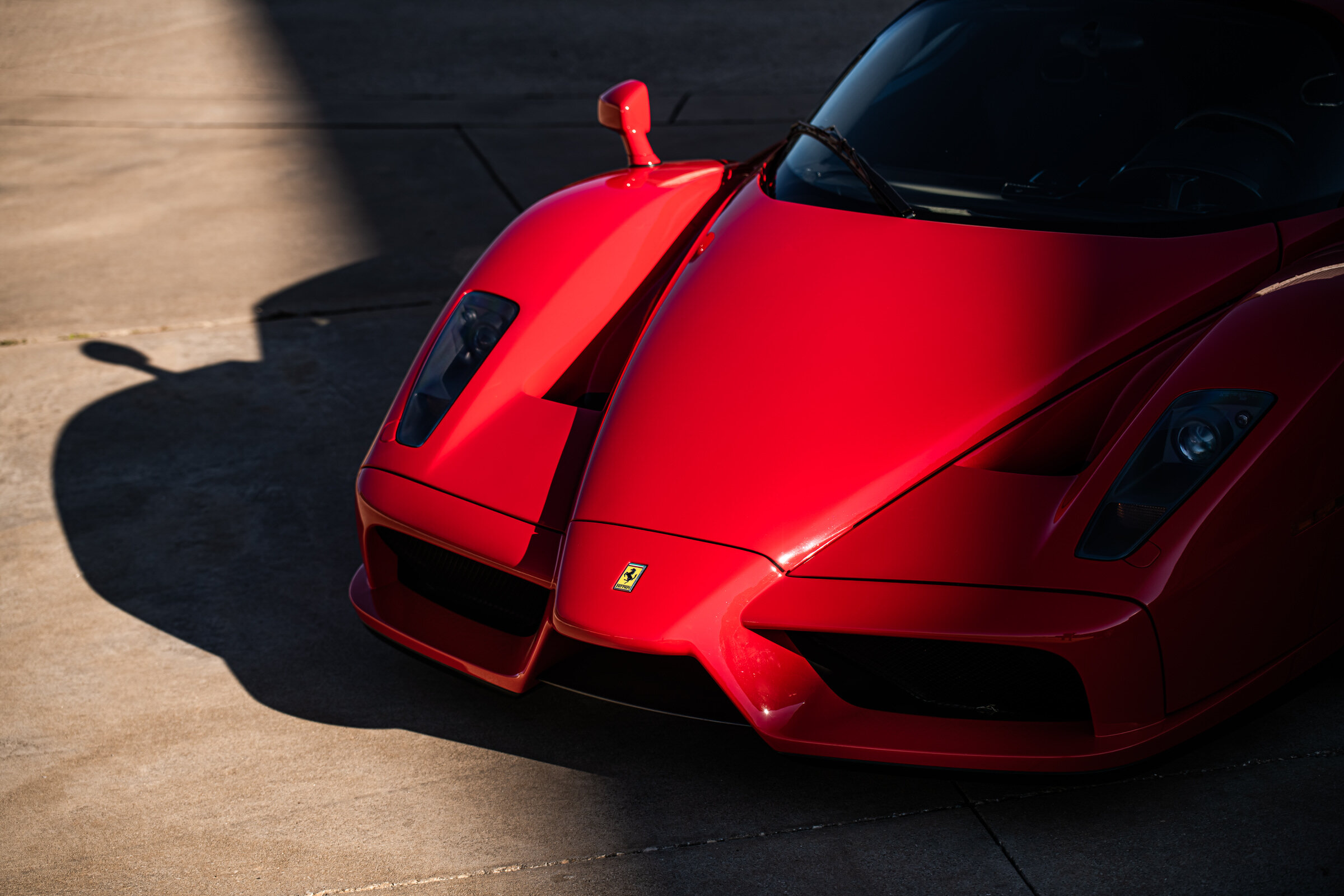
“For automotive photography, I gravitate toward golden hour or blue hour,” Loi explains, referring to the brief, precious periods immediately after sunrise or before sunset. The appeal of these hours isn’t just the warmth or the color shift; it’s the directionality. The sun sits low on the horizon, casting long, raking shadows that visually etch the subtle character lines of a vehicle’s body. This directional light is the chisel that carves mass into the metal.
Loi views shadows not as absences, but as compositional tools. “I use shadows to hide and make cars much more dramatic, helping them stand out in the image,” he notes. A well-placed shadow can add a layer of intrigue, allowing the viewer’s imagination to fill in the unseen portions of the vehicle. This deliberate visual mystery—hiding part of the silhouette—communicates the car’s sculptural quality far more effectively than harsh, all-encompassing brightness.
“Light is great because it can be used to accentuate shapes and curves that might be otherwise missing in flat lighting,” Loi stresses. This is why he actively avoids non-directional light, particularly the harsh, overhead glare of mid-day. The challenge of shooting under a high noon sun, where light flattens surfaces and creates unpleasant, sharp hot spots, is something Loi identifies as a constant “annoying flaw.” It requires immense skill in post-production, often making the task harder than simply waiting for better natural conditions.
Augmenting the Environment: The Kiss of Strobe
While natural light sets the stage, Loi is prepared to intervene. His tools include the reliable Cheetah Stand and Godox Strobes. These aren’t used to overpower the sun, but to refine the details. They provide a “kiss of light” to enhance interiors, bring out small details in dark wheel wells, or subtly define a feature that the ambient light missed.
This precise enhancement extends to the notoriously tricky task of shooting the cockpit and interior. Modern car interiors are often a minefield of reflective surfaces, from infotainment screens to glossy trim. Loi’s technique is a blend of additive and subtractive lighting.
“A car’s interior can be enhanced with a strobe and a Cheetah Stand softbox,” he reveals. The softbox diffuses the harsh flash, turning it into a controllable pool of light that mimics the soft, even wash of professional studio lighting. This is then meticulously balanced against the environmental light bleeding in from the outside. To tackle the inevitable glare on glass and screens, Loi relies on a non-negotiable accessory: the polarizer. A circular polarizer is essential for cutting distracting reflections, allowing the rich textures of leather, stitching, and carbon fiber to take center stage, rather than having the viewer distracted by the reflection of the camera or the sky.
II. The Cartography of Desire: Location and Storytelling
Loi understands that a car does not exist in a vacuum. It is an artifact of transportation, yes, but more importantly, it is a key component in a lifestyle narrative. The location, therefore, must function as a complementary character—not merely a backdrop.
“Depending on the kind of car, I try to put it in a location that the owner might be imagining them enjoying the drive in,” he explains. This is the heart of commercial automotive imagery: selling the dream.
The choice of setting is never random; it’s an act of deep empathy with the car’s intended user. If the subject is a high-performance sports car, the environment must scream speed, precision, and adrenaline—a race track or a clean, winding canyon road. If the subject is a rugged, off-road truck or SUV, the setting shifts dramatically to reflect utility and freedom—a farm, a secluded campsite, or a dusty trail. The location provides the aspirational context. Loi is there to validate the fantasy: “I am there to help sell the dream of what you can see yourself in.”
This location-centric storytelling is the first layer of the visual narrative. The second layer is built around the car itself, through the identification of its unique design language.
Identifying the Signature Element
When approaching a new model, Loi begins with a forensic analysis of its design. He is searching for the distinctive shape or pattern that differentiates it from the rest of the market. These elements are the focal points around which the entire shoot’s visual story is constructed.
“Usually, you’ll see design elements in the headlights or the nose,” he notes. Modern lighting clusters, from complex LEDs to sculpted daytime running lights, are often the aesthetic signature of a marque. Beyond the front fascia, he looks for character lines—the subtle creases and folds engineered into the side panels. These lines, which often dictate how light flows across the vehicle, are enhanced using the directional light and strategic shadows he is so skilled at creating. By focusing the viewer’s attention on these signature elements, Loi ensures the photograph doesn’t just show a car, but that specific car, communicating its brand identity instantly.
Loi’s technique for translating abstract brand concepts—like “rugged durability” or “opulent luxury”—relies heavily on this blend of vehicle and environment. The luxury sedan is placed in front of polished marble or sleek urban architecture, often paired with people whose fashion and bearing embody affluence. The rugged utility vehicle is cast against the raw power of nature, perhaps with a subject wearing utilitarian gear, suggesting capability and adventure. In both cases, the location and the people in the photos become the tangible cues that convey the abstract concept.
III. The Art of the Compressional Blur: Motion and the Magic Lens
A photograph of a stationary car is a portrait; a photograph of a moving car is an action film. Loi is a master of capturing motion, transforming the inherently static nature of a photograph into a dynamic experience that conveys a genuine sense of speed.
His foundational technique for motion is classic, yet flawlessly executed: slowing down the shutter and panning with the car. By dropping the shutter speed (often to fractions of a second like 1/30th or 1/60th) and smoothly tracking the vehicle’s movement, the photographer renders the car sharp and clear while the background streaks into a beautiful, linear blur. This blur is the visual shorthand for velocity. Crucially, the slow shutter also allows the wheels to show movement—a spinning tire is indispensable for confirming the sense of motion. A fast shutter speed that freezes the wheels makes the car look like it’s simply parked on a moving background.
When capturing these high-speed moments, or indeed, any shot that frames the entire vehicle, Loi champions a lens often favored by portrait photographers, yet overlooked in the wider world of automotive work: the 70-200mm telephoto lens.
“I think the perfect car photography lens is a longer lens, like the 70-200,” he asserts. The reason is simple and tied directly to the physics of perspective. Shorter, wider lenses tend to distort a car’s form, making the nearest components look unnaturally large and stretched, which can make the car appear bulbous or toy-like. The longer focal length, conversely, provides a highly sought-after effect known as compression.
Lens compression visually “flattens” the scene, drawing the background closer to the subject. This is critical in automotive work because it ensures the car looks visually correct in weight and proportion, rendering the vehicle’s geometry faithfully, while making the background a densely packed tapestry of color and texture directly behind the car. This compressed perspective is key to the high-impact, professional aesthetic seen in commercial car ads.
A Disregard for Dogma: Rules are Made to be Broken
In composition, Loi’s approach is one of informed rebellion. While he knows and understands the classic rules—the rule of thirds, leading lines, framing—he treats them as mere starting guidelines.
“I break the ‘classic’ rules all the time,” he admits. The justification for this deliberate breaking of dogma is simple: results. “As long as the photos look good and people are being drawn to the photos, I think it’s worth the effort to break.”
Loi’s goal isn’t to create a geometrically perfect image, but an emotionally resonant one. If a centered, symmetrical shot creates the strongest emotional punch, or if placing the car right up against the edge of the frame generates a dynamic tension, he will do it. For him, client satisfaction and visual impact supersede antiquated academic mandates. The visual effect he is always aiming for is impact and engagement—if the image is compelling and successful, then the composition is justified.
IV. The Unseen Choreography: Post-Production and Precision
The work doesn’t end when the shutter clicks. While many assume post-production is dominated by complex digital manipulation, Loi reveals that the single most critical, time-consuming, and demanding part of his workflow is an invisible one: precision placement.
“It takes a lot of time to move a vehicle into the correct light aligned in a good location to make sure that the lighting and subject shows off the car in the best possible way,” Loi observes.
While this step happens before the final capture, it dictates the commercial quality of the image and is, in essence, the defining element of the pre-visualization process that leads to post-production success. When a photograph looks perfect—the headlight glints just so, the character line is perfectly highlighted, and the background falls away with ideal compression—it’s not luck. It is the result of countless incremental adjustments, often involving physically moving a half-ton vehicle by mere inches.
“Getting this done just right can be very time consuming as you’re always moving the car around to the direction of the light and the background.” This patient choreography in real-time saves hours of digital repair later.
Avoiding the Pitfalls
In addition to the inherent challenge of high-noon lighting, Loi highlights a specific, seemingly small flaw that plagues commercial automotive shoots: the angle of the steering wheel and tires.
“Also having the steering wheel turned away from the car, showing the tread of the tires is not a good look either,” he notes. In high-end commercial imagery, the tires should generally be turned into the car, showcasing the clean sidewall or the aggressive stance of the wheel face, not the dirty, unappealing tread. These subtle details, invisible to the casual viewer, are the hallmarks of a professionally executed shoot.
The Unforeseen Save
Loi’s commitment to delivering the vision was tested during a recent shoot that required a complete pivot. The original concept was cinematic and high-octane: drag races between cars and airplanes.
“We once had a photoshoot with cars drag racing some airplanes but we had to change due to an issue with the airplanes,” he recalls. This sudden, dramatic shift in logistics could have sunk the entire project. Instead, Loi and his team made a spontaneous creative decision that saved the day. “We found a race track instead and changed up the subjects so that it still met expectations.” They utilized the readily available environment to create a new, but equally compelling narrative centered on speed and performance, ensuring the client’s core objectives were still met, even if the visual was different from the initial pitch.
Selling the Fantasy
David Loi’s approach to automotive photography is a masterclass in controlled chaos and intentional design. It is built not on chance, but on a deep understanding of physics, geometry, and psychology. He uses the fleeting glow of the golden hour to sculpt form, a telephoto lens to respect proportion, and shadows to inject drama.
Ultimately, Loi’s work isn’t merely about documenting metal and rubber; it’s about selling the fantasy of ownership, adventure, and performance. Every decision, from the choice of lens to the fractional movement of the car, is calculated to make the viewer imagine themselves enjoying the ride. He is the visual cartographer of the open road, ensuring that the dream of the drive is captured long before the key is turned in the ignition.

Capture High-Speed Precision on Set.
From dynamic trackside action to complex studio light painting and multi-plate composites, partner with David Loi Studios for commercial automotive campaigns across Texas and worldwide.
Speak directly with David regarding upcoming shoot logistics, locations, or track permits.
Call David Loi: (214) 773-2424Request an Automotive Quote
Share vehicle specs, track or studio parameters, and timelines below.

Seeing and Being: David Loi’s Art of Capturing Stories with the Lens
Seeing and Being: David Loi’s Art of Capturing Stories with the Lens
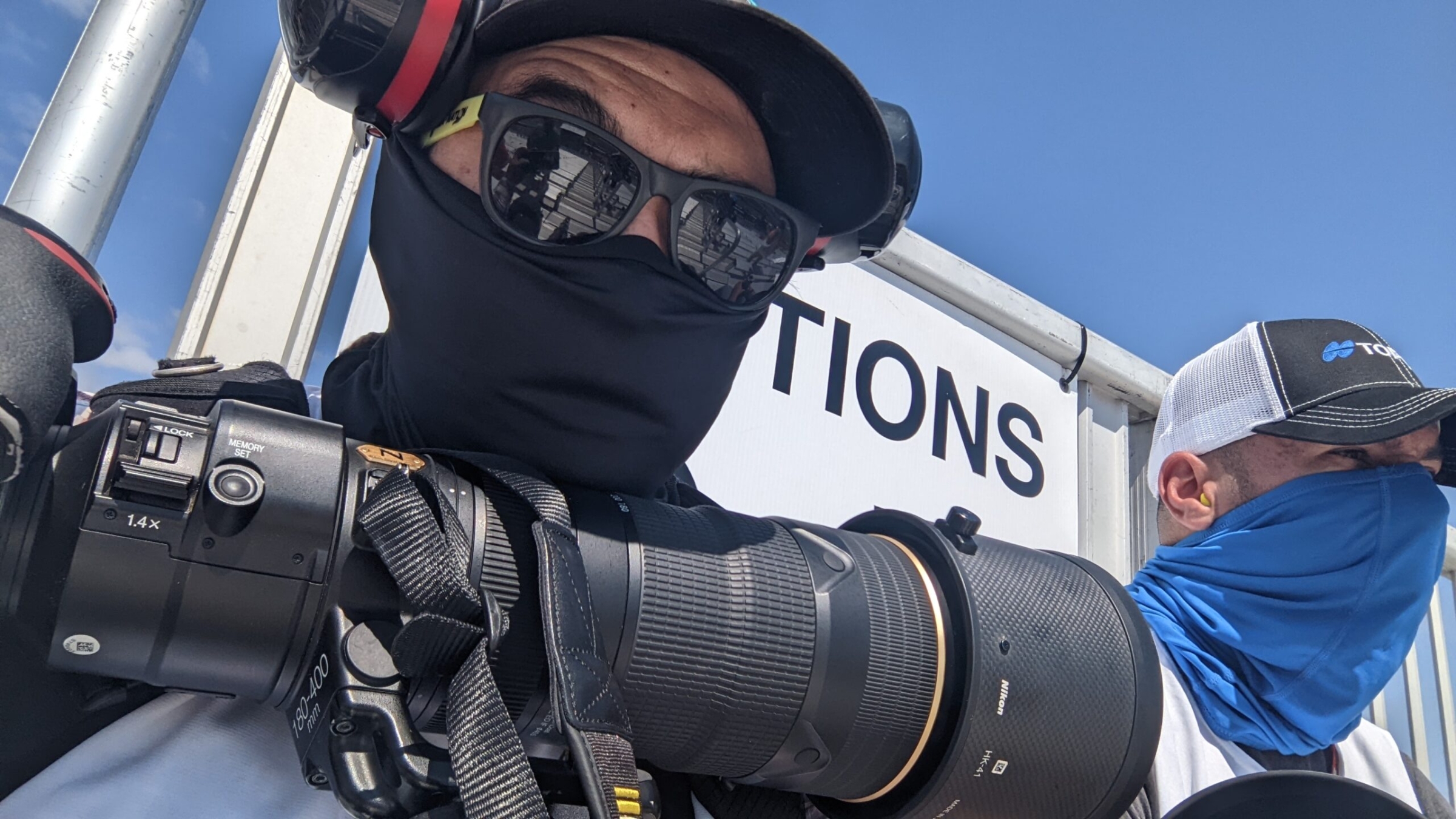
Undoubtedly, one can argue that today’s world is one of hyper-saturation. It takes a special kind of eye to create a photograph that doesn’t just capture a moment but tells a story. Sadly, stories tend to be overlooked in favor of simply capturing images.
Dallas-based commercial photographer David Loi has spent years honing that vision, building a career not on grand, sudden leaps, but on a “culmination of micro adjustments” that have transformed his work from a simple hobby into a dynamic art form.
Today, David Loi has become the go-to professional for major brands, from the familiar arches of Arby’s to the expansive scope of American Airlines. They all seek his unique ability to imbue every shot with layered depth and narrative.
The Journey Thus Far
Loi’s journey into professional photography was anything but a straight line. He describes his early attempts with a self-deprecating honesty. “If I showed you my first photos I’ve ever taken compared to now, you will wonder if it’s the same person!” he admits, reflecting on a time when his passion outpaced his skill.
Yet, he saw a glimmer of potential—a “little bit of flame coming up from the tinder”—that compelled him to keep going. He didn’t seek a shortcut to success, but rather embraced a continuous process of improvement. For him, a great photograph is never the result of a single, massive leap. Instead, it’s the sum of countless small refinements in technique and vision.
This commitment to gradual mastery was supercharged when he decided to become a destination wedding photographer. While it may seem a world away from commercial work, Loi credits this phase of his career as the ultimate training ground. Wedding photography forced him to become a versatile artist, a creative director, and a human-centered problem-solver all at once.
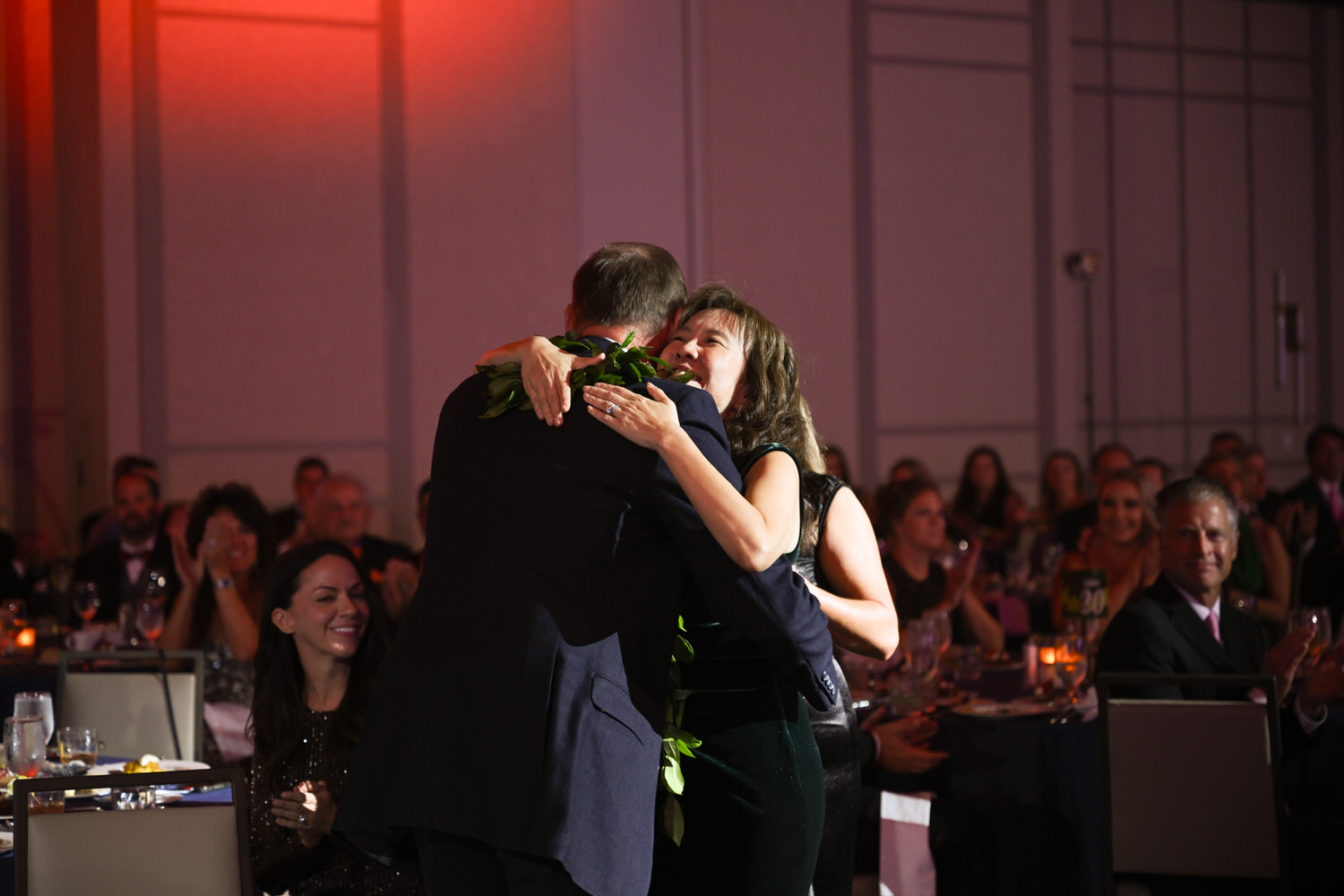
He had to master everything from lighting and posing to photojournalism and the subtle art of people management—all under the immense pressure of a single, unrepeatable day. This intensive experience, he says, provided the perfect foundation for his later transition into commercial photography, where he could apply his skills to a different, but equally compelling, passion: creating messaging and awareness for brands.
Revealing the True Faces of Photographs
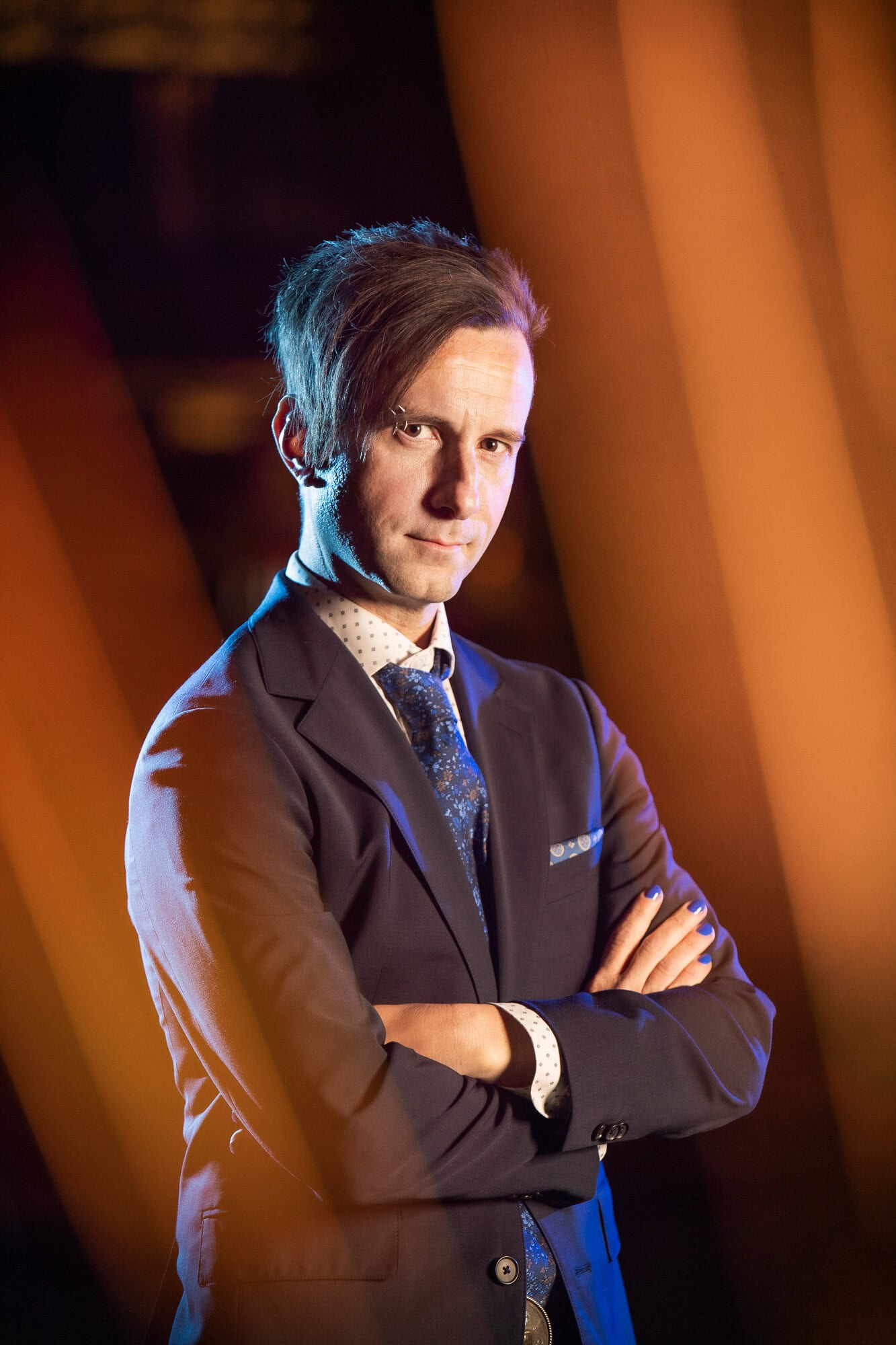
When asked to describe his core photographic style, Loi doesn’t talk about a specific genre or a signature filter. Instead, he speaks in terms of narrative and feeling. “I would describe my photography as layered with story,” he explains. His goal is to craft images that invite the viewer’s eye to wander, to discover new details, and to unearth a deeper meaning with every glance. It’s a style built on adding layers of complexity that give a photograph lasting resonance.
From a technical standpoint, he points to a powerful trifecta that defines his work: Emotion, Composition, and Lighting. These three elements, when harmonized, are what transform a simple image into a compelling visual story.
He uses lighting and shadow not just to illuminate a subject, but to add “nuances to that story.” Likewise, he guides his human subjects to express emotions like “joy, pleasure, relief” as a way to “guide that story.” Whether he’s capturing a vibrant culinary scene, a high-stakes industrial environment, or the sleek lines of a car, Loi is consistently searching for a way to make the viewer feel something.
Eventful Collaborations
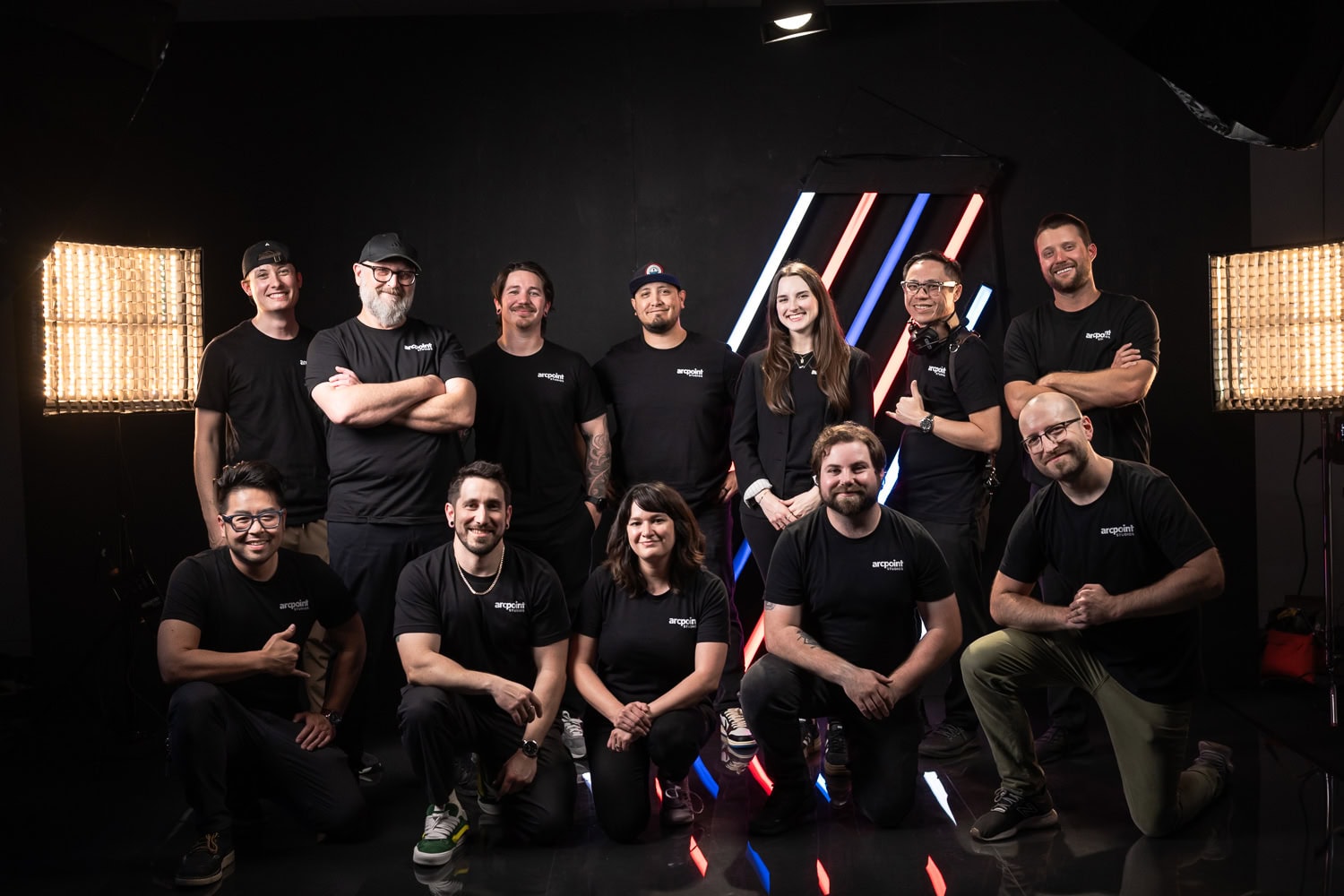
Behind every successful photoshoot, there’s a team, and Loi is quick to credit his crew for their essential roles. He believes a great photograph is a collaborative effort, and the people he works with are integral to his success.
“A successful photoshoot cannot be done without an amazing team,” he states. He prefers to have a full crew on set, including grips, gaffers, digitechs, and PAs. Each person has a specific, critical task, and their collective efficiency ensures that a production runs smoothly, especially in today’s demanding industry where “time-tables get smaller and smaller.”
That collaborative spirit extends to his relationship with the subjects he photographs. Loi recalls a time when making people feel comfortable in front of the camera was a major challenge for him as a novice.
Today, he considers it one of his greatest strengths. His secret lies in a positive, proactive mindset. “Coming into the photoshoot, you have to have the mindset that ‘I’m going to crush this and make sure everyone is amazing’,” he shares. This positive energy is infectious and puts his subjects at ease.
He also relies on his extensive knowledge of posing to guide people to their best angles. But the most effective tool in his arsenal is immediate, positive reinforcement. He shows his subjects the images as they’re being captured, building trust and helping them to relax and feel confident. “Your subjects can really open up after that and it becomes extremely natural,” he notes, highlighting the powerful emotional shift that occurs.
A Master in Challenging and Diverse Photographic Environments
Loi’s portfolio is as varied as the brands he works with, and each niche presents its own set of unique challenges. His work in industrial environments, for example, is as much about safety as it is about art. He stresses the need for constant vigilance on these shoots, where a moment of inattention can lead to injury. With “low hanging objects, lots of swinging arms and moving pieces,” he warns, “you really have to have your head on a swivel so you can see what’s happening otherwise you will get hurt!”
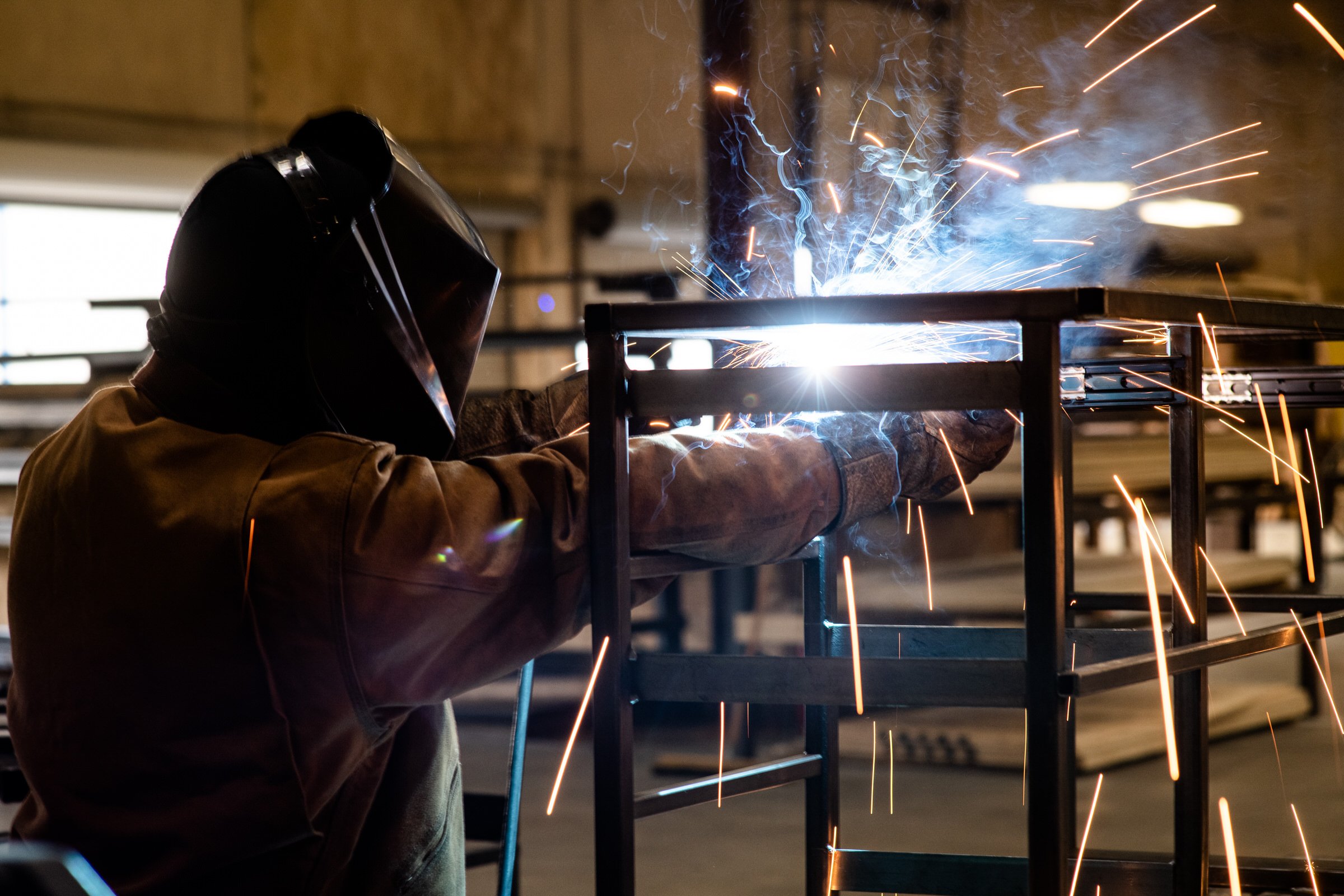
Communication is another hurdle, as loud machinery often requires ear protection. And then there’s the environment itself—extreme heat, extreme cold, or dusty conditions that demand a high degree of adaptability.
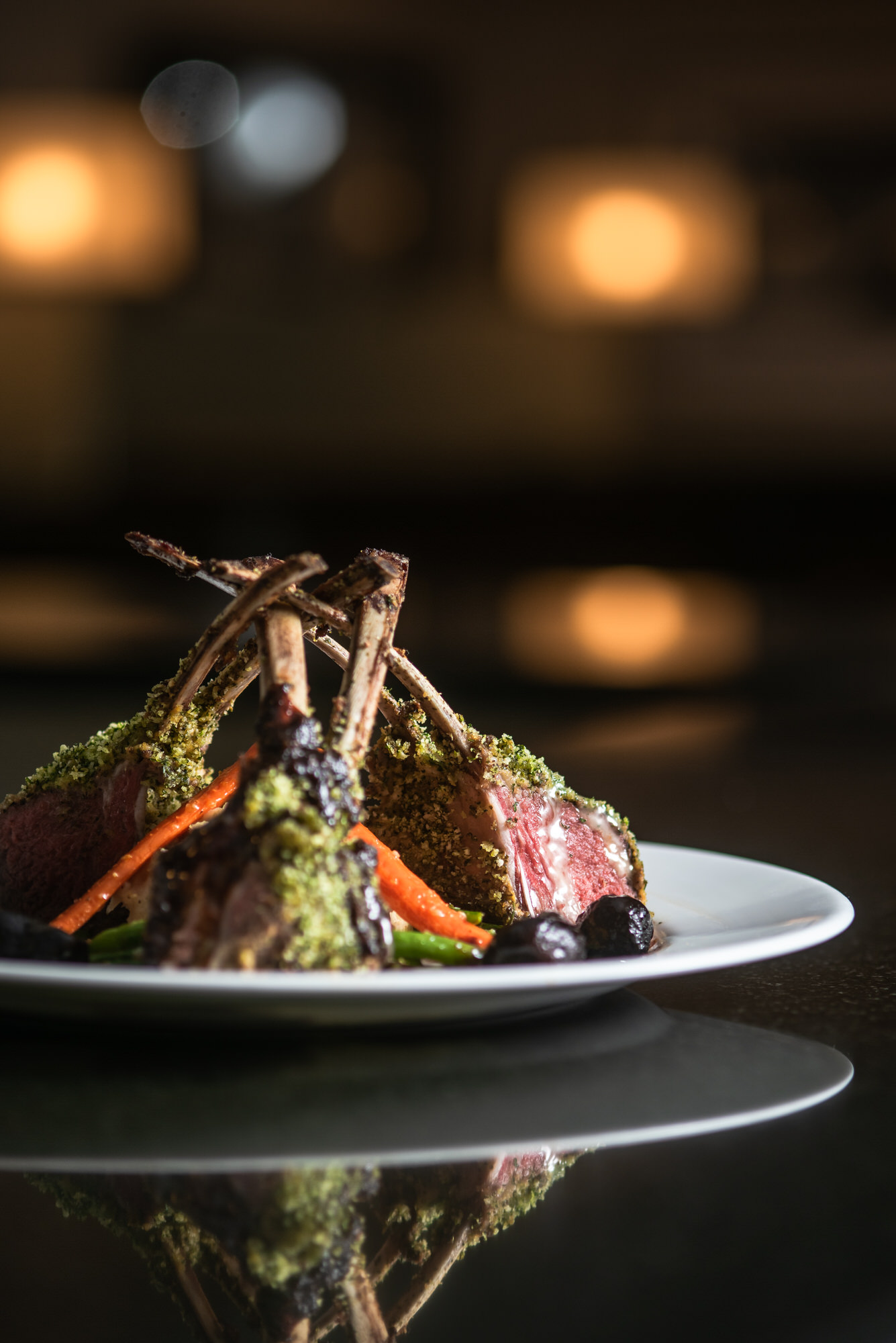
When it comes to food photography, the technical and creative hurdles shift entirely. Here, the challenge is making a dish look fresh and appealing under the harsh gaze of a camera. For Loi, the key to success is collaboration. While he’s certainly capable of doing it himself, he insists that having a professional food stylist on set is imperative. This partnership allows him to focus on the intricate details of lighting and composition, while the stylist arranges the plating and creative direction.
Together, they can “dress up” the food in ways that make it visually stunning, even if the final result is inedible. For his food work, Loi prefers the total control offered by artificial lighting, using a combination of Westcott strobes and Cheetah Stand softboxes to achieve the precise look he wants.
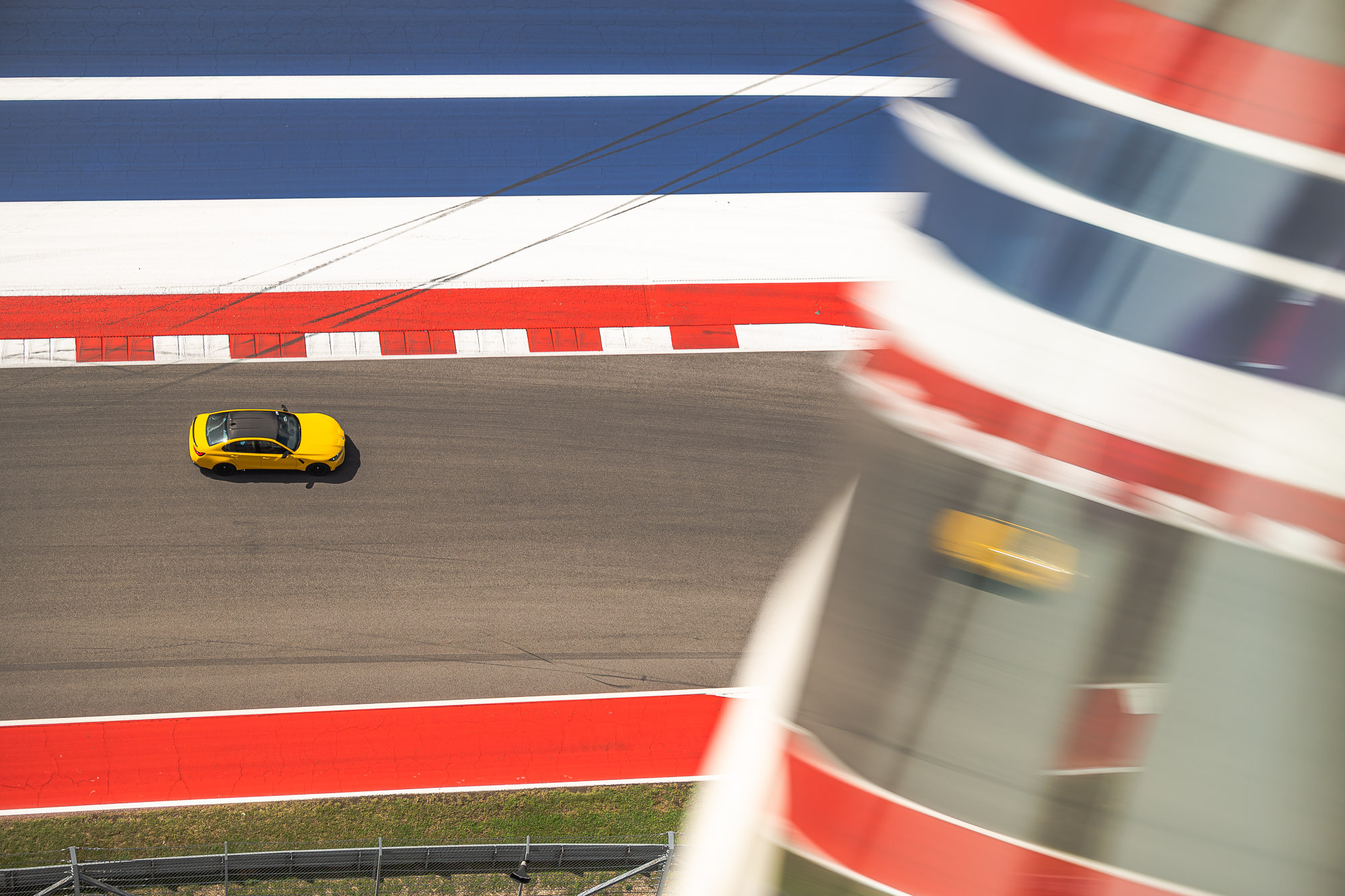
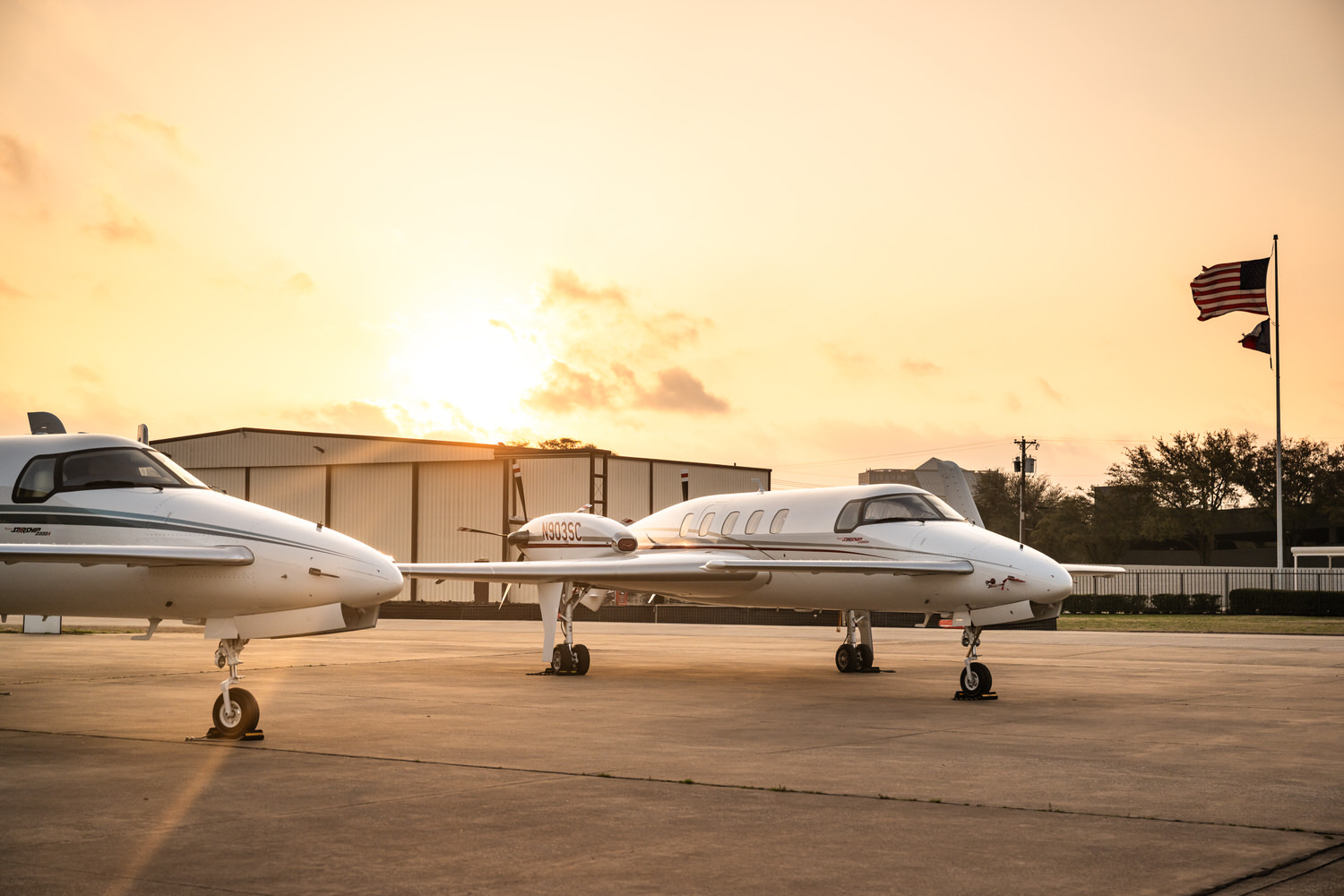
In the fast-paced world of automotive and aviation photography, Loi’s focus turns to capturing movement and dynamism. He relies on a deceptively simple yet powerful technique to convey a sense of speed and motion: motion blur. By intentionally slowing down the camera’s shutter speed, he can create a blurring effect in the background while keeping the subject sharp, a technique that every photographer in this genre uses to visually communicate the subject’s velocity and power.
Rising to the Occasion
When asked to name the projects he is most proud of, Loi points to a trio of complex photoshoots for American Airlines, Arby’s, and Dallas College. These projects weren’t just about beautiful images; they were about successfully navigating high-pressure environments with immense logistical complexity and tight timelines. He recalls situations where he and his team had a mere five minutes with talent to capture a variety of images.
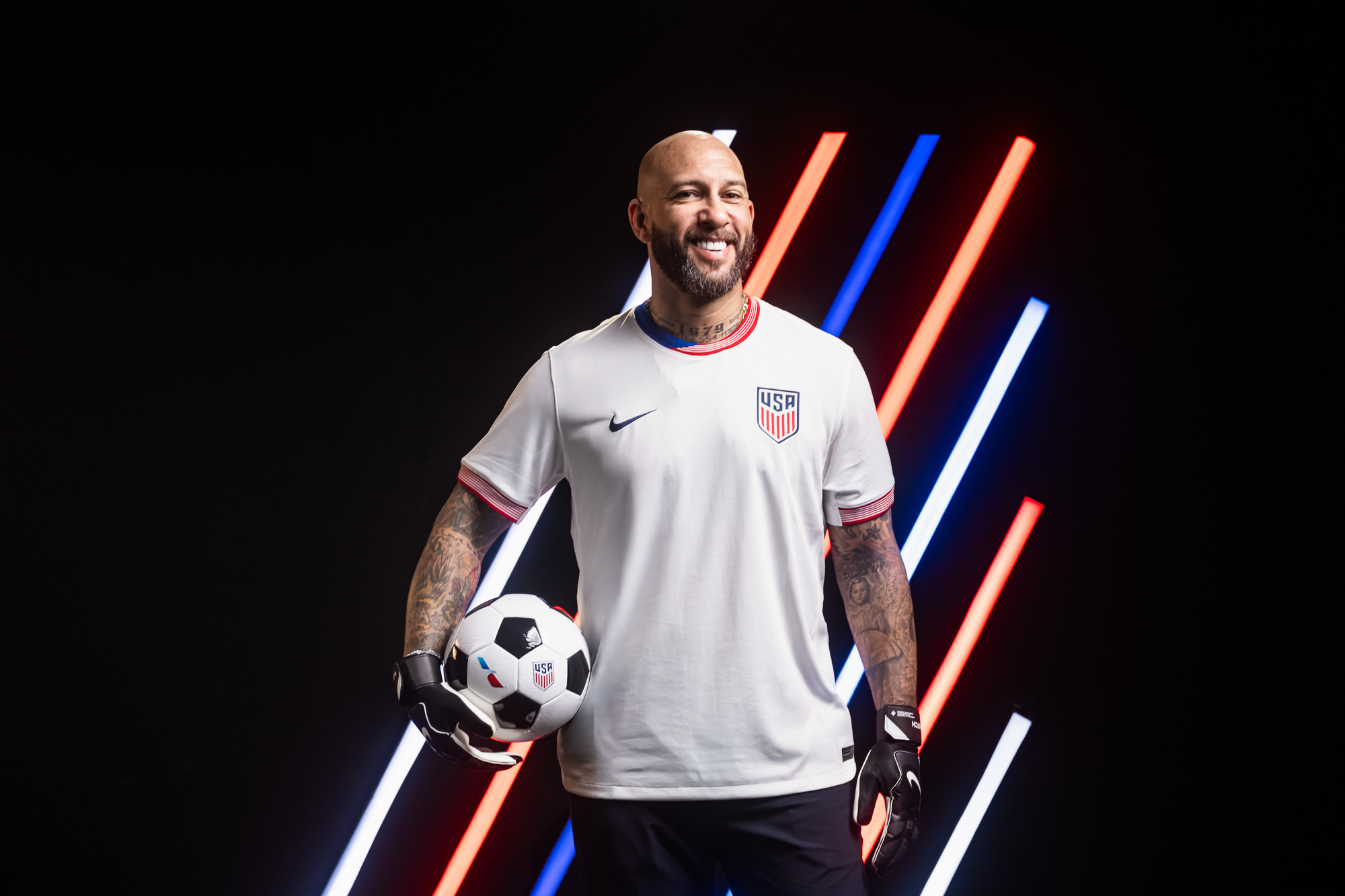
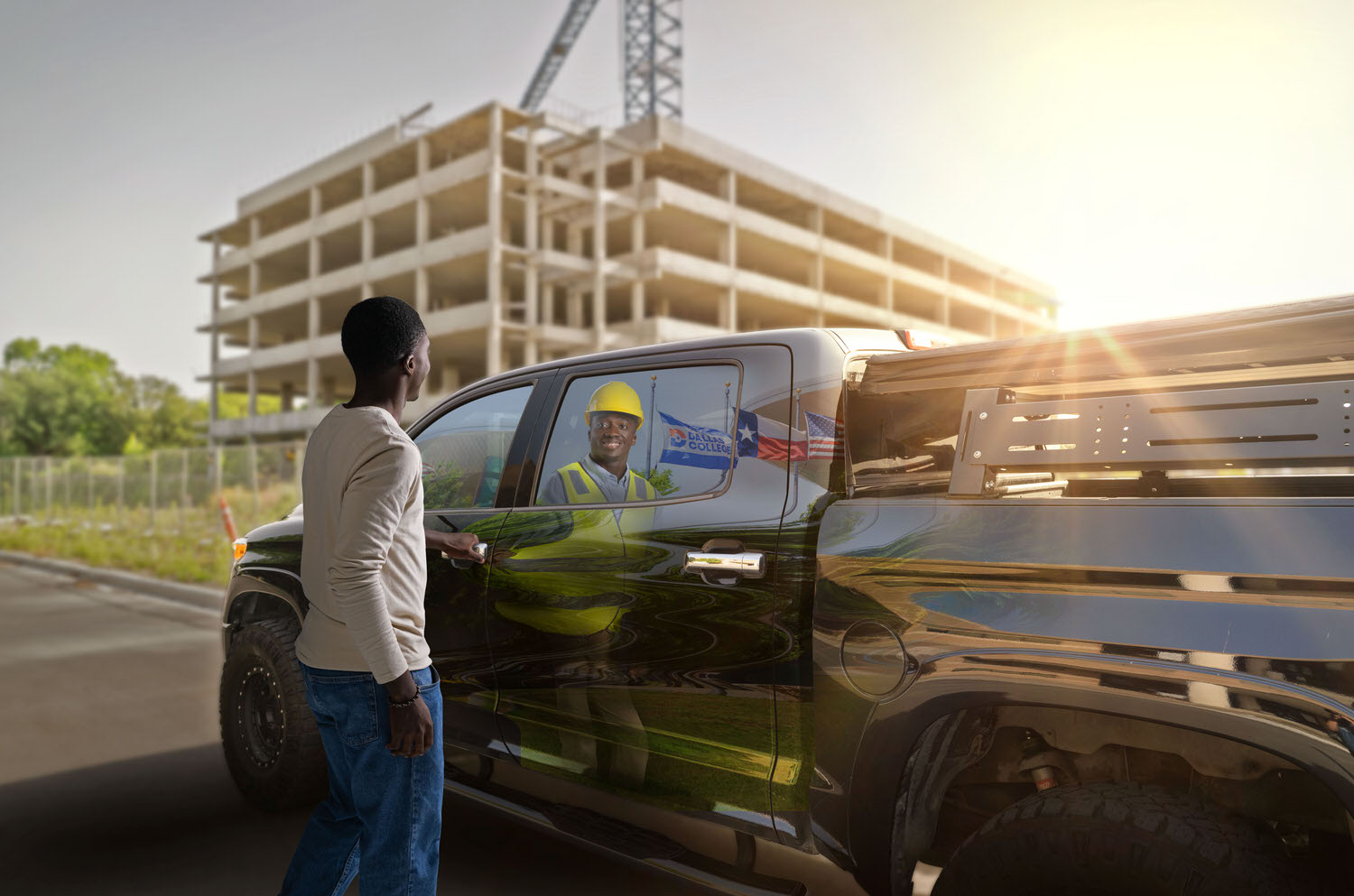
This kind of time constraint is “incredibly stressful,” but it’s a challenge he has learned to embrace. He takes pride in his ability to “rise to the occasion every time,” delivering maximum quality even under the most demanding conditions. From a self-professed amateur to a professional sought after by global brands, David Loi’s career is a testament to the power of passion, patience, and persistent refinement.
He has built a reputation not just on his technical prowess, but on his philosophical approach to photography—that every image, no matter the subject, has a story to tell. By marrying technical skill with a deep understanding of human emotion and narrative, he continues to create photographs that are not only seen but felt.
Capture High-Speed Precision on Set.
From dynamic trackside action to complex studio light painting and multi-plate composites, partner with David Loi Studios for commercial automotive campaigns across Texas and worldwide.
Speak directly with David regarding upcoming shoot logistics, locations, or track permits.
Call David Loi: (214) 773-2424Request an Automotive Quote
Share vehicle specs, track or studio parameters, and timelines below.


What is An Automative Photography Company and What Does It Do?
What is An Automotive Photography Company and What Does It Do?
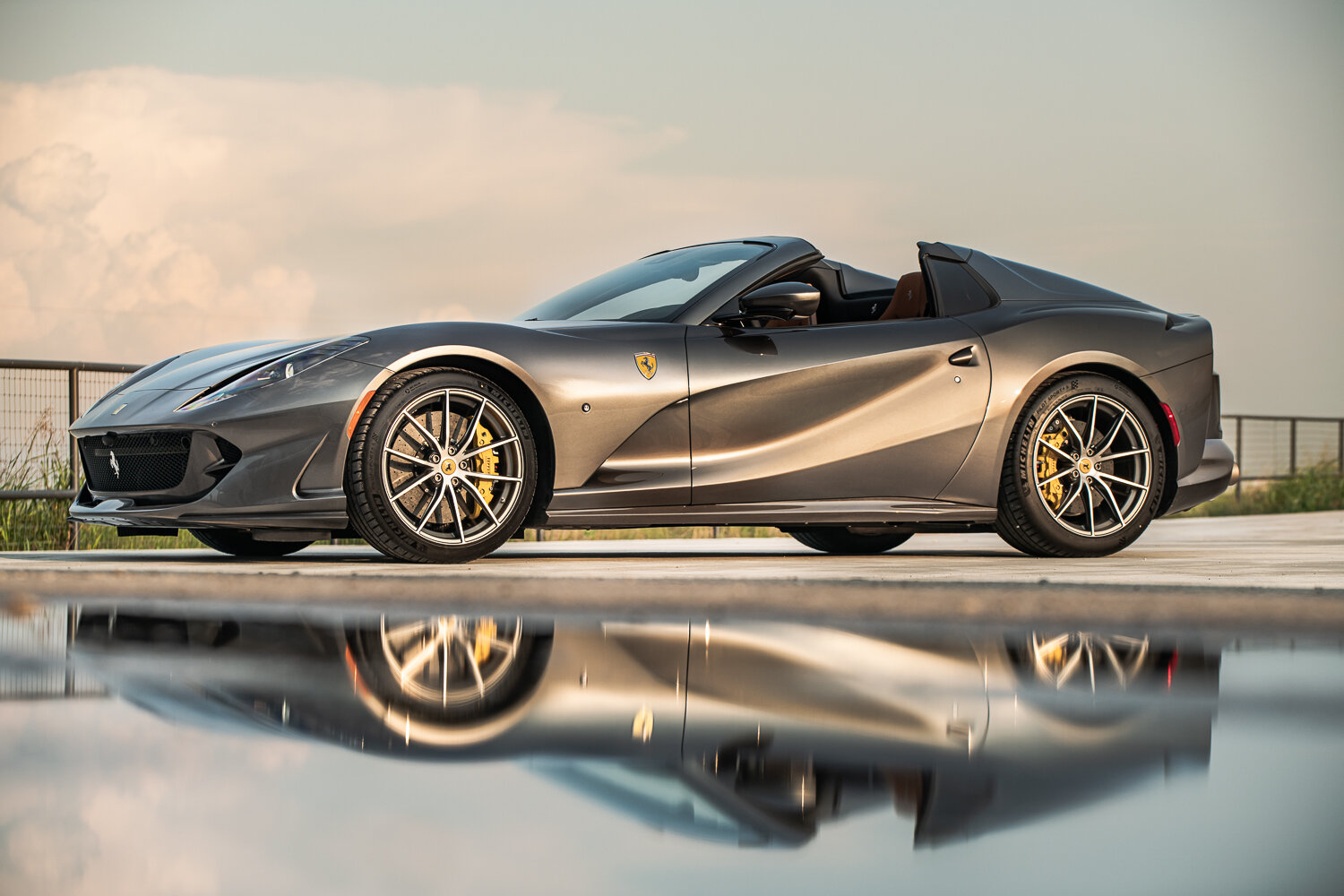
Automotive photography is a specialized field that combines technical skill, artistic vision, and a deep appreciation for vehicles. While many car enthusiasts dabble in taking pictures of their own cars, professional automotive photography companies take this passion to a new level, transforming it into a full-fledged business.
These companies are not just about snapping a few shots; they are a crucial part of the marketing and branding ecosystem for car manufacturers, dealerships, aftermarket parts companies, and even individual car collectors.
What Are Automotive Photography Companies?
At its core, an automotive photography company is a business that provides professional photography and videography services specifically for automobiles and the automotive industry. Unlike a general photography studio that might shoot portraits, weddings, or landscapes, these companies are experts in capturing the beauty, performance, and intricate details of vehicles. Their team typically consists of professional photographers, videographers, editors, and retouchers who possess a unique skill set tailored to the nuances of car photography.
These companies can range from small, freelance-based operations run by a single photographer to larger agencies with multiple employees and a global client base. Their work is essential for a wide range of clients who need high-quality visual content to showcase their products, services, or collections. The type of work they do can be incredibly diverse, from studio shoots to on-location action shots, and each project requires a different approach and set of skills.

Key Services Offered by Automotive Photography Companies
The services provided by these companies go far beyond simply pressing a shutter button. They are a comprehensive suite of visual content creation services designed to meet the specific needs of their clients.
- Commercial and Advertising Photography: This is a major part of what these companies do. They work with major car manufacturers and advertising agencies to create high-impact images for print and digital campaigns. This can include hero shots for new model launches, lifestyle images showing the car in a specific context (e.g., driving through a scenic landscape), and detailed shots highlighting new features. These projects often involve elaborate setups, advanced lighting, and extensive post-production to achieve the polished, high-end look seen in magazines and billboards.
- Dealership and Inventory Photography: For car dealerships, a professional photo is the first point of contact with a potential buyer. Automotive photography companies provide services to photograph a dealership’s inventory, ensuring that every vehicle, from a new sedan to a pre-owned truck, is presented in the best possible light. These images are crucial for online listings on platforms like AutoTrader or the dealership’s own website. The photos must be consistent, well-lit, and accurately represent the vehicle’s condition, helping to build trust with the customer.
- Aftermarket and Parts Photography: The automotive industry is supported by a massive aftermarket of parts and accessories. Companies that produce everything from custom wheels and exhaust systems to performance tuning components need high-quality photos to showcase their products. Automotive photography companies work with these businesses to create product shots that highlight the craftsmanship and design of their parts. This can involve studio photography with controlled lighting to capture intricate details or on-car shots to show the product in use.
- Event Coverage: Major car shows, auto expos, and races are a staple of the automotive world. Automotive photography companies are often hired to cover these events, capturing the excitement, the new model reveals, and the general atmosphere. This type of photography requires speed, adaptability, and an eye for detail to capture fleeting moments and impressive vehicles.
- Personal and Enthusiast Shoots: While commercial work is a major focus, many automotive photography companies also cater to individual car owners. These “personal shoots” are for enthusiasts who want professional-grade photos of their prized vehicle. These shoots can be a special way to commemorate a restoration project, a new car purchase, or simply to have stunning photos for their social media or personal collection.
The Process of Automotive Photography
The work of an automotive photography company is a multi-step process that begins long before a camera is even picked up.
- Consultation and Planning: Every project starts with a detailed discussion with the client to understand their vision, goals, and budget. They discuss the location, the style of the shoot (e.g., dynamic action, static studio, a mix of both), and the specific features or details that need to be highlighted.
- Pre-Production: This is the planning phase. The team scouts locations, arranges for any necessary permits, and gathers all the required equipment, which can include specialized lighting, camera gear, and a variety of lenses. They might also coordinate with car detailers to ensure the vehicle is spotless and ready for its close-up.
- The Shoot: On the day of the shoot, the photographers and videographers work to execute the plan. This can involve setting up complex lighting rigs, directing the car to specific positions, and working with drivers for dynamic shots. They use a combination of still photography and video to create a comprehensive visual package.
- Post-Production: The job is far from over once the shooting is complete. The images are then transferred to the editing team. This is where the magic happens. The team culls the photos, selects the best ones, and begins the process of editing and retouching. This can involve color grading to enhance the mood, removing distracting elements from the background, and meticulously cleaning up any imperfections on the car’s body. The goal is to create a flawless and visually stunning final product that aligns with the client’s vision.
- Delivery: The final images and videos are delivered to the client in the requested format, whether for print, web, or social media.
Why Choose a Professional Automotive Photography Company?
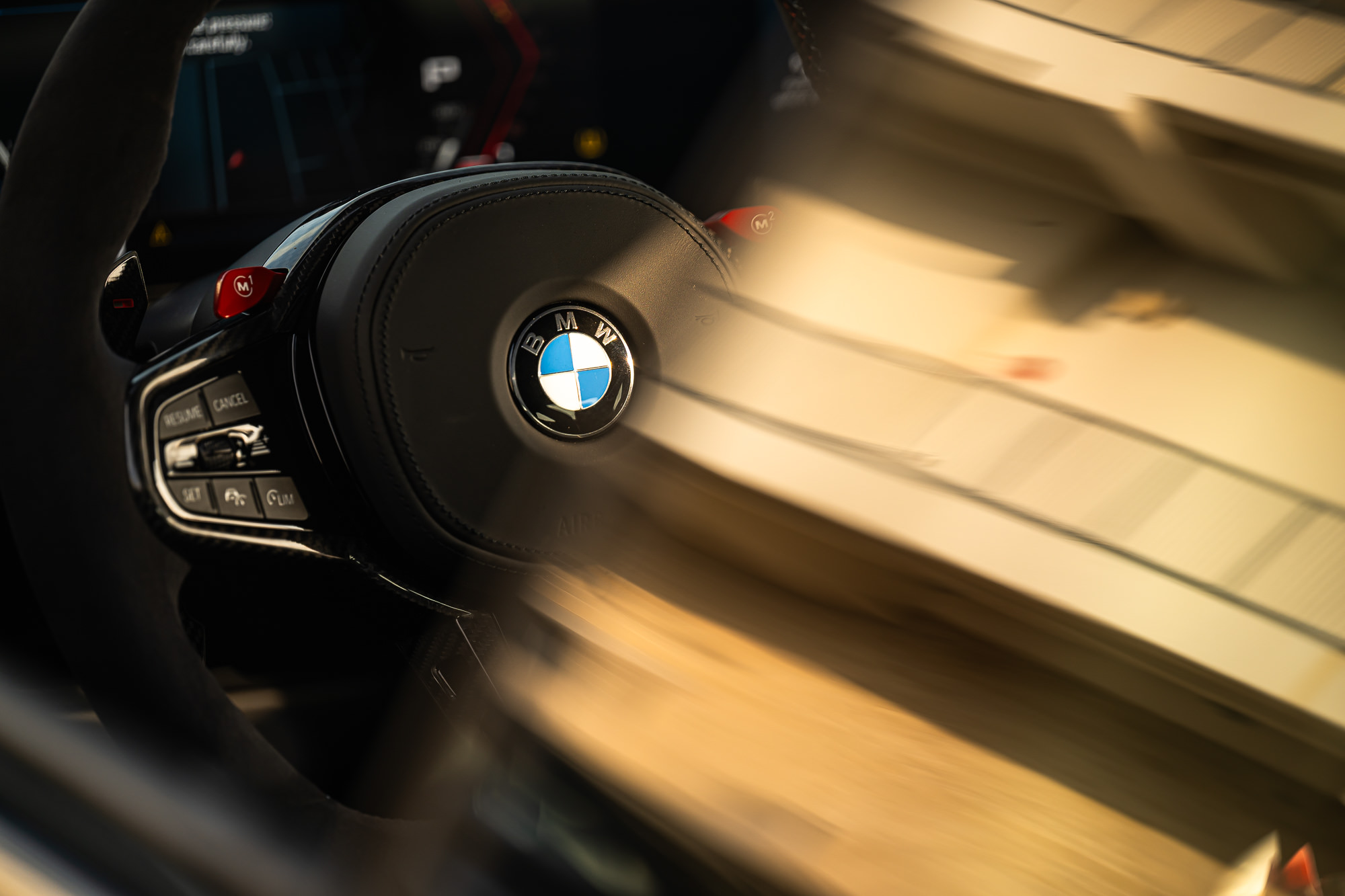
While anyone with a good camera can take a picture of a car, a professional automotive photography company brings a level of expertise and artistry that is unmatched. They understand the nuances of light and reflection on a car’s curved surfaces, the best angles to capture a vehicle’s design, and the technical skills required to create a perfect shot in any condition. Their work is a crucial investment for anyone in the automotive industry, as high-quality visuals are essential for attracting customers, building a brand, and driving sales. In a crowded marketplace, professional automotive photography is what makes a car stand out from the rest.

Capture High-Speed Precision on Set.
From dynamic trackside action to complex studio light painting and multi-plate composites, partner with David Loi Studios for commercial automotive campaigns across Texas and worldwide.
Speak directly with David regarding upcoming shoot logistics, locations, or track permits.
Call David Loi: (214) 773-2424Request an Automotive Quote
Share vehicle specs, track or studio parameters, and timelines below.